More birds from Florida…
More birds from Florida…
Even when I was enjoying the soothing wonders of the beach, I couldn’t help myself to bring my cameras… Just in case!
In every location I went, I found birds of one species or another. The local birds are abundant despite the absence of the migratory birds.
Photo Gallery
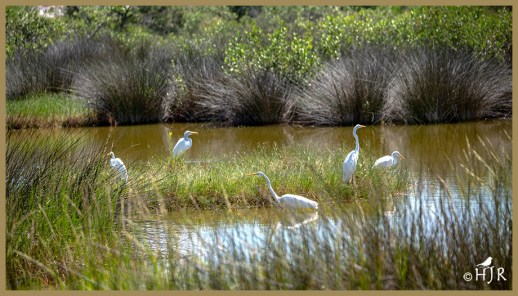
GREAT EGRETS
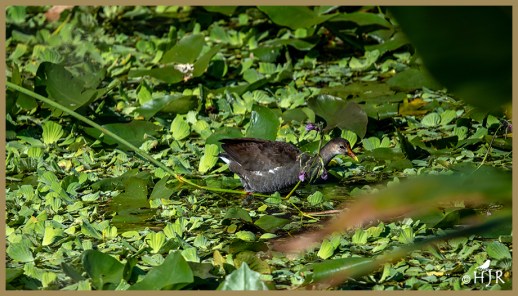
COMMON MOORHEN
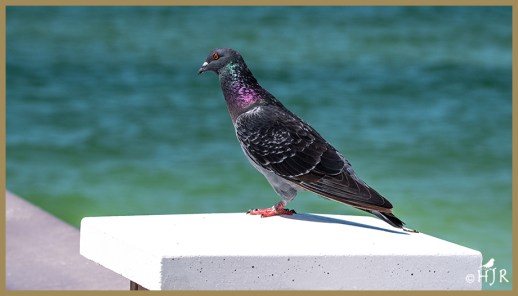
ROCK PIGEON
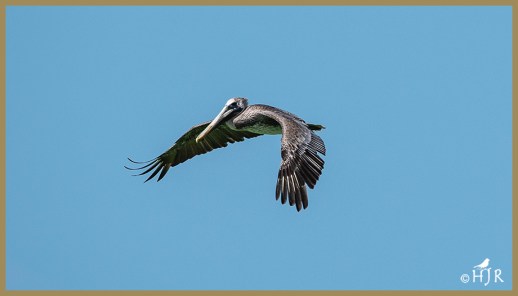
BROWN PELICAN
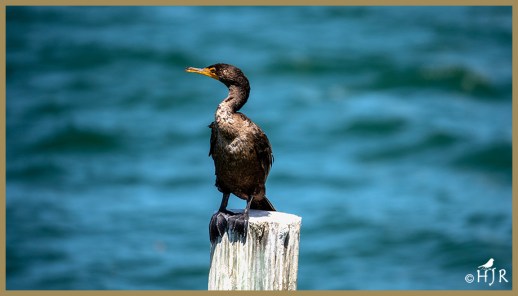
DOUBLE – CRESTED CORMORANT
Added Note:
News about Hurricane Michael in Georgia…
After the hurricane touched land in the State of Florida North-West with great destructive speed, also created powerful sea surges with devastating force. Then continued its way due North-East toward Georgia, where we are. Hurricanes usually lose wind speed when traveling over land, yet strong enough to cause tremendous damage to trees and buildings.
On Wednesday we had a gray and dark day, then in the evening rain started and the intensity increased by the hour, I went to bed after midnight and the rain sound was loud like rain in the Amazon Rainforest! The wind wasn’t any threat in my area. We have friends that live more to the South-East of us. They had many trees damaged and they also had a flood problem with their large pond.
Bottom line is, we are doing well, my home is safe and without any damage. We thank G-d for that!
© HJ Ruiz – Avian101
Share this:

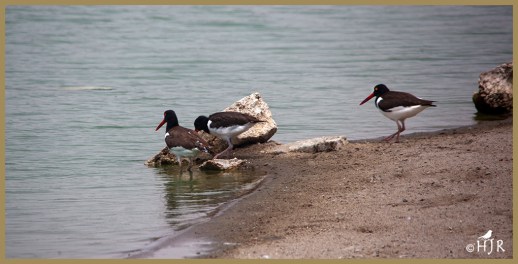
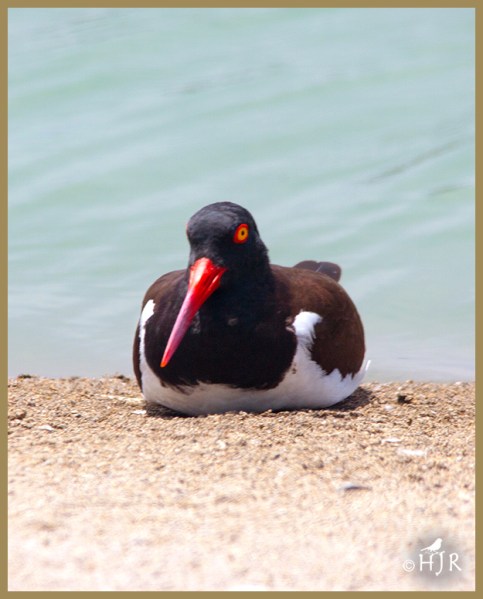
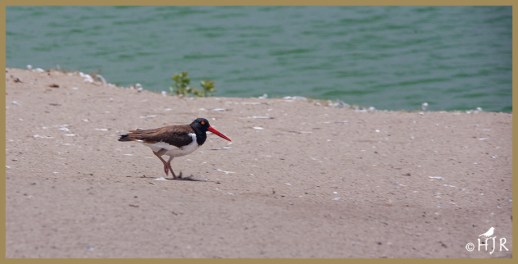
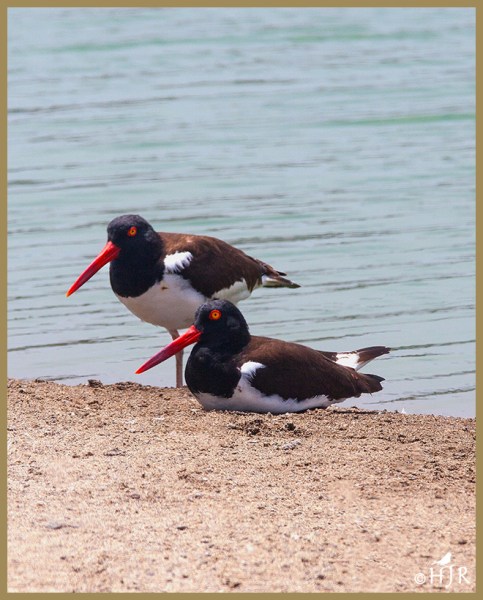
Bird’s ID – American Oystercatcher
American Oystercatcher
The American Oystercatcher (Haematopus palliatus), occasionally called the American pied oystercatcher, is a member of family Haematopodidae. Originally called the “sea pie”, it was renamed in 1731 when naturalist Mark Catesby observed the bird eating oysters. The current population of American oystercatchers is estimated to be 43,000. There are estimated to be 1,500 breeding pairs along the Atlantic and Gulf Coasts of the US.The bird is marked by its black and white body and a long, thick orange beak.
The American oystercatcher has distinctive black and white plumage and a long, bright orange beak. The head and breast are black and the back, wings and tail greyish-black. The underparts are white, as are feathers on the inner part of the wing which become visible during flight. The irises are yellow and the eyes have orange orbital rings. The legs are pink. Adults are between 42–52 cm (17–20 in) in length.
Photo Gallery
© HJ Ruiz – Avian101
Share this:

What’s Up? – Here and There…
Here and There…
Our mornings are some degrees cooler now. here in Georgia I see more foliage changing colors in my backyard. I hope that this Autumn will be beautiful and colorful, it’s my favorite season.
My birds are more relaxed with the cooler weather, especially the Ruby-throated Hummingbirds are hanging around for longer time. Other birds keep coming for their seeds, their appetites haven’t change a bit!
Photo Gallery


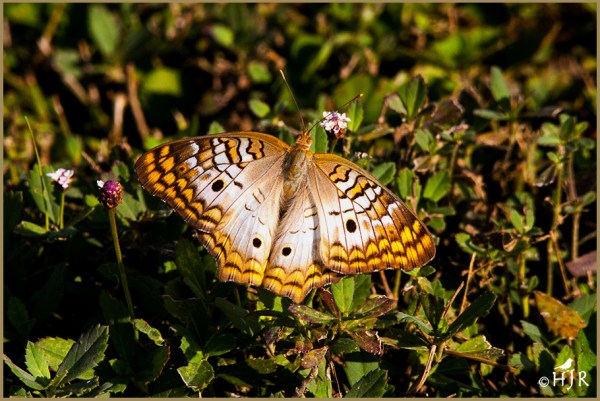
CAN YOU ID ME?
© HJ Ruiz – Avian101
Share this:

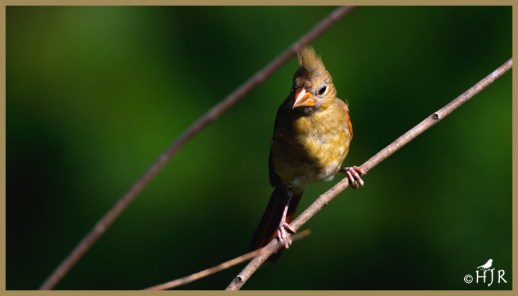
Red Gallery – Northern Cardinal
You are welcome to the Northern Cardinal Photo Gallery, every Saturday!
It’s suggested to relax and enjoy!
The oldest wild cardinal banded by researchers lived at least 15 years and 9 months, although 28.5 years was achieved by a captive bird. Annual survival rates for adult northern cardinals have been estimated at 60 to 65%; however, as with other passerine birds, the high mortality of juveniles means that the average lifespan is only about a year.
Photo Gallery
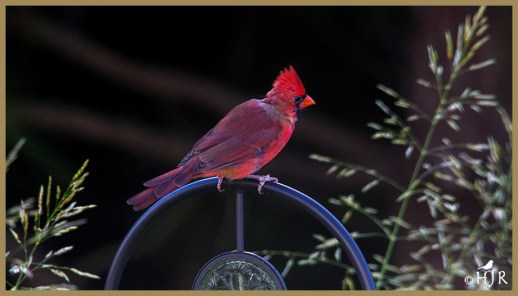
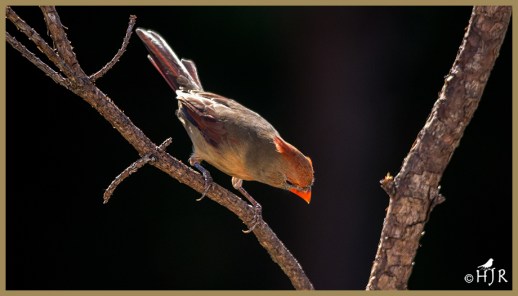
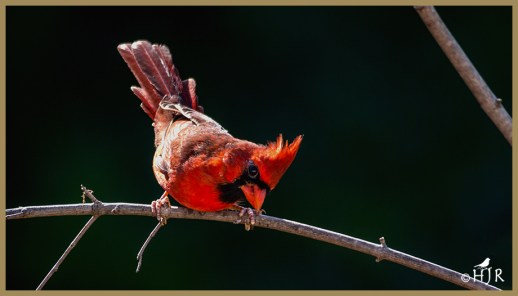
© HJ Ruiz – Avian101
Share this:

Read Past Reviews

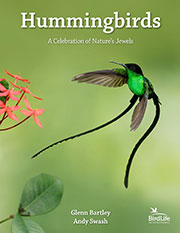
Book # 69
Quote from the Author
“A good chuckle is healthy, it helps you break the monotony of a serious life.” ~ H.J. Ruiz


You must be logged in to post a comment.