
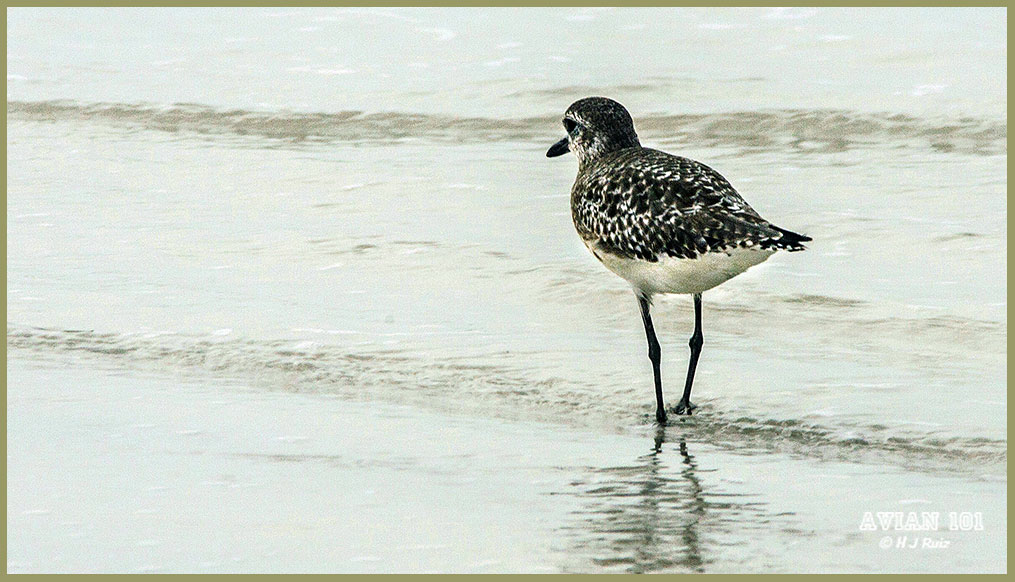
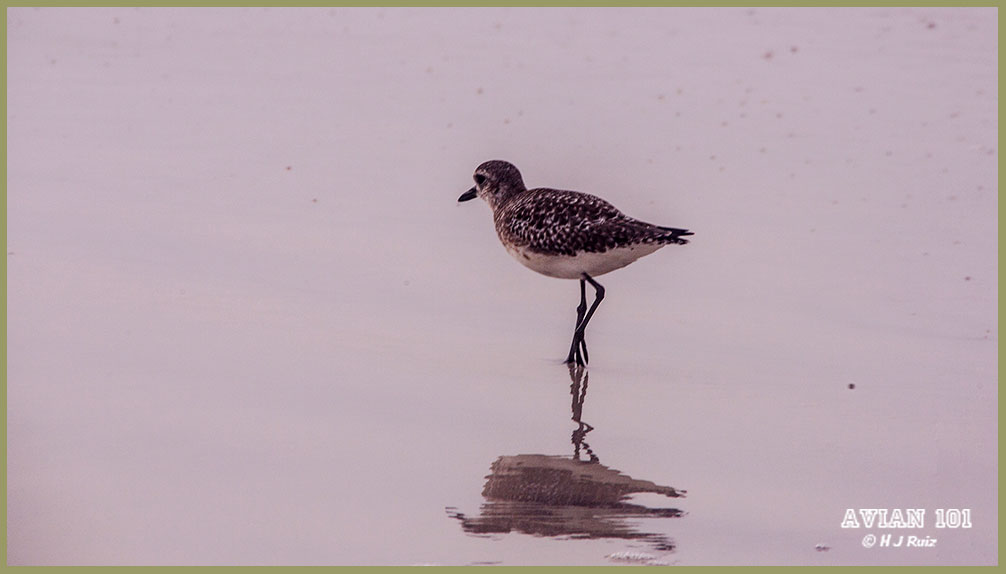
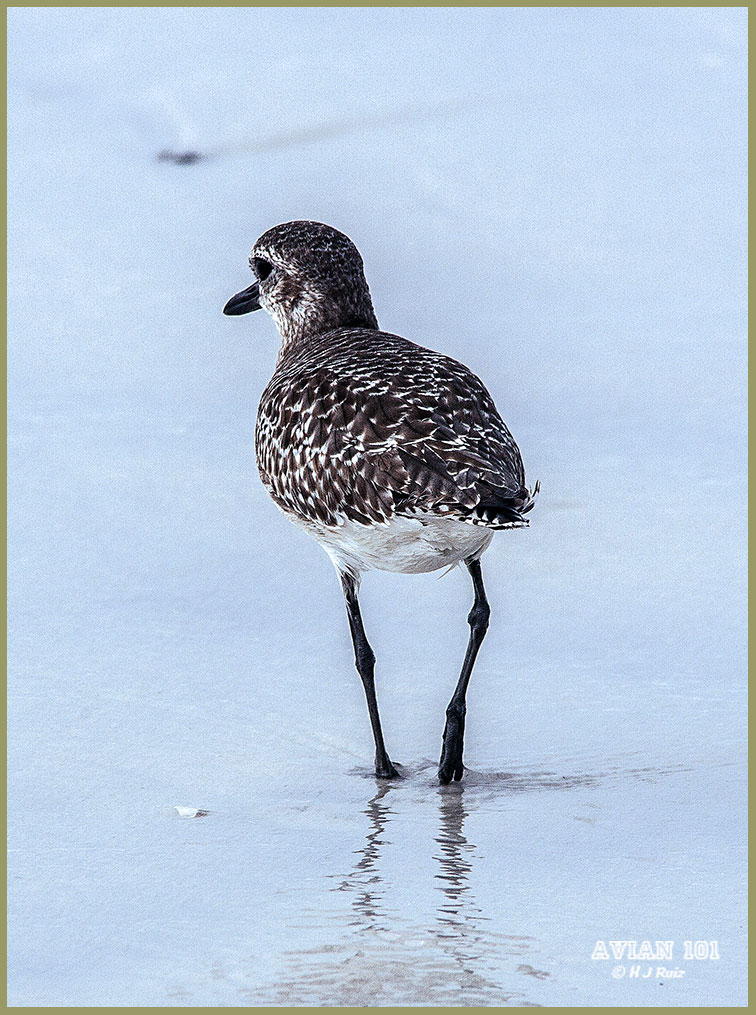
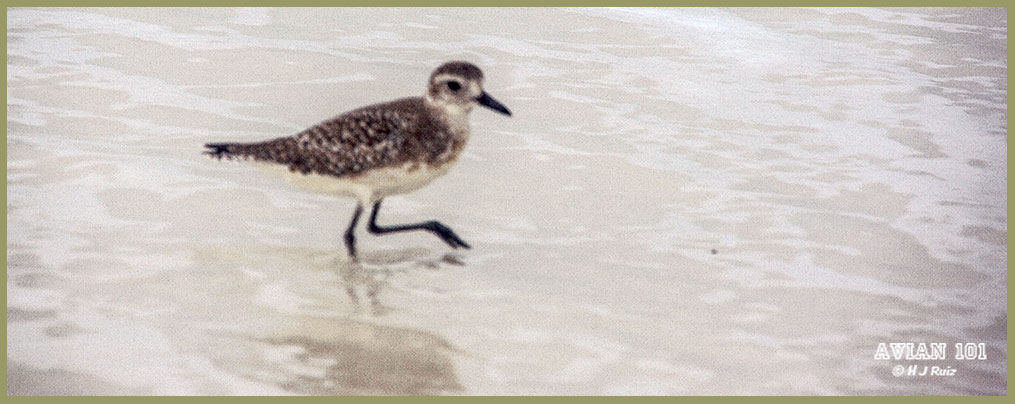
Gray Plover (Black-bellied)
The Grey Plover (Pluvialis squatarola), known as the black-bellied plover in North America, is a large cosmopolitan plover breeding in Arctic regions. It is a long-distance migrant, with a nearly worldwide coastal distribution when not breeding. The grey plover is 27–30 cm (11–12 in) long with a wingspan of 71–83 cm (28–33 in) and a weight of 190–280 g (6.7–9.9 oz) (up to 345 g (12.2 oz) in preparation for migration). In spring and summer (late April or May to August), adults are spotted black and white on the back and wings. The face and neck are black with a white border; they have a black breast and belly and a white rump. The tail is white with black barring. The bill and legs are black. They moult to winter plumage in mid August to early September and retain this until April; this being a fairly plain grey above, with a grey-speckled breast and white belly. The juvenile and first-winter plumages, held by young birds from fledging until about one year old, are similar to the adult winter plumage but with the back feathers blacker with creamy white edging. In all plumages, the inner flanks and axillary feathers at the base of the underwing are black, a feature which readily distinguishes it from the other three Pluvialis species in flight. On the ground, it can also be told from the other Pluvialis species by its larger (24–34 mm, 0.94–1.34 in), heavier bill.
Photo Gallery

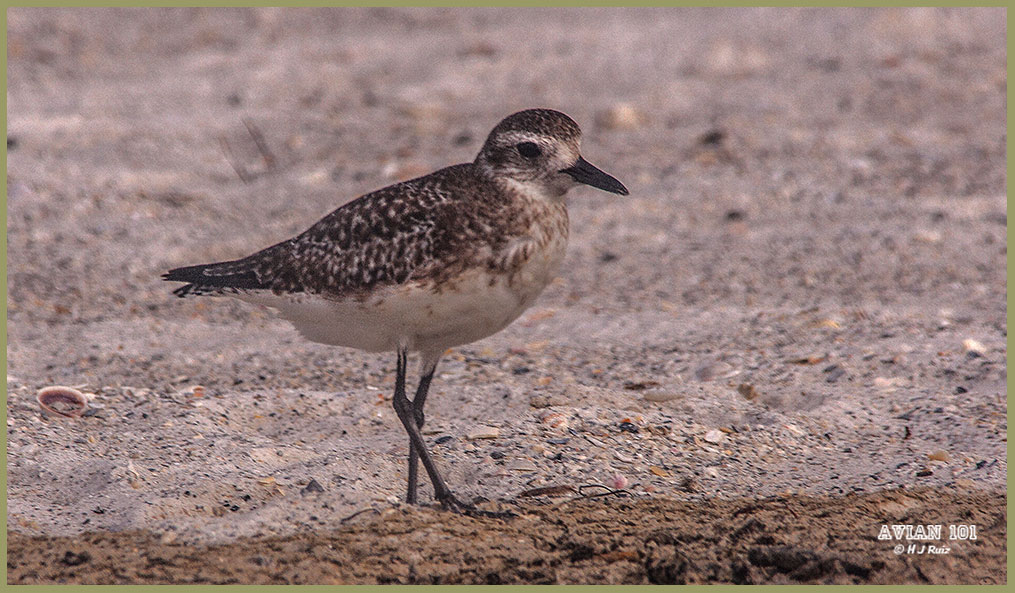
HJ Ruiz – November 3rd, 2023
Share this:

Variety of Bird Species – Photography # 4
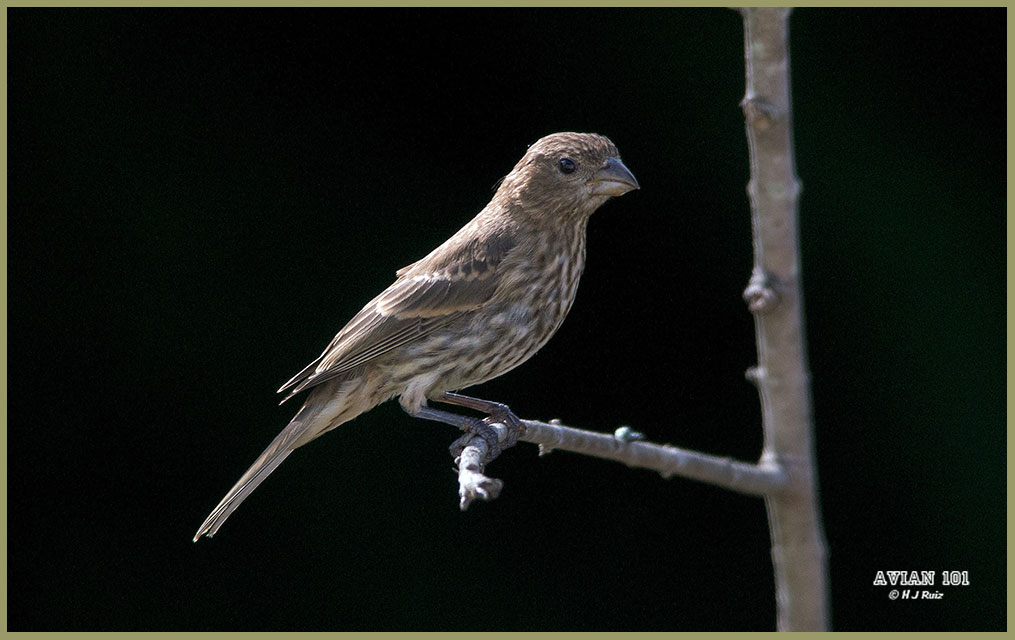
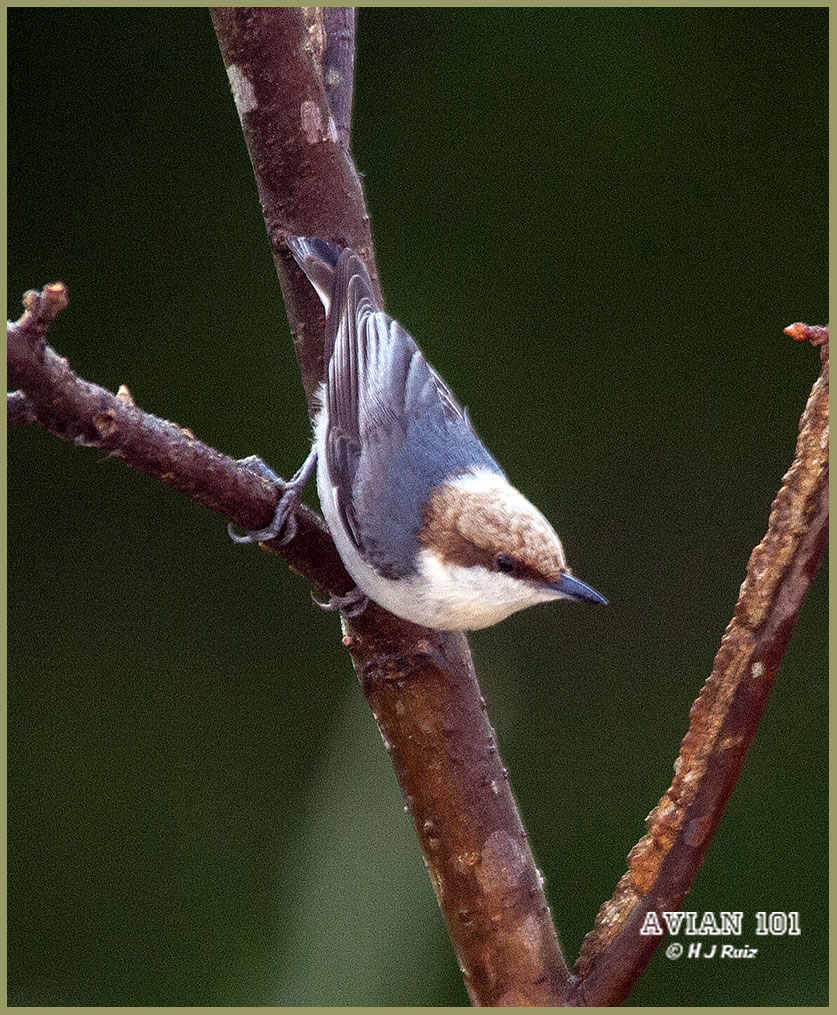
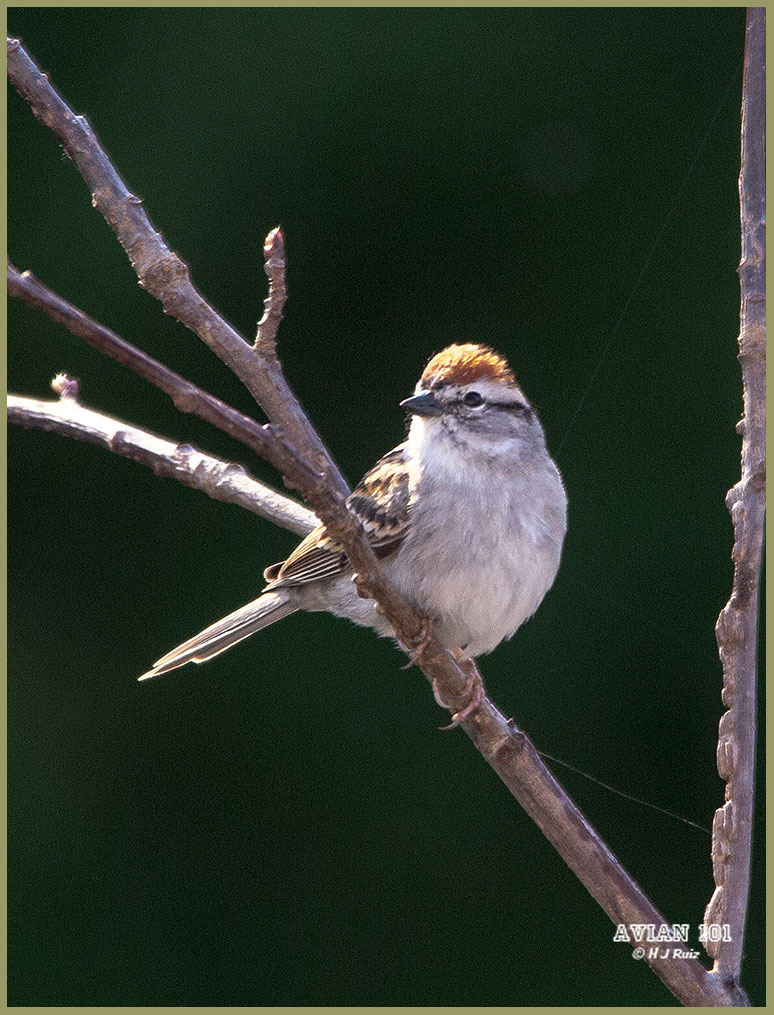
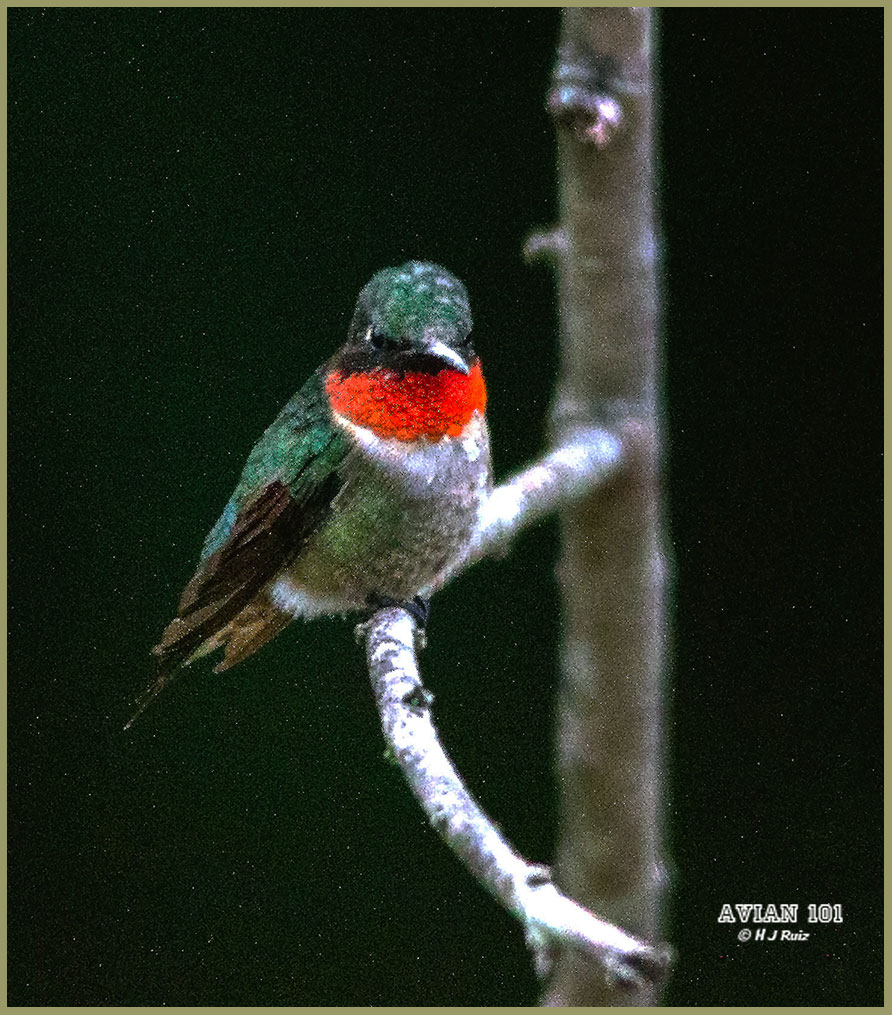
1 – House Finch (Female)
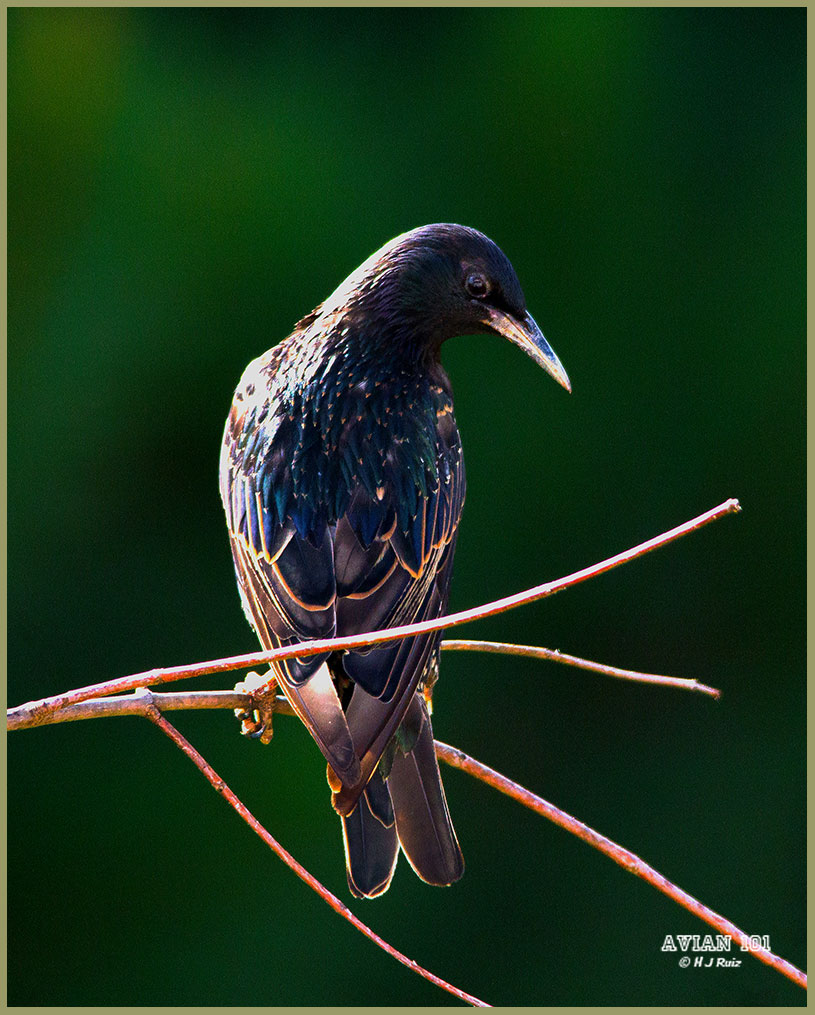
2 – European Starling
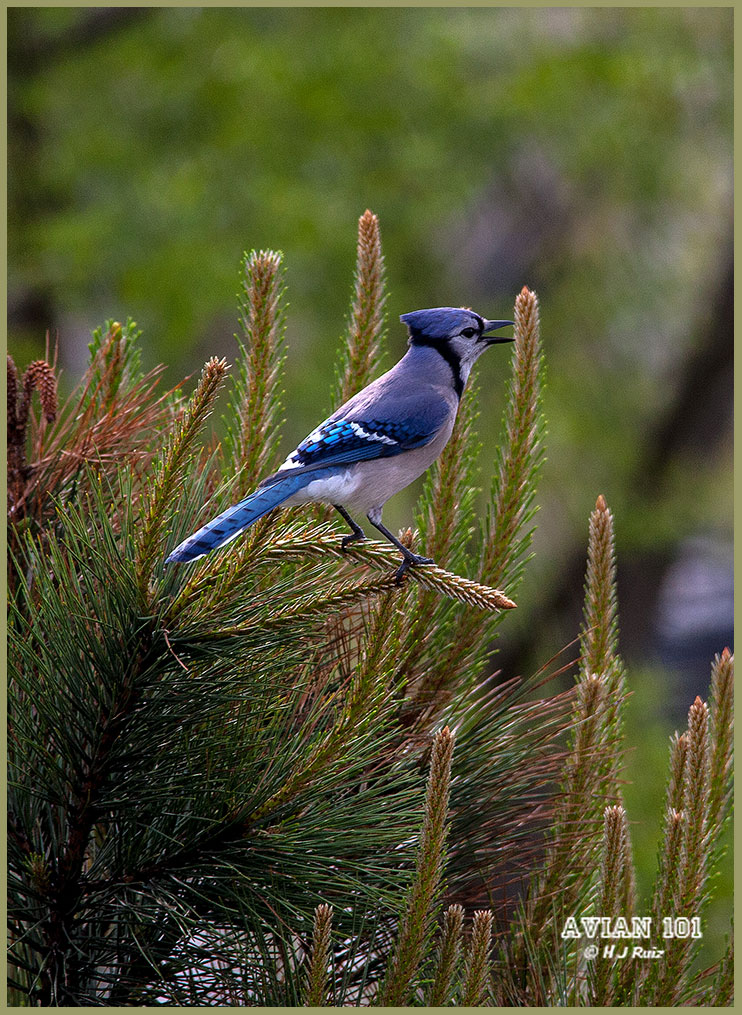
3 – Blue Jay
4 – Brown-headed Nuthatch
5 – Field Sparrow
6 – Ruby-throated Hummingbird (Male)
HJ Ruiz – November 2nd, 2023
Share this:

Panoramic Photography # 1
Panoramic Photography will be posted on Wednesday every week.

Reddish Egret
HJ Ruiz – November 1st, 2023
Share this:

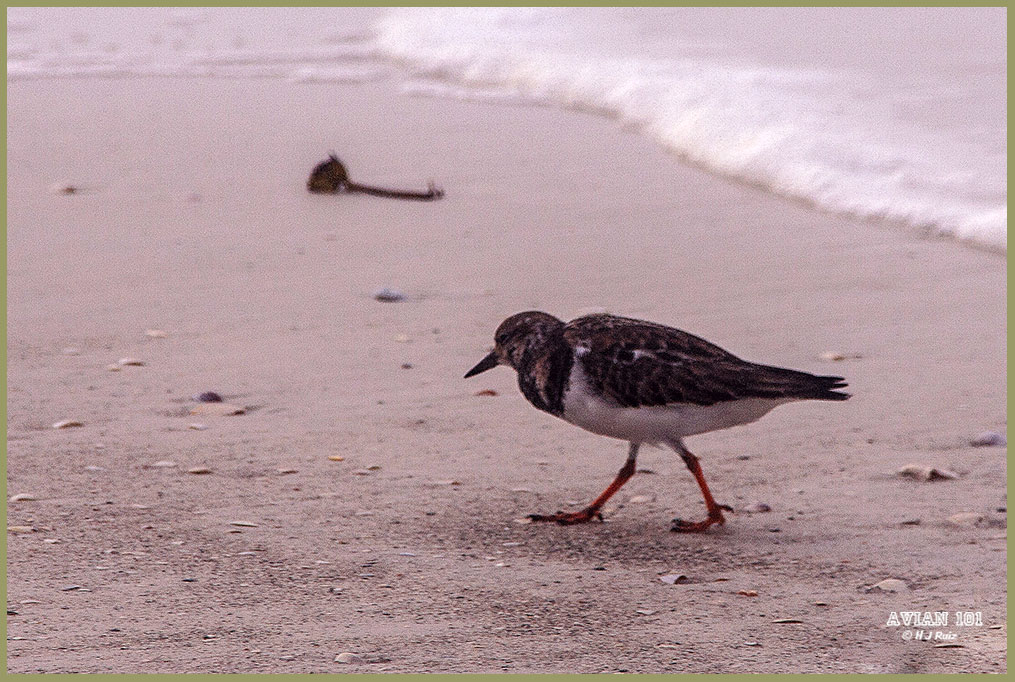
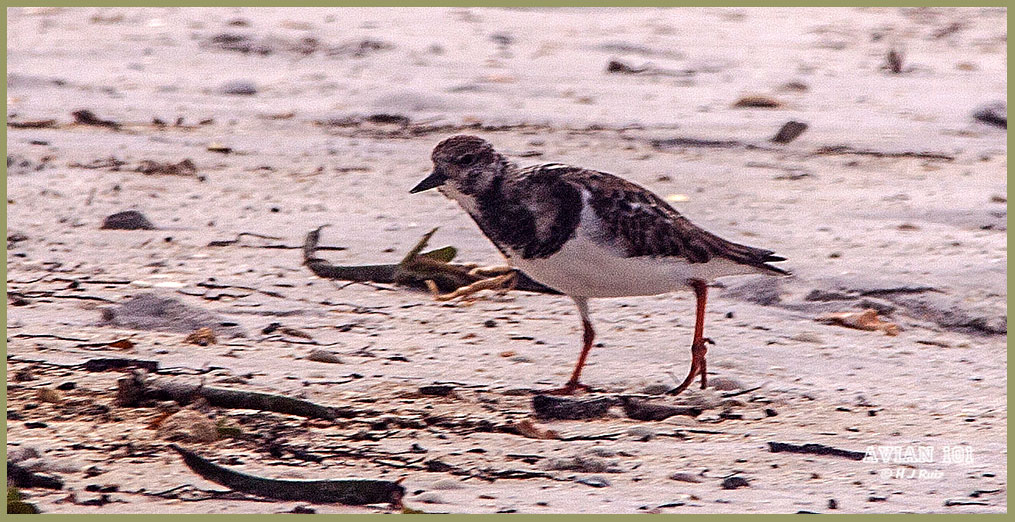
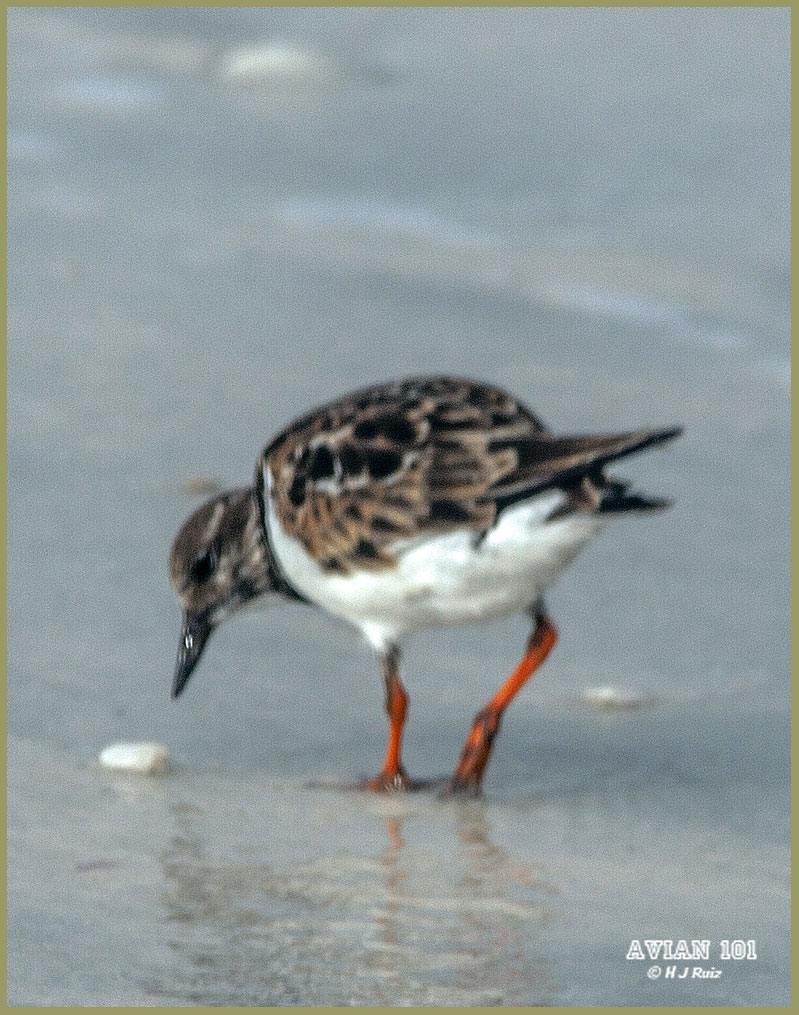
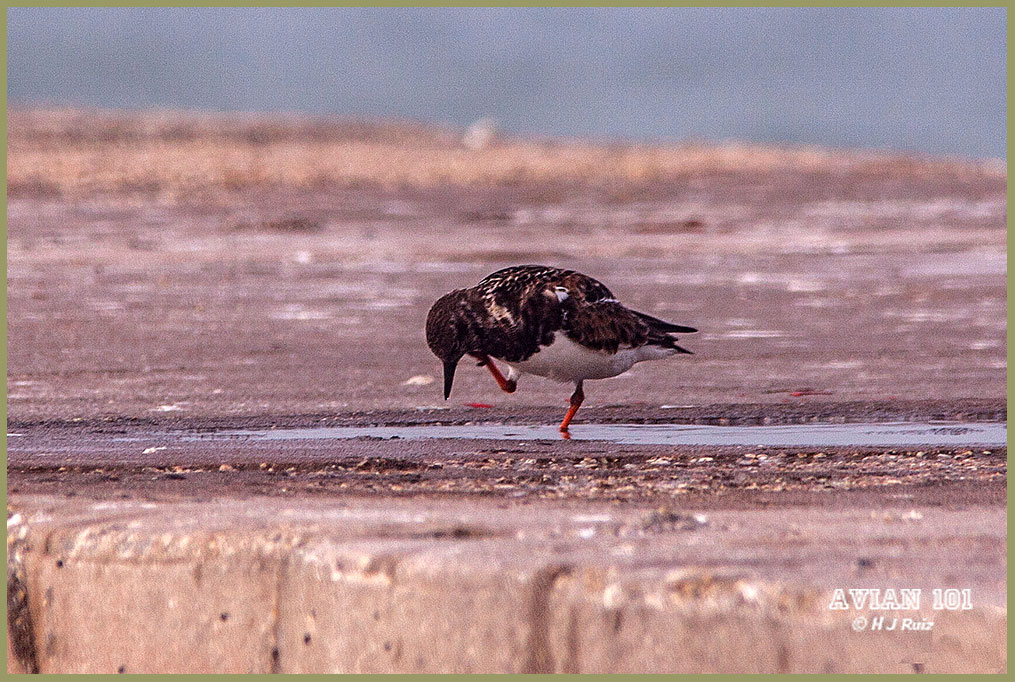
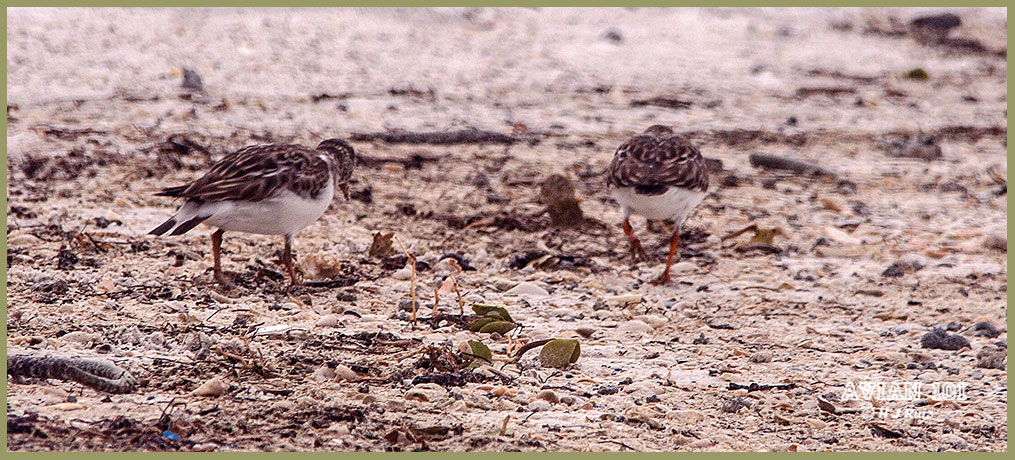
Ruddy Turnstone
The Ruddy Turnstone (Arenaria interpres) is a small cosmopolitan wading bird, one of two species of turnstone in the genus Arenaria. It is now classified in the sandpiper family Scolopacidae but was formerly sometimes placed in the plover family Charadriidae. It is a highly migratory bird, breeding in northern parts of Eurasia and North America and flying south to winter on coastlines almost worldwide. It is the only species of turnstone in much of its range and is often known simply as turnstone. It is a fairly small and stocky bird, 22–24 cm (8.7–9.4 in) long with a wingspan of 50–57 cm (20–22 in) and a weight of 85–150 g (3.0–5.3 oz). The dark, wedge-shaped bill is 2–2.5 cm (0.79–0.98 in) long and slightly upturned. The legs are fairly short at 3.5 cm (1.4 in) and are bright orange. In all seasons, the plumage is dominated by a harlequin-like pattern of black and white. Breeding birds have reddish-brown upper parts with black markings. The head is mainly white with black streaks on the crown and a black pattern on the face. The breast is mainly black apart from a white patch on the sides. The rest of the underparts are white. In flight it reveals a white wingbar, white patch near the base of the wing and white lower back, rump and tail with dark bands on the uppertail-coverts and near the tip of the tail. The female is slightly duller than the male and has a browner head with more streaking.
Photo Gallery
HJ Ruiz – October 31st, 2023
Share this:


Read Past Reviews

Book # 69

Quote from the Author
“A good chuckle is healthy, it helps you break the monotony of a serious life.” ~ H.J. Ruiz
 H.J. Ruiz - Avian101
You must be logged in to post a comment.