
Variety of Bird Species # 5
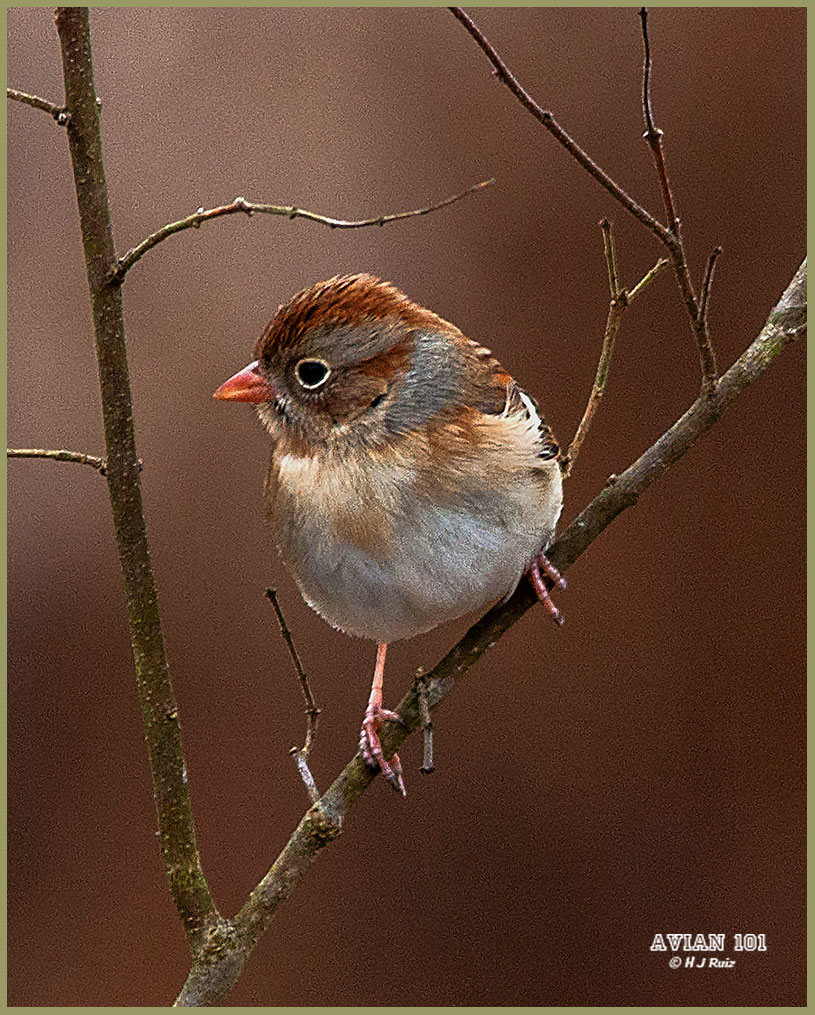

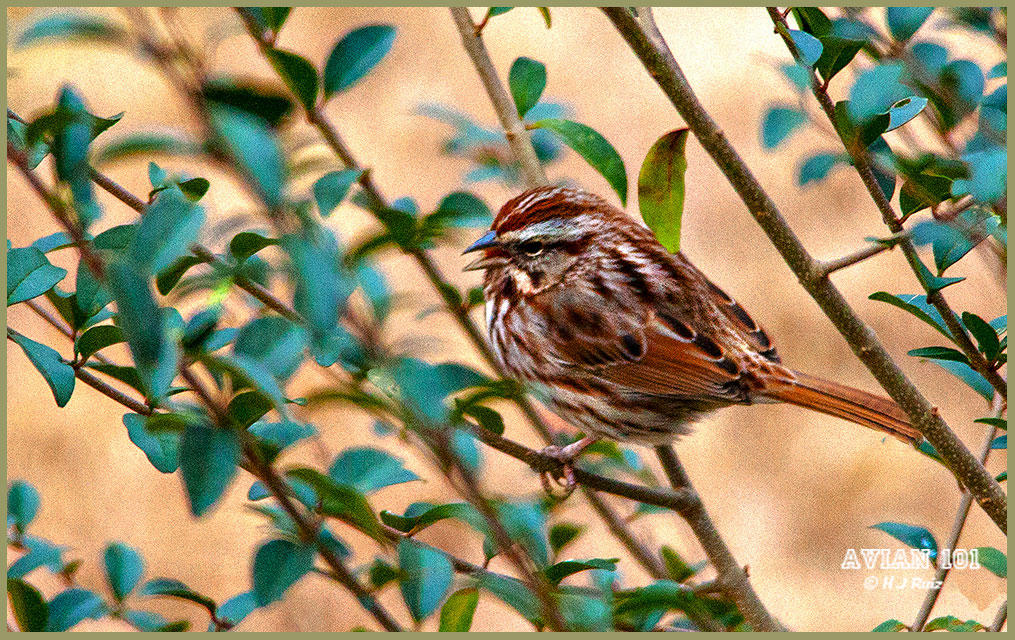
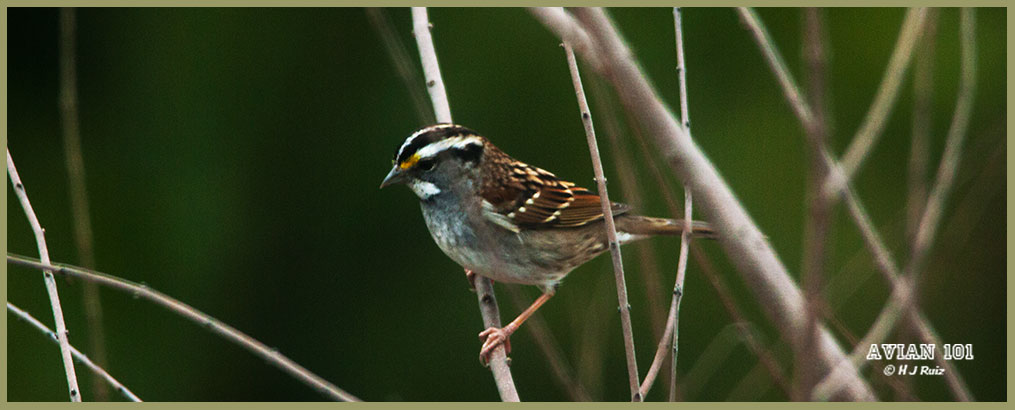
1 – Field Sparrow
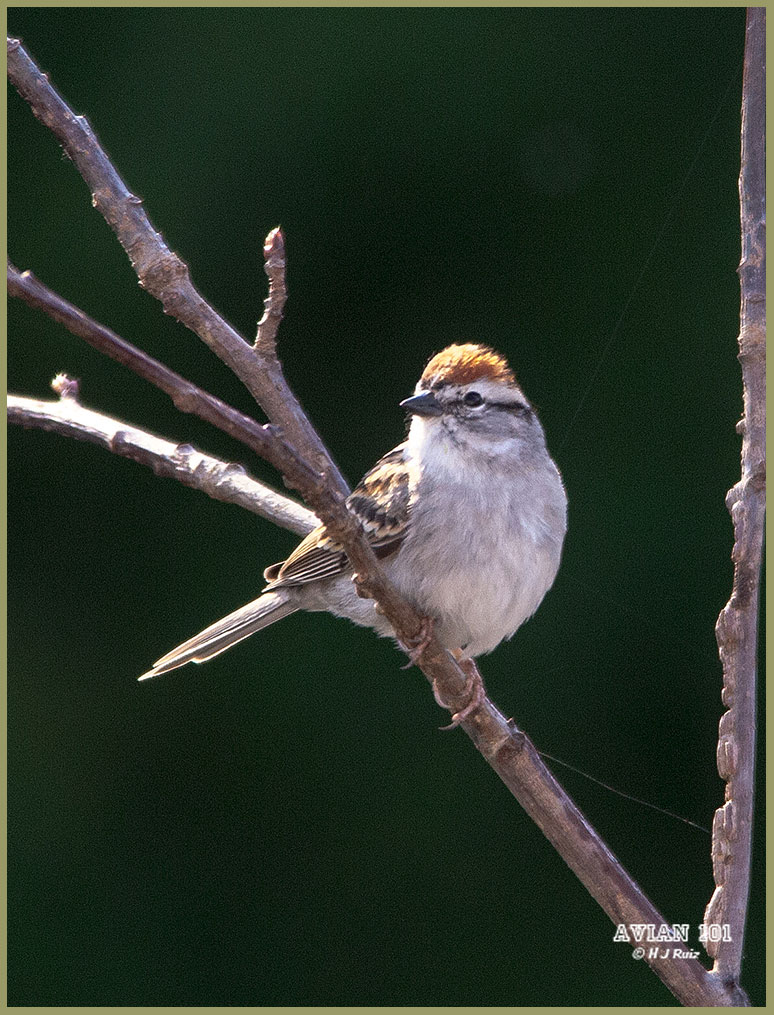
2 – Chipping Sparrow
3 – Lincoln’s Sparrow
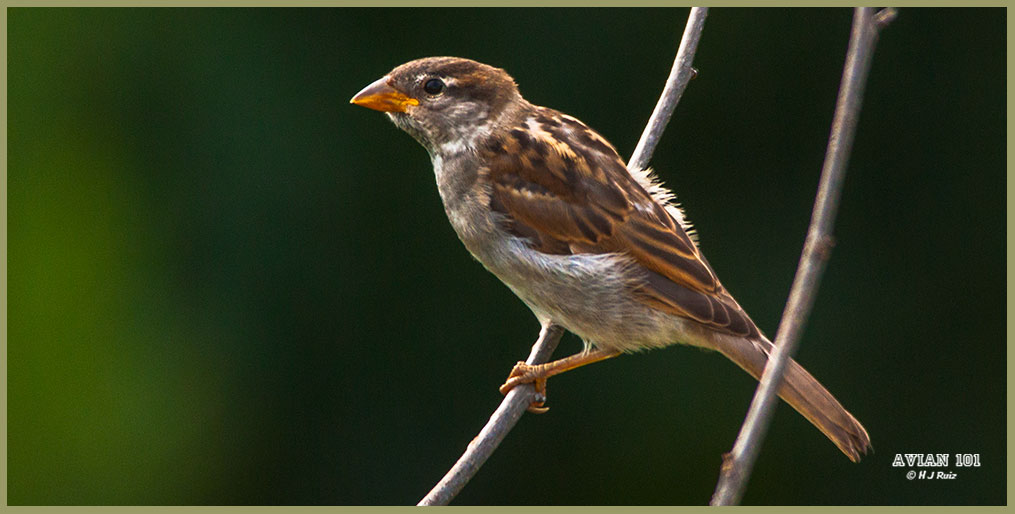
4 – House Sparrow
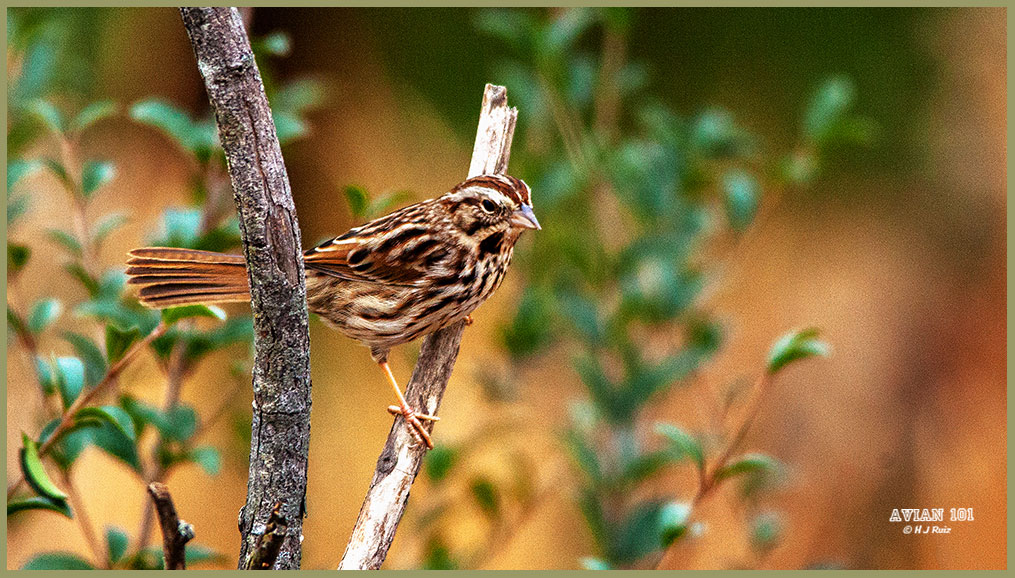
5 – Song Sparrow
6 – Savannah Sparrow
7 – White-throated Sparrow
HJ Ruiz – November 9th, 2023
Share this:

Panoramic Photography # 2
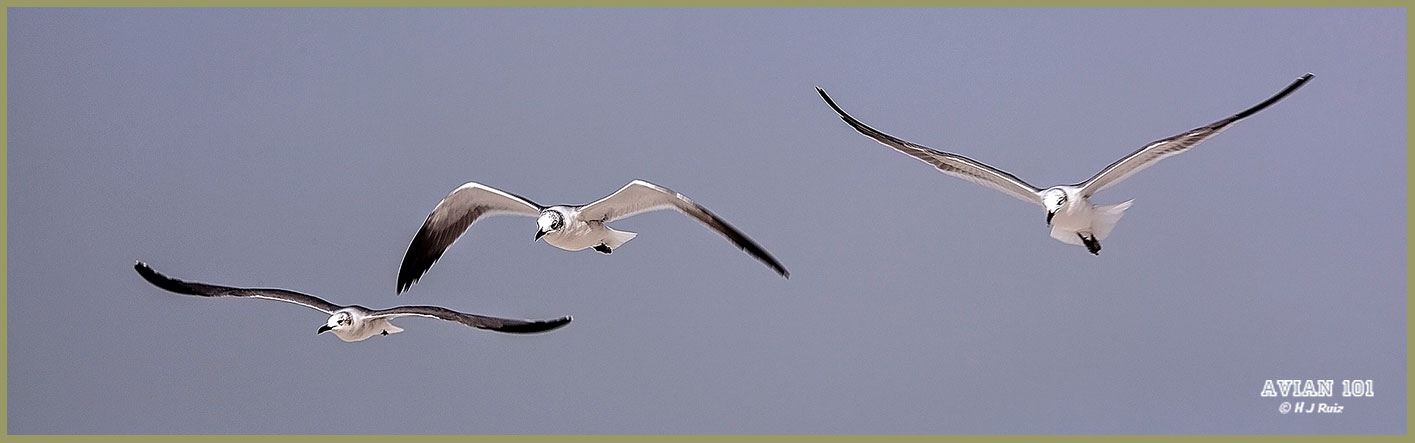
Three Laughing Gulls
HJ Ruiz – November 8th, 2023
Share this:

Brown Pelican
The Brown Pelican (Pelecanus occidentalis) is a bird of the pelican family, Pelecanidae, one of three species found in the Americas and one of two that feed by diving into water. It is found on the Atlantic Coast from New Jersey to the mouth of the Amazon River, and along the Pacific Coast from British Columbia to northern Chile, including the Galapagos Islands. The nominate subspecies in its breeding plumage has a white head with a yellowish wash on the crown. The nape and neck are dark maroon–brown. The upper sides of the neck have white lines along the base of the gular pouch, and the lower fore neck has a pale yellowish patch. The male and female are similar, but the female is slightly smaller. The nonbreeding adult has a white head and neck. The pink skin around the eyes becomes dull and gray in the nonbreeding season. It lacks any red hue, and the pouch is strongly olivaceous ochre-tinged and the legs are olivaceous gray to blackish-gray. The brown pelican is the smallest of the eight extant pelican species, but is often one of the larger seabirds in their range nonetheless. It measures 1 to 1.52 m (3 ft 3 in to 5 ft 0 in) in length and has a wingspan of 2.03 to 2.28 m (6 ft 8 in to 7 ft 6 in). The weight of adults can range from 2 to 5 kg (4.4 to 11.0 lb), about half the weight of the other pelicans found in the Americas, the Peruvian and American white pelicans. The average weight in Florida of 47 females was 3.17 kg (7.0 lb), while that of 56 males was 3.7 kg (8.2 lb). Like all pelicans, it has a very long bill, measuring 280 to 348 mm (11.0 to 13.7 in) in length.
Photo Gallery


HJ Ruiz – November 7th, 2023
Share this:

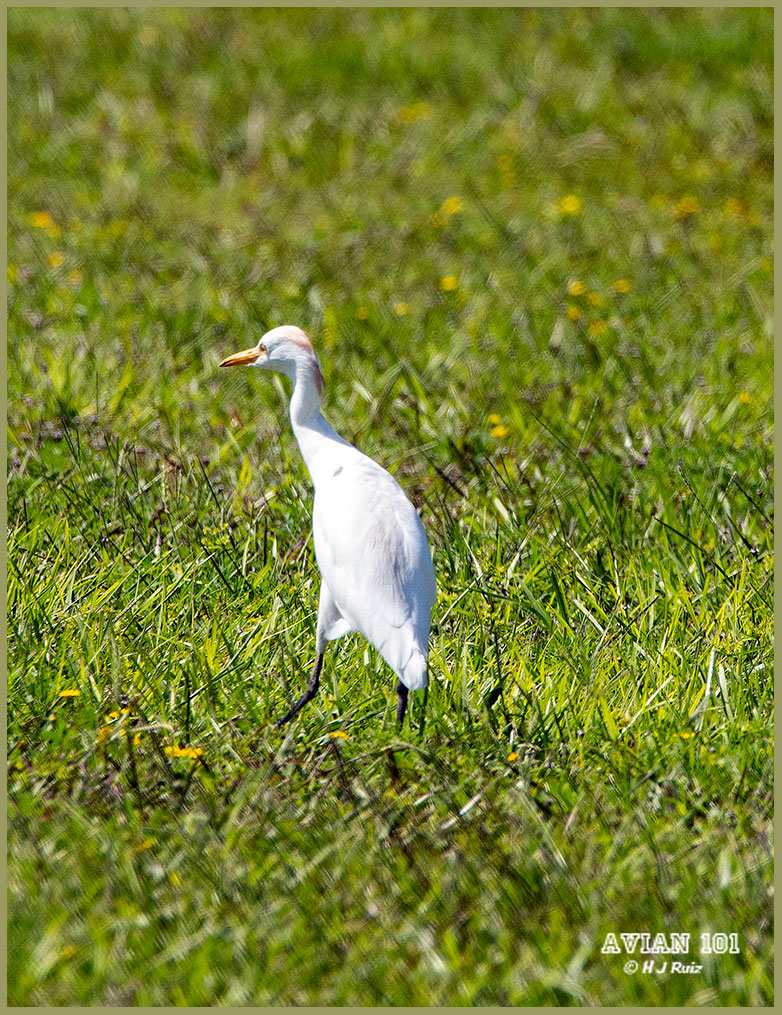
Cattle Egret
The Cattle Egret (Bubulcus ibis) is a cosmopolitan species of heron (family Ardeidae) found in the tropics, subtropics, and warm-temperate zones. It is the only member of the monotypic genus Bubulcus, although some authorities regard its two subspecies as full species, the western cattle egret and the eastern cattle egret. Despite the similarities in plumage to the egrets of the genus Egretta, it is more closely related to the herons of Ardea. Originally native to parts of Asia, Africa, and Europe, it has undergone a rapid expansion in its distribution and successfully colonised much of the rest of the world in the last century. The cattle egret is a stocky heron with an 88–96 cm (34.5-36in) wingspan it is 46-56 cm (18-22 in) long and weighs 270-512 g (9.5-18 0z).
It has a relatively short, thick neck, a sturdy bill, and a hunched posture. The nonbreeding adult has mainly white plumage, a yellow bill, and greyish-yellow legs. During the breeding season, adults of the nominate western subspecies develop orange-buff plumes on the back, breast, and crown, and the bill, legs, and irises become bright red for a brief period prior to pairing. The sexes are similar, but the male is marginally larger and has slightly longer breeding plumes than the female; juvenile birds lack colored plumes and have a black bill.
Photo Gallery


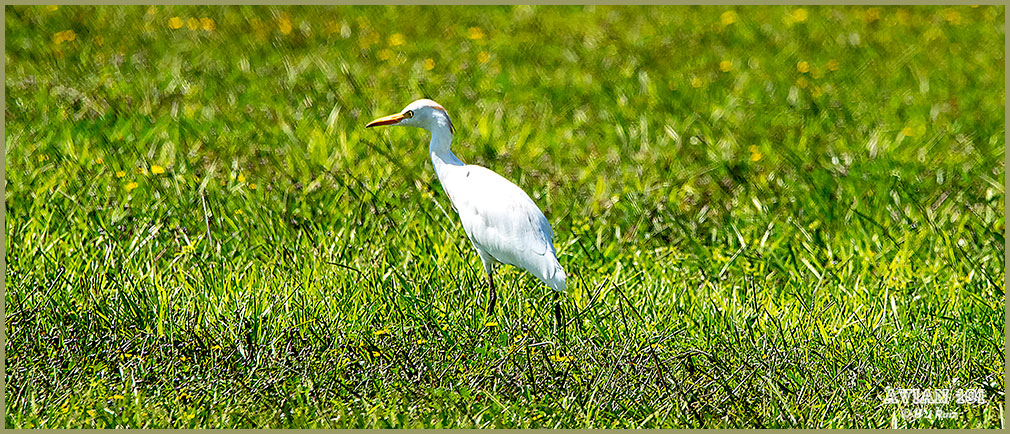
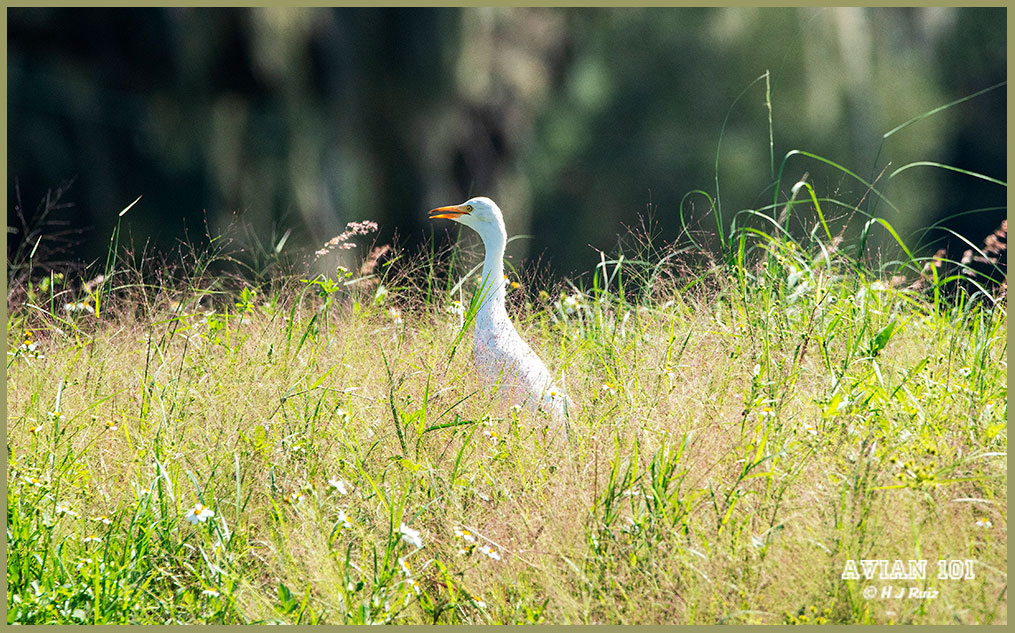
HJ Ruiz – November 4th, 2023
Share this:


Read Past Reviews

Book # 69

Quote from the Author
“A good chuckle is healthy, it helps you break the monotony of a serious life.” ~ H.J. Ruiz
 H.J. Ruiz - Avian101
You must be logged in to post a comment.