
Sanderling
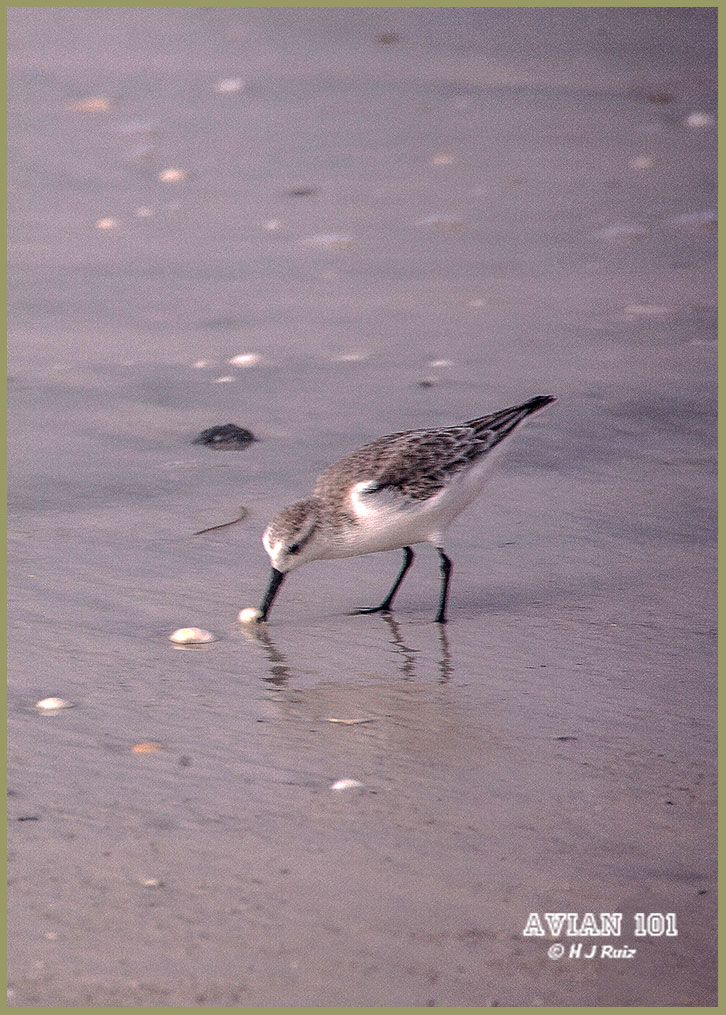
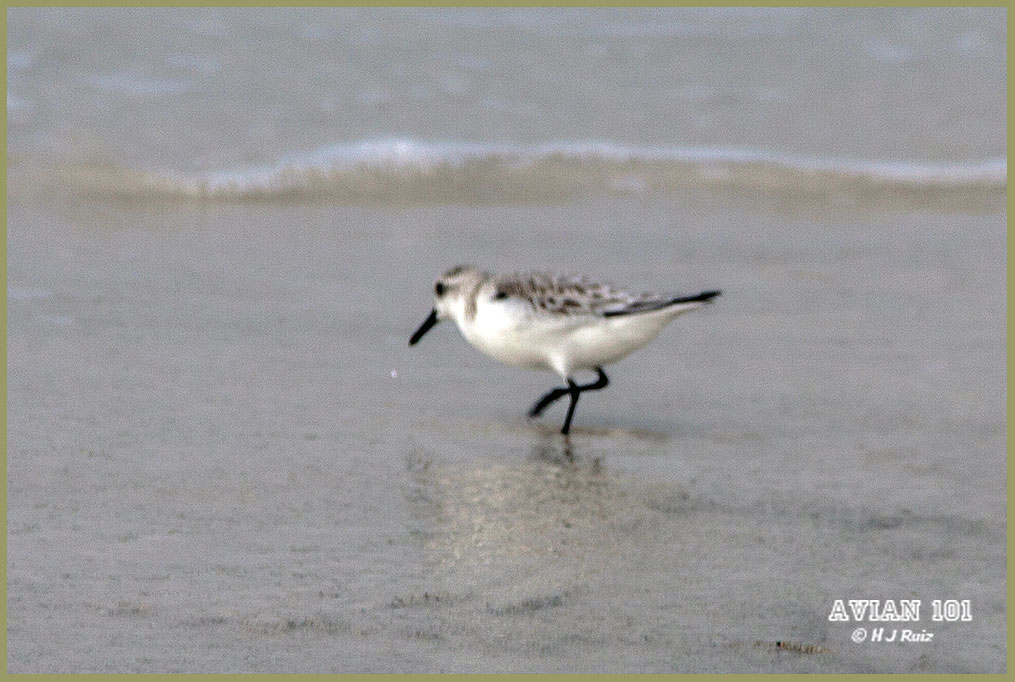
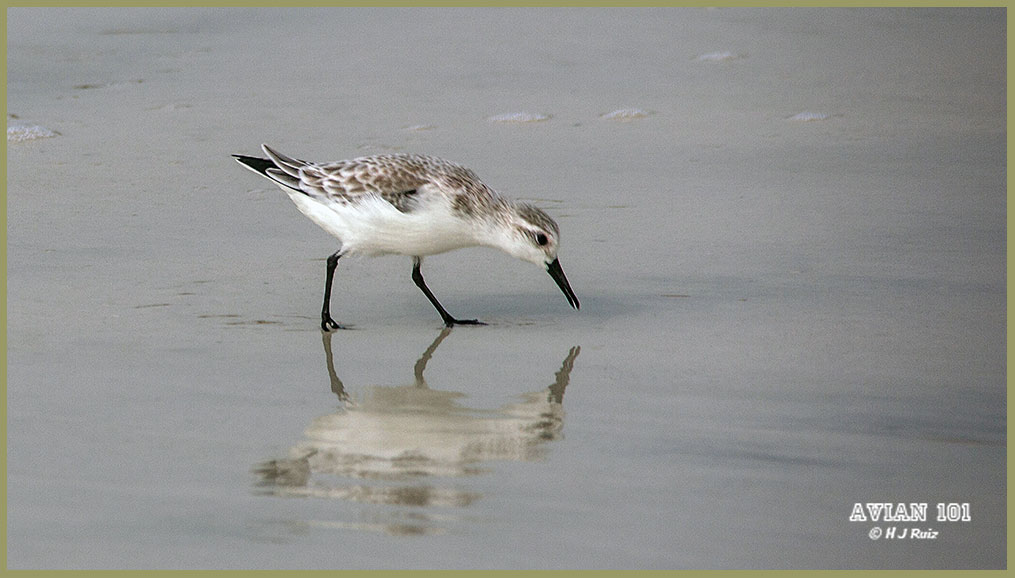
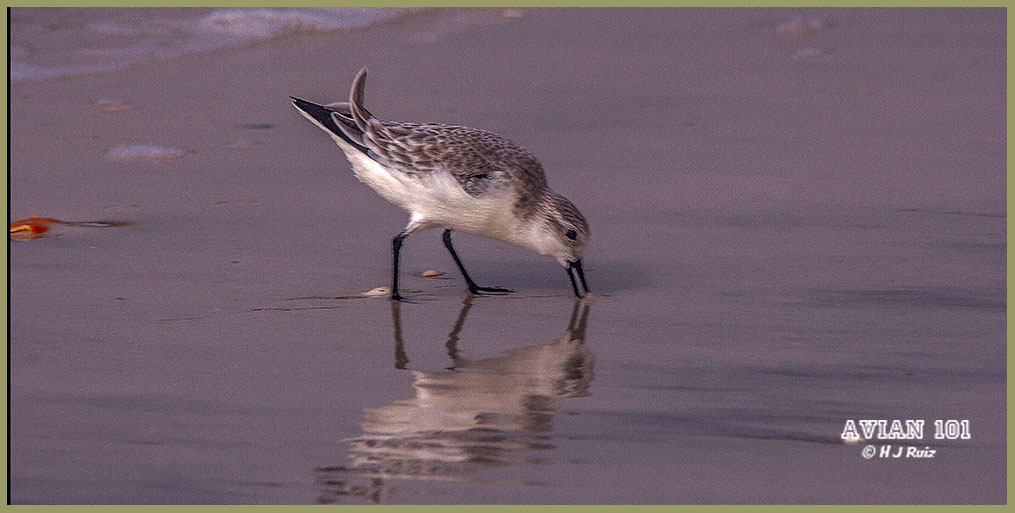
The Sanderling (Calidris alba) is a small wading bird. The name derives from Old English sand-yrðling, “sand-ploughman”. The genus name is from Ancient Greek kalidris or skalidris, a term used by Aristotle for some grey-coloured waterside birds. The specific, alba, is Latin for “white”. It is a circumpolar Arctic breeder, and is a long-distance migrant, wintering south to South America, South Europe, Africa, and Australia. It is highly gregarious in winter, sometimes forming large flocks on coastal mudflats or sandy beaches. It is somewhat unlike other sandpipers in appearance, which has led to the suggestion that it should be placed into a monotypic genus Crocethia. A more recent review (Thomas et al., 2004) indicates, however, that the sanderling is a fairly typical “stint” or small sandpiper and should be separated from the large knots with its closest relatives in a distinct genus. The sanderling is a small plump sandpiper, 18–20 cm (7.1–7.9 in) in length. Its weight ranges from 40–100 g (1.4–3.5 oz). The winter bird is very pale, almost white apart from a dark shoulder patch. This is the source of the specific name, alba, which is the Latin for “white”. Later in the summer, the face and throat become brick-red. The juvenile bird is spangled black and white, and shows much more contrast than the adult.
Photo Gallery
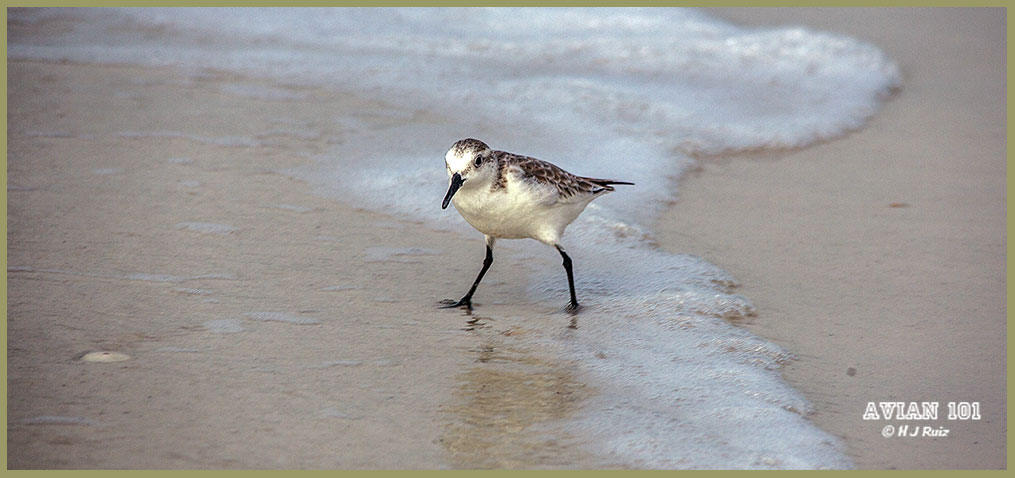
HJ Ruiz – October 29th, 2023
Share this:

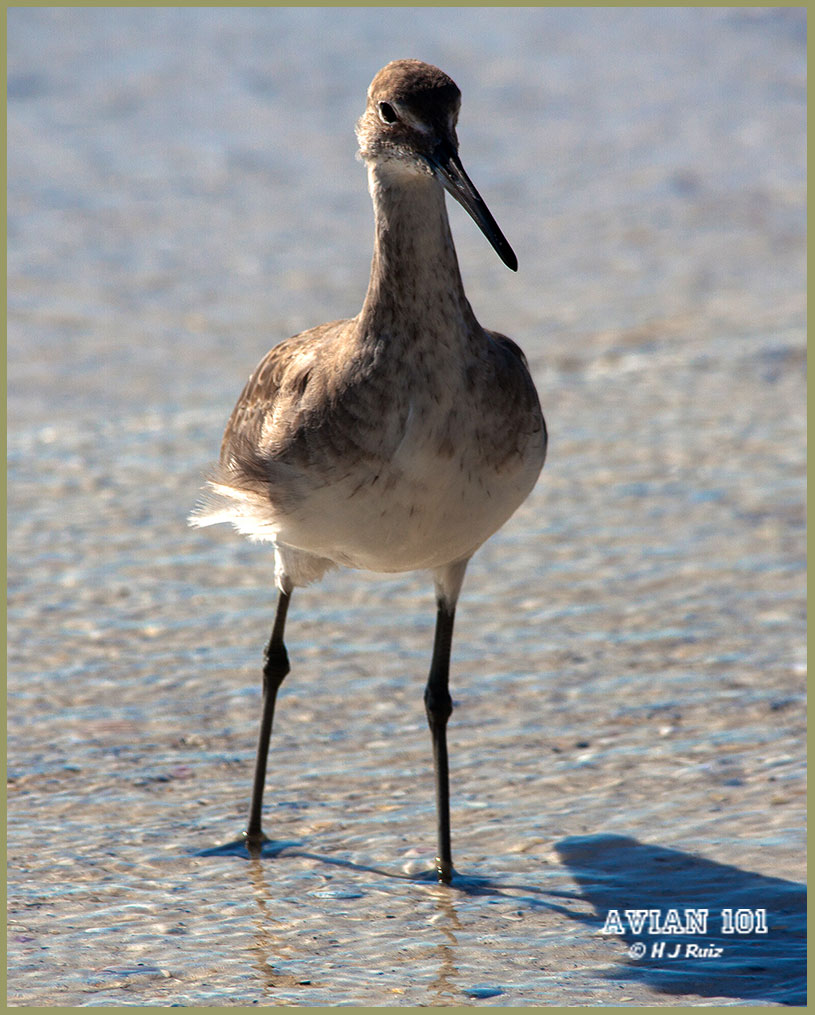
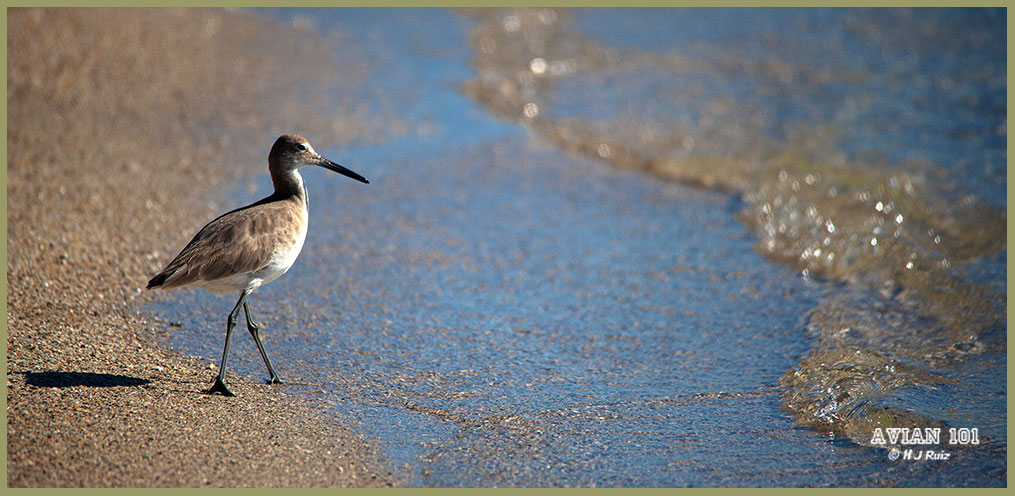
Willet
The Willet (Tringa semipalmata) is a large shorebird in the family Scolopacidae. It is a relatively large and robust sandpiper, and is the largest of the species called “shanks” in the genus Tringa. Its closest relative is the lesser yellowlegs, a much smaller bird with a very different appearance apart from the fine, clear, and dense pattern of the neck, which both species show in breeding plumage. It breeds in North America and the West Indies and winters in southern North America, Central America, the West Indies and South America. The willet is an inelegant and heavily built shorebird with a structure similar to that of the common redshank but being larger in size than the greater yellowlegs while resembling a godwit in flight with black primary coverts and primaries contrasting with a broad white band, white secondaries with a white rump and gray tail band. With its reclassification into the Tringa genus, it stands as the largest species in this prominent sandpiper genus. It is 31–41 cm (12–16 in) in overall length and weighs 200–330 g (7.1–11.6 oz). The sexes are similar in plumage but the female is slightly larger.
Photo Gallery
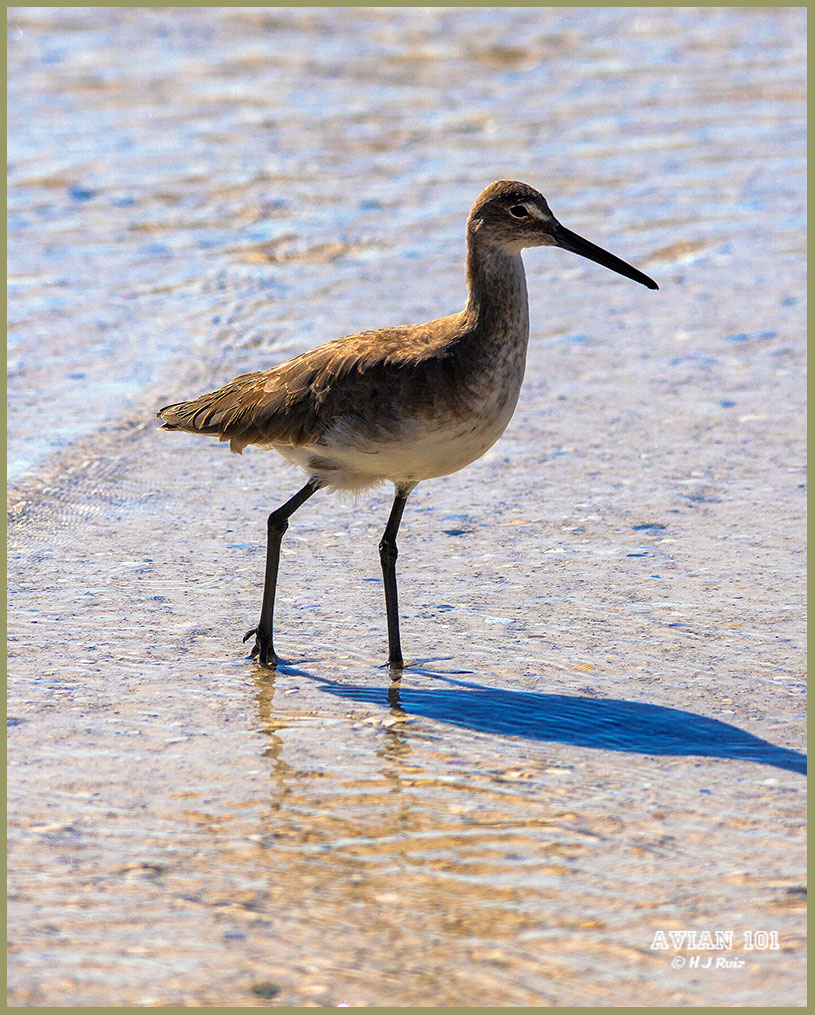

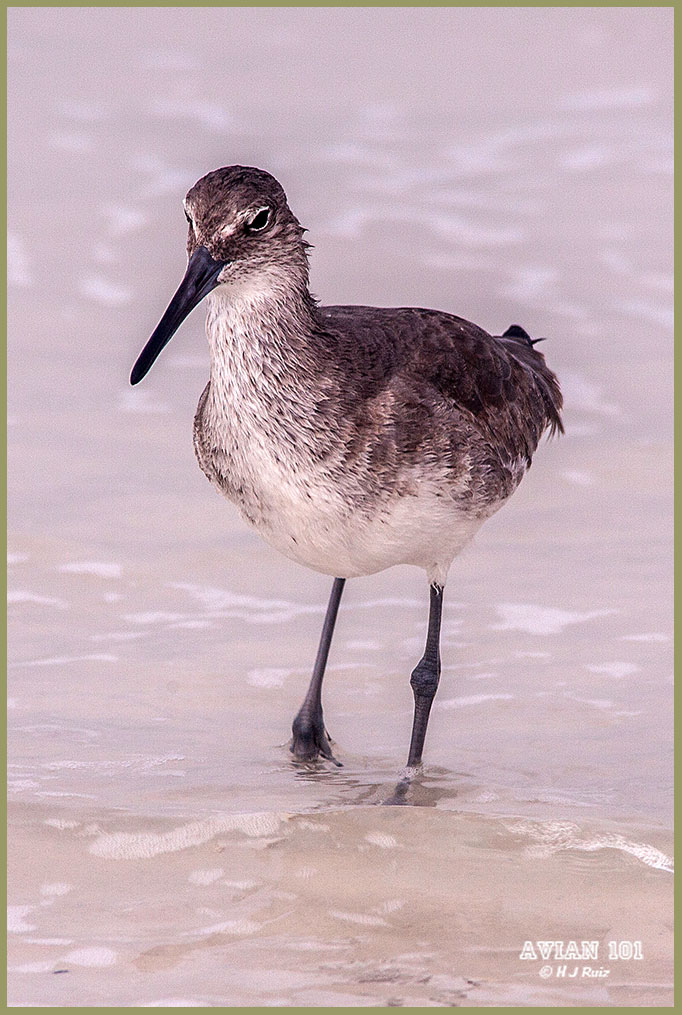
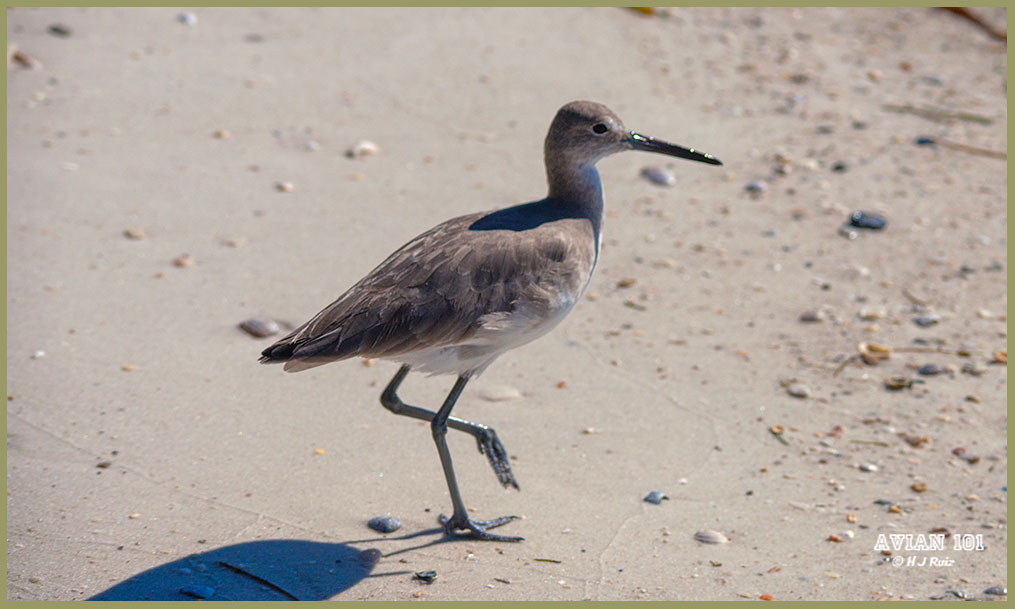
HJ Ruiz – October 27th, 2023
Share this:

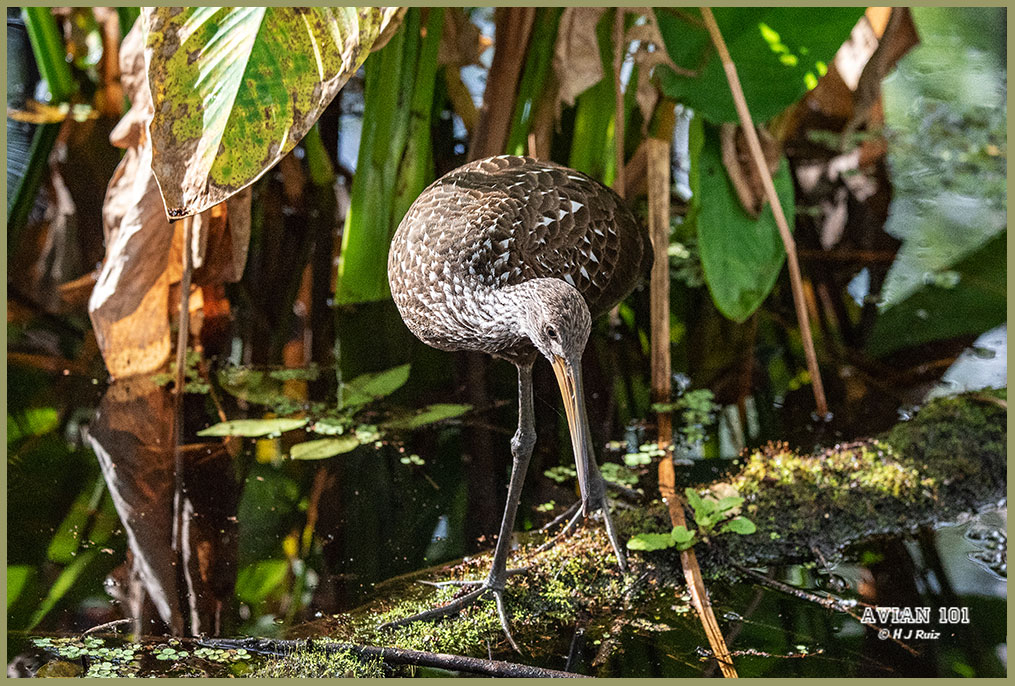
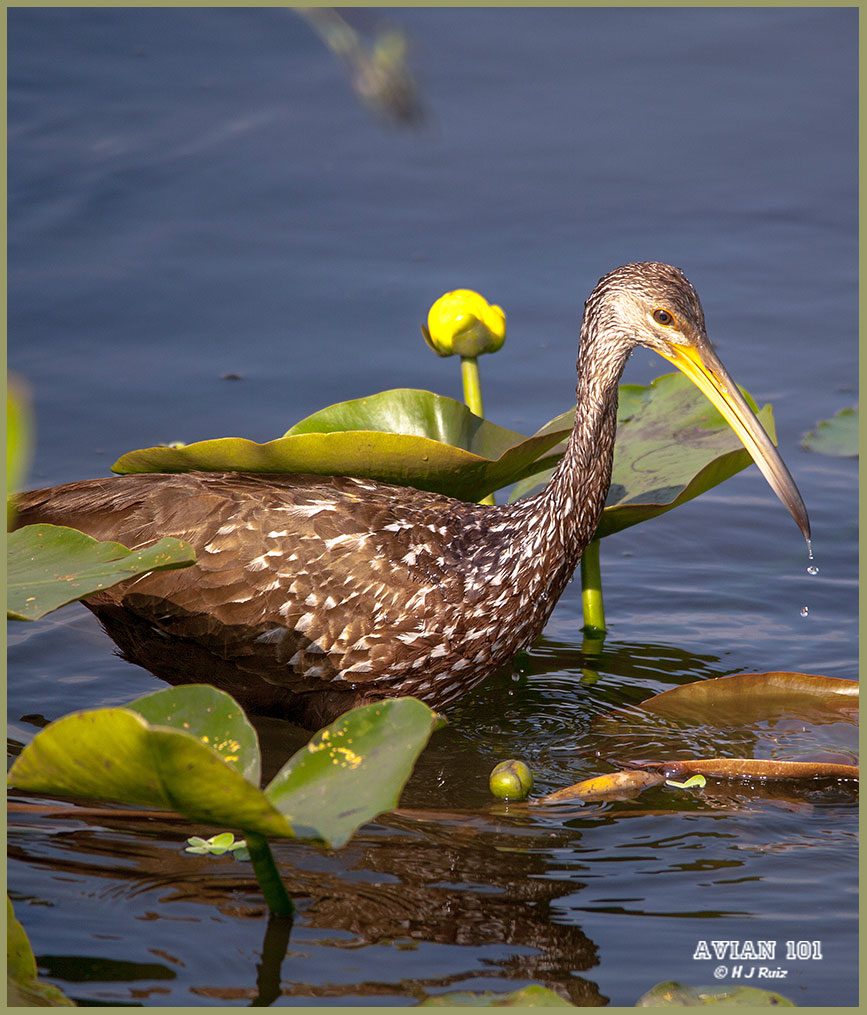
Limpkin
The Limpkin (Aramus guarauna), also called carrao, courlan, and crying bird, is a large wading bird related to rails and cranes, and the only extant species in the family Aramidae. It is found mostly in wetlands in warm parts of the Americas, from Florida to northern Argentina, but has been spotted as far north as Wisconsin. It feeds on molluscs, with the diet dominated by apple snails of the genus Pomacea. Its name derives from its seeming limp when it walks. The limpkin is a somewhat large bird, 64–73 cm (25–29 in) long, with a wingspan of 101–107 cm (40–42 in). Body mass ranges from 900 to 1,300 g (2.0 to 2.9 lb), averaging 1,080 g (2.38 lb). The males are slightly larger than the females in size, but no difference in plumage is seen. Its plumage is drab—dark brown with an olive luster above. The feathers of the head, neck, wing coverts, and much of the back and underparts (except the rear) are marked with white, making the body look streaked and the head and neck light gray. It has long, dark-gray legs and a long neck. Its bill is long, heavy, and downcurved, yellowish bill with a darker tip.
Photo Gallery
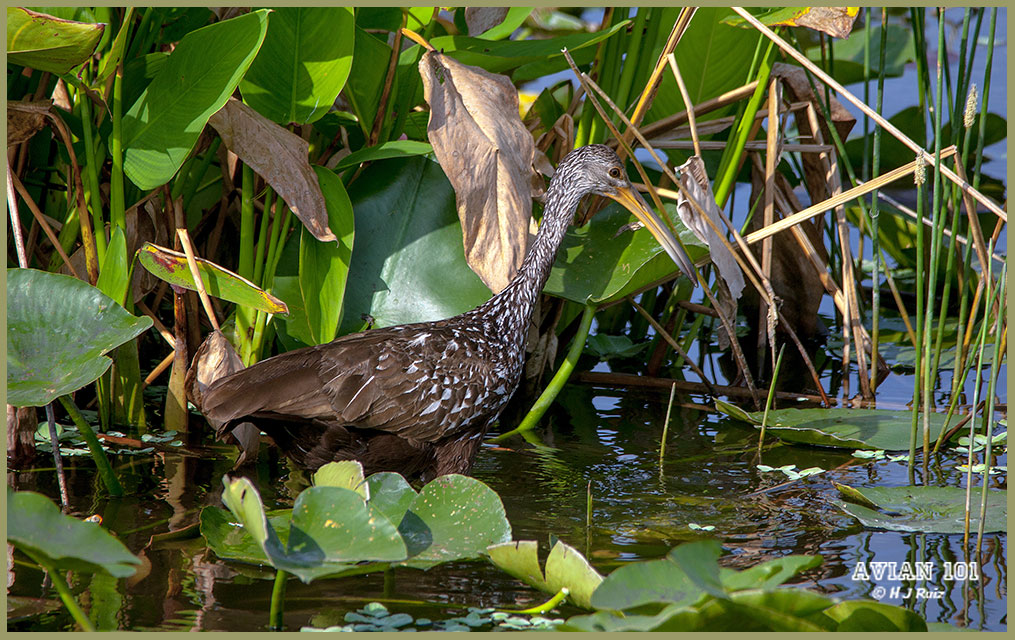

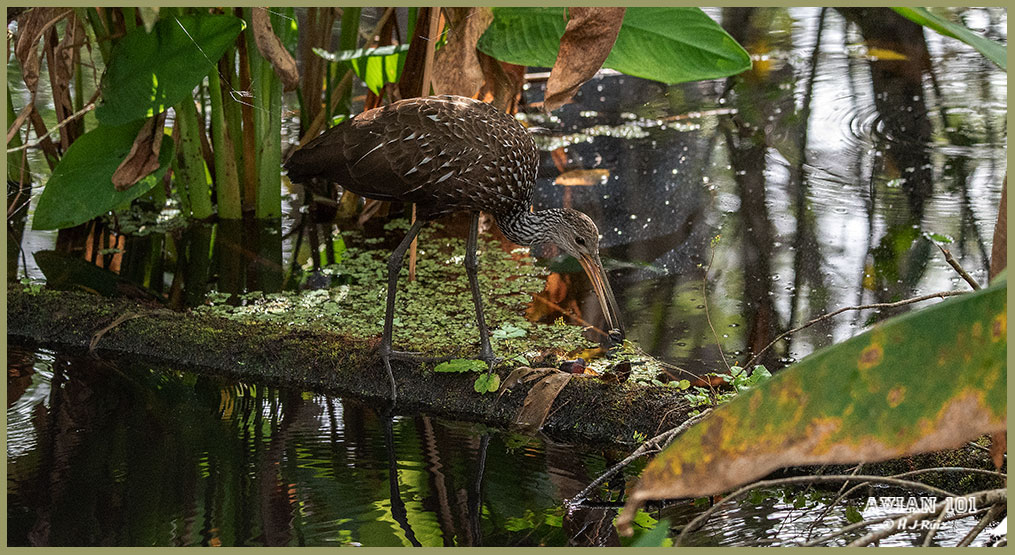
HJ Ruiz – October 26th, 2023
Share this:

Variety of Birds Species – Photography # 3

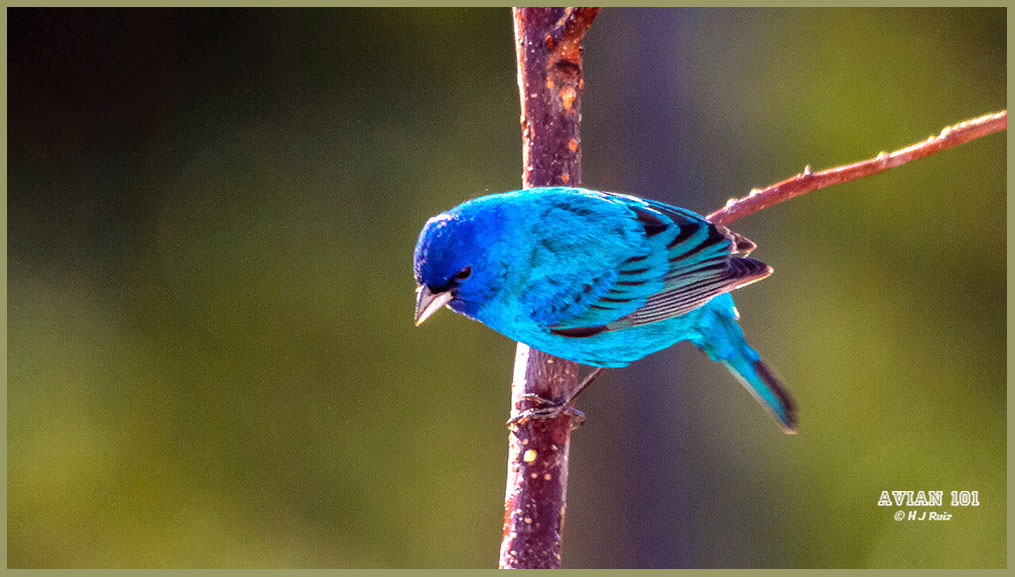
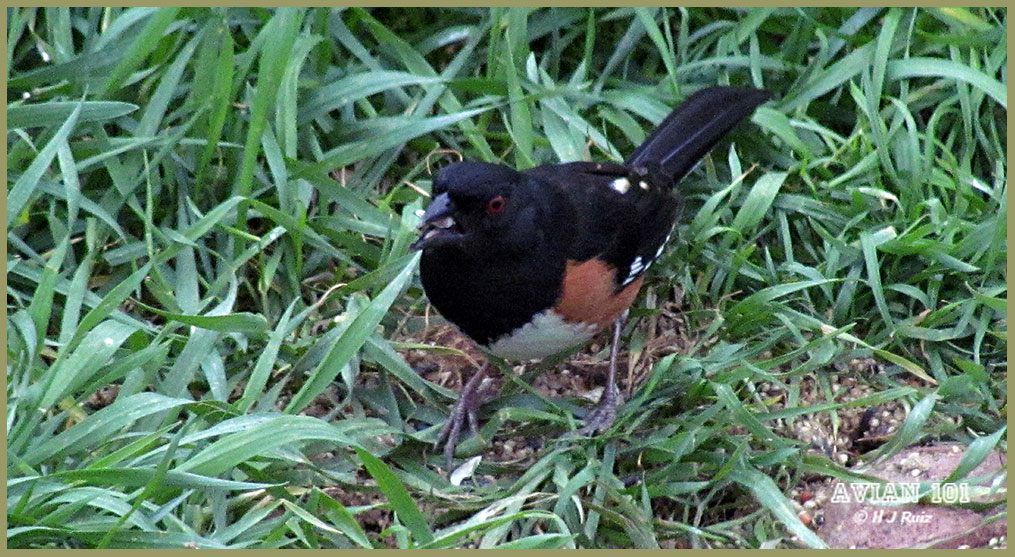
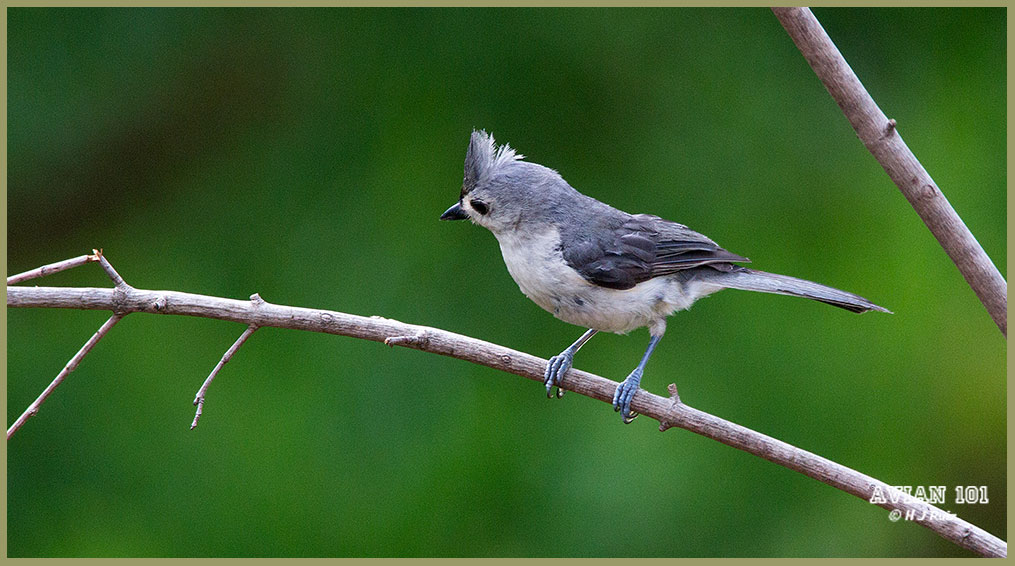
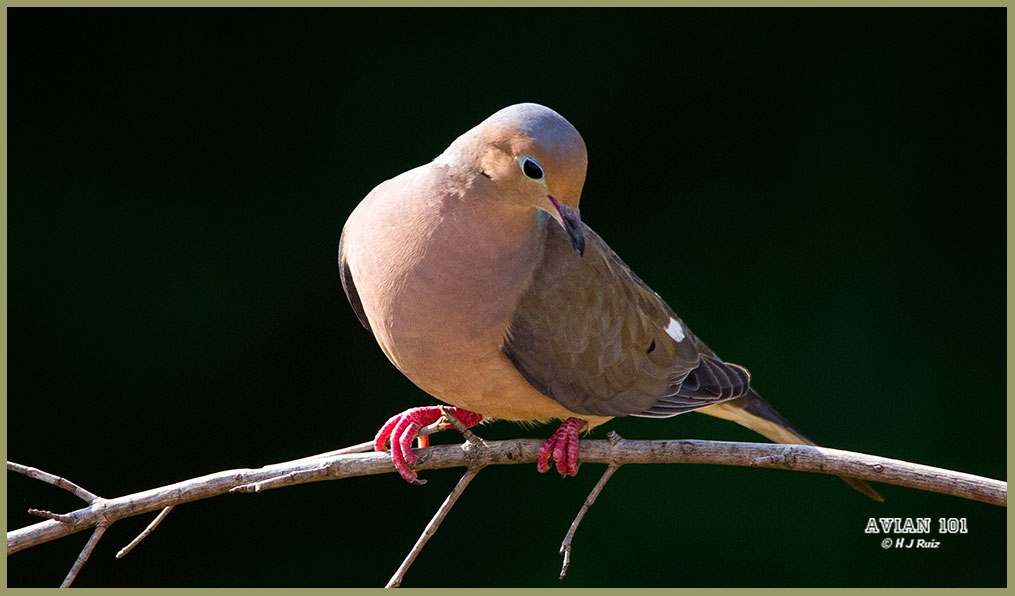
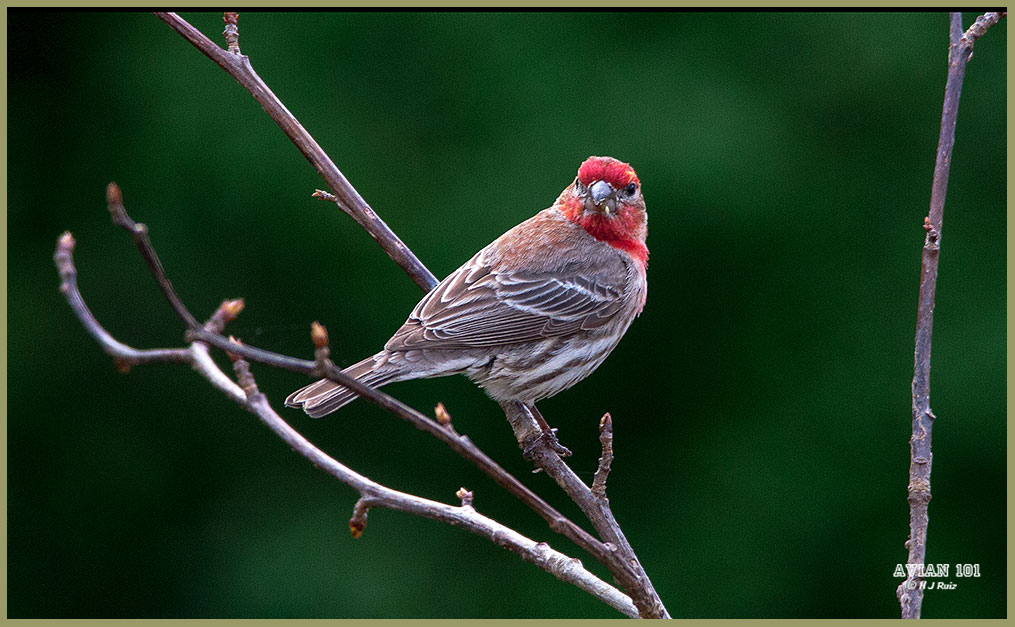
1 – Red winged Blackbird (Female)
2 – Indigo Bunting.( Male)
3 – Eastern Towhee (Male)
4 – Tufted Titmouse
5 – Mourning Dove
6 – House Finch (Male)
HJ Ruiz – October 24th, 2023
Share this:

Read Past Reviews

Book # 69
Quote from the Author
“A good chuckle is healthy, it helps you break the monotony of a serious life.” ~ H.J. Ruiz
 H.J. Ruiz - Avian101
You must be logged in to post a comment.