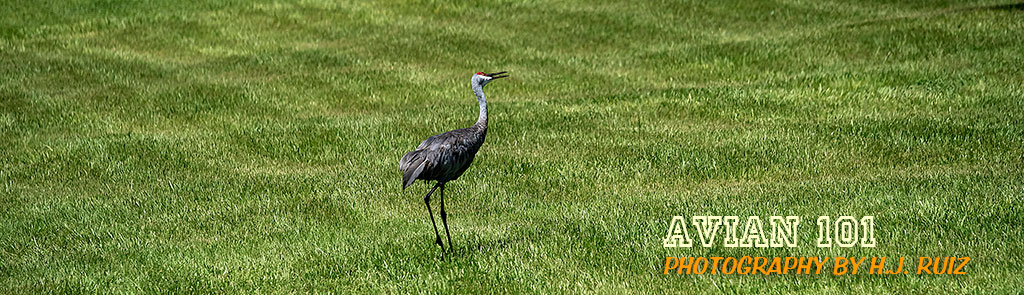
New Year’s Resolutions
I’m happy that I had a good review of my Avian101 blog by the courtesy of WordPress. I don’t want to show it because it would not serve any purpose to anyone but me. I do not want to compete with my friends neither am looking for fame.
If I now that I’m doing my best to help others and mainly to help the cause of preserving wildlife especially avifauna, that also makes me happy. As you may have already noticed I’m not a writer but I don’t care, it’s not going to prevent me from conveying my messages to my readers. I promise to be brief and more concise on my articles. 🙂
As long as I can continue shooting pictures I’m totally satisfied with the progress of my prime directive and it’s also my New Year’s resolution for 2012. I will try my very best to have this Blog earn enough merit to become a worthy place to find good photography, relevant information and to be a point of reunion for a bunch of good friends sharing ideas or comments.
Thank you very much to all my visitors, all your comments are appreciated and answered. My ears and eyes are always open to any suggestions or new ideas.
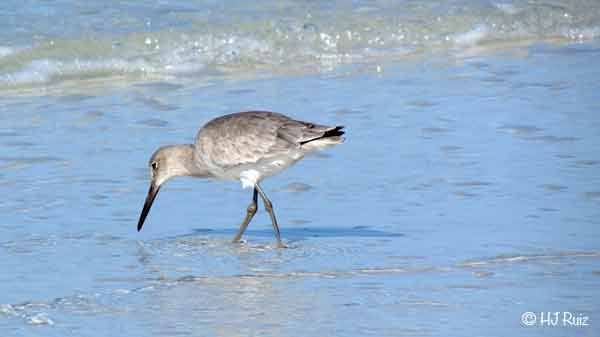
Willet - Bradenton Beach, Fl.
Canon SX30Si – f/ 7.1 – 1/400 – ISO 80
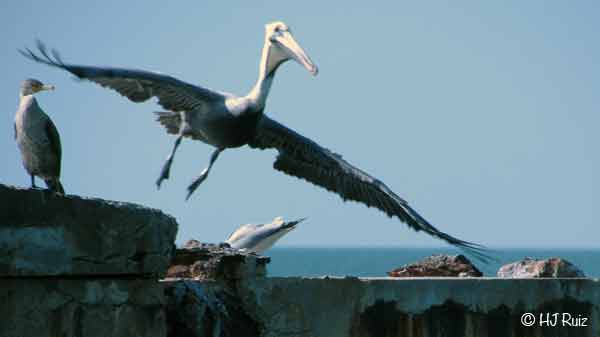
Brown Pelican about to land - Bradenton Beach, Fl.
Canon SX30SI – f/ 6.3 – 1/400 – ISO 100
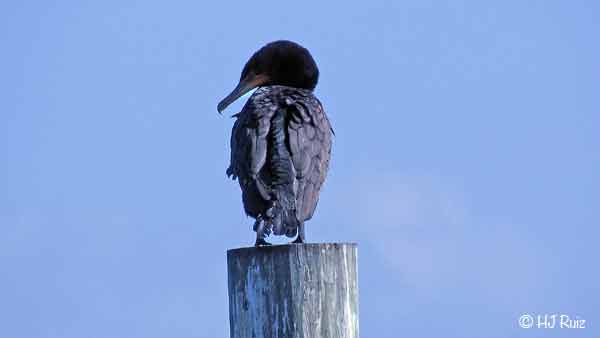
Neotropic Cormorant - Bradenton Sound
Canon SX30SI – f/ 5.8 – 1/ 500 – ISO 80
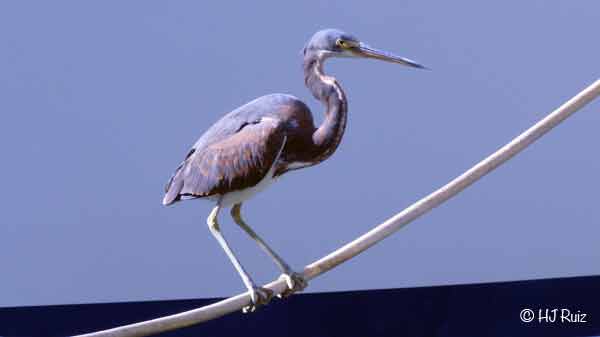
Tricolored Heron - Sarasota Bay, FL
Canon SX30SI – f/ 7.1 – 1/250 – ISO 250
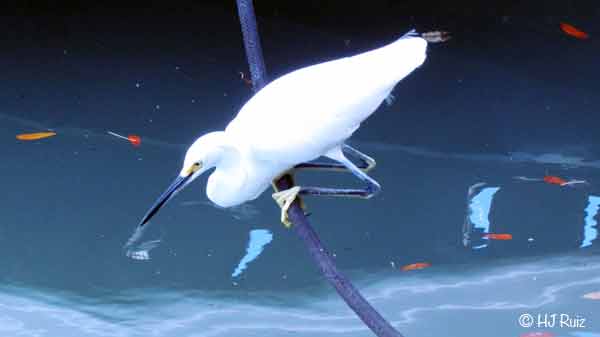
Snowy Egret - Sarasota Bay, FL
Canon SX30SI – f/ 7.1 – 1/ 80 – ISO 400
All photographs are © H.J. Ruiz – Avian 101
Share this:

Blackbirds Falling from the Sky…Again!
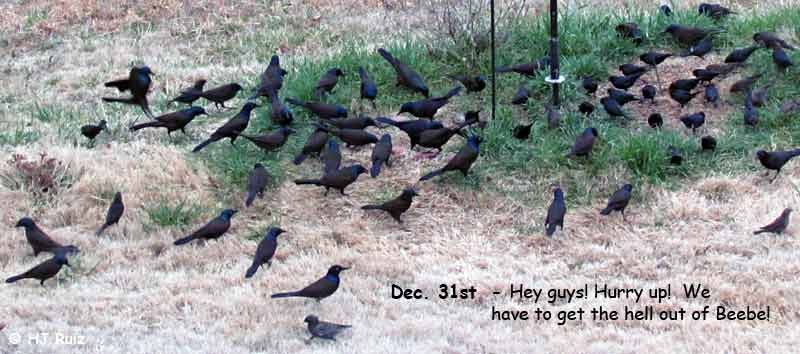
Once again the town of Beebe (Arkansas) relives the “not so weird” news of thousands of blackbirds falling from the sky dead after the fireworks for the celebration of the New Year’ Eve…
What are the chances of this event happening again on the same day? The area is known for being the habitat of a large population of blackbirds which roost locally.
My opinion on this matter is as follow: The sound waves and high pressure caused by the blasting fireworks most likely are strong enough to damage the birds inner ears and devoid them of orientation as well as of mobility and they simply drop to their imminent death. An analogy to a jet plane’s engine stalling and shutting down, this would result in a dramatic and sudden drop from the sky in very similar way to what might have happened to the blackbirds in question.
My suggestion would simply be to change the location or not have any fireworks for one New Year’s Eve and then see what the result would be. That’s my Memo!
Excerpt from Huff Post Weird News
“Thousands of dead blackbirds rained down on a town in central Arkansas last New Year’s Eve after revelers set off fireworks that spooked them from their roost, and officials were reporting a similar occurrence Saturday as 2012 approached.
Police in Beebe said dozens of blackbirds had fallen dead, prompting officers to ban residents from shooting fireworks Saturday night. It wasn’t immediately clear if fireworks were again to blame, but authorities weren’t taking a chance.
Officer John Weeks said the first reports of “birds on the streets” came around 7 p.m. as residents celebrated the year’s end with fireworks in their neighborhoods.
“We started shutting down fireworks,” he said. “We’re working on cleaning up the birds now.”
He said police were working with animal control workers and others to remove the birds and determine a death count.
“We’re not sure if they’re going to continue to fall throughout the night. I can’t tell you,” Weeks said.
Scientists say the loud cracks and booms from celebratory fireworks likely sent the birds into such a tizzy that they crashed into homes, cars and each other before plummeting to their deaths last New Year’s Eve. The birds landed on roofs, sidewalks, streets and fields. One struck a woman walking her dog. Another hit a police cruiser.
The blackbird die-off, coupled with tens of thousands of dead drum fish that washed up on the shores of the Arkansas River, flung the state into the national headlines and drew conspiracy theorists and filmmakers to the town about 30 miles northeast of Little Rock that shares Arkansas Gov. Mike Beebe’s last name.
Some people speculated that the birds had been poisoned; others said their deaths marked the beginning of the apocalypse.”
🙂
Partial text and photograph © H.J. Ruiz – Avian 101
Excerpt from Huff Post Weird News
Share this:

Kentucky Warbler Portrait – Video
Let’s see and hear this gorgeous warbler in video shot by © Lang Elliott
Share this:

Tennessee had an Unusual Asian Visitor this Week
A rare Asian Hooded Crane – Spec. Name: Grus monacha, normally seen only in southeast Asia, China and Japan, apparently “took a wrong turn” and has joined sandhill cranes wintering at the Hiwassee Refuge in southeast Tennessee, bird experts say, drawing flocks of curious birdwatchers along with it.

Asian Hooded Crane - © Public Record
“It’s a great thrill,” said Melinda Welton, conservation chair for the Tennessee Ornithological Society and a bird migration researcher. “People are coming in from all over the country to see this bird.”
Ms Welton said local birdwatcher Charles Murray has been keeping a log of visitors to the town of Birchwood, near the Tennessee Wildlife Resources Agency refuge.
“He has had more than 700 people come and visit from all over the country to see this bird,” she said. “People have come from 26 states and from two countries, including Russia.”
The bird has been seen every day since mid-December, when the sandhill cranes arrived for their winter residency at the refuge.
Ms Welton said this particular type of crane “nests in southernRussia and northern China and winters in Japan.”
The TWRA said in a release that more than 8,000 of the hooded cranes – approximately 80 per cent of the world’s population of the species – winter on the Japanese island of Kyushu. It is unlikely that the bird escaped from captivity, Ms Welton said, since there are no bands or other markings. Instead she said it’s probably a happy freak occurrence that brought it to Tennessee.
“There have been other records of birds that take a wrong turn,” she said. “And now that he’s on the North Americancontinent, it looks like he’s associating with his closest relatives.”
In addition to the Asian crane and the flock of sandhills, whooping cranes are wintering at the refuge.
“This is the highlight of the century for southeast Tennessee,” said local birder Tommie Rogers.
“Likely there have never been three different crane species visible in the wild east of the Mississippi River before.”
Recopied from The Telegraph
Share this:


Read Past Reviews

Book # 69

Quote from the Author
“A good chuckle is healthy, it helps you break the monotony of a serious life.” ~ H.J. Ruiz


You must be logged in to post a comment.