Photo Gallery
This post is more of a photo gallery of birds that I photographed during my last trip to Peru.
I believe that I’ve written about my stay in Peru, being busy with other important things and despite being in different places, I didn’t have the opportunity to use my camera, some others I had to follow protocol as a guest, no pictures.
On my free time I went to several places in the coastal areas where I found many seabirds. The whole country was under weather distress caused by El Nino phenomena. At the time the temperature was high in most areas of the coast besides they were deep in a drought. In the highlands of the Andes it was the total opposite, being under torrential downpours, causing tremendous damage to cattle farms, agricultural lands, mining, etc. These also includes, devastating highways, destroying bridges, dams, not only by flooding but mudslides. And of course the loss of human lives.
The bird population and migration had somehow changed, especially for many seabirds and this really called my attention.
Today’s gallery is a partial one, I will be posting more photos latter on the week.
Photo Gallery


© HJ Ruiz – Avian101
Share this:

Portraits of Birds
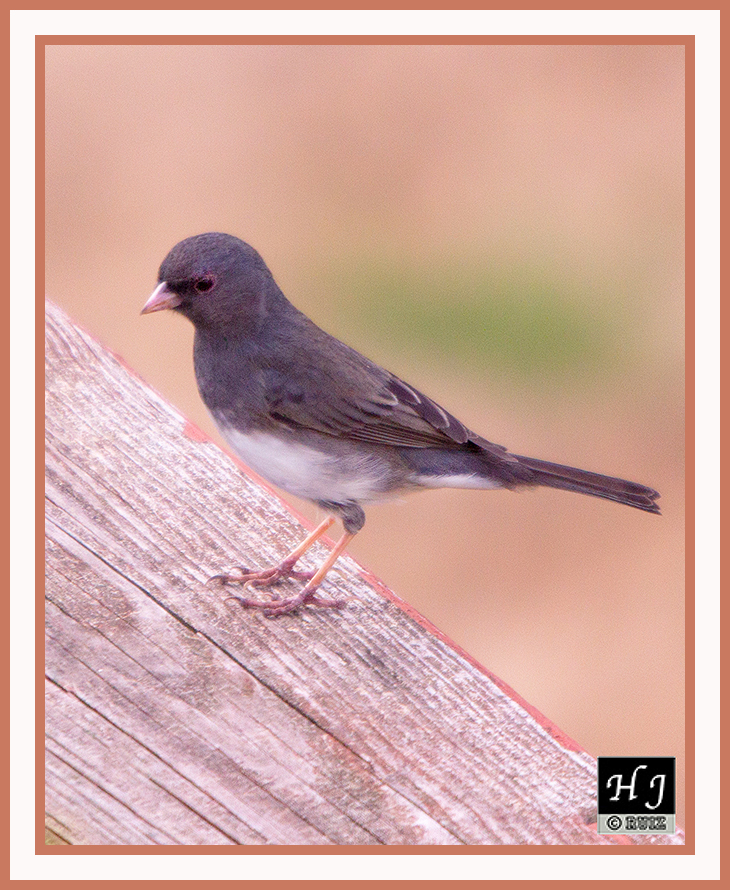
DARK-EYED JUNCO — JUNCO HYEMALIS
© HJ Ruiz
Share this:

Close Friends
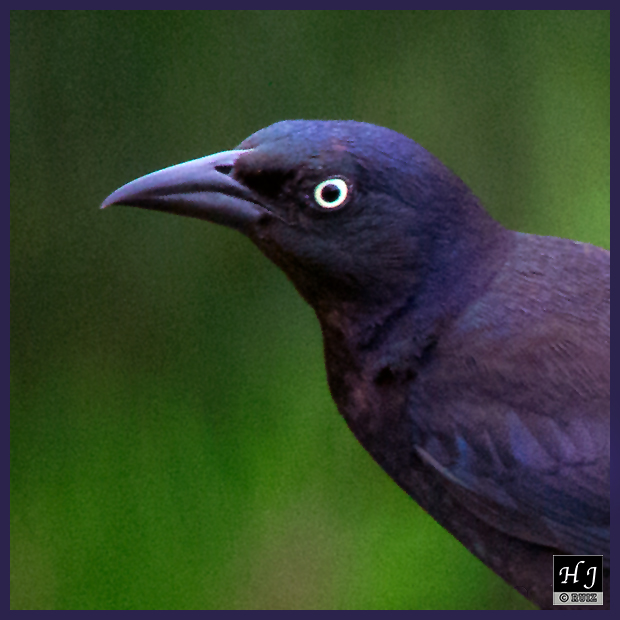
Common Grackle (M)
© HJ Ruiz – Avian101
Share this:

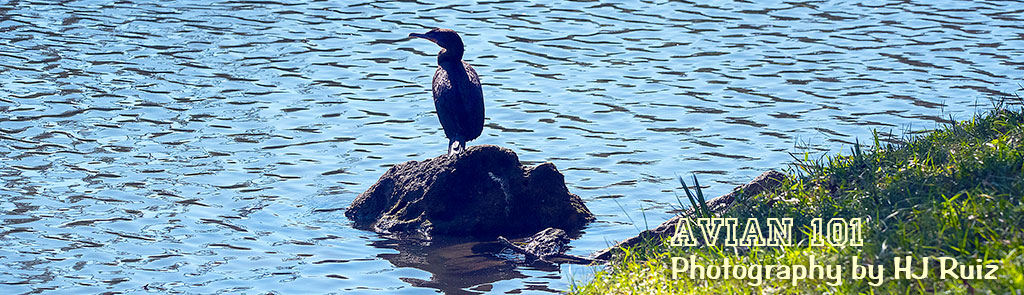
Neotropic Cormorant
One bird that I saw quite often while being in Peru coast and ponds nearby was the Neotropic Cormorant. These birds are excellent swimmers and divers. They love to hang out in groups as well as for fishing. Let me give you some more information from © Wikipedia:
The Neotropic Cormorant or olivaceous cormorant (Phalacrocorax brasilianus) is a medium-sized cormorant found throughout the American tropics and subtropics, from the middle Rio Grande and the Gulf and Californian coasts of the United States south through Mexico and Central America to southern South America, where he is called by the Indian name of “bigua”. It also breeds on the Bahamas, Cuba and Trinidad. It can be found both at coasts (including some mangrove areas) and on inland waters.
Its diet consists mainly of small fish, but will also eat tadpoles, frogs, and aquatic insects. Information about its prey is sparse, but inland birds seem to feed on small, abundant fish in ponds and sheltered inlets.
Photo Gallery


© HJ Ruiz – Avian101
Share this:

Read Past Reviews

Book # 69
Quote from the Author
“A good chuckle is healthy, it helps you break the monotony of a serious life.” ~ H.J. Ruiz


You must be logged in to post a comment.