
Royal Tern
The Royal Tern (Thalasseus maximus) is a tern in the family Laridae. The species is endemic to the Americas, though strays have been identified in Europe. This is a large tern, second only to the Caspian tern but is unlikely to be confused with the carrot-billed giant, which has extensive dark under-wing patches. The royal tern has an orange-red bill, pale grey upperparts, and white underparts. Its legs are black. In winter, the black cap becomes patchy. Juvenile royal terns are similar to non-breeding adults. Differences include juveniles having black splotched wings and a yellower bill. An adult royal tern has an average wingspan of 130 cm (51 in), for both sexes, but their wingspan can range from 125–135 cm (49–53 in). The royal tern’s length ranges from 45–50 cm (18–20 in) and their weight is anywhere from 350–450 g (12–16 oz). The calls of the royal tern are usually short, clear shrills. Some of the shrills sound like kree or tsirr; the royal tern also has a more plover-like whistle that is longer, rolling, and more melodious. In parts of its range, the royal tern could be confused with the elegant tern, but the elegant tern has a longer, more curved, bill and shows more white on the forehead in winter.
Photo Gallery
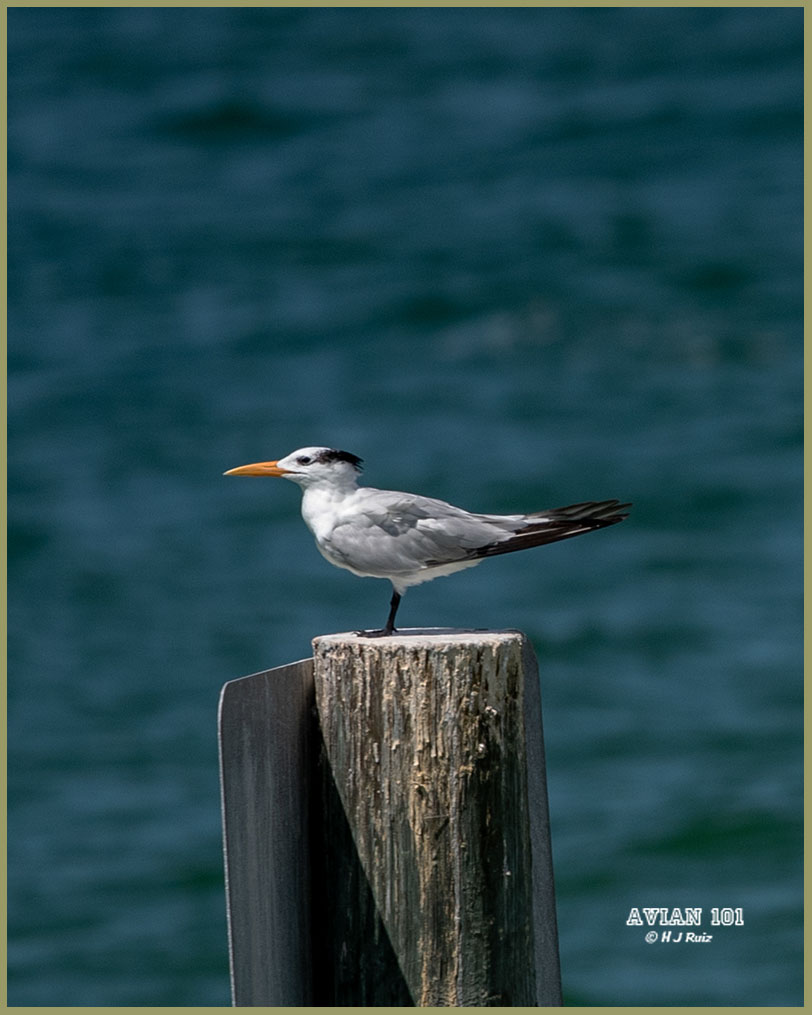





HJ Ruiz – December 1st, 2023
Share this:

Variety of Bird Species # 8
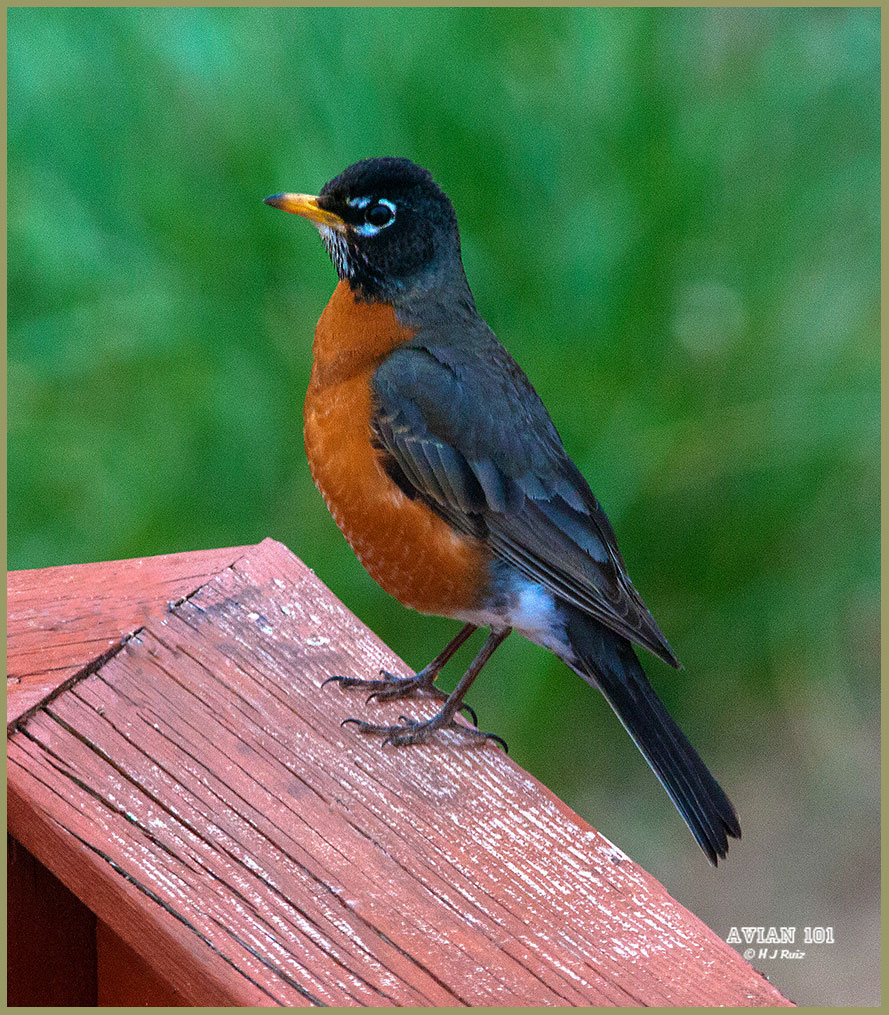
1 – American Robin
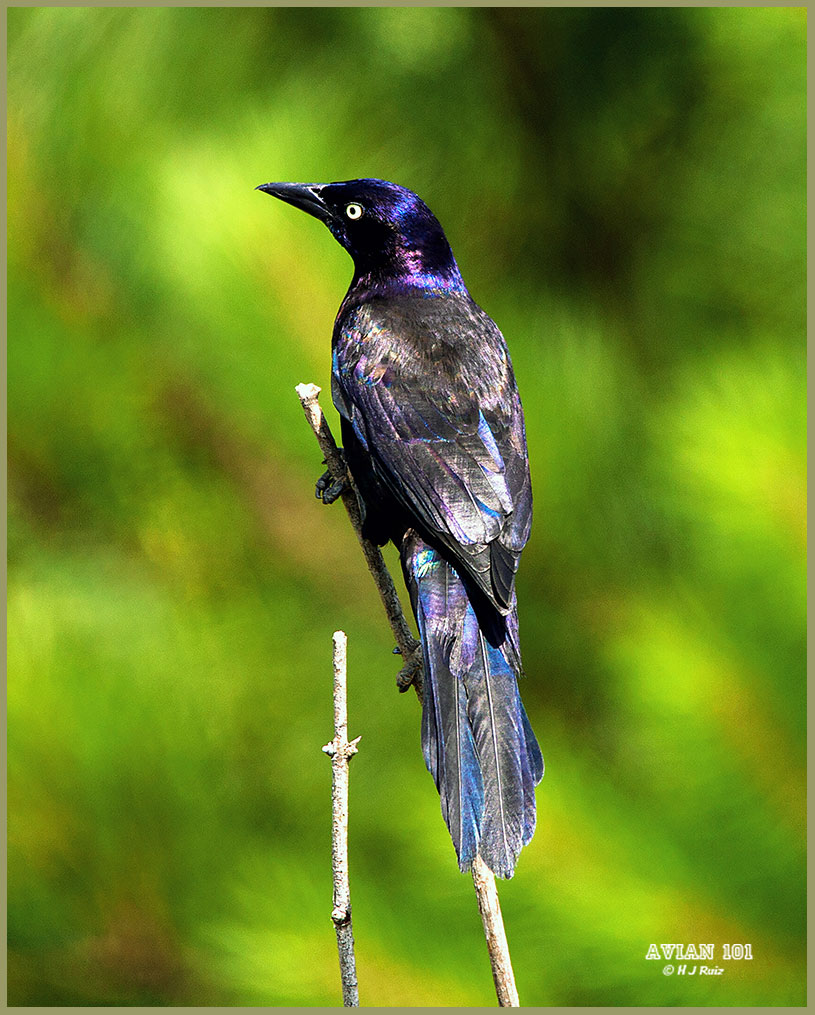
2 – Common Grackle (Adult male)
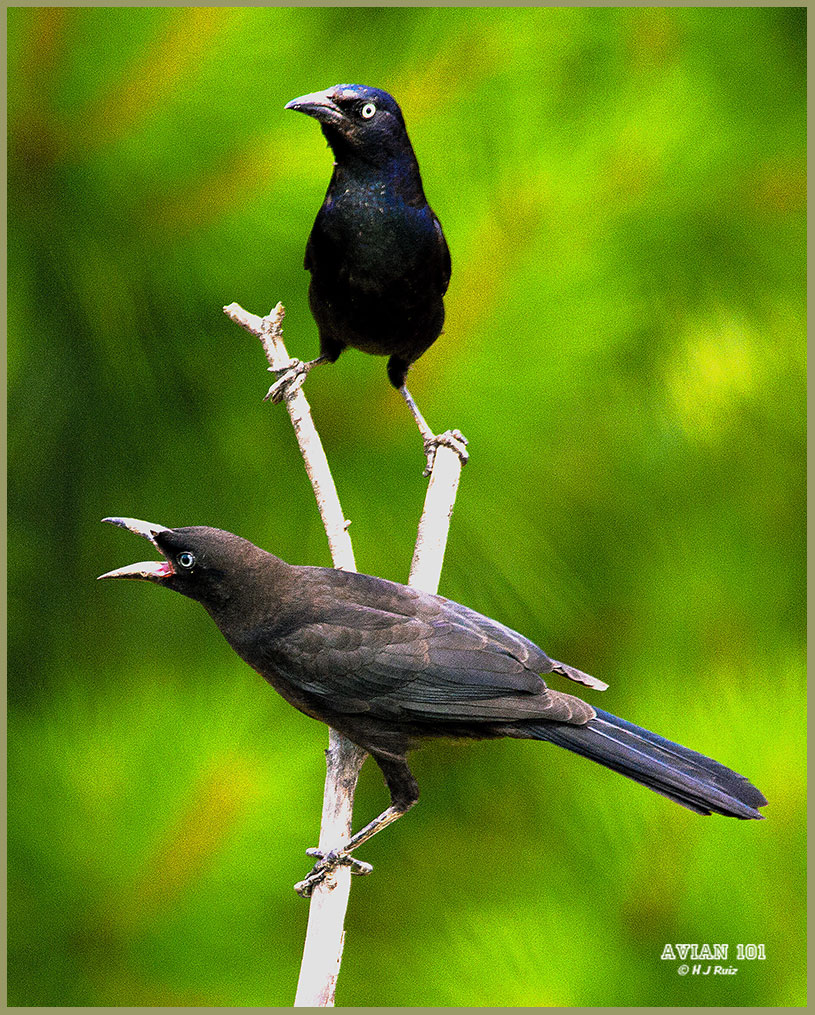
3 – Common Graces (Juveniles)
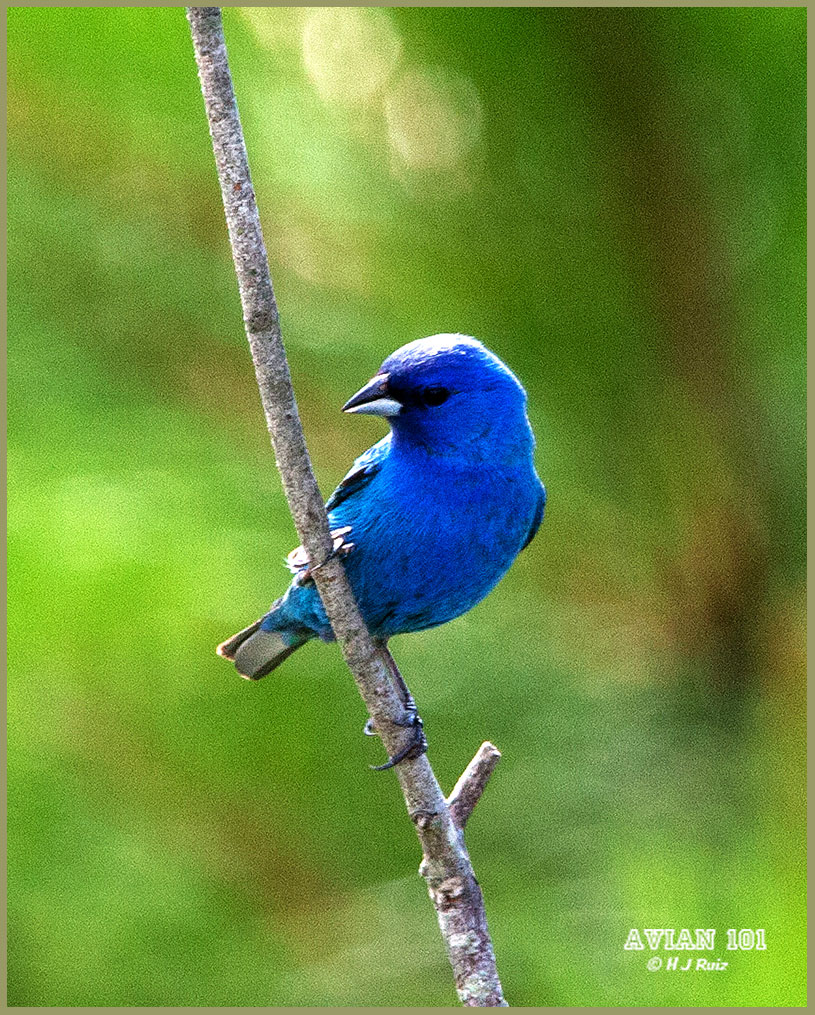
4 – Indigo Bunting (Male)
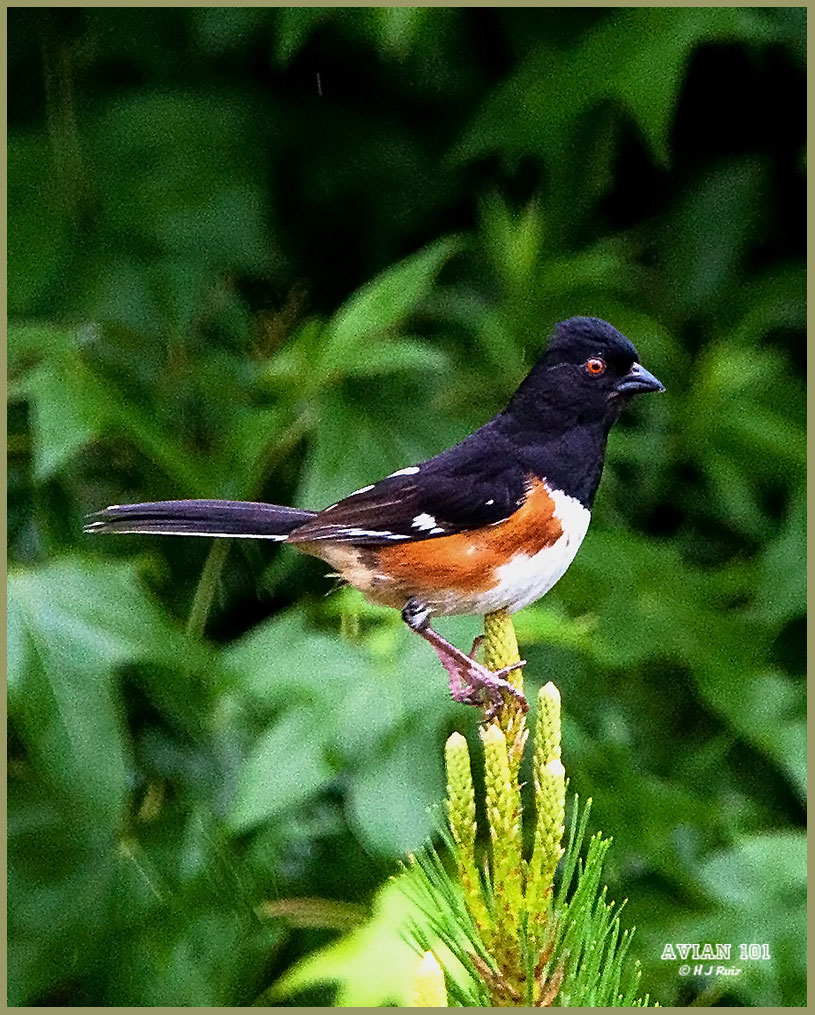
5 – Eastern Towhee (Male)
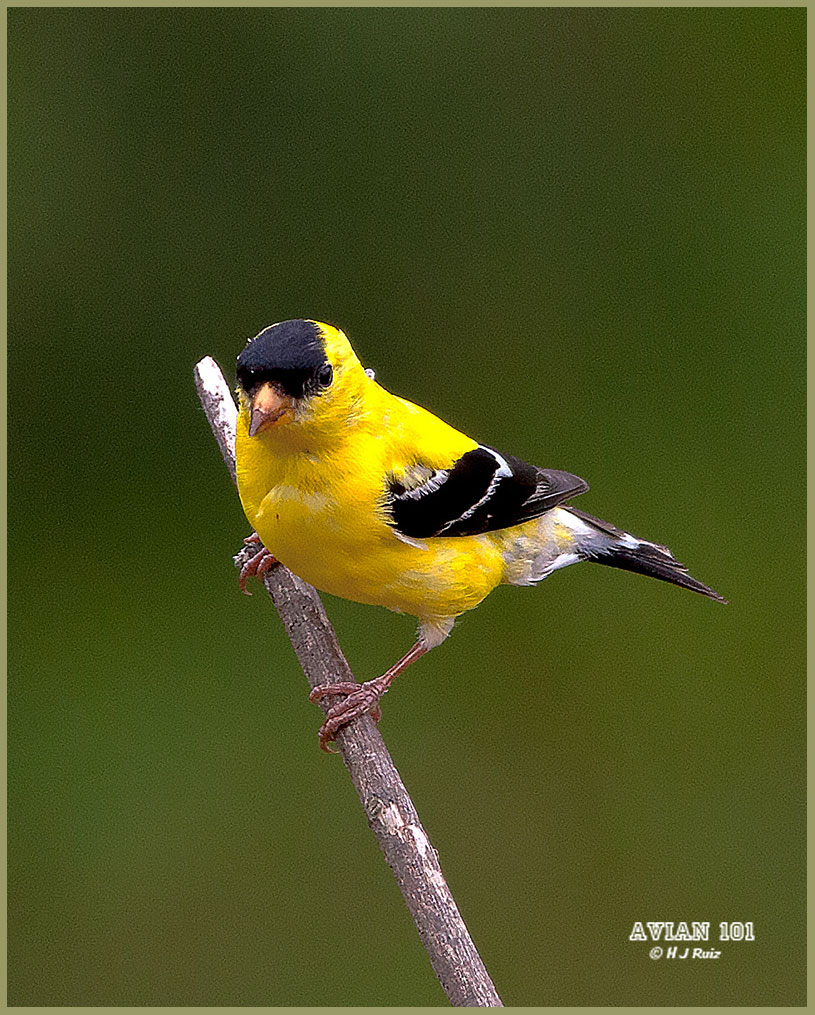
6 – American Goldfinch (Male)
HJ Ruiz – November 30th, 2023
Share this:

Panoramic Photography # 5

“Three Amigos” – CANADA GEESE
HJ Ruiz – November 29th, 2023
Share this:

American Oystercatcher
The American Oystercatcher (Haematopus palliatus), occasionally called the American pied oystercatcher, or PiruPiru, is a member of family Haematopodidae. Originally called the “sea pie”, it was renamed in 1731 when naturalist Mark Catesby observed the bird eating oysters. The current population of American oystercatchers is estimated to be 43,000. There are estimated to be 1,500 breeding pairs along the Atlantic and Gulf Coasts of the US. The bird is marked by its black and white body and a long, thick orange beak. The American oystercatcher has distinctive black and white plumage and a long, bright orange beak. The head and breast are black and the back, wings and tail greyish-black. The underparts are white, as are feathers on the inner part of the wing which become visible during flight. The irises are yellow and the eyes have orange orbital rings. The legs are pink. Adults are between 42–52 cm (17–20 in) in length.
Photo Gallery


HJ Ruiz – November 28th, 2023
Share this:

Read Past Reviews

Book # 69

Quote from the Author
“A good chuckle is healthy, it helps you break the monotony of a serious life.” ~ H.J. Ruiz
 H.J. Ruiz - Avian101
You must be logged in to post a comment.