
Photography of Birds – Set # 37
Set # 37 (Local Birds)


My wonderful birds are still wonderful, our weather remains weird, yet, but it gives us beautiful sunshine daily ( On the cool side though). A couple of squirrels eat a great part of the seeds as always. I have a mockingbird’s nest in a yew tree on the front corner of my house (Garage side). and it has nestlings. They are calling their parents all the time. We continue our stay-home situation like most of our neighbors. I hope they invent the vaccine for this virus, ASAP. We want everything normal again.
© HJ Ruiz – Avian101
Share this:

Bird’s ID – Red-fronted Coot – # 226
Red-fronted Coot
The Red-fronted Coot (Fulica rufifrons) is a species of bird in the family Rallidae. At 36–43 cm (14–17 in), it is a mid-sized species of coot. It is found in Argentina, southern Brazil, Chile, Paraguay, southern Peru and Uruguay. There are also records from Bolivia and the Falkland Islands. Its natural habitat is swamps and well-vegetated lakes and ponds.
I found and photographed this bird in southern Peru (Arequipa coast).
The Red-fronted Coot is # 226 on my “Lifer” list.
Photo Gallery


© HJ Ruiz – Avian101
Share this:

Photography of Birds – Set # 36
Set # 36 (Local Birds)


The weather is not as cold as it was last week, we had some rain and thunder storms but nothing really intense to talk about. We also had excellent sunny days to compensate. The local birds are out there under the sun, more active than ever. Their appetites have increased, since they are spending more energy flying around. They look happy now!
© HJ Ruiz – Avian101
Share this:

Photography of Birds – Set # 35
Set # 35
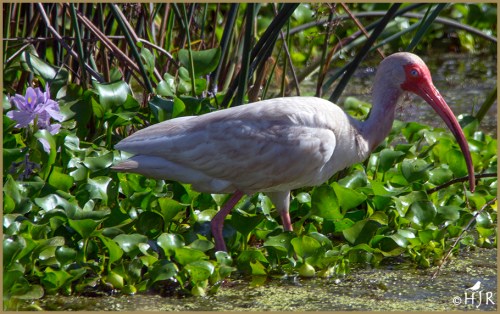
American White Ibis
American White Ibis
American White Ibises are abundant in the State of Florida. You could easily find them, almost everywhere. I remember, one time I was driving in a residential area looking for an address, when I went past the address number and had to make a u-turn, so I used a house’s driveway to turn when I saw dozens of white ibises coming from the side of the house and walking across the street forming a beeline. I realized then, I didn’t have my camera with me.
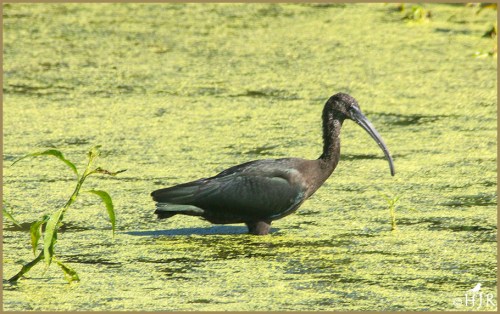
Glossy Ibis
Glossy Ibis
This is the most widespread ibis species, breeding in scattered sites in warm regions of Europe, Asia, Africa, Australia, and the Atlantic and Caribbean regions of the Americas. It is thought to have originated in the Old World and spread naturally from Africa to northern South America in the 19th century, from where it spread to North America.
© HJ Ruiz – Avian101
Share this:

Read Past Reviews

Book # 69

Quote from the Author
“A good chuckle is healthy, it helps you break the monotony of a serious life.” ~ H.J. Ruiz
 H.J. Ruiz - Avian101
You must be logged in to post a comment.