Photography of Birds – Set # 40
Set # 40
Wood Stork
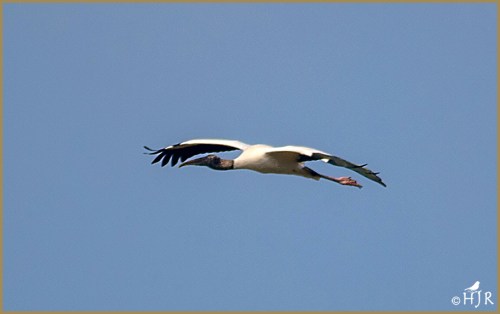
Wood Stork
This is a subtropical and tropical species which breeds in much of South America, Central America and the Caribbean. The wood stork is the only stork that breeds in North America. In the United States there are small breeding populations in Florida , Georgia, and the Carolinas.
Great Blue Heron
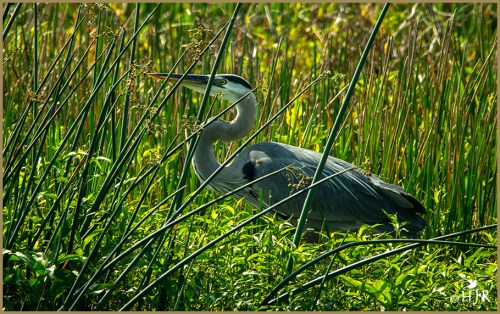
Great Blue Heron
The primary food for great blue heron is small fish, though it is also known to opportunistically feed on a wide range of shrimp, crabs, aquatic insects, rodents, and other small mammals, amphibians, reptiles, and birds, especially ducklings. Primary prey is variable based on availability and abundance.
© HJ Ruiz – Avian101
Share this:

Photography of Birds – Set # 39
Set # 39
Stilt Sandpipers
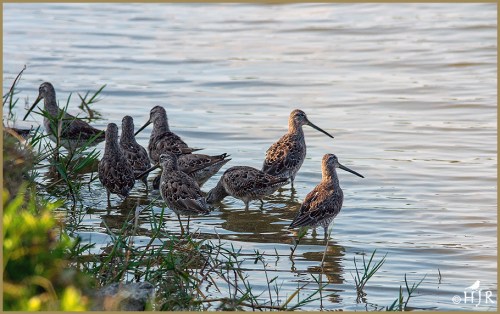
Stilt Sandpipers
These birds forage on muddy, picking up food by sight, often jabbing like the dowitchers with which they often associate. They mainly eat insects and other invertebrates.
Common Moorhen

Common Moorhen
This species will consume a wide variety of vegetable material and small aquatic creatures. They forage beside or in the water, sometimes walking on lilypads or upending in the water to feed.
© HJ Ruiz – Avian101
Share this:

Red Gallery – Northern Cardinal
Photo Gallery


© HJ Ruiz – Avian101
Share this:

Photography of Birds – Set # 38
Set # 38
Gray-headed Gulls
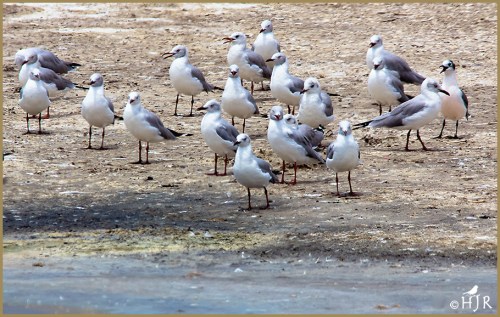
Gray-headed Gulls
The Grey-headed Gull, also known as the grey-hooded gull, is a small gull which breeds patchily in South America and Africa.
American Crow
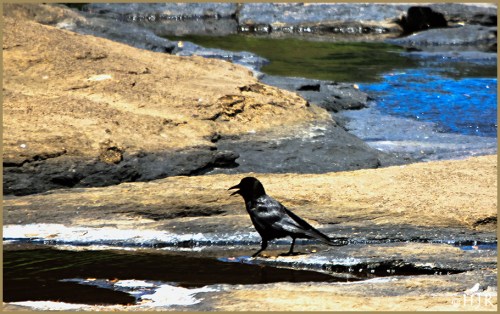
American Crow
The range of the American crow now extends from the Pacific Ocean to the Atlantic Ocean in Canada, on the French islands of Saint-Pierre and Miquelon, south through the United States, and into northern Mexico. The increase in trees throughout the Great Plains during the past century due to fire suppression and tree planting facilitated range expansions of the American crow.
© HJ Ruiz – Avian101
Share this:

Read Past Reviews

Book # 69
Quote from the Author
“A good chuckle is healthy, it helps you break the monotony of a serious life.” ~ H.J. Ruiz


You must be logged in to post a comment.