
Different color Cowbirds?
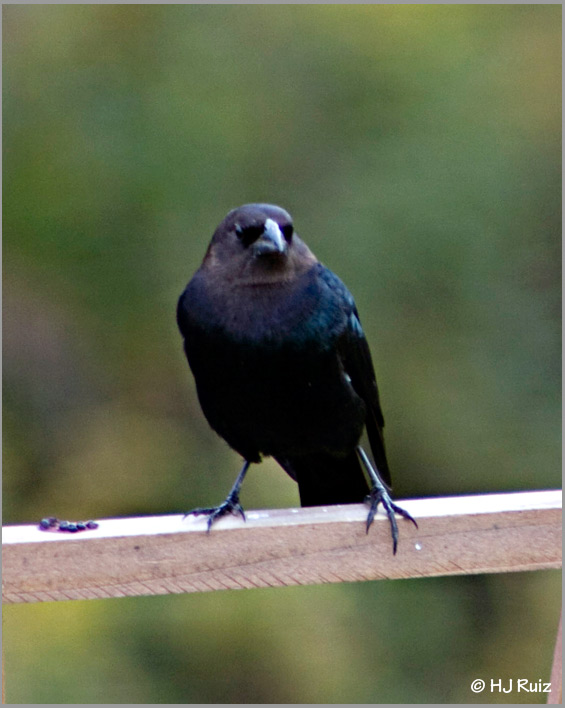
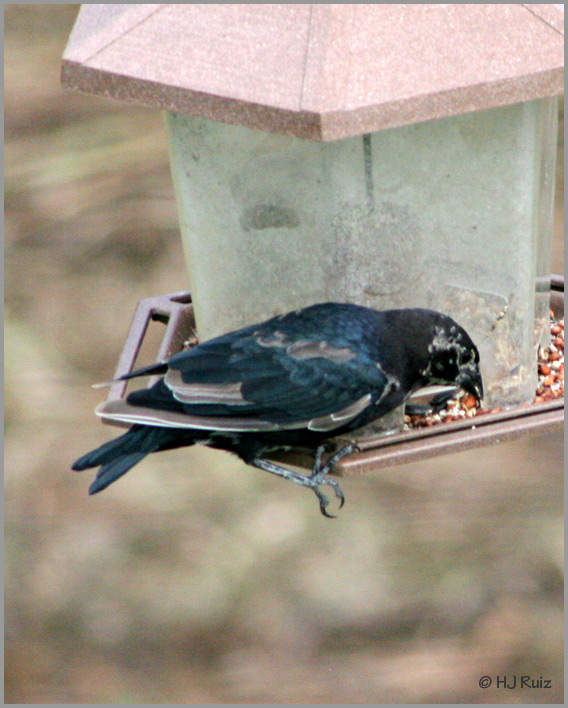
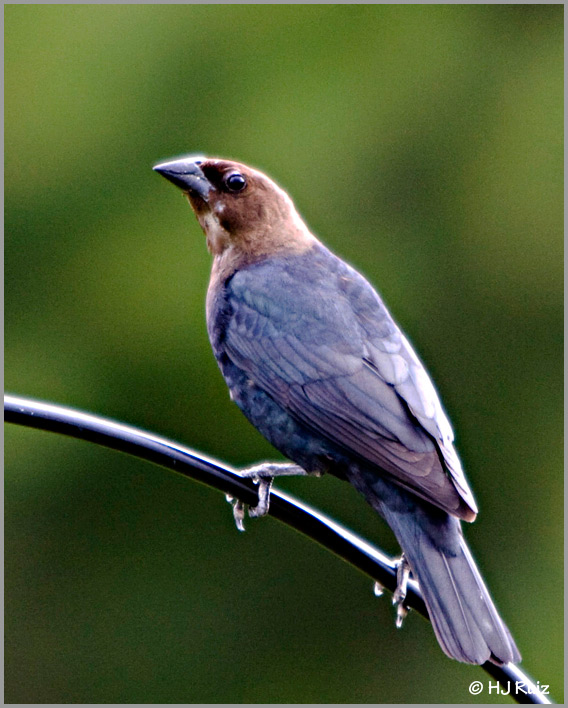
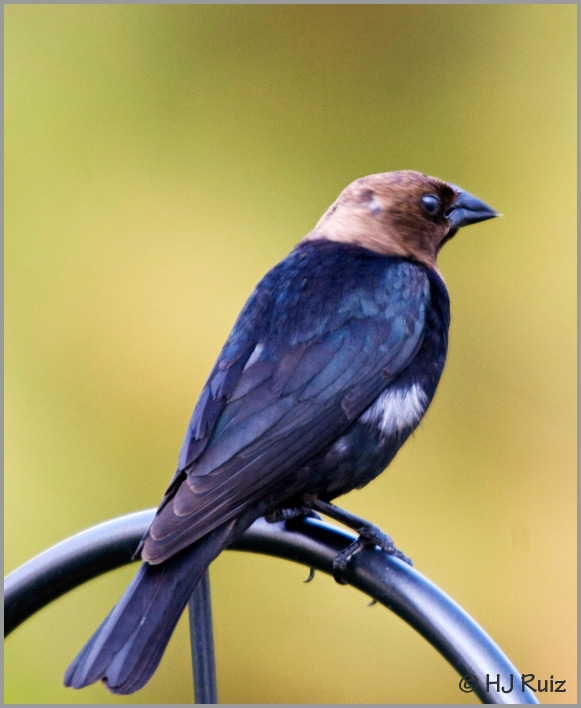
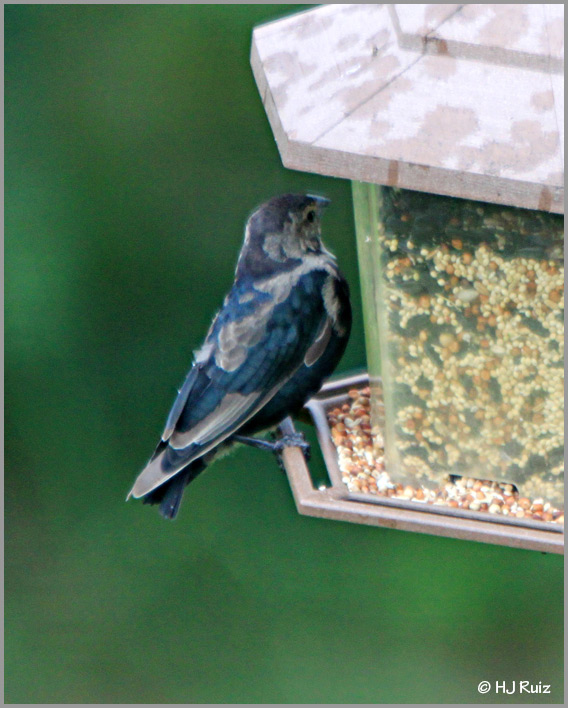
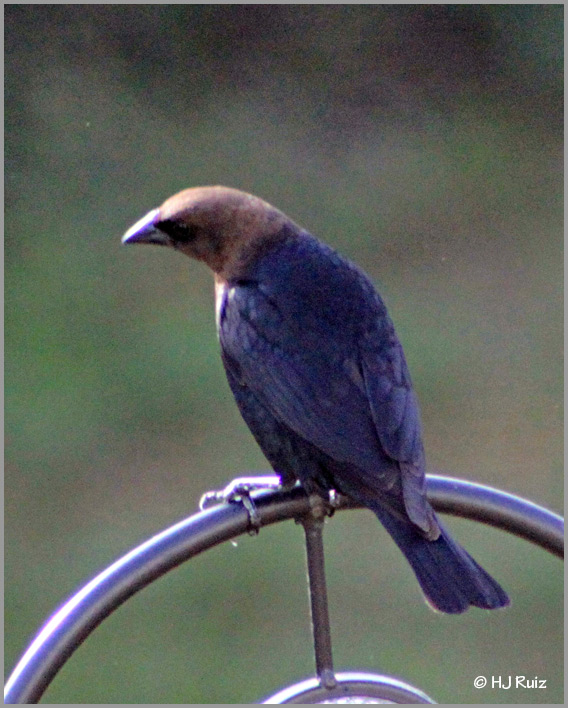
The general description for an adult Brown-headed Cowbird male is that has a brown head, and a black body that can appear metallic green. An adult female is a drab brown color overall. In the late summer and early fall, a male that hatched that same summer appears mottled, with plumage coloration that is intermediate between the adult male and female, as it molts the juvenile plumage and gains adult plumage. The bill, legs, and eyes of adults and juveniles are dark black. 19 cm (7.5 in) in length. This member of the Blackbird Family carries its tail upwardly when it is feeding.

Brown-headed Cowbird (M)
It’s fine and alright but when you shoot thousands of photos of these birds you start to find certain discrepancies which is my point for my blogging today:
There have been studies and experiments made by Biologists and Lab scholars to find what causes changes in coloration of plumage in this species, next I quote excerpts from one of the studies:
“Avian plumage colors have emerged recently as model systems for investigating the types of information that can be signaled by showy sexual displays in animals. In many species, the brightness of carotenoid-based plumage reflect on the health and condition of individuals and is used in mate selection. The information contained in melanin based and structurally based ornamental colors in birds is less well resolved, however. We subjected male house sparrows Passer domesticus and brown-headed cowbirds Molothrus Ater to stressful nutritional conditions during molt to test the hypothesis that melanin- and structurally based plumage colors are nutritionally condition dependent. We restricted food access for treatment males during randomized 6 h periods on 4 days per week, while allowing control birds access to food ad libitum throughout the course of the molt. We found that the size and brightness of the melanin-based throat badges in male house sparrows were not affected by nutritional stress. Similarly, there were no differences between treatment and control male cowbirds in the size or brightness of the melanin-based brown hood. However, the structurally based iridescent plumage of cowbirds was indicative of the nutritional condition of males during molt. Nutritionally stressed cowbirds grew significantly less colorful plumage than did males with access to food ad libitum. These results are consistent with observations in other avian species that different types of plumage color communicate different sets of information. Melanin ornaments are less sensitive to nutritional conditions during molt and instead may reflect on the hormonal status and/or competitive ability, whereas structural coloration appears to be an accurate signal of health and condition.”
The gallery of pictures I’m posting today are samples of what intrigued my curiosity and made me inquire a bit more about the change of plumage coloration among the Brown-headed Cowbirds.
Share this:

Stormy weather
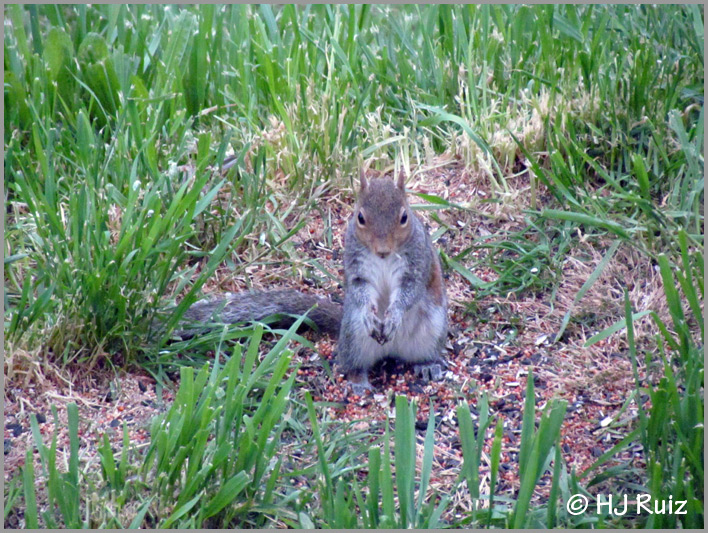
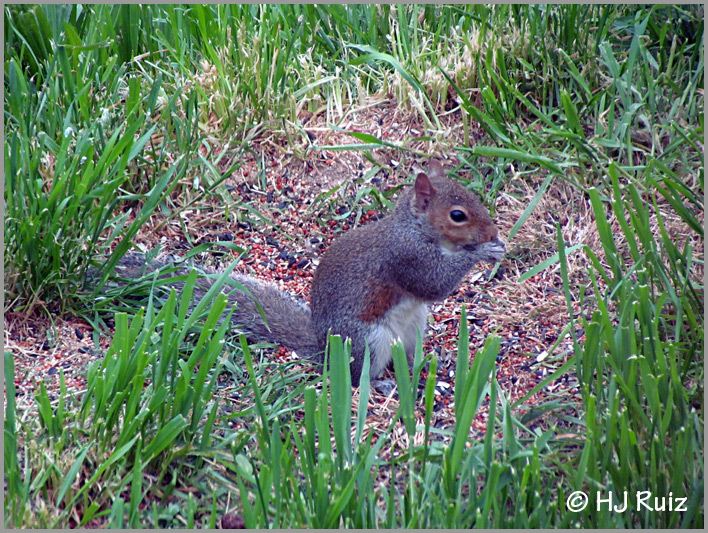
Yesterday we had a very stormy day! It rained for many hours and the wind velocity increased in the evening, last night at about 9:30 pm a Warning Alert was issued for several Counties including our County,Paulding. Weather Alert for danger of tornados and high wind until 4:00 am. Luckily we just got lots of rain and strong wind.This morning I went out to refill the bird feeders, they were washed clean! The ground I could feel was water saturated.Before the storm, in the morning I shot some pictures but it wasn’t a bird I shot! :)See for yourself!
Share this:

Argentavis Magnificens
Argentavis magnificens (literally “magnificent Argentine bird”) is the largest flying bird ever discovered, larger in every aspect than any other flying aves, including the enormous Haast’s Eagle from the Pleistocene to Holocene of New Zealand. This bird, sometimes called the Giant Teratorn, is an extinct species known (as of 2009) from three sites from the late Miocene (6 million years before present) of central and northwestern Argentina, where a good sample of fossils has been obtained.
The humerus (upper arm bone) of Argentavis is somewhat damaged. Even so, it allows a fairly accurate estimate of its length in life, which was a bit shorter than an entire human arm. The species apparently had stout, strong legs and large feet which enabled it to walk with ease. The bill was large, rather slender, and had a hooked tip with a wide gape.
Physical characteristics
Currently accepted estimates:
- Wingspan: 7 m (23 ft)
- Wing area: nearly 7 m² (75 square ft)
- Wing loading: c. 11.5 kg/m²
- Length: 3.5 m (11.5 ft)
- Height: 1.7–2 m (5.6–6.5 ft)
- Mass: 70 kg (150 lb)
For comparison, the living bird with the largest wingspan is the Wandering Albatross, at 3.63 metres (11.9 ft). Since A. magnificens is known to have been a land bird, another good point of comparison is the Andean Condor, which is not too distantly related to Argentavis. This bird is among the largest land birds, with a wingspan of about 3 m and weighing up to 12 kg.
The ability to fly is not a simple question of weight ratios, except in extreme cases. Size and structure of the wing must also be taken into account. As a rule of thumb, a wing loading of 25 kg/m² is considered the limit for avian flight.
The heaviest extant flying bird is not heavier than 20 kg (there are several contenders, among which are the European Great Bustard and the African Kori Bustard). The Sarus Crane is the tallest flying bird alive, standing nearly as high as Argentavisdue to its long legs.
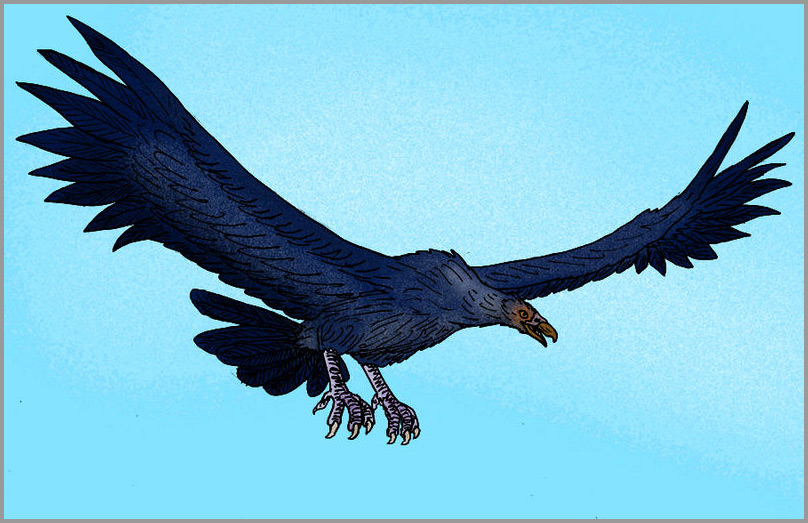
The largest known flying creatures are a group of pterosaurs named azhdarchids, extinct flying animals that existed during the age of the dinosaurs and died out at the end of the Cretaceous. Estimations of the wingspan of the largest species likeQuetzalcoatlus and Hatzegopteryx exceeds 10 m, with less conservative estimates being 12 m or more.
Ecology
As with nearly all extinct species, not much can be known about the Giant Teratorn’s behaviour. From the size and structure of its wings it is inferred that A. magnificens flew mainly by soaring, using flapping flight only during short periods. It is probable that it used thermal currents as well. It has been estimated that the minimal velocity for the wing of A. magnificens is about 11 m/s or 40 km/h. Especially for takeoff, it would have depended on the wind, as although its legs were strong enough to provide it with a running or jumping start, the wings were simply too long to flap effectively until the bird was some meters off the ground. However, skeletal evidence suggests that its breast muscles were not powerful enough for wing flapping for extended periods. Argentavis may have used mountain slopes and headwinds to take off, and probably could manage to do so from even gently sloping terrain with little effort. It may have flown and lived much like the modern Andean condor, scanning large areas of land from aloft for carrion. The climate of the Andean foothills in Argentina during the late Miocene was warmer and drier than today, which would have further aided the bird in staying aloft atop thermal updrafts.
This species seems less aerodynamically suited for predation than its relatives. It probably preferred to scavenge for carrion, and it is possible that it habitually chased metatheriancarnivores such as Thylacosmilidae from their kills. Unlike extant condors and vultures, the other species of teratorns generally had long, eagle-like beaks and are believed to have been active predators, being less ponderous than Argentavis. When hunting actively, A. magnificens would probably have swooped from high above onto their prey, which they usually would have been able to grab, kill, and swallow without landing. Skull structure suggests that it ate most of its prey whole rather than tearing off pieces of flesh.
Argentavis’ territories measured probably more than 500 square km, which the birds screened for food, possibly utilizing a generally north-south direction to avoid being slowed by adverse winds. Comparison with extant birds suggests it laid one or two eggs with a mass of somewhat over 1 kg – somewhat smaller than an ostrich egg – every two years. Climate considerations make it likely that the birds incubated over the winter, mates exchanging duties of incubating and procuring food every few days, and that the young were independent after some 16 months, but not fully mature until aged about a dozen years. Mortality must have been very low; to maintain a viable population less than about 2% of birds may have died each year. Of course, Argentavis suffered hardly any predation, and mortality was mainly from old age, accidents and disease.
It appears likely, therefore, that the average and maximum age reached by these creatures was fairly large – possibly some 50–100 years; compare with ostrich at perhaps 60–70, and parrots at perhaps 80–120 at most – if they were to mature and reproduce and replace members that had died ‘young’ – for whatever reason. Presently, no direct evidence is available for this suggestion; however, K-strategy lifestyle correlates with greater average and maximum age.
Text is available under the Creative Commons Attribution-ShareAlike License; additional terms may apply. See Terms of Usefor details.
Wikipedia® is a registered trademark of the Wikimedia Foundation, Inc., a non-profit organization.
Share this:

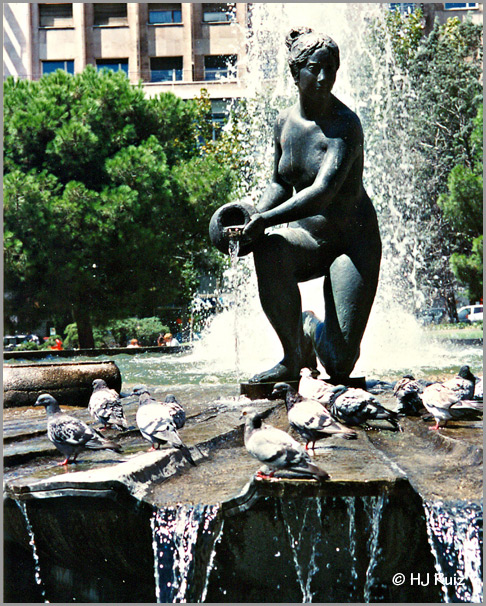
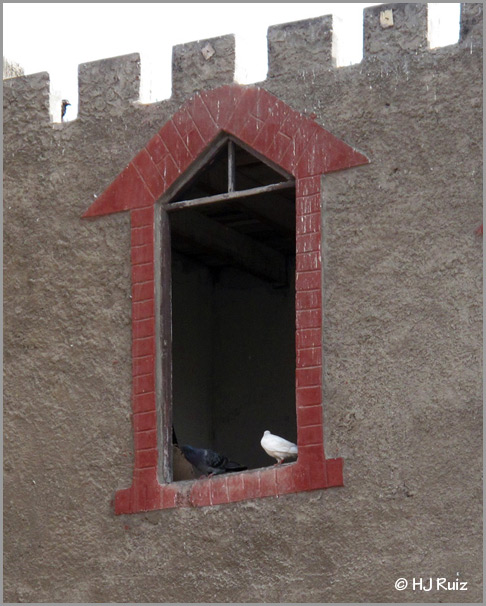
Rock Pigeon
Rock Pigeon – Spec. Name: Columba Livia
- Larger and plumper than a Mourning Dove, Rock Pigeons are tubby birds with small heads and short legs. Their wings are broad but pointed wings and the tail is wide and rounded.
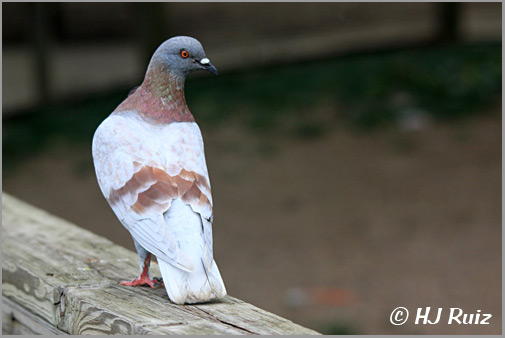
Rock Pigeon
- Variable in color, but most birds are bluish gray with two black bands on the wing and a black tip to the tail. Most birds have iridescent throat feathers. Wing patterns may include two bars, dark spots, or can be plain. The tail is usually dark tipped.
- Pigeons often gather in flocks, walking or running on the ground and pecking for food. When alarmed, the flock may suddenly fly into the air and circle several times before coming down again.
- Most people in the world know about the Rock Pigeons, in some places they are so numerous that become a nuisance or a pest.
-
- Madrid, Spain
-
- Chancay, Peru
-

- Zaragoza, Spain
-
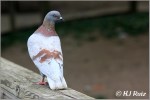
- Rock Pigeon
-

Share this:


Read Past Reviews

Book # 69

Quote from the Author
“A good chuckle is healthy, it helps you break the monotony of a serious life.” ~ H.J. Ruiz


You must be logged in to post a comment.