White-eyed Vireo – Video
Portrait of the White-eyed Vireo – Beautiful video shot by © Lang Elliott. Enjoy it!
Share this:

For First Time reclusive Bird Now Appearing on Cue at Peruvian Reserve
For the first time at any Peruvian reserve, visitors to the Owlet Lodge in the Abra Patricia-Alto Nieva Private Conservation Area are now seeing an Undulated Antpitta habituated to worm feeding. The ability to bring the bird into view in this fashion is particularly exciting to bird watchers since the Undulated Antpitta is normally very secretive and extremely difficult to see in the dense vegetation it usually inhabits.
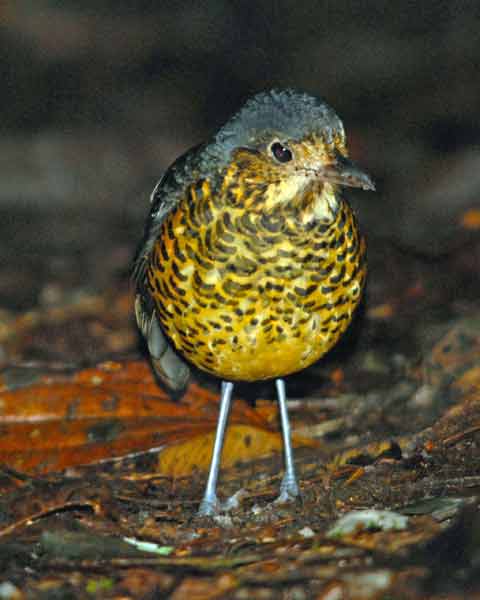
Undulated Antpitta © Greg Homel
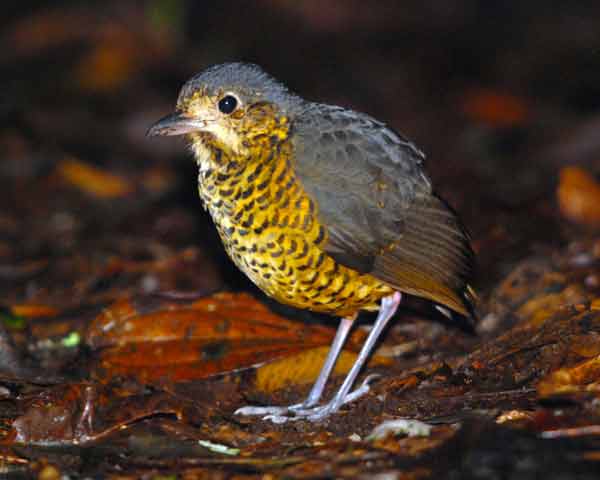
One particular bird, named Dorita, now appears every day at first light, taking worms only a few feet away from a park ranger. The ranger walks a short distance to Dorita’s territory and calls her to come by name. When she appears, he tosses worms onto the trail and Dorita consumes them without fear of the ranger or any tourists standing awed nearby. This effort constitutes the first successful habituation of any antpitta species at an ecolodge in Peru.
Abra Patricia-Alto Nieva Private Conservation Area and Conservation Concession is a protected area of over 24,000 acres of cloud forest in northern Peru managed by Asociación Ecosistemas Andinos (ECOAN). The reserve was established by ECOAN and American Bird Conservancy (ABC). Ecotourism contributes directly to the reserve’s support.
In the last decade, ecolodges in Ecuador and Colombia have pioneered new methods to attract antpittas to feeding stations with worms. Normally very secretive, habituated antpittas fearlessly reveal themselves in front of birdwatchers in return for an easy meal.
At Abra Patricia, multiple species of antpittas have yet to be habituated for worm-feeding. An Endangered and endemic Ochre-fronted Antpitta has come to feed on worms once, but is not reliable yet. Sometimes White-throated Quail-Doves join in. More work is needed to habituate a Rusty-tinged Anpitta, Chestnut Antpitta, and other species that occur here. The worms come from compost created at nearby tree nurseries run by ECOAN as part of a regional reforestation project.
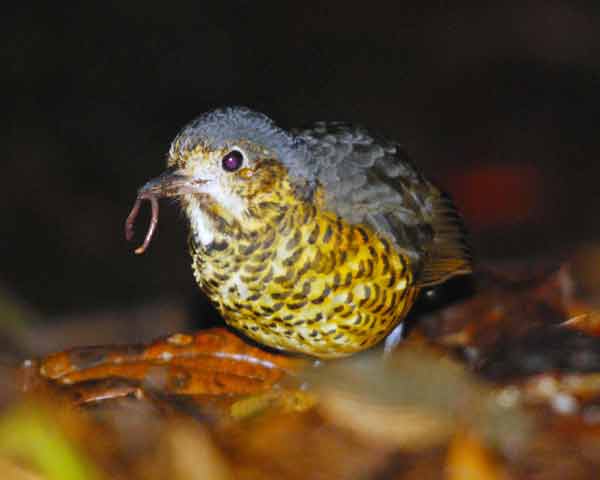
"Dorita" Eating an earth worm. © Greg Homel
Peru possesses an extraordinary diversity of birds: more than 1,800 bird species have been recorded there, making Peru the country with the fourth most bird species (behind Indonesia, Colombia, and Brazil). Over 100 species are unique to Peru, with many more that barely range into neighboring countries. New species are still being discovered and described from Peru, with several descriptions awaiting publication.
Birders interested in seeing Dorita the Undulated Antpitta, and other birds at Abra Patricia as well as the Marvelous Spatuletail nearby at Huembo Reserve should visit ConservationBirding.org to learn more.
In addition, ABC’s partners ProAves in Colombia and Fundación Jocotoco in Ecuador operate reserves with birding lodges where birders can view some of the rarest antpittas of all, including the Fenwick’s Antpitta and Jocotoco Antpitta respectively.
Asociación Ecosistemas Andinos (ECOAN) is a leading Peruvian conservation organization specializing on working with local communities to establish and manage protected areas.
 American Bird Conservancy (ABC) is a 501(c)(3) not-for-profit membership organization whose mission is to conserve native birds and their habitats throughout the Americas. ABC acts by safeguarding the rarest species, conserving and restoring habitats, and reducing threats, while building capacity in the bird conservation movement.
Share this:

Today: Planters
While I’m still taking a break from birds I promised another person to post a few more photos of subjects other than birds. This time I picked Planters with flowers.
Most are from different places I’ve visited. I told you before that I shoot many subjects that catch my eye.
Here they go! These might not be of your interest but one thing is undeniable, the gamut of color combinations capture by the camera.

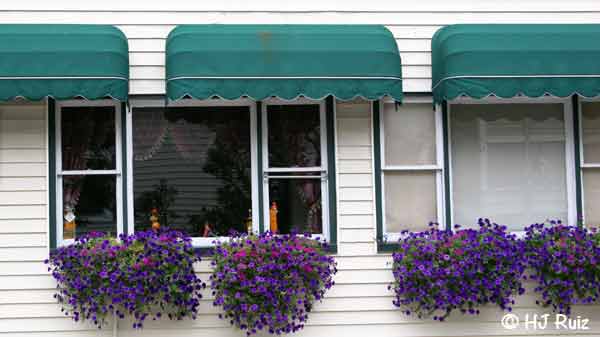
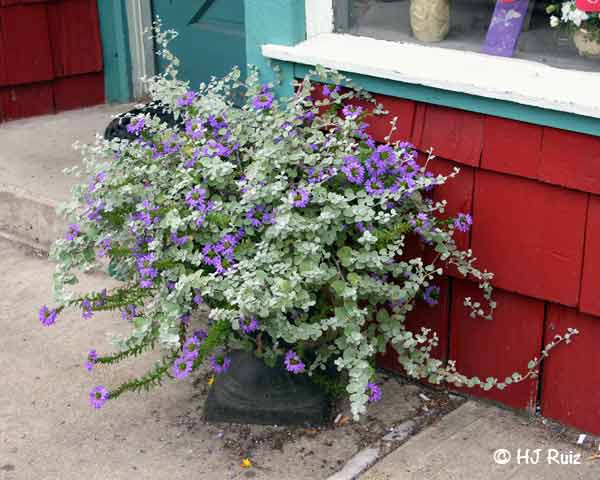





All photos are © H.J. Ruiz – Avian 101
Share this:

Do you know what bugs me?
Do you know what bugs me a bit? I’ll tell you:
- – When I read a blog or website written by amateur photographers on which they write about their ambition to become a full time photographer in pursue of fame some day. Then, they ask readers to be their followers or request for subscriptions, I guess because they need feedback or comments, (One way to solicit recognition). Then when someone like me offers them the opportunity to have their names linked on my blog or when I ask their permission to re-post a brief essay on my blog. (Free Advertising) They accept the offer/invitation and later they renege or simply never write an email to say they changed their mind!
- – Some other amateurs do not get it! I explain to them about my blog being gratis, I don’t make a penny for my work and effort I do it as a way to disseminate a bit of culture to our society, merely for public information. Regardless of my plead.
They ask “what’s in” for them?
My point on this matter is that a number of people believe that everything they would do for others have to be remunerated. That’s why is so hard to find volunteers for any non-profit cause.
It’s becoming harder for many people to believe that someone would do something for the sake of a good cause, such as: Nature Conservation or improving Society! If only they would…the world would be different!
I’m retired now but Photography is my life! If I created my blog and a website is for the sake of birds, Nature, Earth and lastly for a little bit of satisfaction for myself. I’m not interested in making money, instead what I want is to share gladly what I’m able to do! I enjoy my life with my family by doing things together indoors or outdoors. By sharing my opinions, photos or comments through my Blog and Website I feel that I’m giving something back to the world Thank you for your patience reading this post!
Today I’m posting some work I’ve done other than birds. What the heck! This way you’ll get to know me a little better.
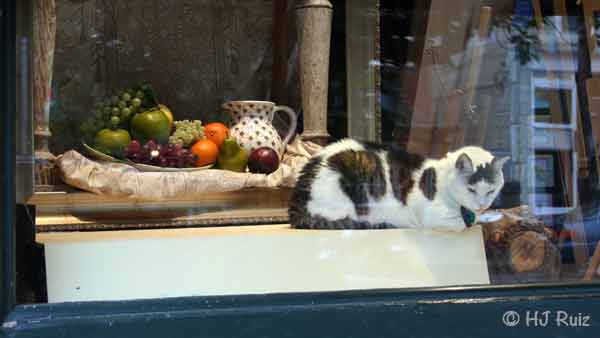
This photo is dedicated to my friend Karen Chandler, photo c. 2005
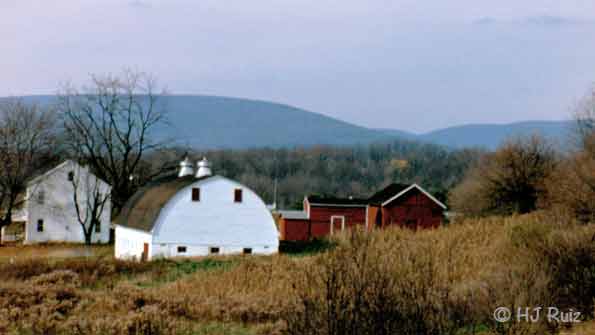
Milk Farm in Pa.
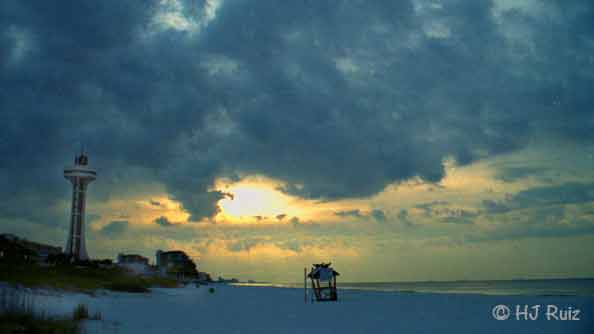
Sunset seen from Panama Beach
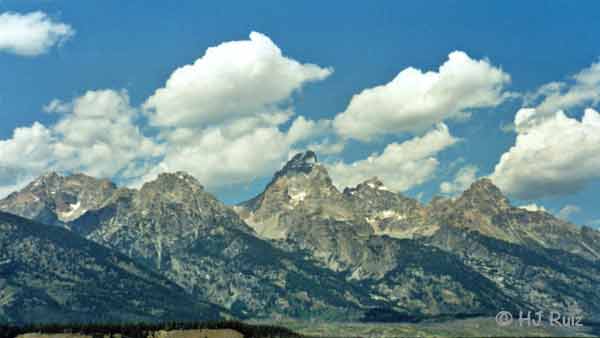
Teton Range, Wy.
Text & Photographs © H.J. Ruiz – Avian 101
Share this:


Read Past Reviews

Book # 69

Quote from the Author
“A good chuckle is healthy, it helps you break the monotony of a serious life.” ~ H.J. Ruiz


You must be logged in to post a comment.