Am I Wrong?
The Kentucky Department of Fish and Wildlife reported that only 50 Sandhill Cranes were killed at their inaugural hunting season, December 17th 2011 to January 15th, 2012. Their department had set a quota for 400 birds for this season. There’s an estimated count of approximately 20,000 sandhill cranes in the areas near the Barren River Lake.
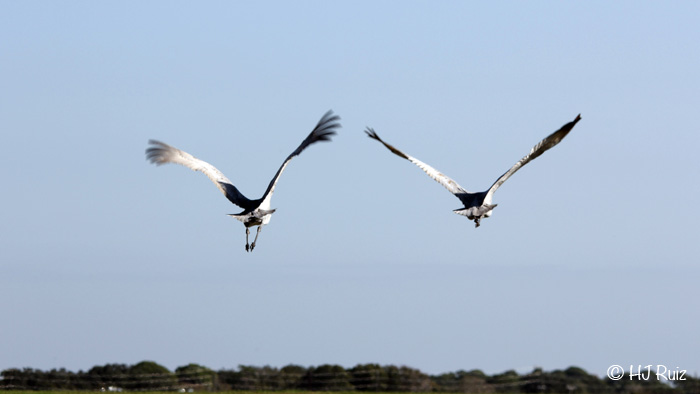
Sandhill Cranes in flight
This hunting decision has been criticized because the population of cranes is not creating any environmental damage. In fact they are using that area as a stopover while migrating. The department despite the resistance for this controversial action has decided to continue the hunting season for three more years and get more data before reevaluating this issue.
I for one oppose this measure of killing the birds just because it seems to them there are “Too many” Is this the way we should decide what animals should die or live? I would be more in agreement if they have proof that because the crane population is too large are destroying property or attacking people, maybe invading downtown like in the sic-fi movies.
I think that we are living an era of exaggerations and excesses. The mediocrity of government officials and lack of common sense.
“You tell me if I’m wrong.”
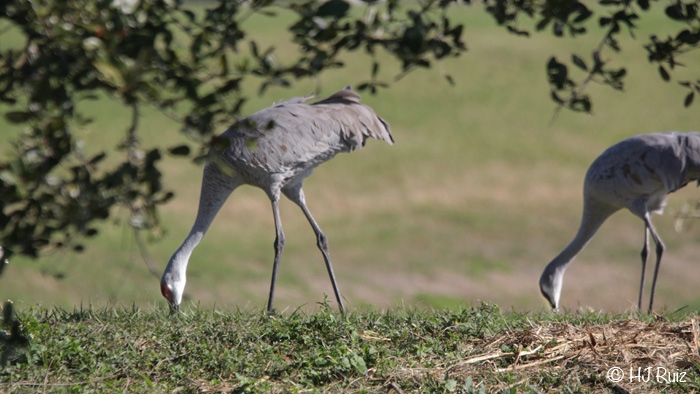 Text and photographs © H.J. Ruiz – Avian 101
Share this:

Birds Seek Certain Trees When Foraging for Caterpillars
Location matters for birds on the hunt for caterpillars, according to researchers at UC Irvine and Wesleyan University. Findings suggest that chickadees and others zero in on the type of tree as much as the characteristics of their wriggly prey.
Unfortunately for caterpillars, munching on tree leaves that are healthy and tasty can dramatically boost their own risk of becoming food. Study results, published online this week in The American Naturalist, show that dining on the trees that are most nutritious for caterpillars — such as the black cherry — can increase by 90 percent their chances of being devoured by a discerning bird.
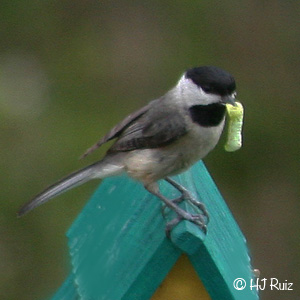
Carolina Chickadee with caterpillar
“The jump in risk is surprising,” said co-author Kailen Mooney, assistant professor of ecology & evolutionary biology at UCI. “It shows that for caterpillars, moving from one tree to the next can mean the difference between getting eaten and surviving.”
The findings indicate a “neat potential pest control system,” because the healthiest tree species harbor the greatest number of caterpillars, thereby offering the easiest pickings for winged predators, said lead author Michael Singer of Wesleyan. “Our study addresses basic theoretical questions in ecology, but we also want forest managers and conservation biologists to take away practical knowledge.”
Mooney, who specializes in the ecology of predatory birds, said tree identification is probably learned by birds, not genetic. He added that Southern California bird species probably do the same with coastal sage scrub, determining which types of bushes afford a better chance of tasty insect treats.
With help from a small army of students, the scientists conducted a two-year experiment in Connecticut forests involving hundreds of tree branches either covered with bird-proof netting or left bare.
Mooney noted that the results illustrate a stark choice between gaining strength through a good diet but being more vulnerable to predators and remaining weaker and hungrier but more safe.
“If a caterpillar could feed on nutritious, high-quality tree species and be left alone, this would be the best of all worlds,” he said. “Instead, it’s faced with a trade-off. Overall, it appears that it’s better to feed on poor-quality tree species and have fewer caterpillars around you than to be on a nutritious plant with many others.”
The above story is reprinted from materials provided by University of California – Irvine.
Share this:

Passions in life
Sometimes it comes to my mind the question: Why didn’t I start bird photography years before? I traveled a lot, had many opportunities to dedicate some time to the birds that are my passion now, however I wasn’t interested then. Life is so full of twists and turns that is very hard to know what would you be doing next. Throughout my life I’ve had many passions some were less intense that other. I loved tennis, then bowling, rifle sharp shooting, ocean fishing, golf and the more intense still are photography, drawing and oil painting.
After a while I came to a conclusion: I think all these passions that manifest in stages of our lives are in parallel with age and opportunity.
I wonder what will be next?
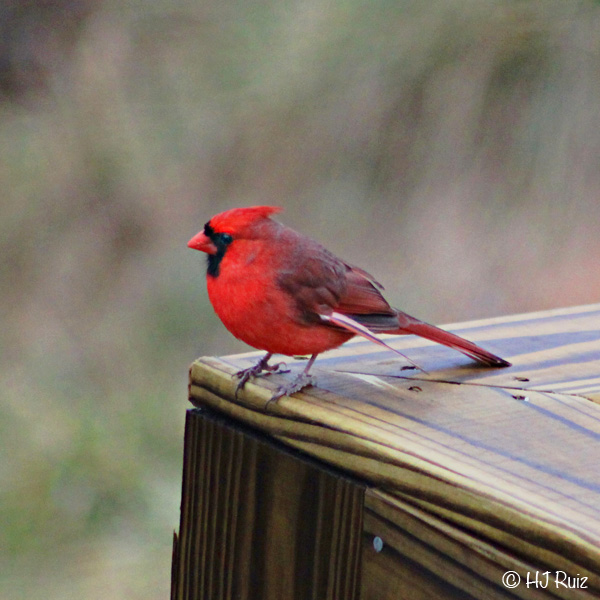
Northern Cardinal (M)
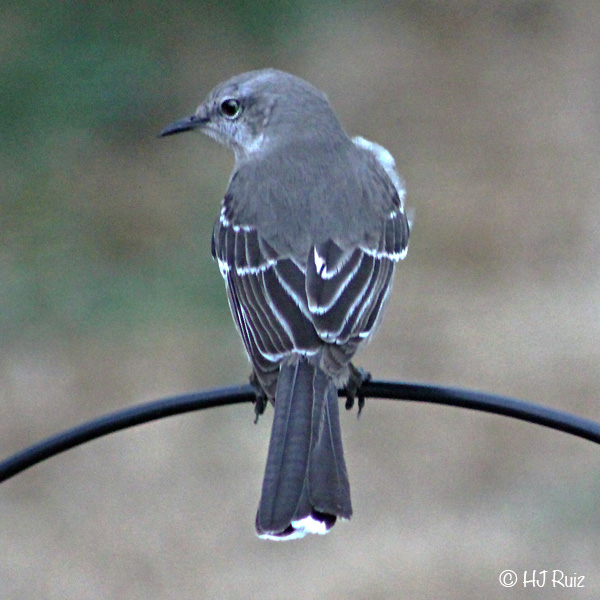
Northern Mockingbird
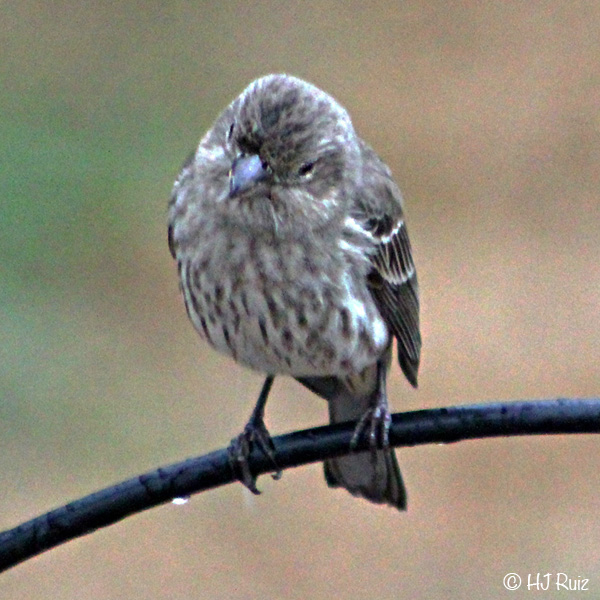
House Finch (F)
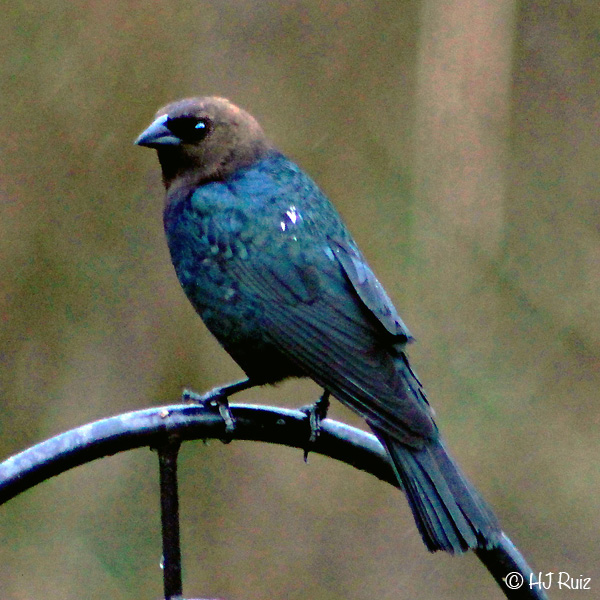
Brown-headed Cowbird (M)
All photographs are © H.J. Ruiz – Avian 101
Share this:

Close-up
I find it very interesting when I see close-up photos of birds. We are used to see them in reality and photos mostly in full body and surrounded by all kinds of backgrounds.
I still think that when we see the birds eye to eye, something changes within our minds, the fact that they’re not just pretty colored creatures that adorn our gardens. In fact they are species of real breathing animals and we should care for them as much as we care for our dogs and cats.
“In all things of nature there is something of the marvelous.”- Aristotle
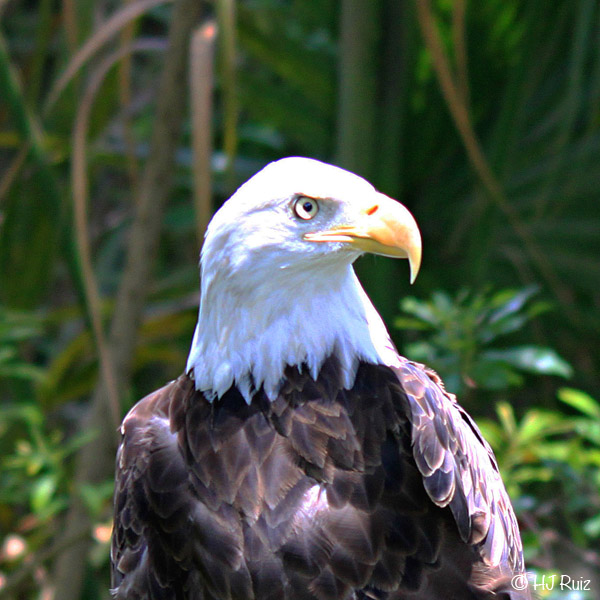
Bald Eagle
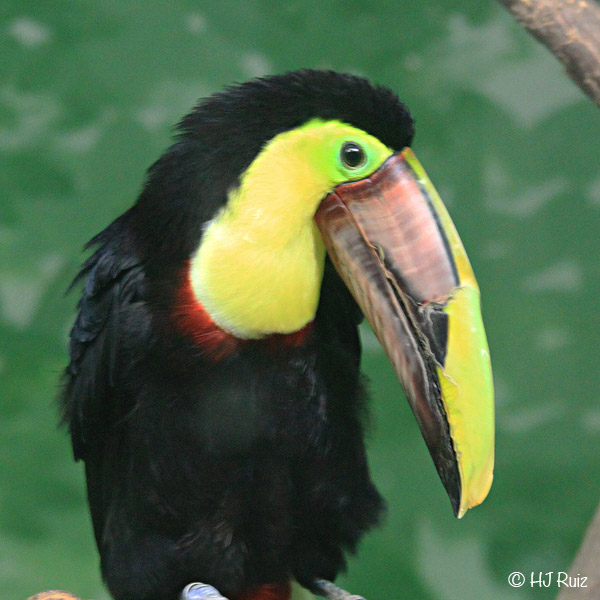
Chestnut-mandibled Toucan
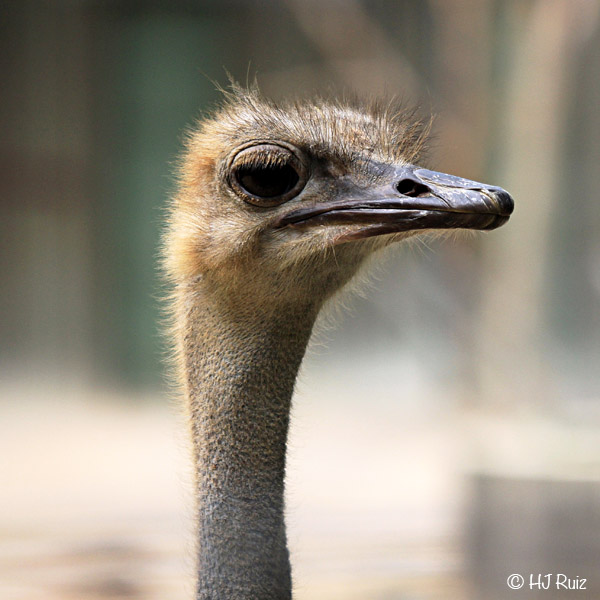
Ostrich
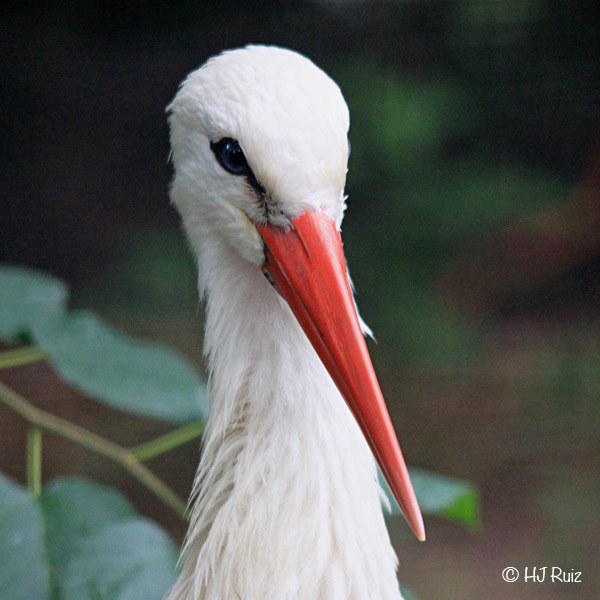
White Stork
All photographs are © H.J. Ruiz – Avian 101
Share this:


Read Past Reviews

Book # 69

Quote from the Author
“A good chuckle is healthy, it helps you break the monotony of a serious life.” ~ H.J. Ruiz


You must be logged in to post a comment.