Special Places # 43
Panoramic Photos

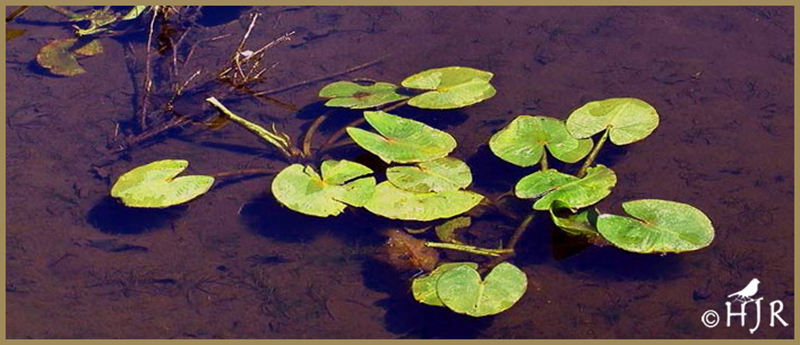
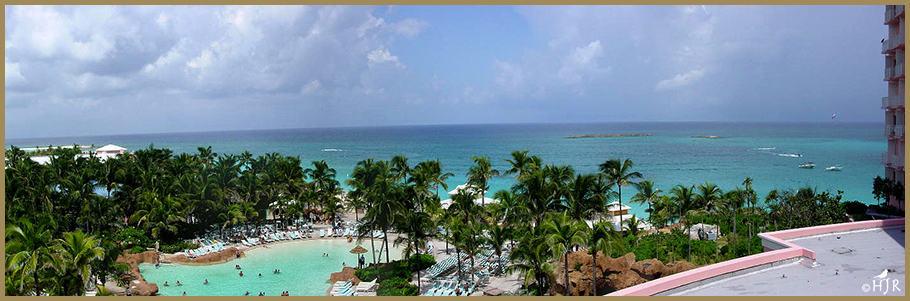
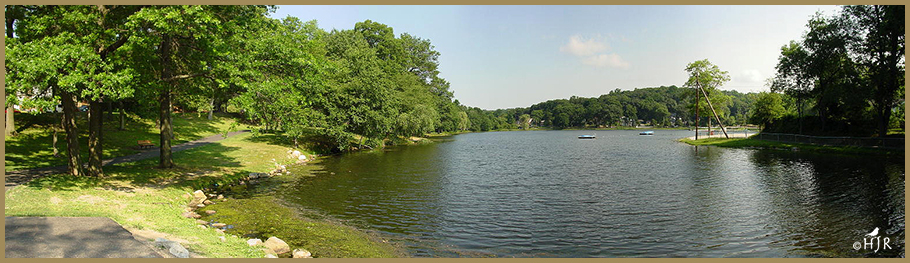
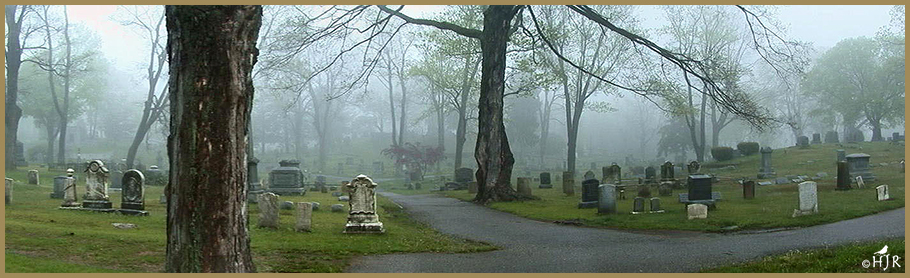
1 – Top: Port of Callao, main International port in Peru.
2 – Second Tier: Aquatic Lillies.
3 – Third Tier: View of the beach in The Bahamas.
4 – Fourth Tier: Lake in Morris County, New Jersey.
5 – Bottom: Talking a walk in a misty Cemetery at early morning. Rockaway, New Jersey.
© HJ Ruiz – Avian101
Share this:

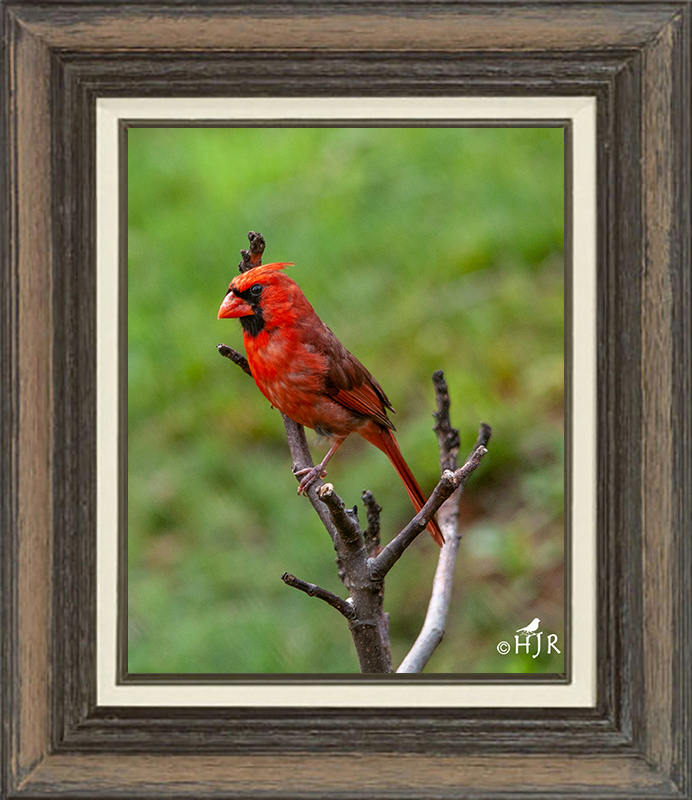
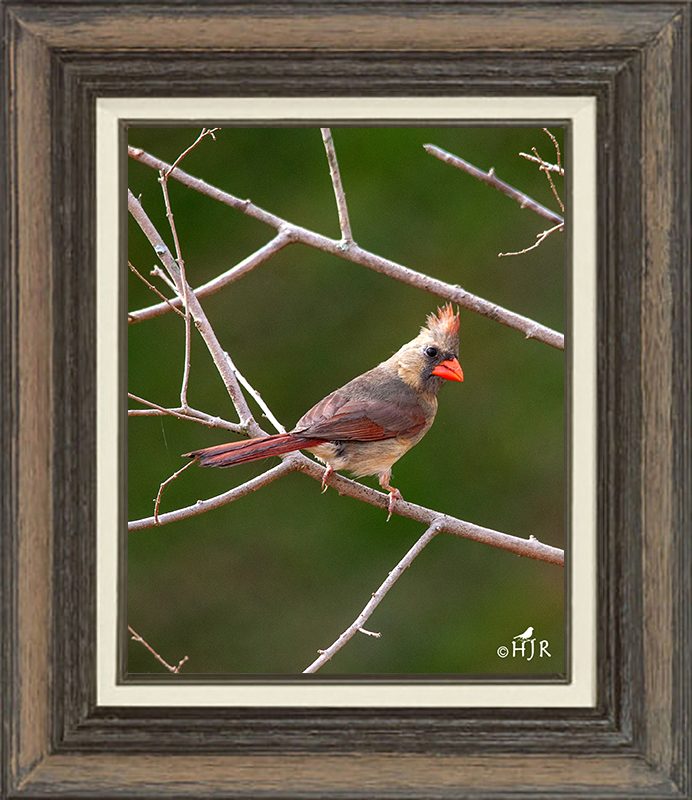
Red Art Gallery – Northern Cardinal # 52
Red Art Gallery
Photo Gallery
© HJ Ruiz – Avian101
Share this:

Birds of the Week # 26
Little Blue Heron
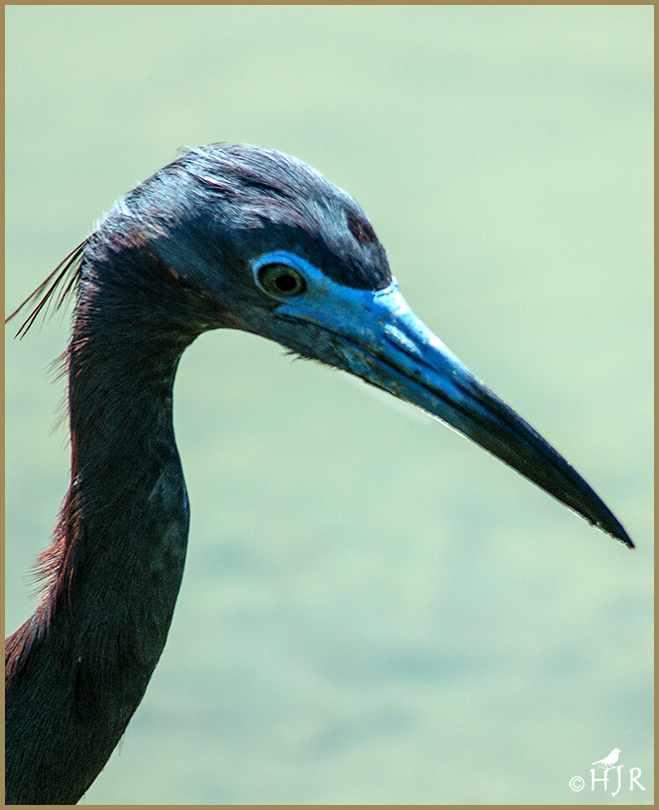
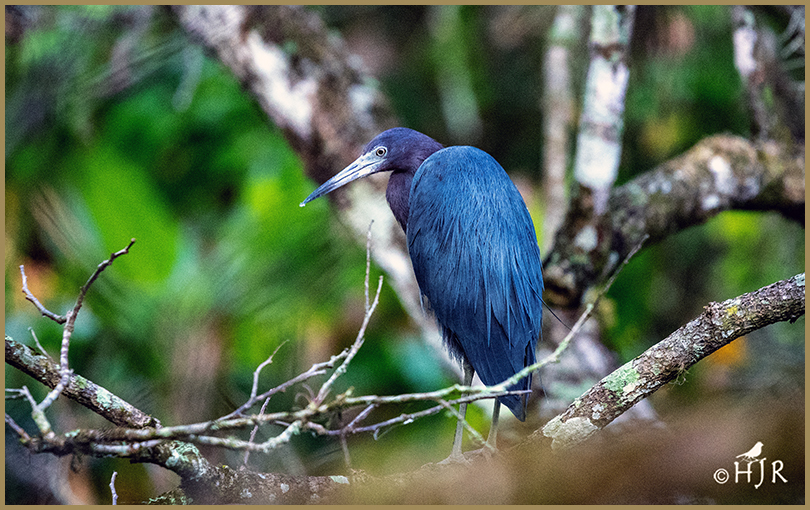
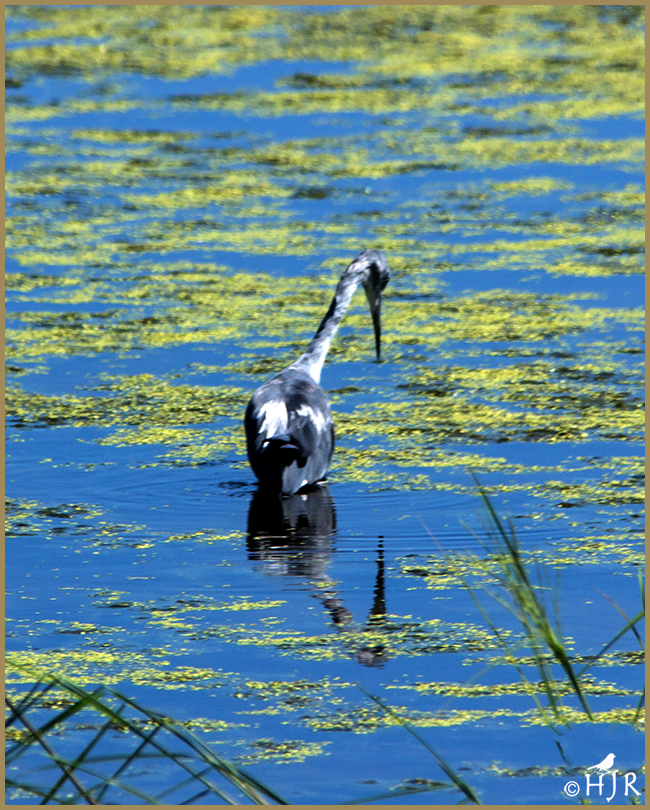
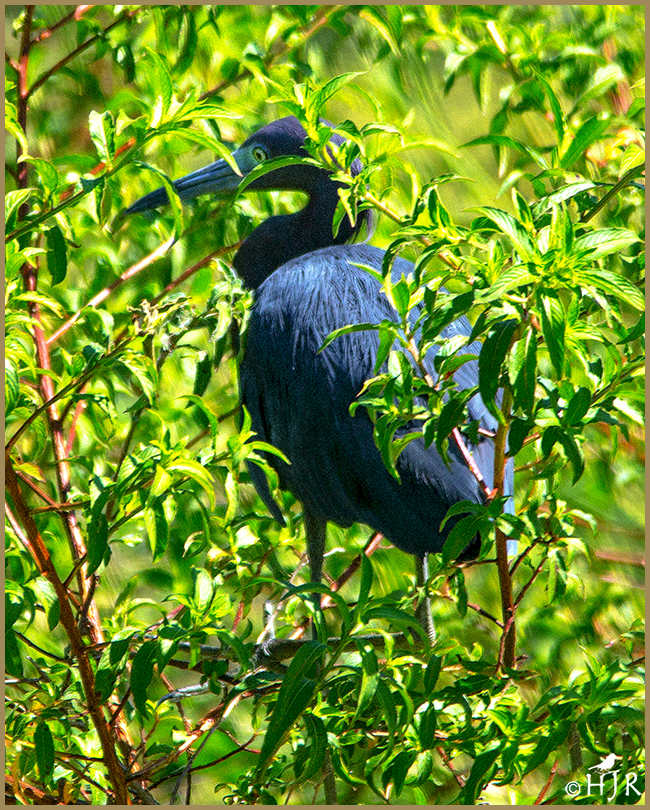
The Little Blue Heron (Egretta caerulea) is a small heron belonging to the family Ardeidae. This species is about 64–76 cm (25–30 in) long, with a 102 cm (40 in) wingspan, and weighs 325 g (11.5 oz). It is a medium-large, long-legged heron with a long pointed pale blue or greyish bill with a darker or black tip. The body is more elongated than in Snowy Egret. Breeding adult birds have blue-grey plumage except for the head and neck, which are purplish and have long blue filamentous plumes. The legs and feet are dark blue/green or greenish. The sexes are similar. Non-breeding adults have dark blue head and neck plumage and paler legs. Young birds are all white in their first year, except for dark wing tips and have dull greenish legs. In their first spring or first summer they gradually acquire the adults’ dark plumage. This species is rather similar to the much larger and bigger-billed Reddish Egret. Immature Little Blues are similar to immature Snowy Egrets.
Limpkin
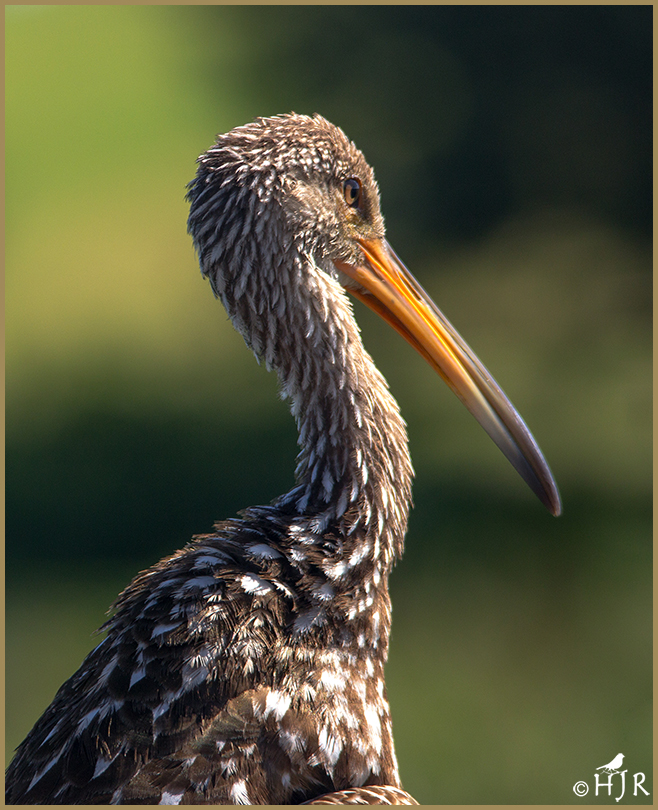
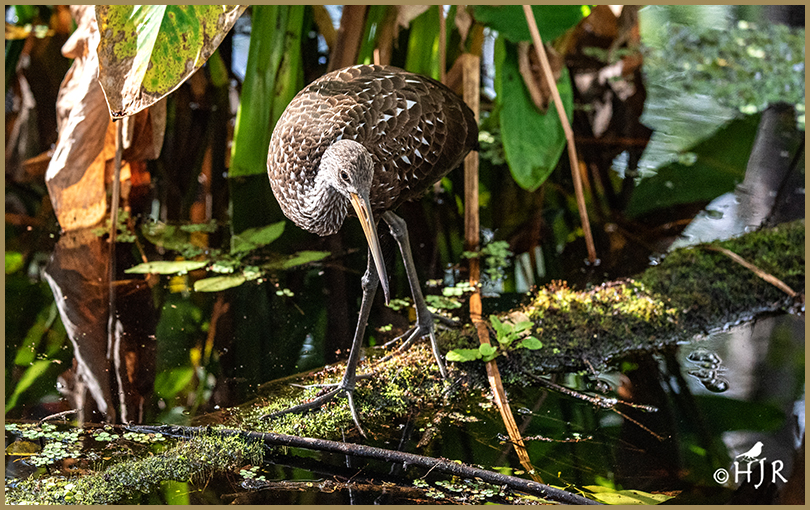
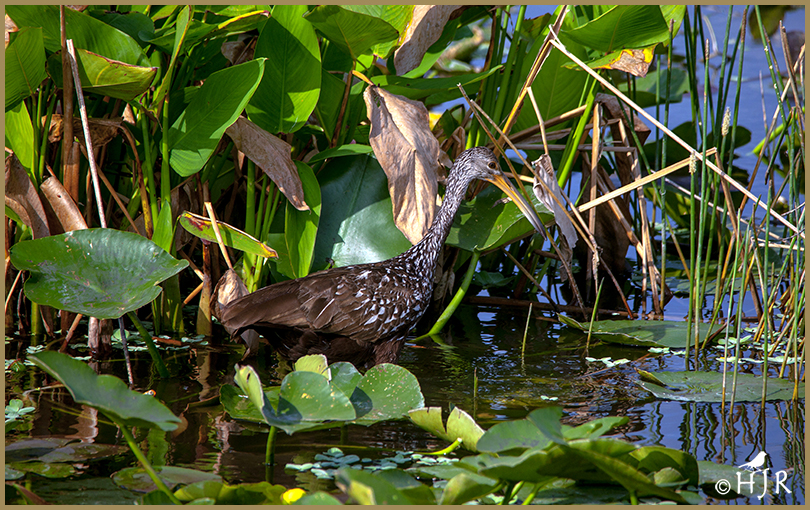
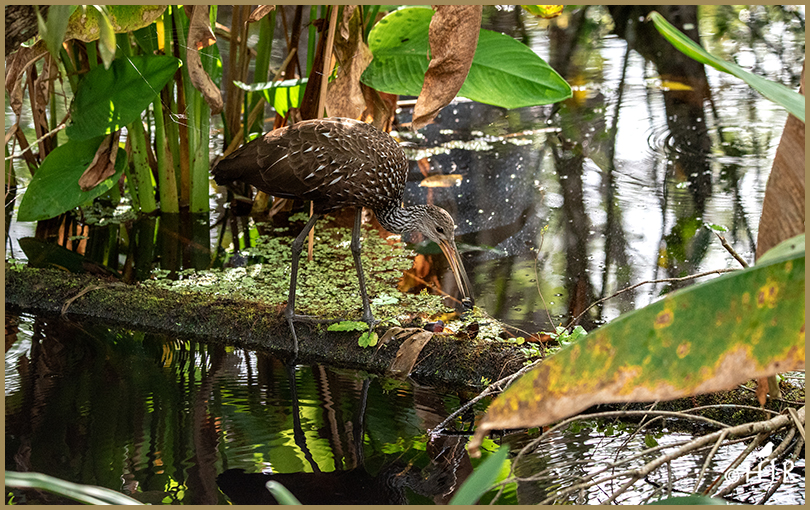
The Limpkin (Aramus guarauna), is a large wading bird related to rails and cranes, and the only extant species in the family Aramidae. It is found mostly in wetlands in warm parts of the Americas, from Florida to northern Argentina. It feeds on molluscs, with the diet dominated by apple snails of the genus Pomacea. Its name derives from its seeming limp when it walks Limpkins forage primarily in shallow water and on floating vegetation such as water hyacinth and water lettuce. When wading, they seldom go deeper than having half the body underwater, and never are submerged up to the back. They walk slowly with a gait described as “slightly undulating” and “giving the impression of lameness or limping”, “high-stepping”, or “strolling”, looking for food if the water is clear or probing with the bill. They do not associate with other birds in mixed-species feeding flocks, as do some other wading birds, but may forage in small groups with others of their species.The diet of the limpkin is dominated by apple snails (Ampullariidae) of the genus Pomacea. The availability of this one mollusk has a significant effect on the local distribution of the limpkin. Freshwater mussels, including Anodonta cowperiana, Villosa vibex, Elliptio strigosus, E. jayensis, and Uniomerus obesus, as well as other kinds of snails, are a secondary food sources. Less important prey items are insects, frogs, lizards, crustaceans and worms. These prey items may be important in periods of drought or flooding when birds may be pushed into less than optimal foraging areas. In one site in Florida, moon snails and mussels were the most important prey items. Two studies, both in Florida, have looked at the percentage composition of the diet of limpkins. One, looking at stomach contents, found 70% Pomacea apple snails, 3% Campeloma, and 27% unidentified mollusc, probably Pomacea.
© HJ Ruiz – Avian101
Share this:

Special Places # 42
Flowers
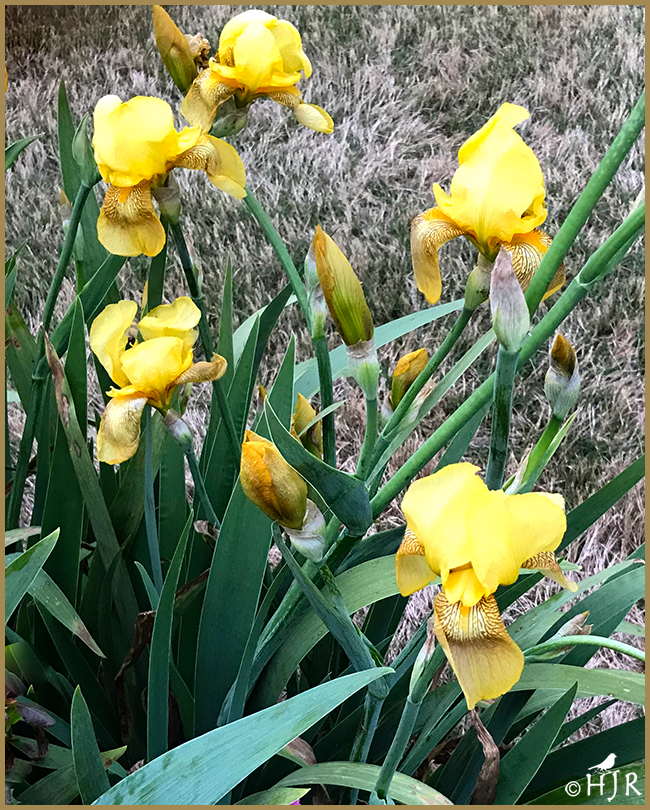
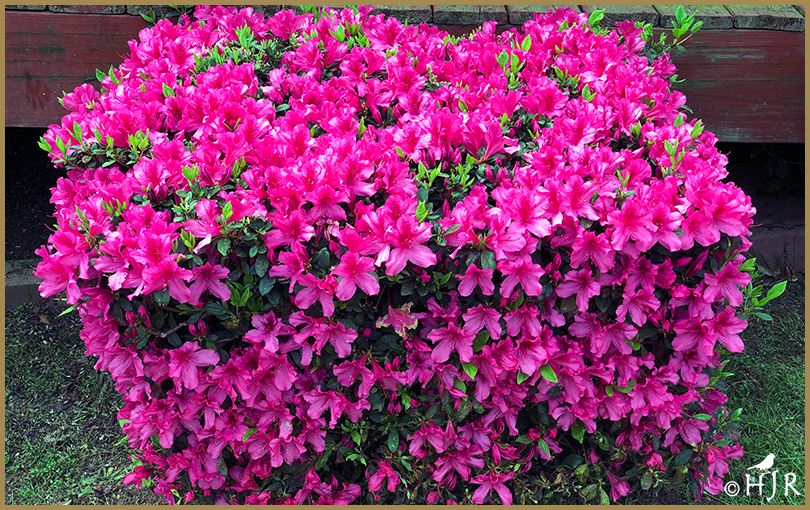
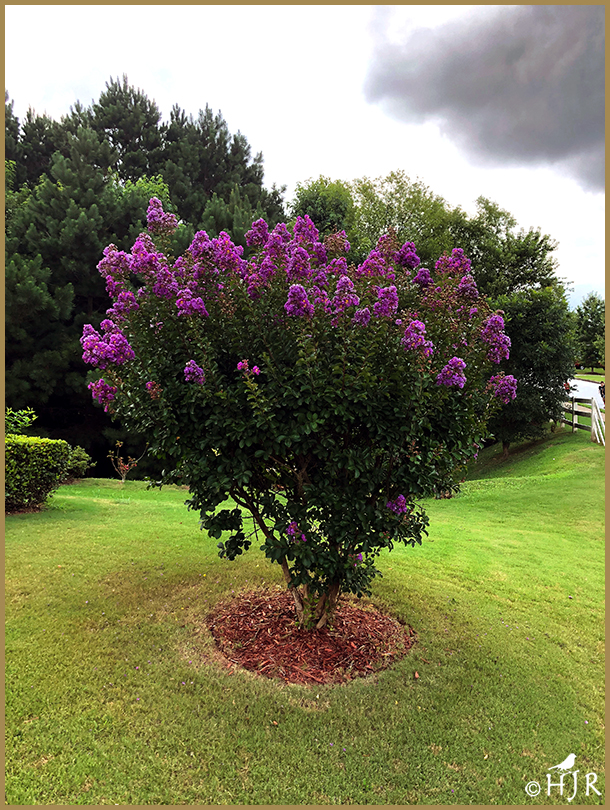
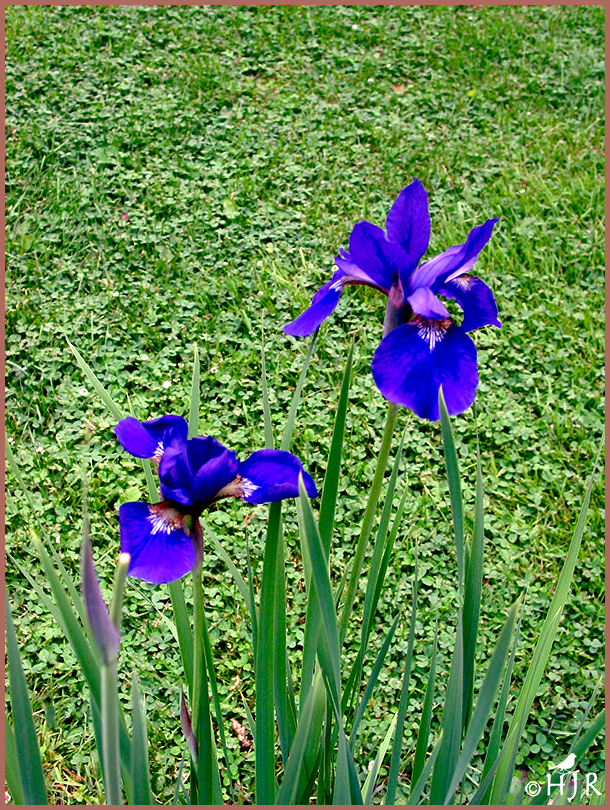
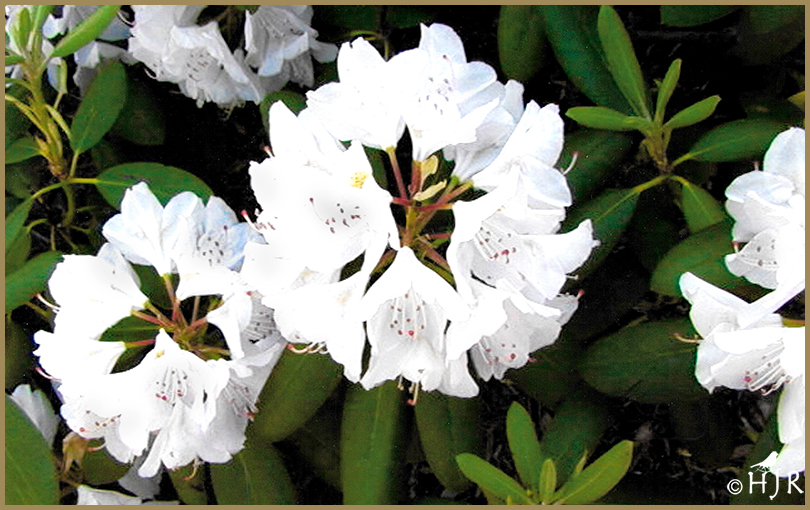
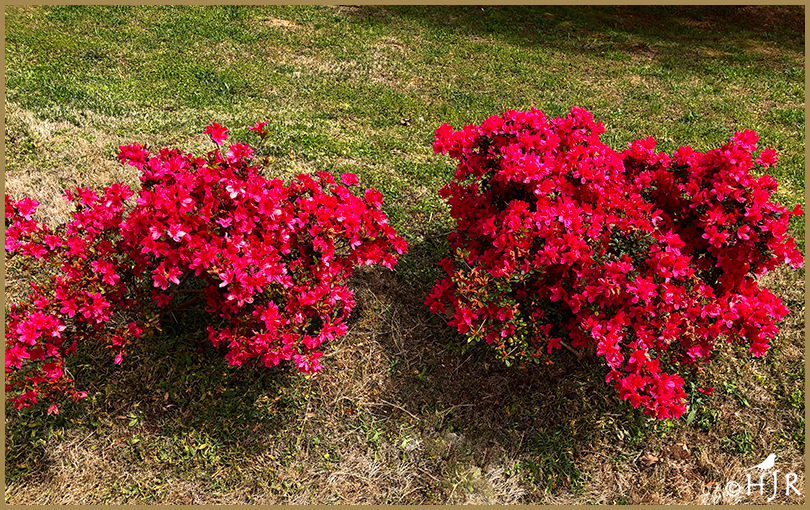
1 – Top Left: Yellow Iris.
2 – Top Right: Pink Azalea.
3 – Bottom First: Purple Crepe Myrtle.
4 – Bottom Second: Purple Iris.
5 – Bottom Third: White Rhododendron.
6 – Bottom Fourth: Red Azalea.
Note: These flowers are from my garden.
© HJ Ruiz – Avian101
Share this:

Read Past Reviews

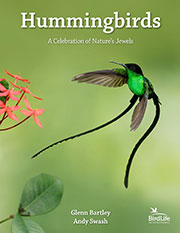
Book # 69
Quote from the Author
“A good chuckle is healthy, it helps you break the monotony of a serious life.” ~ H.J. Ruiz
 H.J. Ruiz - Avian101
You must be logged in to post a comment.