Birds of the Week # 42
Blue Jay
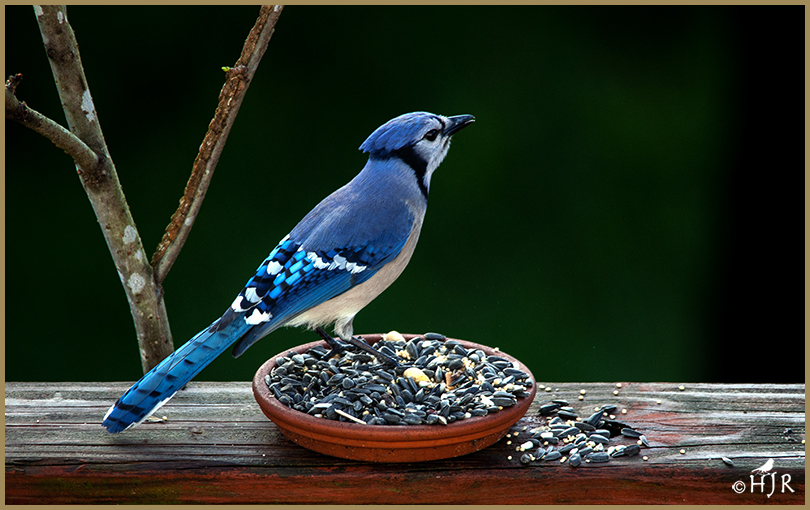
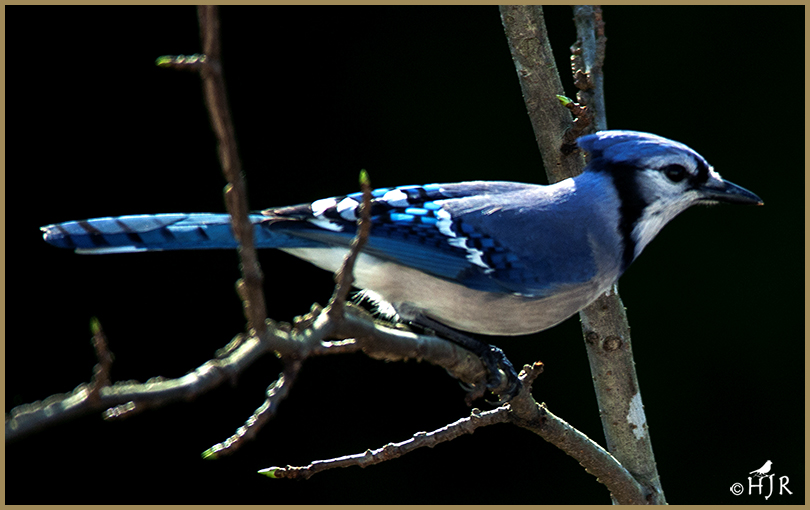
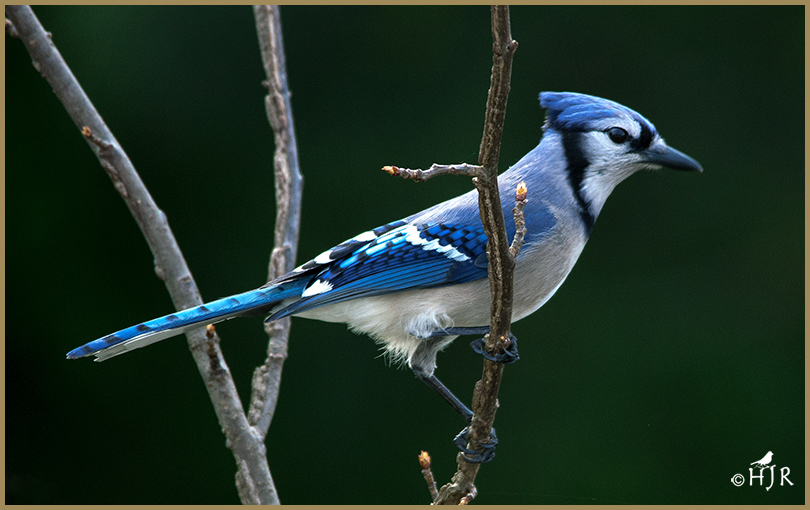
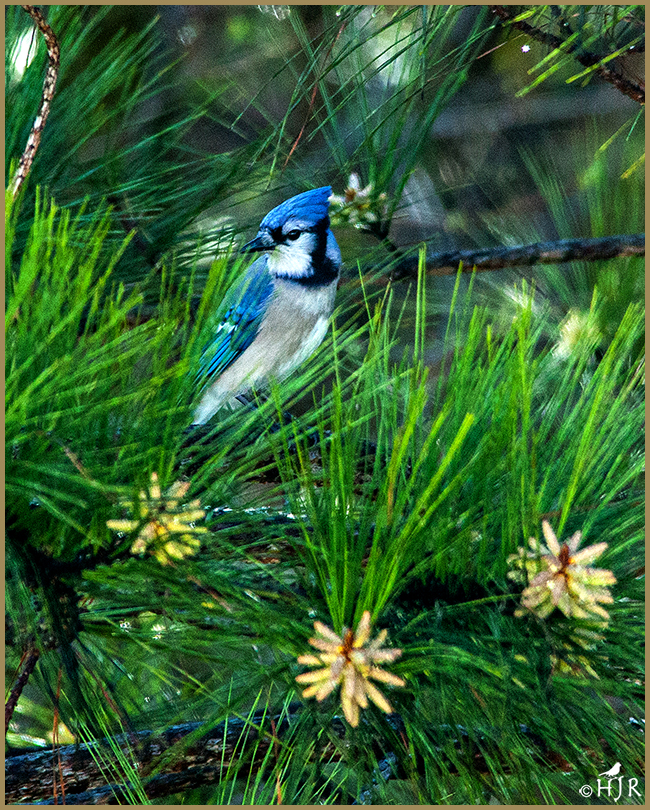
The Blue Jay (Cyanocitta cristata) is a passerine bird in the family Corvidae, native to eastern North America. It lives in most of the eastern and central United States; some eastern populations may be migratory. Its plumage is lavender-blue to mid-blue in the crest, back, wings, and tail, and its face is white. The underside is off-white and the neck is collared with black which extends to the sides of the head. The wing primaries and tail are strongly barred with black, sky-blue, and white. The bill, legs, and eyes are all black. Males and females are almost identical, but the male is slightly larger. The black plumage on its nape, face, and throat varies extensively between individuals; it is believed to assist in recognition between individuals.
Pine Warbler
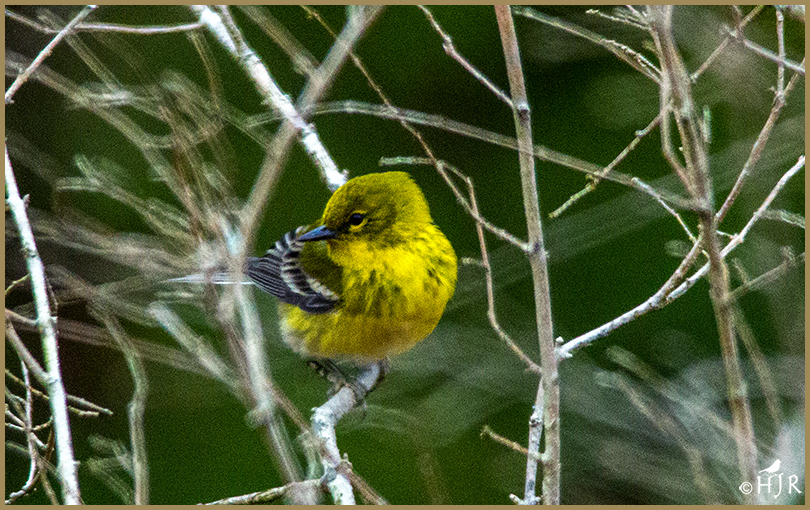
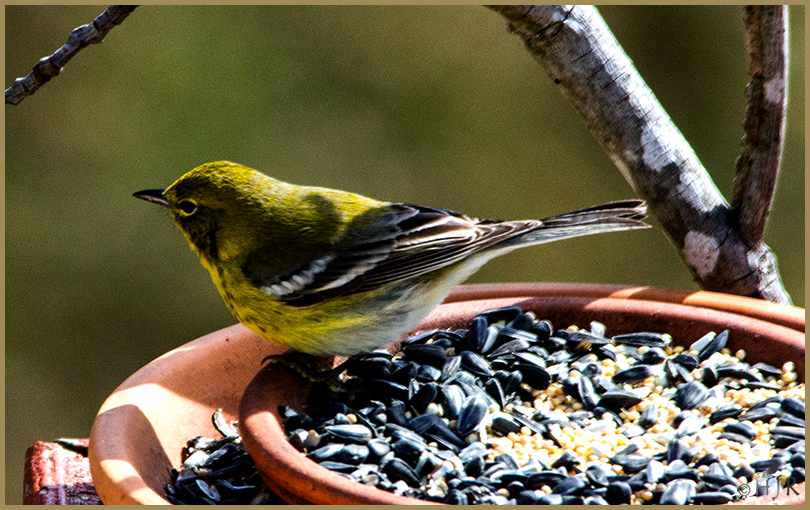
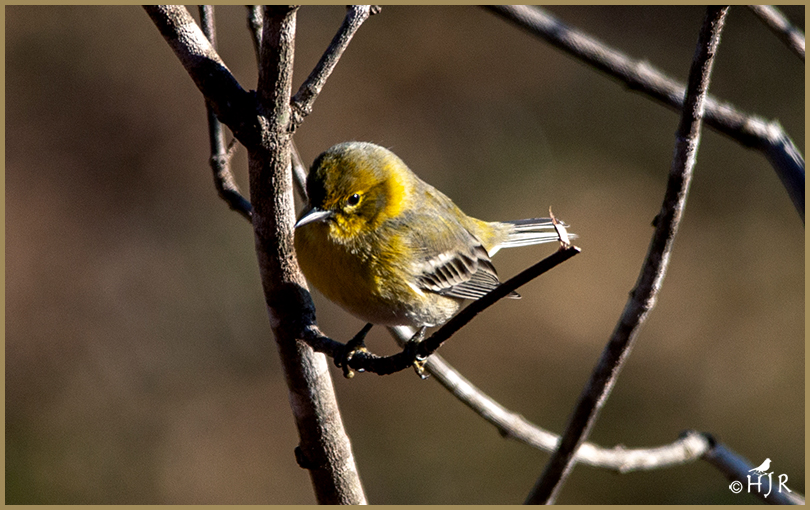
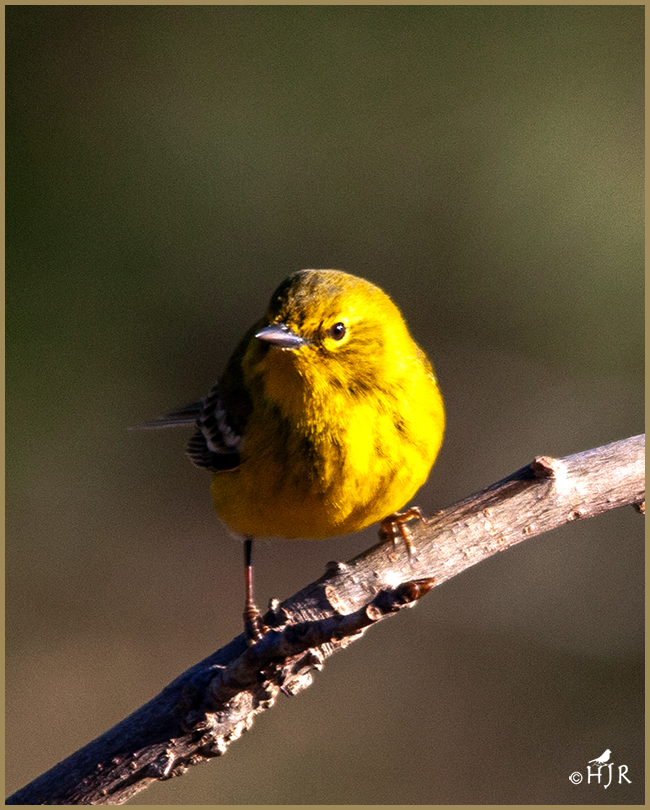
The Pine Warbler (Setophaga pinus) is a small songbird of the New World warbler family. They forage slowly on tree trunks and branches by poking their bill into pine cones. These birds also find food by searching for it on the ground. These birds mainly eat insects, seeds and berries. Their nests are deep, open cups, which are placed near the end of a tree branch. Pine warblers prefer to nest in pine trees, hence their names. Three to five blotched white eggs are laid.
© HJ Ruiz 0- Avian101
Share this:

Special Places # 58
B & W Photos
Photo Gallery
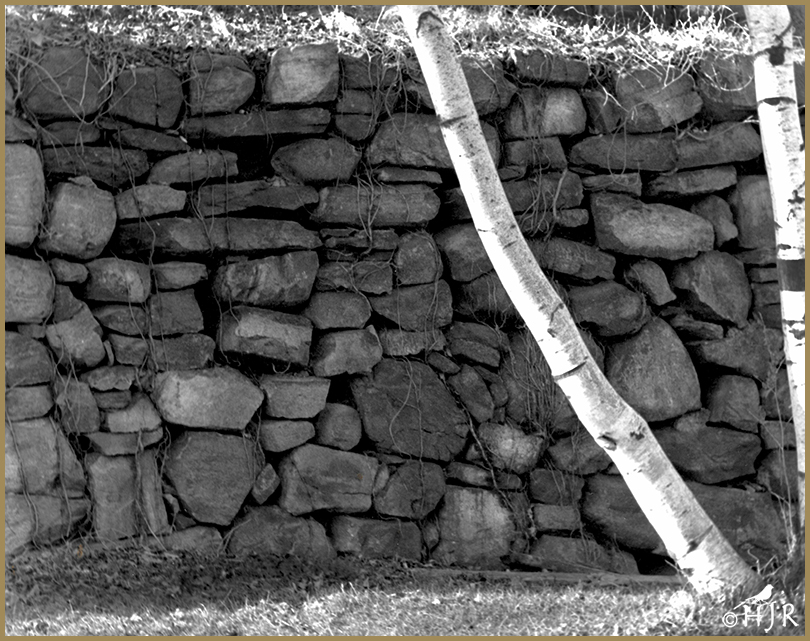



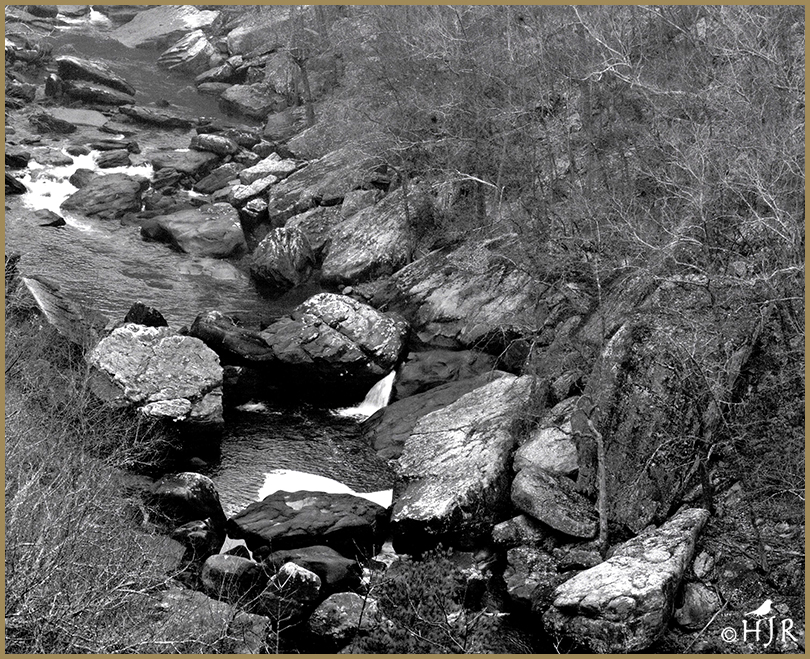
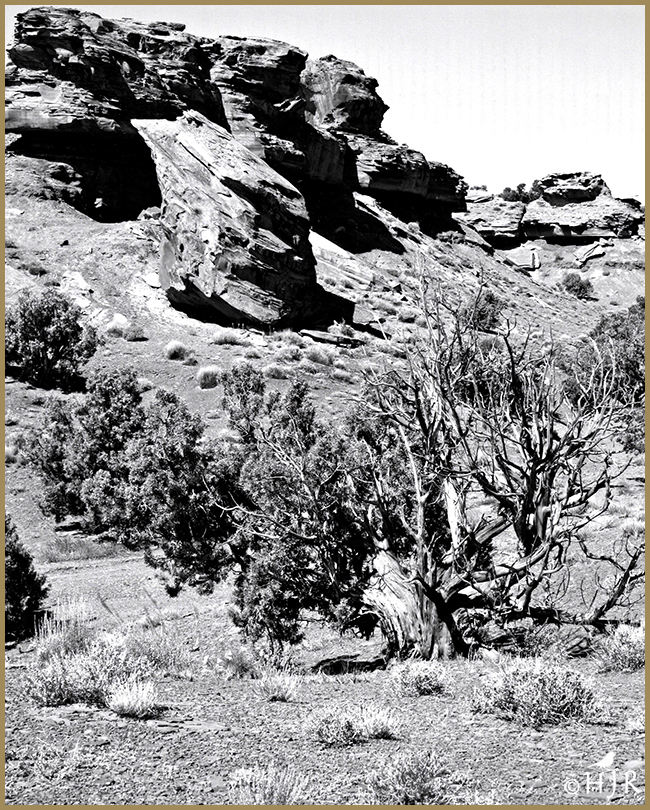
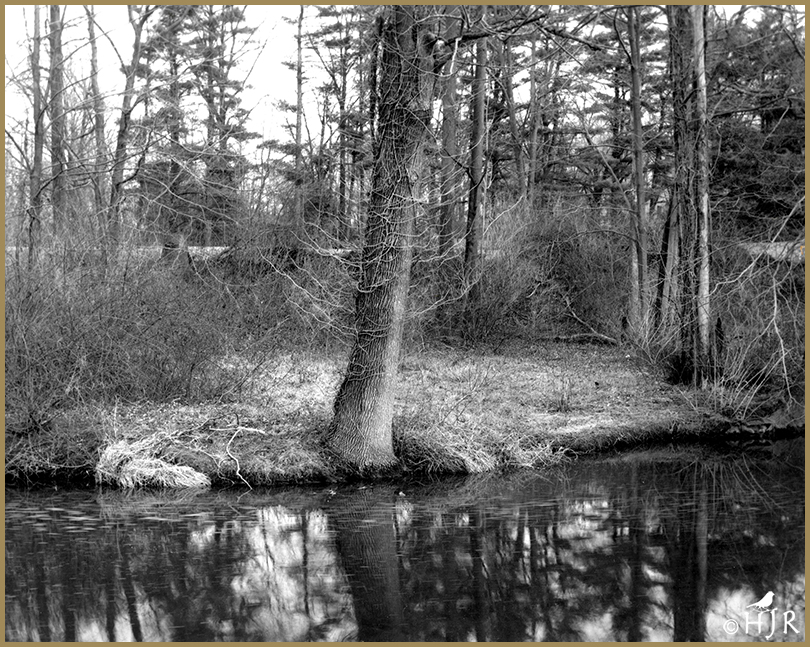
1 – Top Left – First tier: Stone wall and birch tree., New Jersey.
2 – Top Left – Second tier: Under the pier on the beach, Panama Beach, Florida.
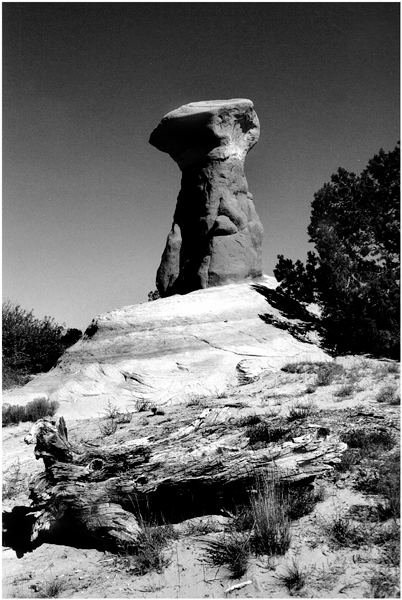
2 – Top Right : Rock formation in eroded Devil’s Garden Pk. Escalante, Utah.
4 – Middle Left: Arch formed of rock in Bryce National Park, Utah.
5 – Middle Right – First tier: Little stone shed at edge of frozen water reservoir, Boonton. New Jersey.
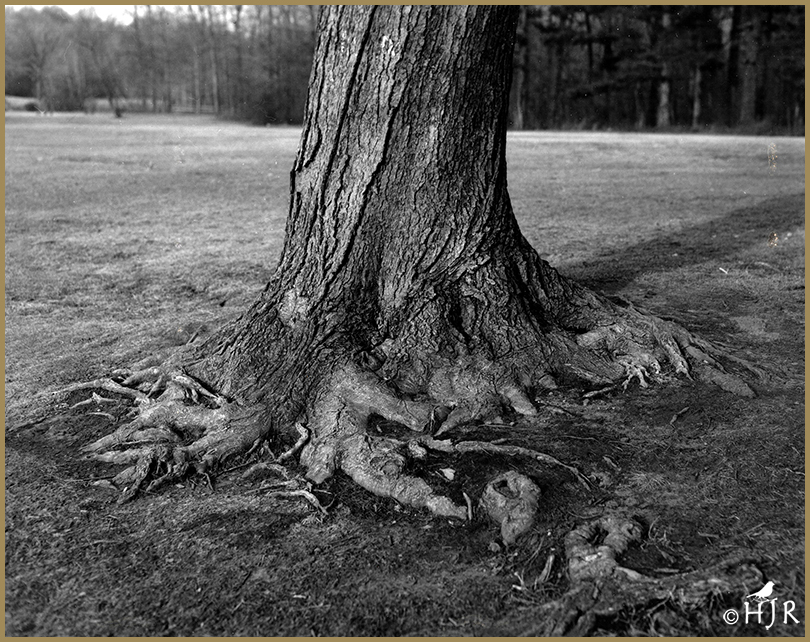
6 – Middle Right – Second tier: The rough, strong trunk of a tree in a field. Morris County, New Jersey.
7 – Middle Right – Third tier: Scene of of a rocky bed in drought season, Alabama.
8 Bottom Left: Scene shot on the way to Capitol Reef N.Pk. Utah.
9 – Bottom Right: Watching the reflection of the woods from across the pond. New Jersey.
© HJ Ruiz – Avian101
Share this:

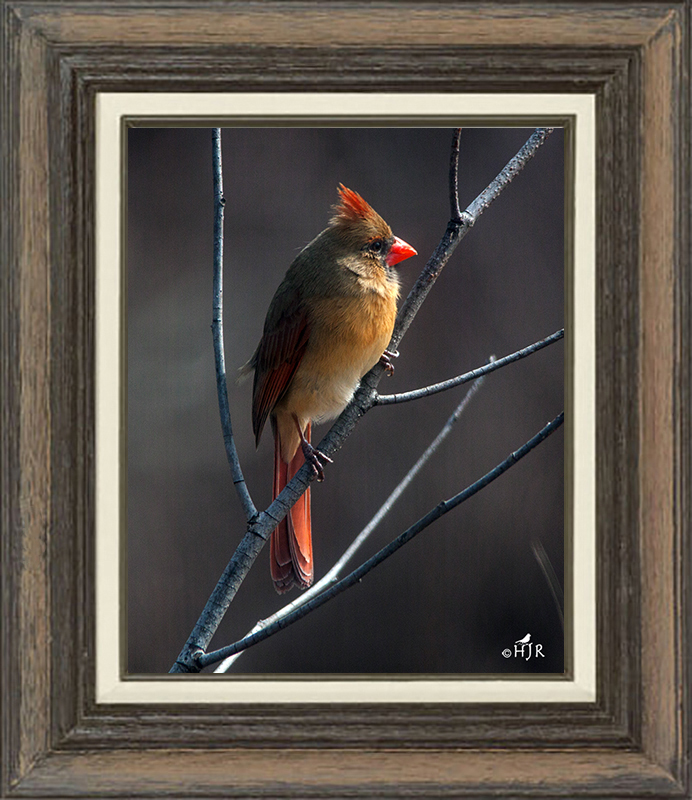
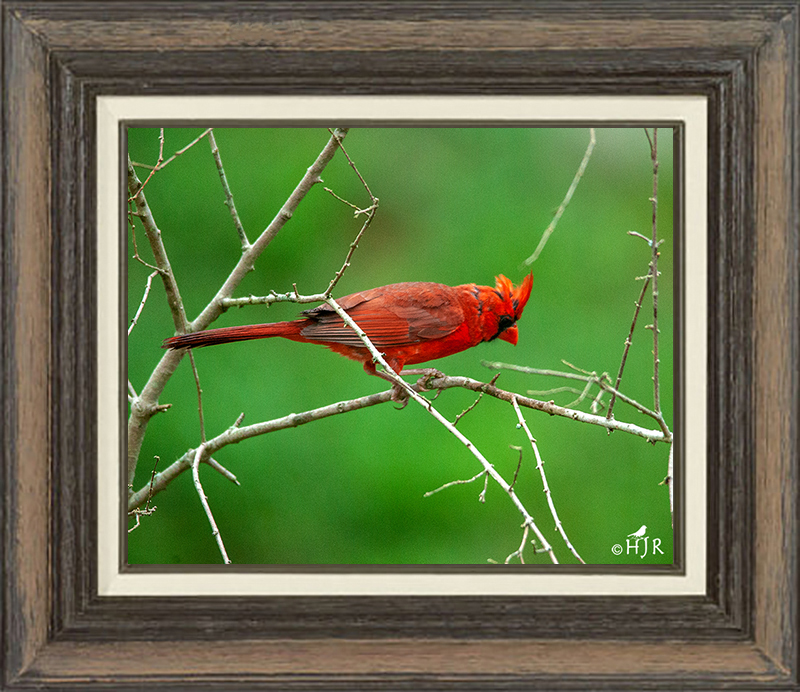
Red Art Gallery – Northern Cardinal # 68
Red Art Gallery
Photo Gallery
© HJ Ruiz – Avian101
Share this:

Birds of the Week # 41
American Goldfinch

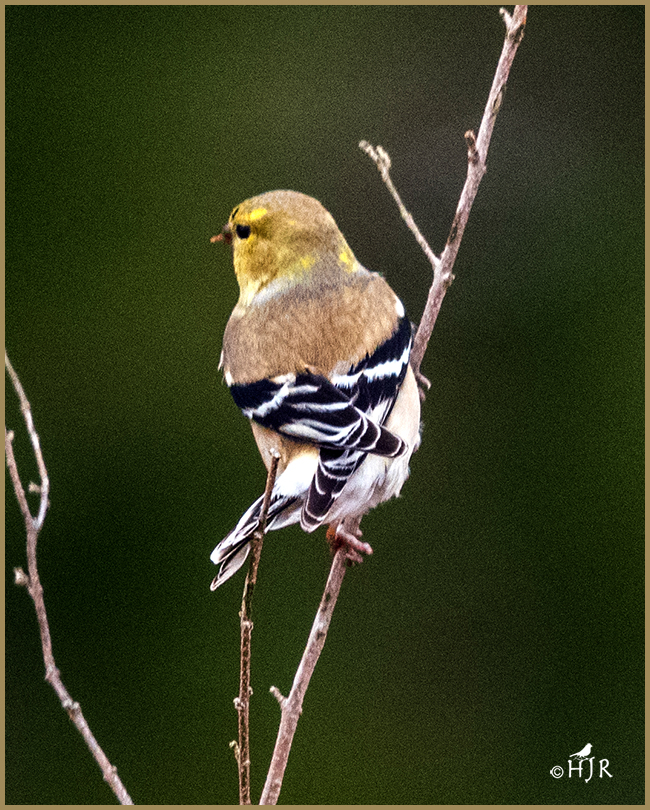
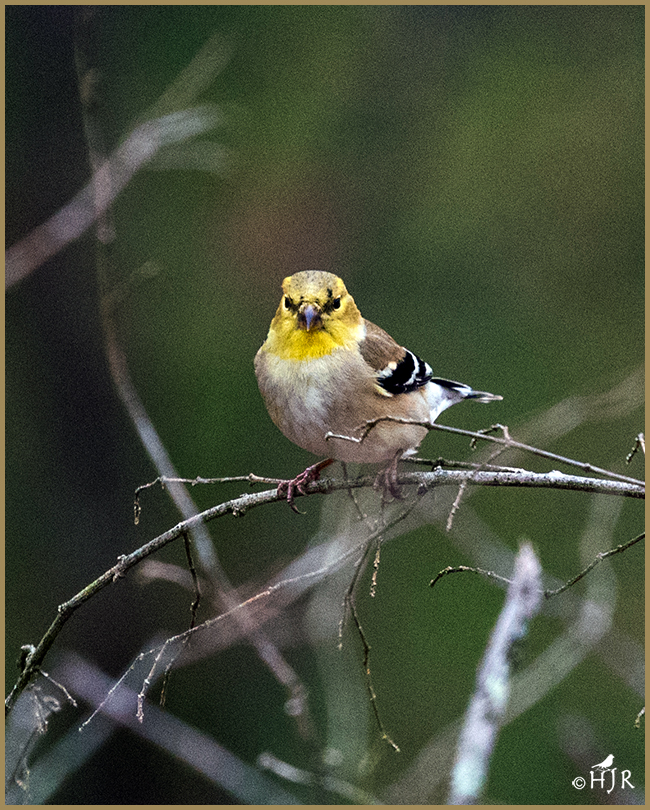
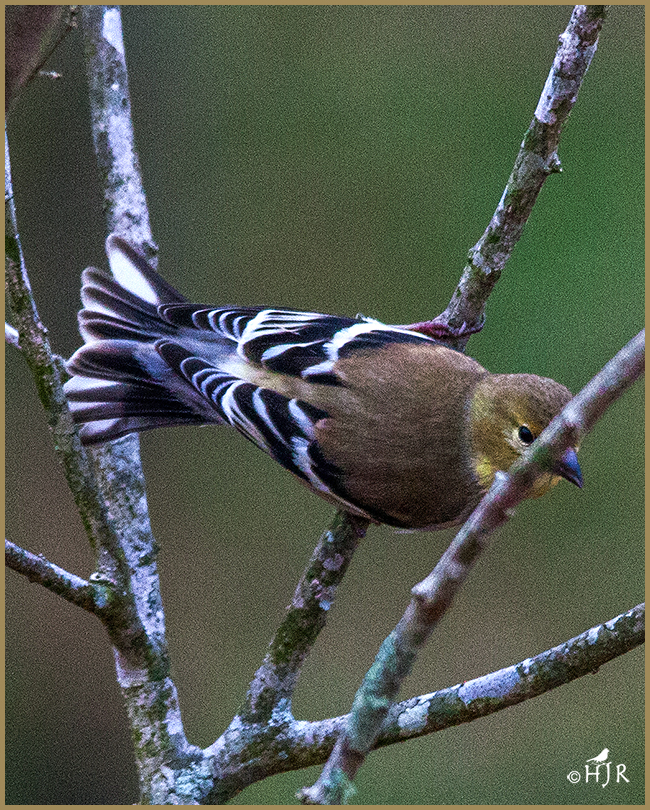
The American Goldfinch (Spinus tristis) is a small North American bird in the finch family. It is migratory, ranging from mid-Alberta to North Carolina during the breeding season, and from just south of the Canada–United States border to Mexico during the winter. These little birds are a delight too see every year. They bring color, just like flowers in bloom. I enjoy them a lot when they arrive. When they are in breeding season their plumage increases to brighter yellow, making them look like flying flowers. Quite an pretty sight! The American goldfinch prefers open country where weeds thrive, such as fields, meadows, flood plains, as well as roadsides, orchards, and gardens. It may also be found in open deciduous and riparian woodlands and areas of secondary growth. This habitat preference continues during the spring and autumn migrations.
Song Sparrow
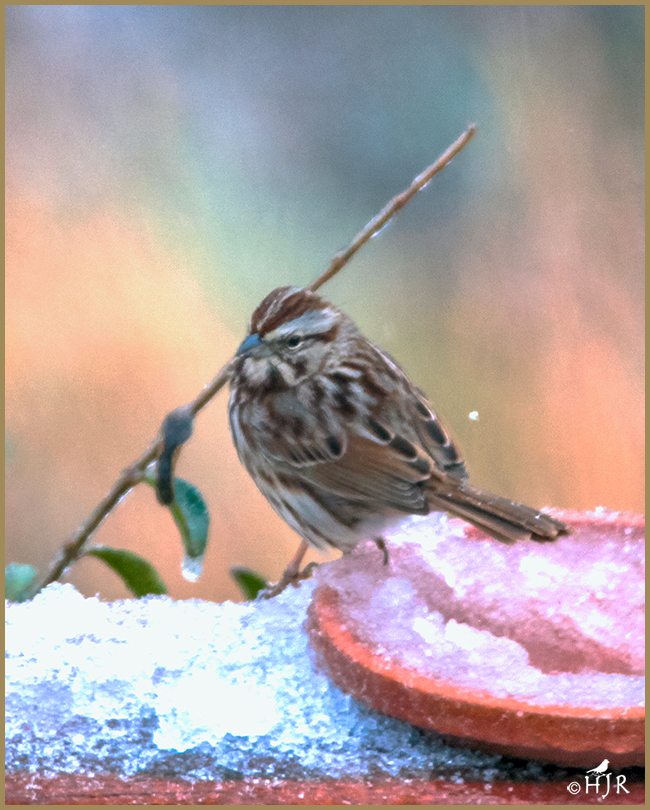
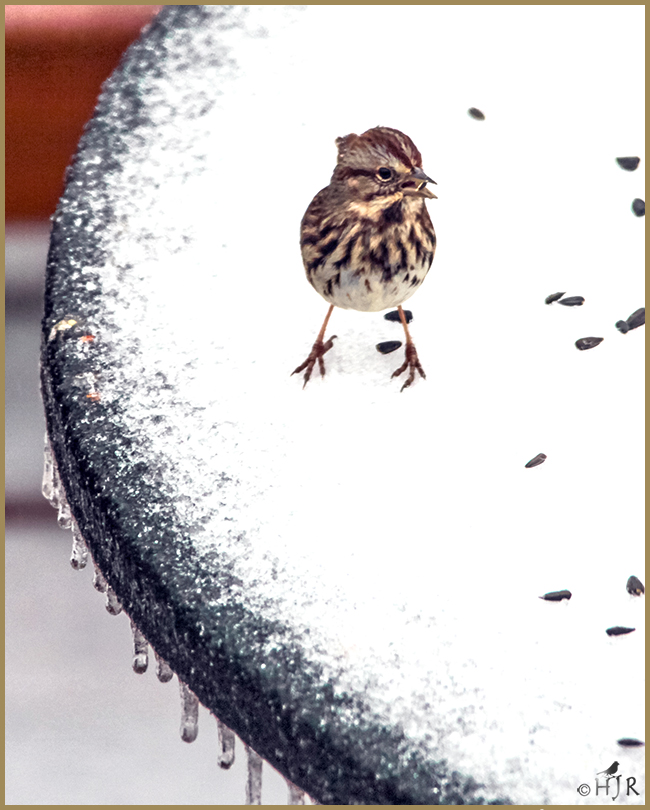
The Song Sparrow (Melospiza melodia) is a medium-sized New World sparrow. Among the native sparrows in North America, it is easily one of the most abundant, variable and adaptable species. These birds are all year round in my backyard. They are all over the place, looking for food, every object they see they investigate and see trying to find any food to eat. They prefer to eat on the ground and seldom go to feeders. The sparrow species derives its name from its colorful repertoire of songs. Enthusiasts report that one of the songs heard often in suburban locations closely resembles the opening four notes of Ludwig van Beethoven’s Symphony No. 5.
Field Sparrow
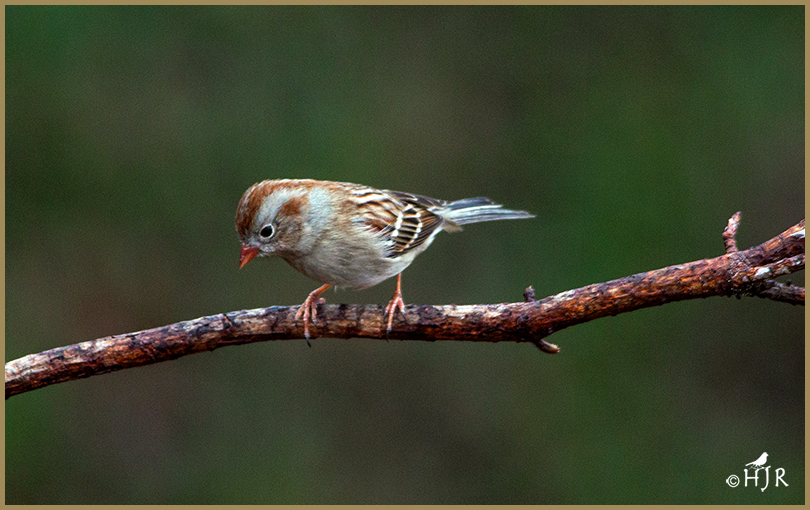
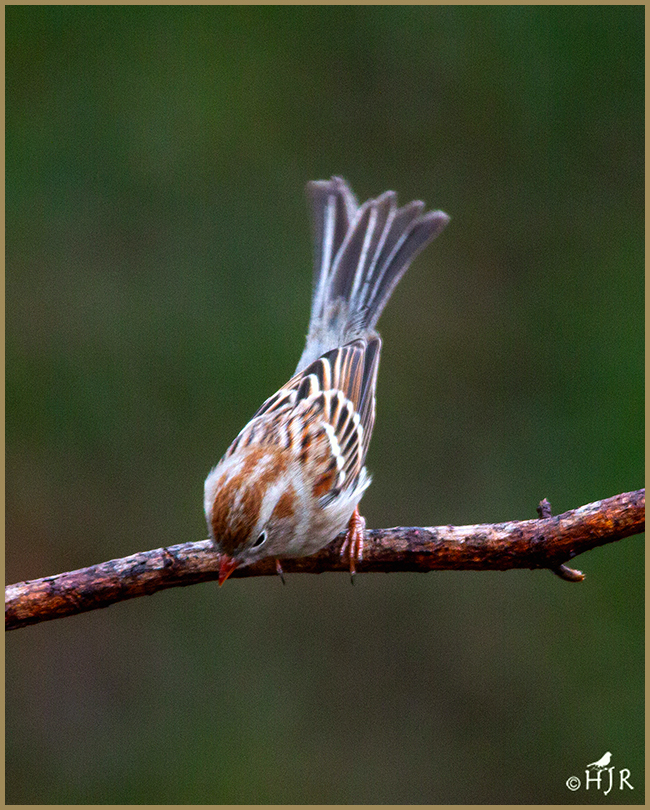
The Field Sparrow (Spizella pusilla) is a small New World sparrow in the family Passerellidae. The field sparrow is distributed across eastern Canada and the eastern United States, with northern populations migrating southwards to southern United States and Mexico in the fall. The typical habitat of this bird is bushy country with shrubs and grassland. The nest is a cup-shaped construction built on the ground and hidden beneath a bush or clump of grass. The birds forage on the ground or in low vegetation, feeding mainly on seeds and insects. They reside in my backyard great part of the year. Nice little birds to have around.
© HJ Ruiz – Avian101
Share this:

Read Past Reviews

Book # 69
Quote from the Author
“A good chuckle is healthy, it helps you break the monotony of a serious life.” ~ H.J. Ruiz
 H.J. Ruiz - Avian101
You must be logged in to post a comment.