Panoramic Photography # 7

Brown Pelican
HJ Ruiz – December13th, 2023
Share this:

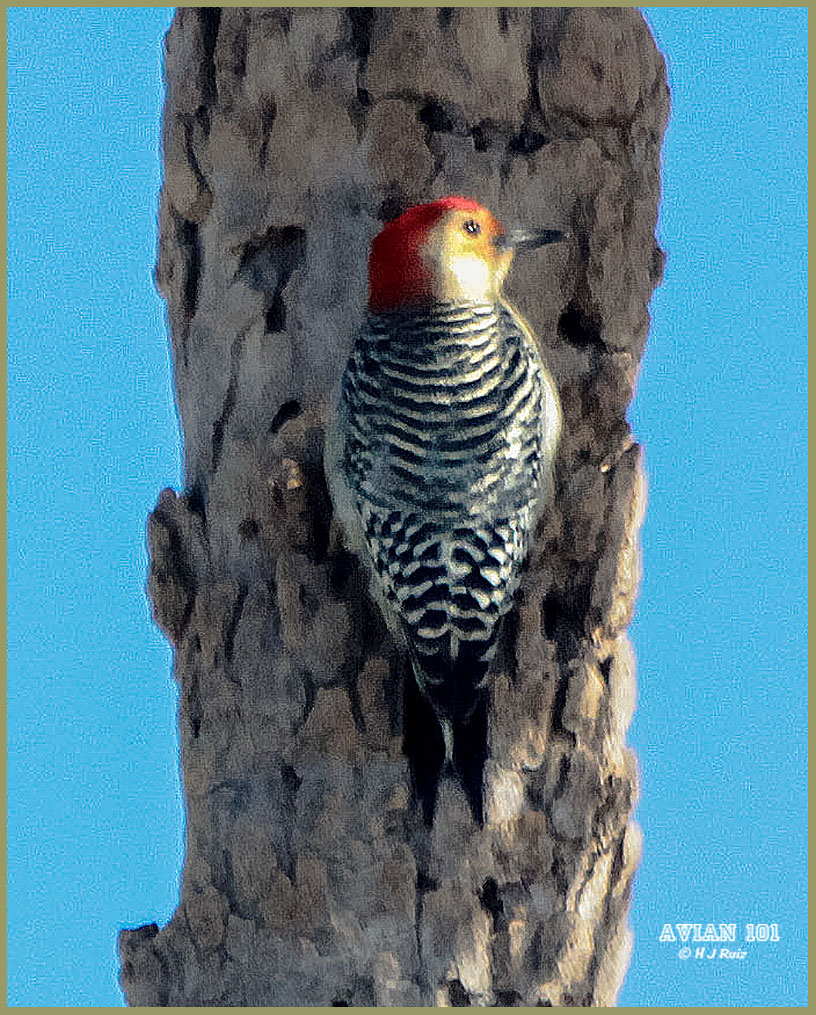
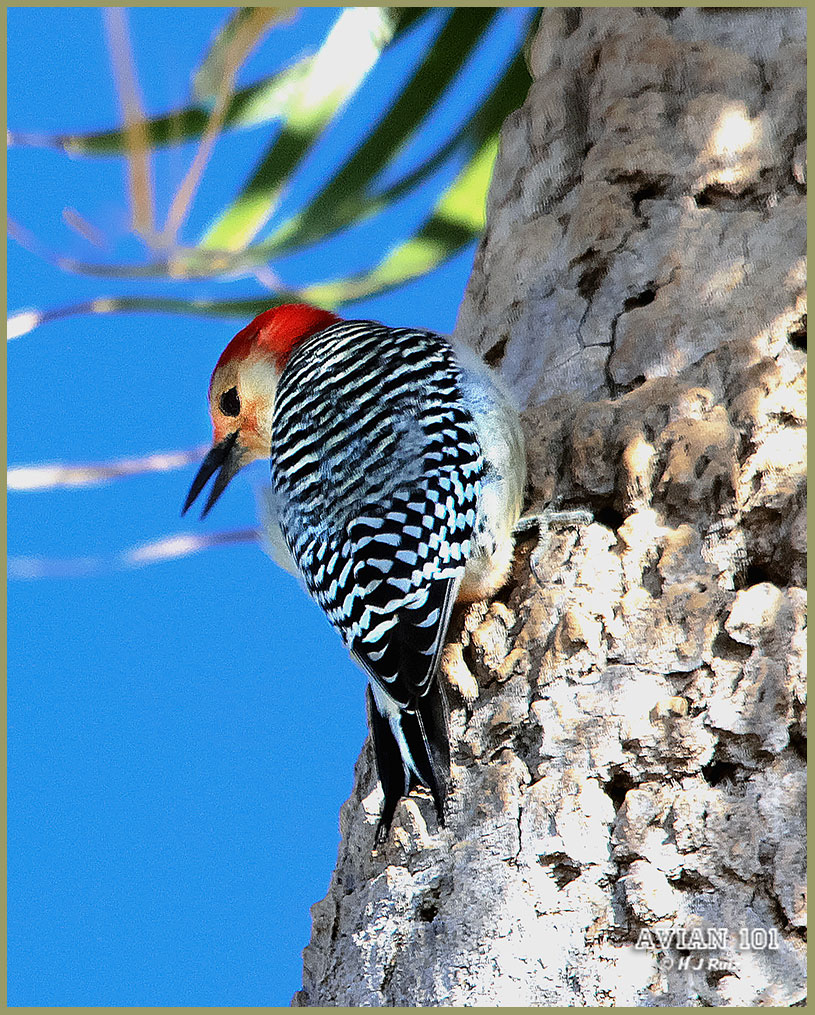
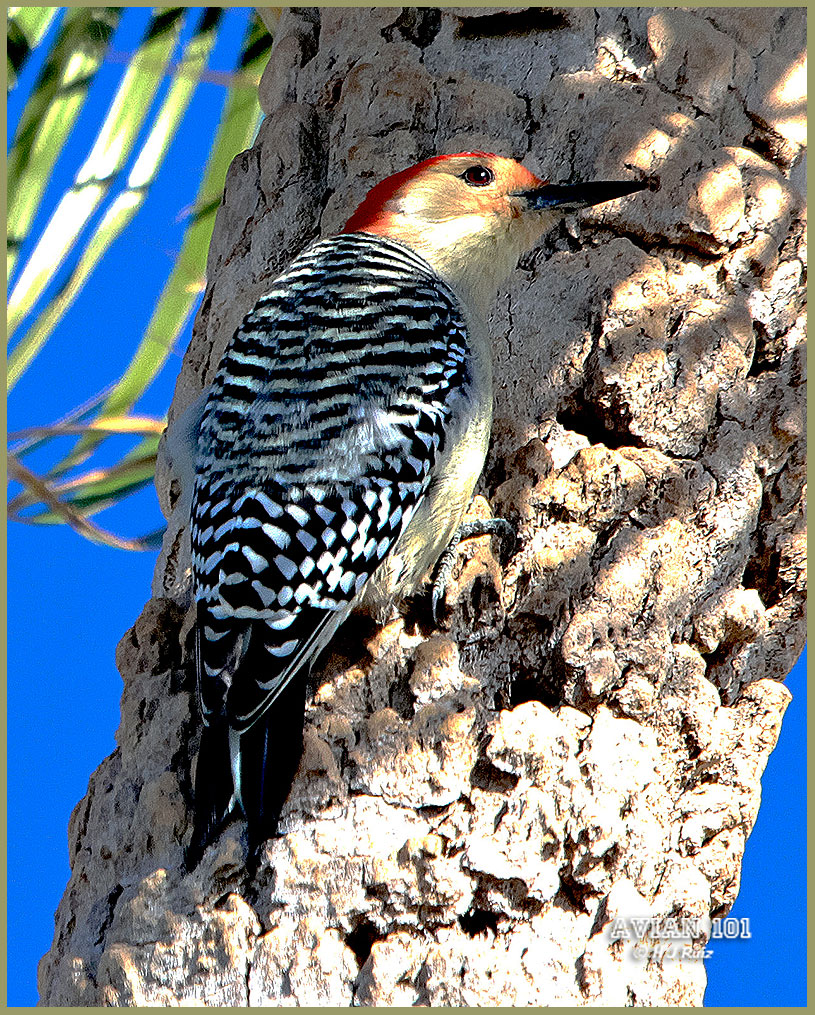
Red-bellied Woodpecker
The Red-bellied Woodpecker (Melanerpes carolinus) is a medium-sized woodpecker of the family Picidae. It breeds mainly in the eastern United States, ranging as far south as Florida and as far north as Canada. Though it has a vivid orange-red crown and nape it is not to be confused with the red-headed woodpecker, a separate species of woodpecker in the same genus with an entirely red head and neck that sports a solid black back and white belly. The red-bellied earns its name from the pale reddish blush of its lower underside. Adults are mainly light gray on the face and underparts; they have black and white barred patterns on their back, wings and tail. Adult males have a red cap going from the bill to the nape; females have a red patch on the nape and another above the bill. The reddish tinge on the belly that gives the bird its name is difficult to see in field identification. They are 22.85 to 26.7 cm (9.00 to 10.51 in) long, have a wingspan of 38 to 46 cm (15 to 18 in), and weigh 2.0–3.2 oz (56–91 g).
Photo Gallery
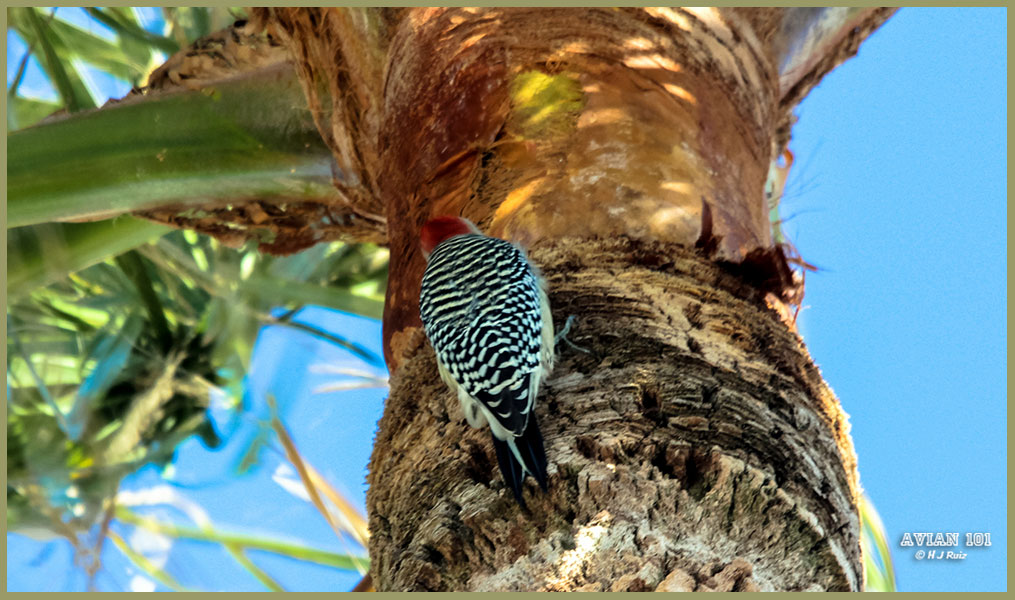
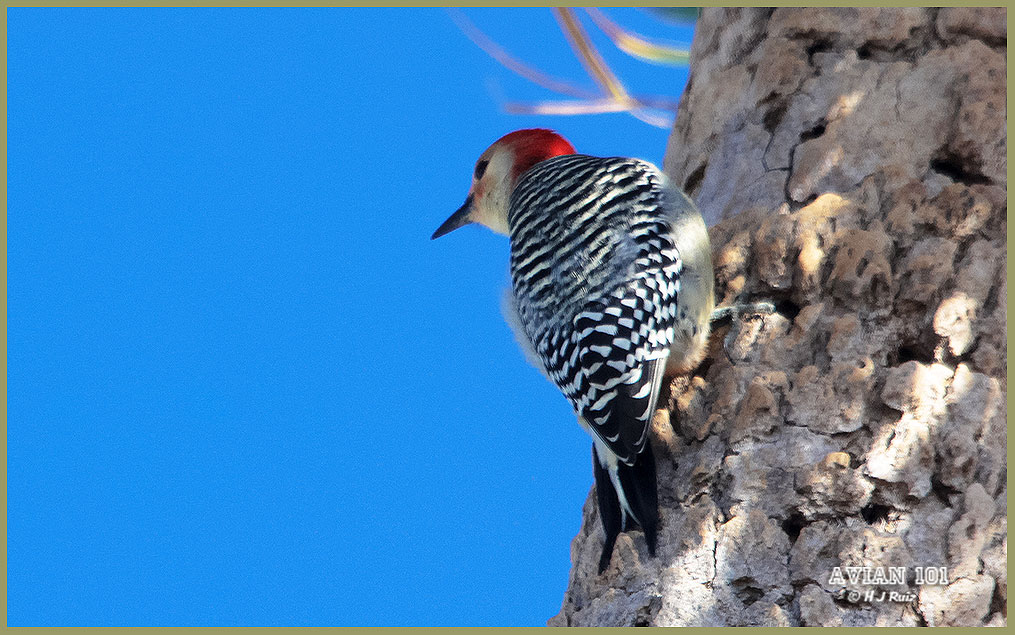

HJ Ruiz – December 12th, 2023
Share this:

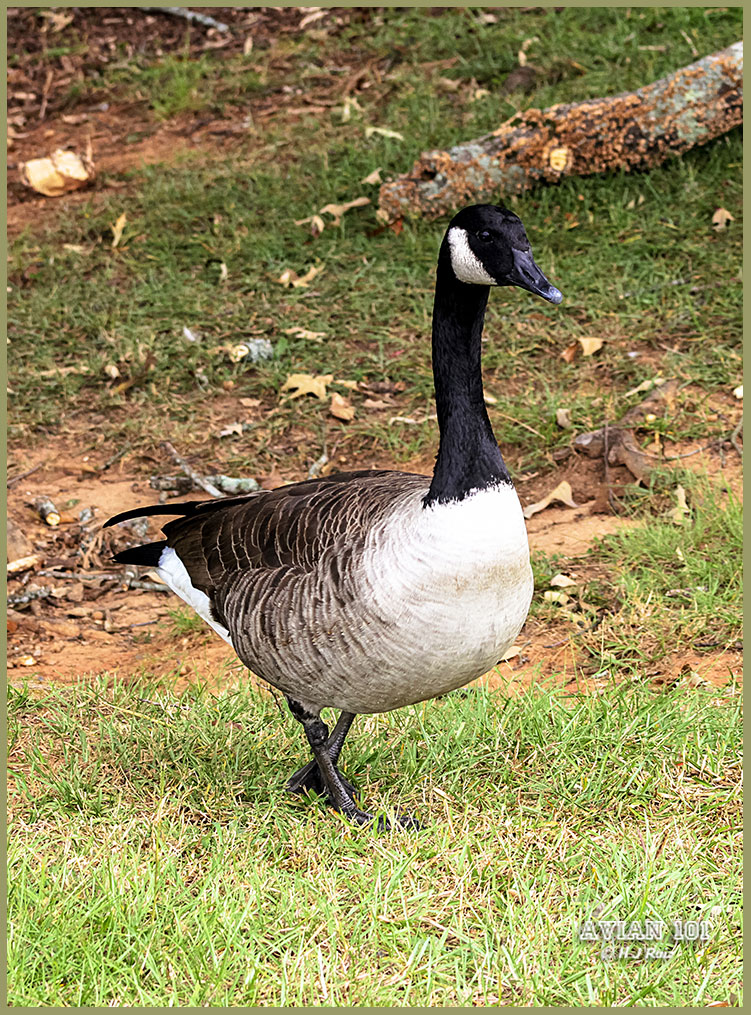
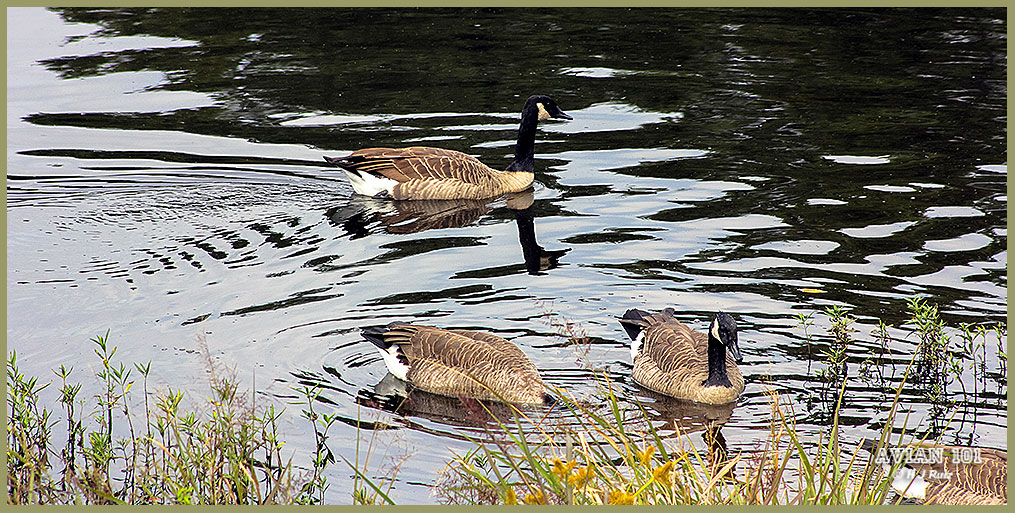
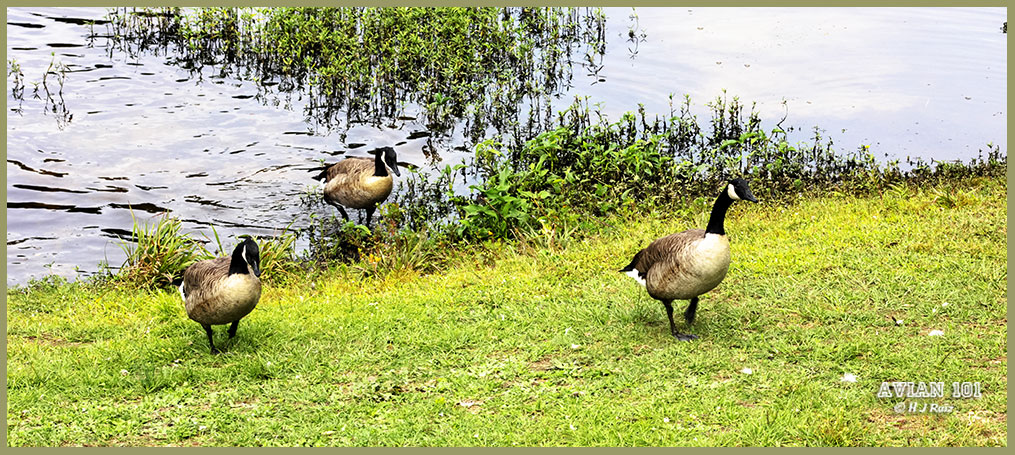
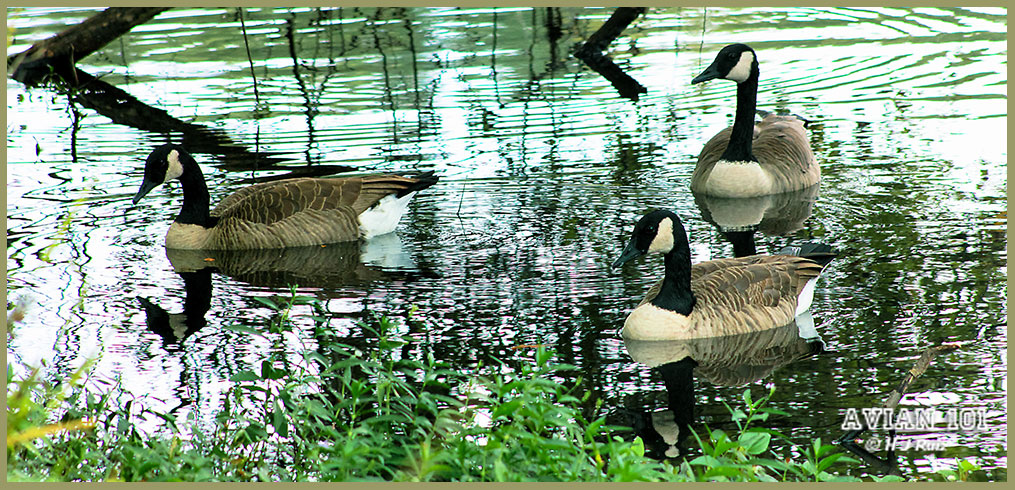
Canada Goose
The Canada Goose (Branta canadensis), sometimes called Canadian goose, is a large wild goose with a black head and neck, white cheeks, white under its chin, and a brown body. It is native to the arctic and temperate regions of North America, and it is occasionally found during migration across the Atlantic in northern Europe. It has been introduced to France, the United Kingdom, Ireland, Finland, Sweden, Denmark, New Zealand, Japan, Chile, Argentina, and the Falkland Islands. Like most geese, the Canada goose is primarily herbivorous and normally migratory; often found on or close to fresh water, the Canada goose is also common in brackish marshes, estuaries, and lagoons. The black head and neck with a white “chinstrap” distinguish the Canada goose from all other goose species, with the exception of the cackling goose and barnacle goose (the latter, however, has a black breast and gray rather than brownish body plumage). Some Canadian geese come with a pepper-spotted or brown neck with brown plumage, and these are assumed to be a leucistic variety.
Photo Gallery
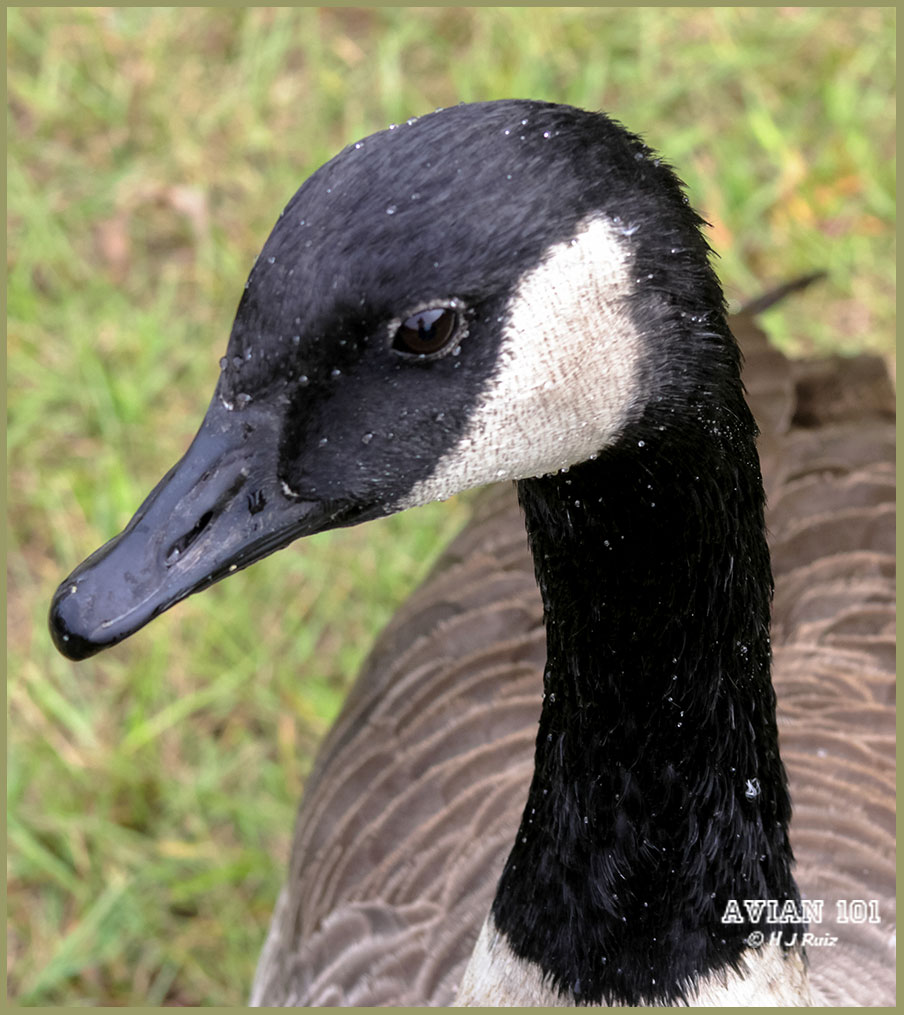
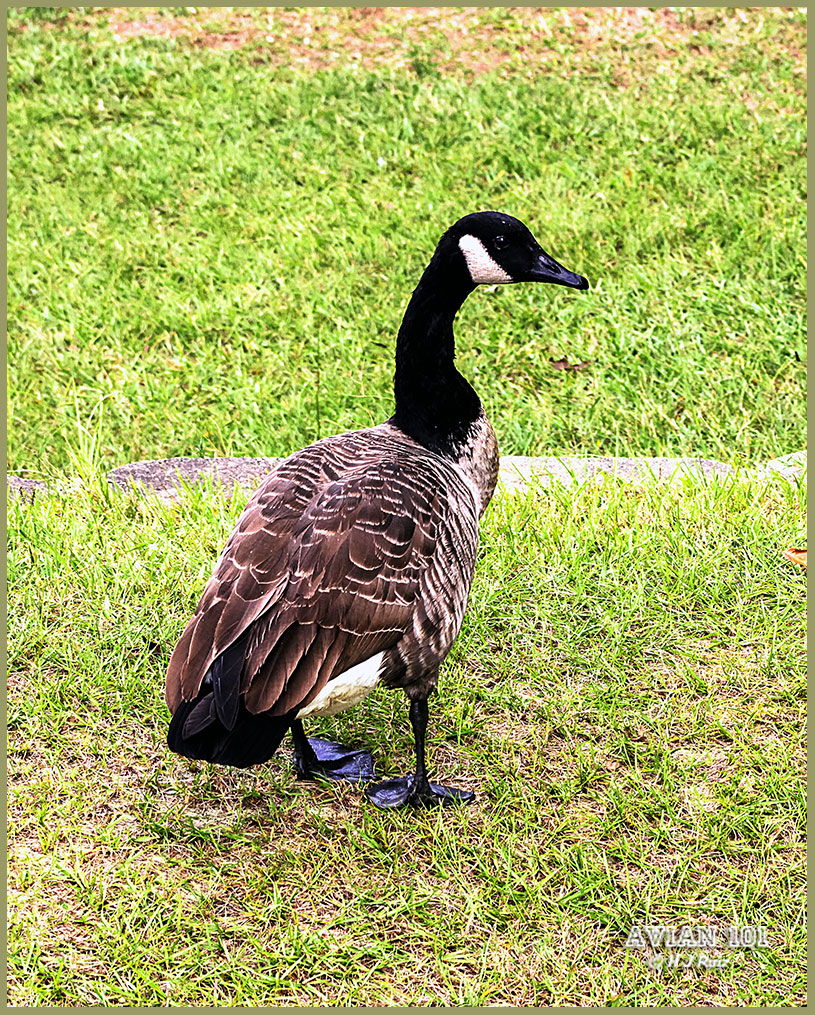
HJ Ruiz – December 10th, 2023
Share this:

American Coot
The American Coot (Fulica americana), also known as a mud hen or pouldeau, is a bird of the family Rallidae. Though commonly mistaken for ducks, American coots are only distantly related to ducks, belonging to a separate order. Unlike the webbed feet of ducks, coots have broad, lobed scales on their lower legs and toes that fold back with each step which facilitates walking on dry land. Coots live near water, typically inhabiting wetlands and open water bodies in North America. Groups of coots are called covers or rafts. The oldest known coot lived to be 22 years old. The American coot measures 34–43 cm (13–17 in) in length with a wingspan of 58 to 71 cm (23 to 28 in). Adults have a short, thick, white bill and white frontal shield, which usually has a reddish-brown spot near the top of the bill between the eyes. Males and females look alike, but females are smaller. Body mass in females ranges from 427 to 628 g (0.941 to 1.385 lb) and in males from 576 to 848 g (1.270 to 1.870 lb). Juvenile birds have olive-brown crowns and a gray body. They become adult-colored around 4 months of age.
Photo Gallery


HJ Ruiz – December 8th, 2023
Share this:

Read Past Reviews

Book # 69
Quote from the Author
“A good chuckle is healthy, it helps you break the monotony of a serious life.” ~ H.J. Ruiz
 H.J. Ruiz - Avian101
You must be logged in to post a comment.