Photography of Birds – Set # 63
Set # 63
Tufted Titmouse


The tufted titmouse gathers food from the ground and from tree branches. It eats berries, nuts, insects, small fruit, snails, and seeds. Caterpillars constitute a major part of its diet during the summer. Titmice will stash food for later use. The titmouse can demonstrate curiosity regarding humans, and will sometimes perch on a window ledge and seem to be peering into the house. It is a regular visitor around bird feeders. Its normal pattern is to scout a feeder from cover, fly in to take a seed, then fly back to cover to eat it.
© HJ Ruiz – Avian101
Share this:

Photography of Birds – Set # 62
Set # 62
Song Sparrow


Song sparrows typically learn their songs from a handful of other birds that have neighboring territories. They are most likely to learn songs that are shared between these neighbors. Ultimately, they will choose a territory close to or replacing the birds that they have learned from. This allows the song sparrows to address their neighbors with songs shared with those neighbors.
© HJ Ruiz – Avian101
Share this:

Red Gallery – Northern Cardinal
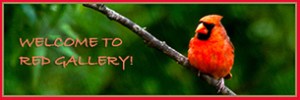
Photo Gallery


© HJ Ruiz – Avian101
Share this:

Photography of Birds – Set # 61
Set # 61
Blue Jays
Photo Gallery


As with most other blue-hued birds, the blue jay’s coloration is not derived from pigments but is the result of light interference due to the internal structure of the feathers; if a blue feather is crushed, the blue disappears because the structure is destroyed. This is referred to as structural coloration.
© HJ Ruiz – Avian101
Share this:

Read Past Reviews

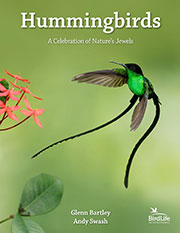
Book # 69
Quote from the Author
“A good chuckle is healthy, it helps you break the monotony of a serious life.” ~ H.J. Ruiz


You must be logged in to post a comment.