
Reddish Egret
The Reddish Egret (Egretta rufescens) is a medium-sized heron that is a resident breeder in Central America, the Bahamas, the Caribbean, the Gulf Coast of the United States (primarily Texas), and Mexico. The egret is known for its unusual foraging behavior compared to other herons as well as its association with mud flats, its habitat of choice. In the past, this bird was a victim of the plume trade and is North America’s “rarest and least studied ardeid. This species reaches 68–82 cm (27–32 in) in length, with a 116–125 cm (46–49 in) wingspan. Body mass in this species can range from 364–870 g (0.802–1.918 lb). Among standard linear measurements, the wing chord is 29–34.3 cm (11.4–13.5 in), the tail is 8.8–13 cm (3.5–5.1 in), the bill is 7.3–9.2 cm (2.9–3.6 in) and the tarsus is 11.7–14.7 cm (4.6–5.8 in). It is a medium-sized, long-legged, long-necked heron with a long pointed pinkish bill with a black tip. It is distinctly larger than other co-existing members of the genus Egretta, but smaller than the great blue heron and great egret. The legs and feet are bluish-black. While the sexes are similar, there are two distinct color morphs. The adult dark morph has a slate blue body and reddish head and neck with shaggy plumes. The adult white morph has entirely white body plumage. Young birds have a brown body, head, and neck. During mating, the male’s plumage stands out in a ruff on its head, neck and back. The bird’s usual cry is a low, guttural croak.
Photo Gallery

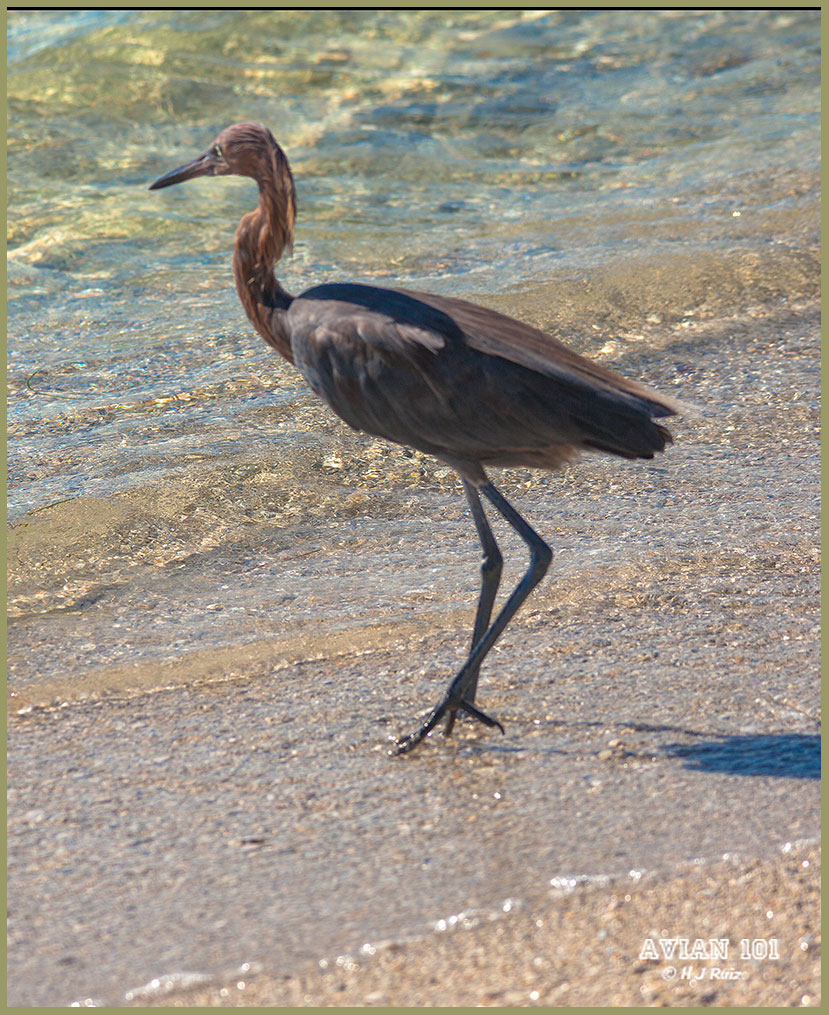


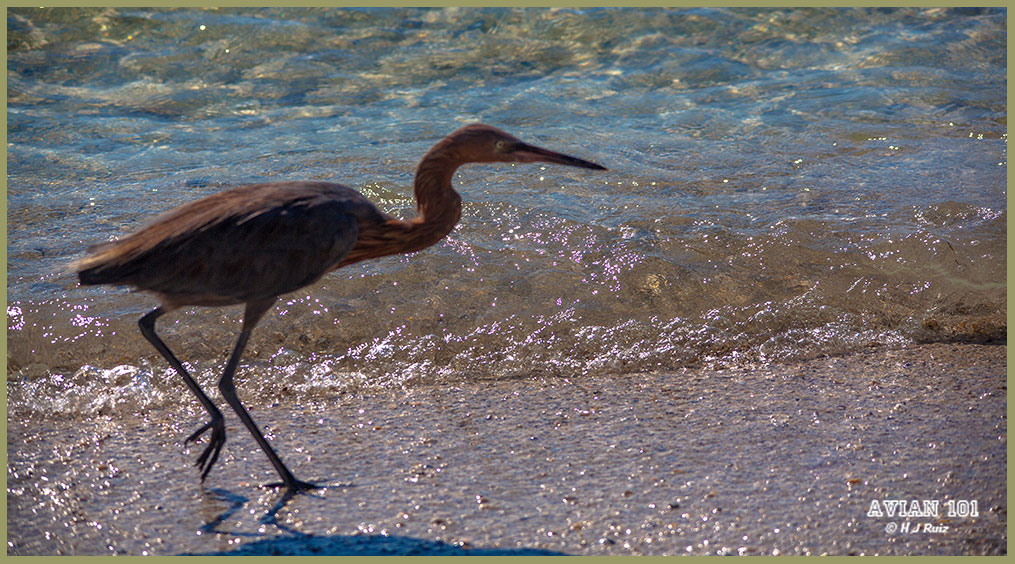
HJ Ruiz – October 15th, 2023
Share this:

Roseate Spoonbill
The Roseate Spoonbill (Platalea ajaja) is a gregarious wading bird of the ibis and spoonbill family, Threskiornithidae. It is a resident breeder in both South and North America. The roseate spoonbill’s pink color is diet-derived, consisting of the carotenoid pigment canthaxanthin, like the American flamingo. The roseate spoonbill is 71–86 cm (28–34 in) long, with a 120–133 cm (47–52 in) wingspan and a body mass of 1.2–1.8 kg (2.6–4.0 lb). The tarsus measures 9.7–12.4 cm (3.8–4.9 in), the culmen measures 14.5–18 cm (5.7–7.1 in) and the wing measures 32.3–37.5 cm (12.7–14.8 in) and thus the legs, bill, neck and spatulate bill all appear elongated. Adults have a bare greenish head (“golden buff” when breeding) and a white neck, back and breast (with a tuft of pink feathers in the center when breeding), and are otherwise a deep pink. The bill is grey. There is no significant sexual dimorphism.
Photo Gallery

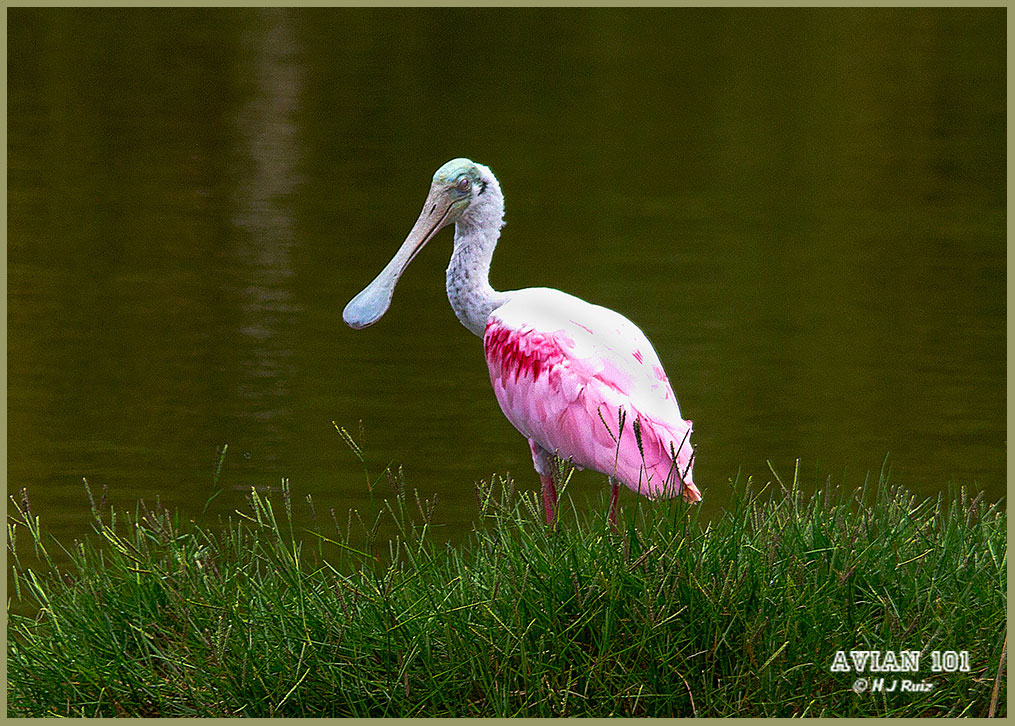

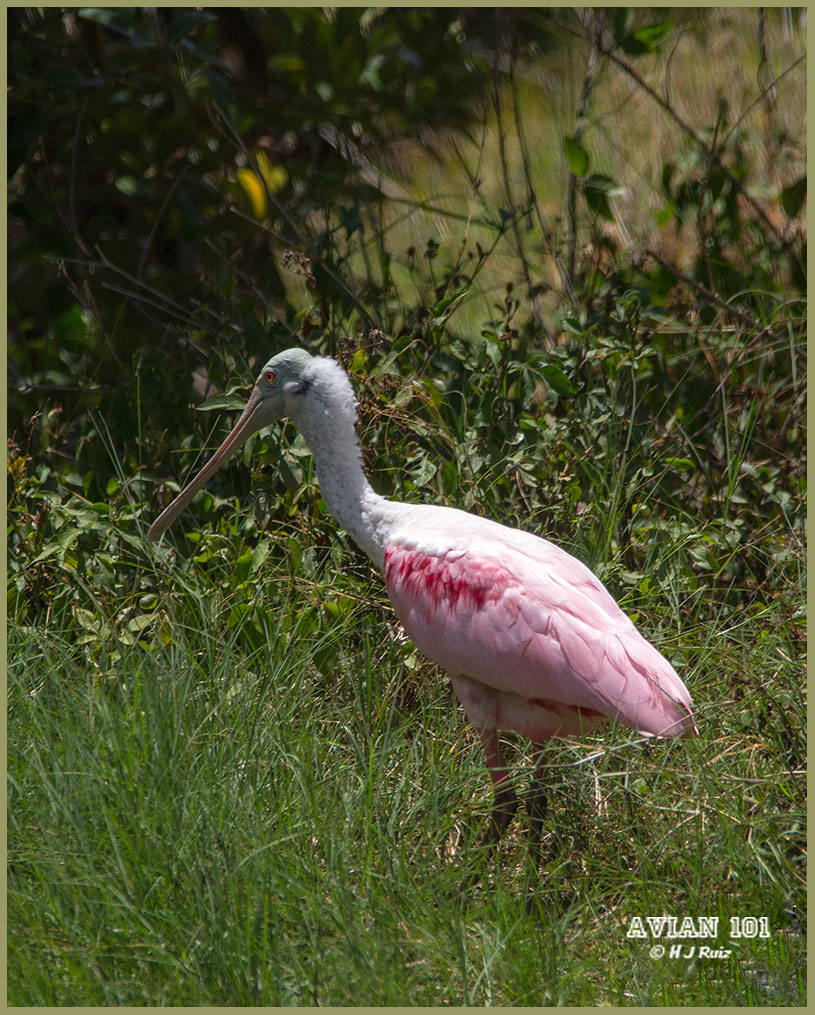

HJ Ruiz – October 13th, 2023
Share this:

Tricolored Heron
The Tricolored Heron (Egretta tricolor), formerly known as the Louisiana heron, is a small species of heron native to coastal parts of the Americas. The species is more solitary than other species of heron in the Americas and eats a diet consisting mostly of small fish. Tricolored herons breed in swamps and other coastal habitats and nests in colonies, often with other herons, usually on platforms of sticks in trees or shrubs. In each clutch, three to seven eggs are typically laid. The tricolored heron is the second most coastal heron in the United States. This species measures from 56 to 76 cm (22 to 30 in) long and has a typical wingspan of 96 cm (38 in). The slightly larger male heron weighs 415 g (14.6 oz) on average, while the female averages 334 g (11.8 oz). It is a medium-large, long-legged, long-necked heron with a long, pointed, yellowish or greyish bill with a black tip. Its legs and feet are dark. The plumage of the triclolored heron changes dramatically from its juvenile form to its adult form.
Photo Gallery


HJ Ruiz – October 12th, 2023
Share this:

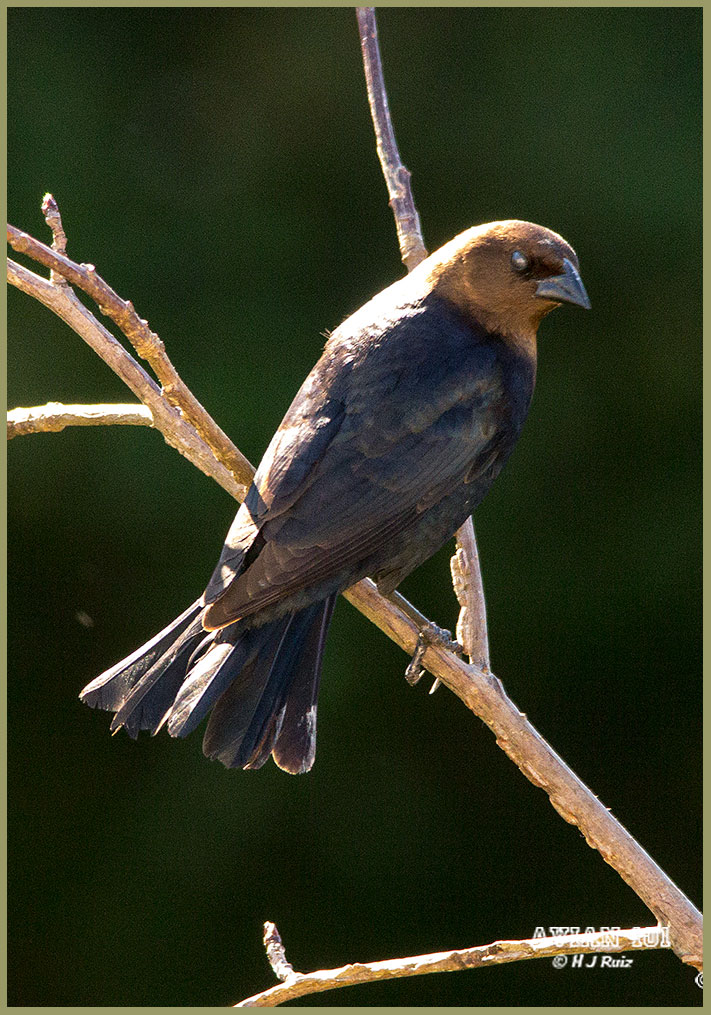
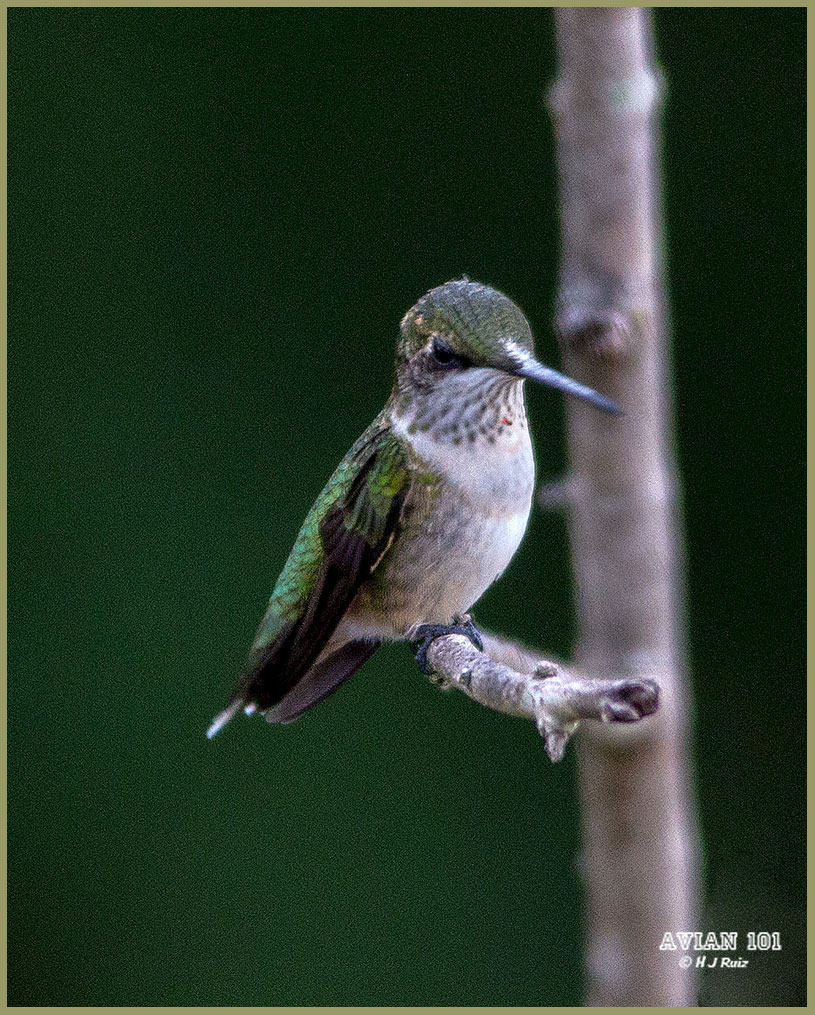
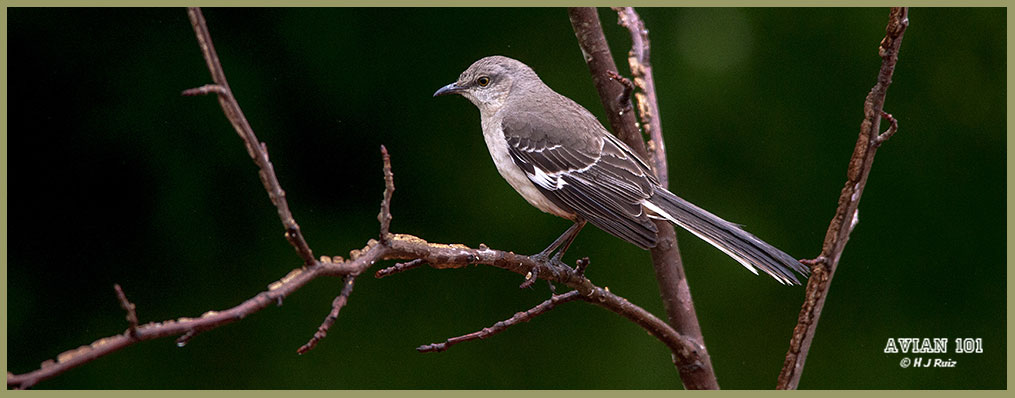
Variety of Bird Species – Photography # 1
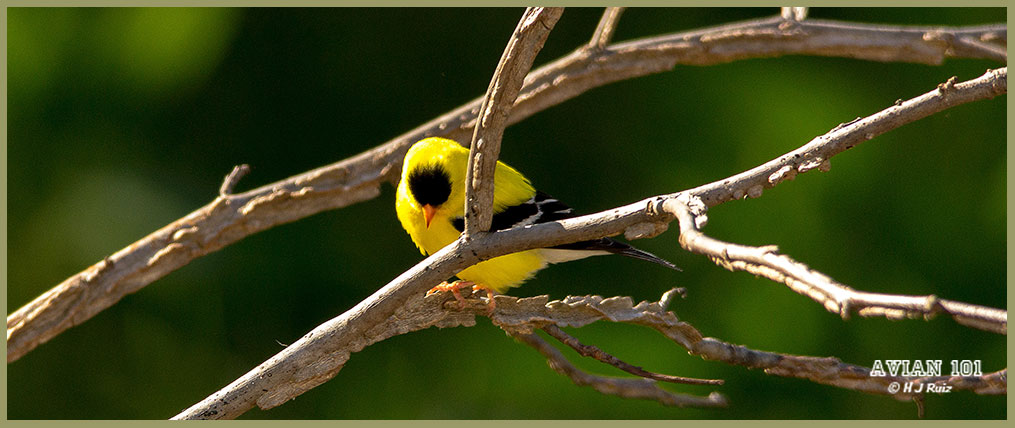
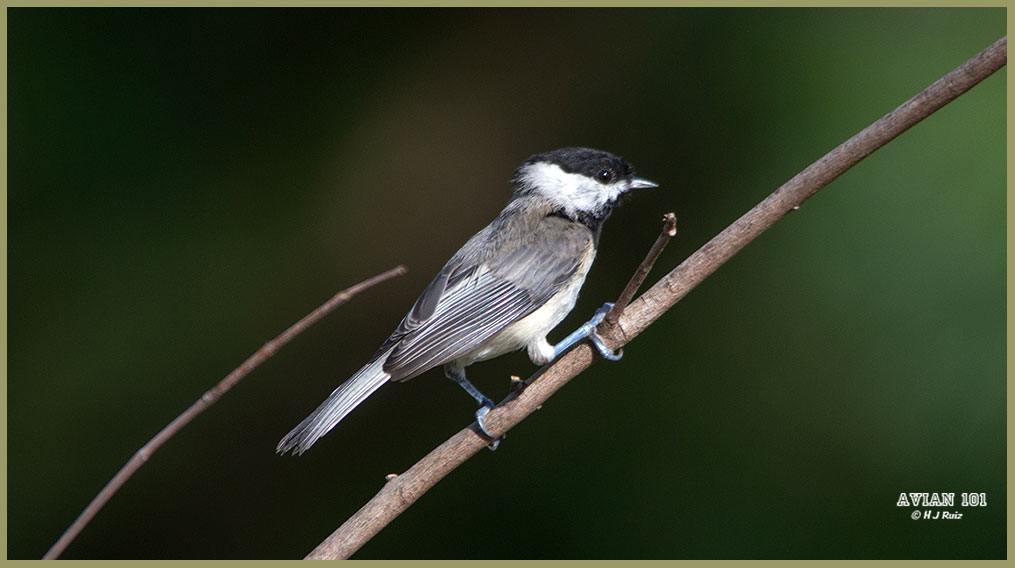
First Row: American Goldfinch.
Second Row: Brown-headed Cowbird — Ruby-thoated Hummingbird
Northern Mockingbird — Carolina Chickadee
HJ Ruiz – October 11th, 2023
Share this:

Read Past Reviews

Book # 69

Quote from the Author
“A good chuckle is healthy, it helps you break the monotony of a serious life.” ~ H.J. Ruiz
 H.J. Ruiz - Avian101
You must be logged in to post a comment.