
Birds of the Week # 2
Snowy Egret
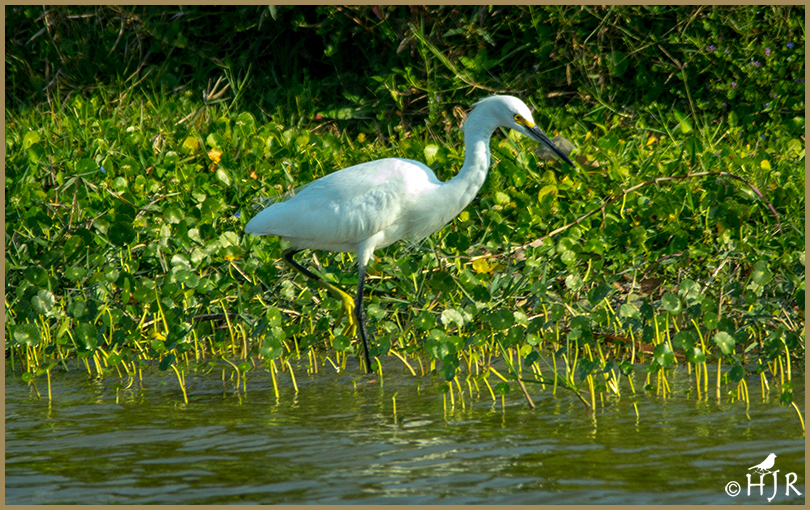
The Snowy Egrets eat fish, crustaceans, insects, small reptiles, snails, frogs, worms and crayfish. They stalk prey in shallow water, often running or shuffling their feet, flushing prey into view by swaying their heads, flicking their wings or vibrating their bills. They may also hover, or “dip-fish” by flying with their feet just above the water surface. Snowy egrets may also stand still and wait to ambush prey, or hunt for insects stirred up by domestic animals in open fields. They sometimes forage in mixed species groups.
Great Egret
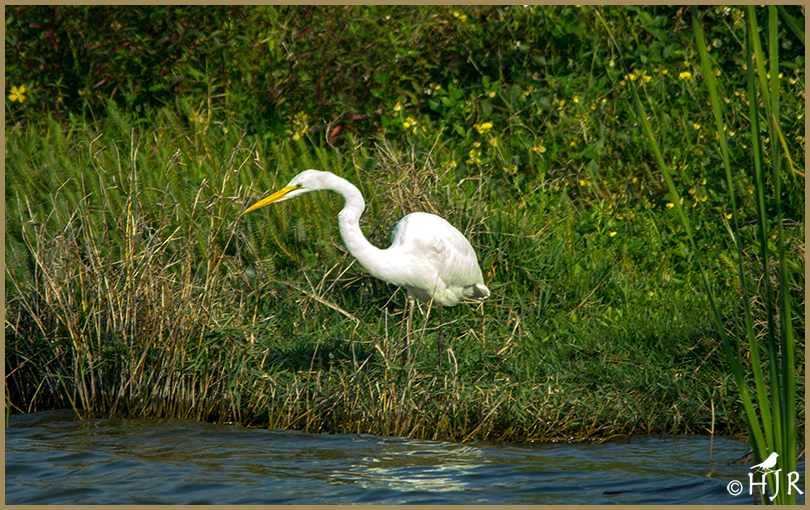
In North America, large numbers of Great Egrets were killed around the end of the 19th century so that their plumes could be used to decorate hats. Numbers have since recovered as a result of conservation measures. Its range has expanded as far north as southern Canada. However, in some parts of the southern United States, its numbers have declined due to habitat loss, particularly wetland degradation through drainage, grazing, clearing, burning, increased salinity, groundwater extraction and invasion by exotic plants. Nevertheless, the species adapts well to human habitation and can be readily seen near wetlands and bodies of water in urban and suburban areas.
American White Ibis
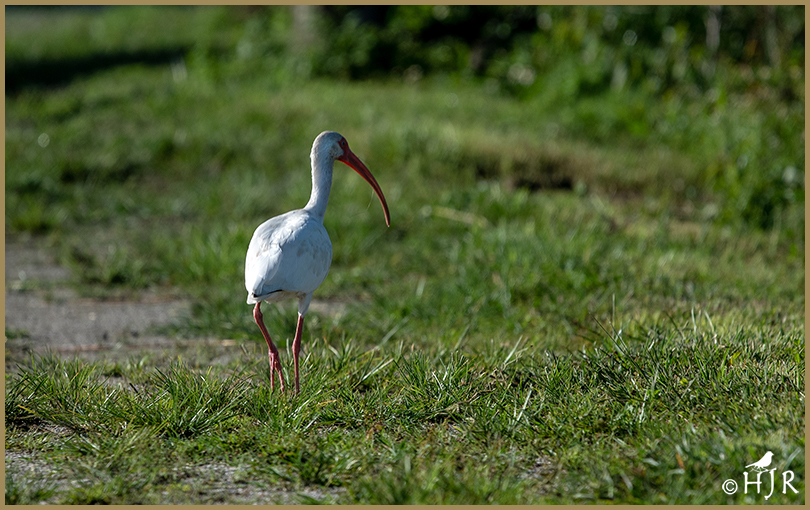
The American White Ibis is most common in Florida, where over 30,000 have been counted in a single breeding colony. It also occurs throughout the Caribbean, on both coasts of Mexico (from Baja California southwards) and Central America, and as far south as Colombia and Venezuela. The non-breeding range extends further inland, reaching north to Virginia, and west to eastern Texas.
Tricolored Heron
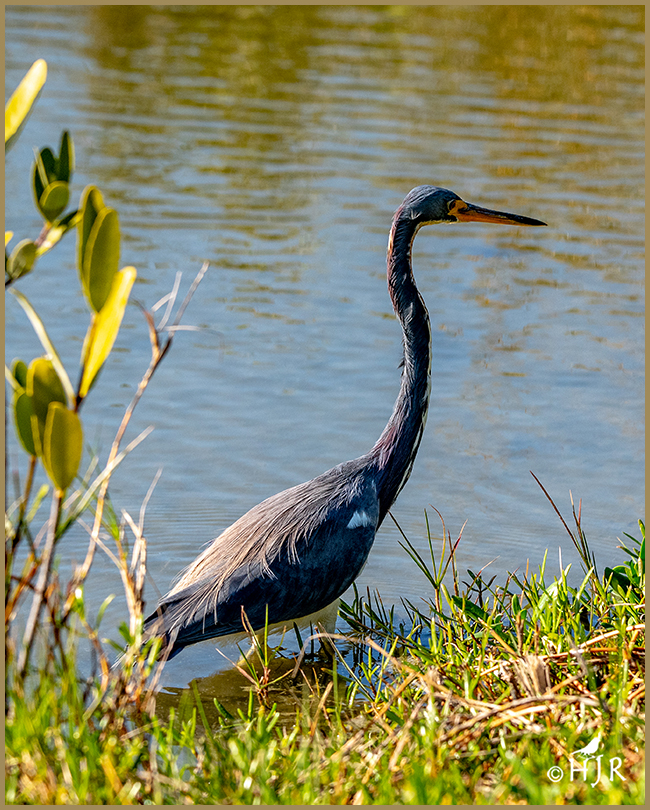
Tricolored Herons breed in swamps and other coastal habitats. They nest in colonies, often with other herons, usually on platforms of sticks in trees or shrubs. In each clutch, three to seven eggs are typically laid.
Tufted Titmouse

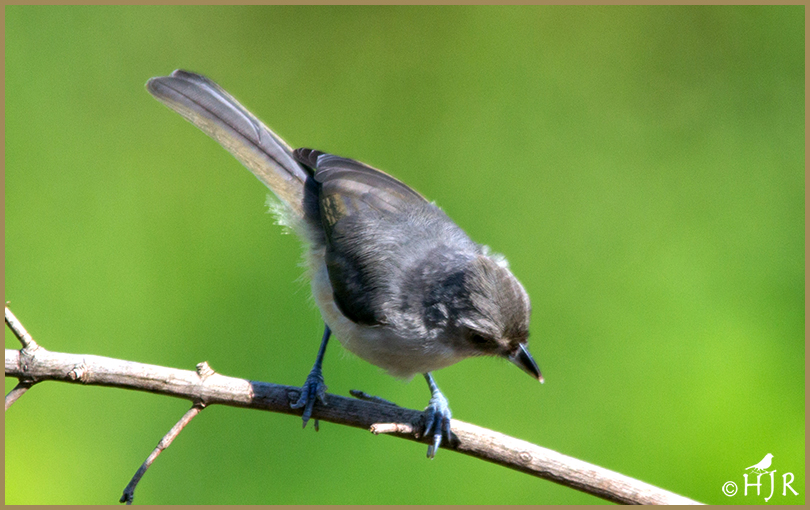
Its habitat is deciduous and mixed woods as well as gardens, parks, and shrublands. Although the Tufted Titmouse is non-migratory and originally native to the Ohio and Mississippi River basins, factors such as bird feeders have caused these birds to occupy a larger amount of territory across the United States and stretching into Ontario, Canada.
© HJ Ruiz – Avian101
Share this:

Special Places # 19
HAPPY MOTHER’S DAY!
Panoramic Photos




1 – Top Left: View of Allatoona Lake in Georgia.
2 – Top Right: Sarasota Bay at night, Florida.
3 – Bottom Left: Vogel State Park is a 233-acre or 94 hectares state park located at the base of Blood Mountain in the Chattahoochee National Forest in Georgia.
4 – Bottom Right: Old Cabooses wagons at New Foundland Station (Museum), New Jersey.
© HJ Ruiz – Avian101
Share this:

Red Art Gallery – Northern Cardinal # 28
Red Art Gallery
Photo Gallery
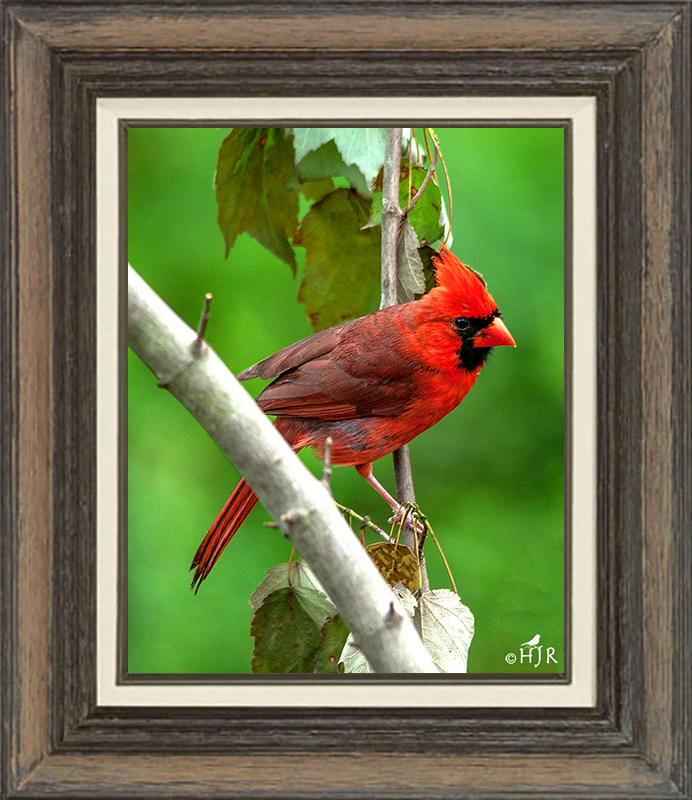
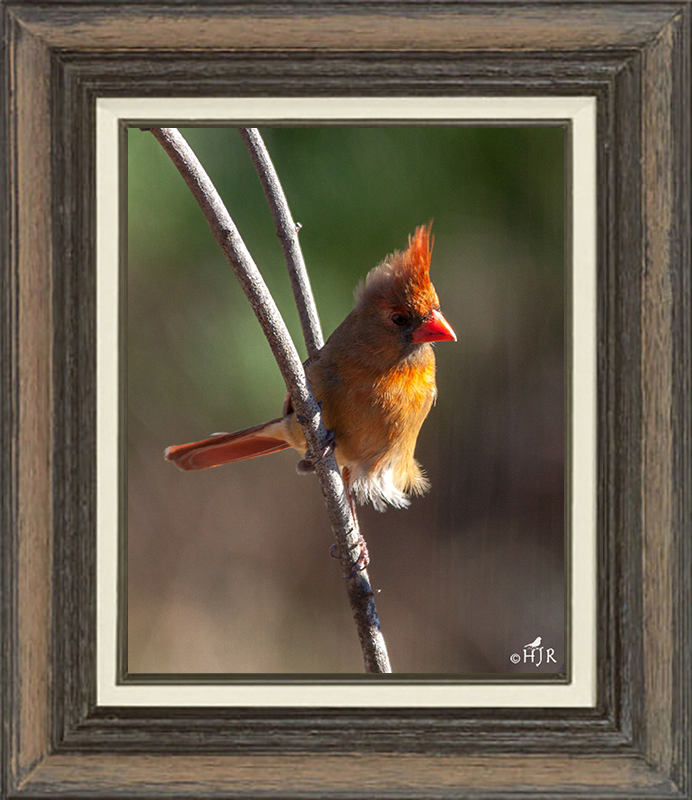
© HJ Ruiz – Avian101
Share this:

Birds of the Week # 1
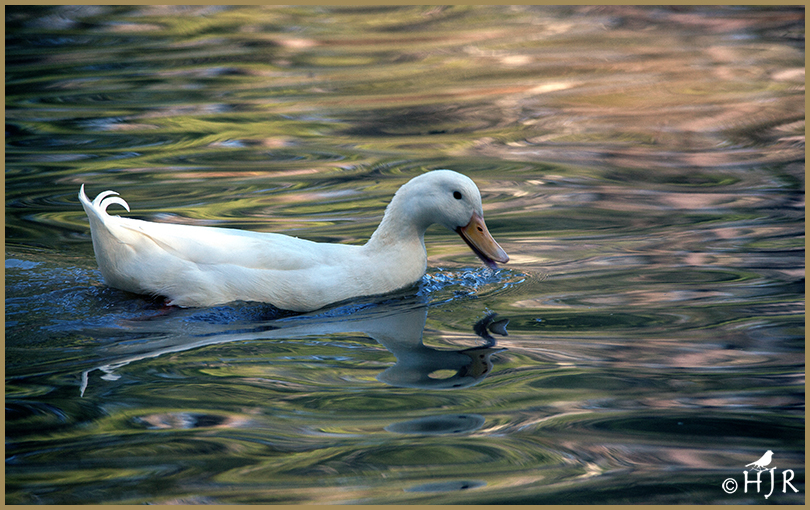
The American Pekin is large and solidly built. The body is rectangular as seen from the side and is held at about 40º to the horizontal; the tail projects above the line of the back. The breast is smooth and broad and does not show a pronounced keel. The head is large and rounded, and the neck is thick. The plumage is creamy white, the legs and feet are a yellowish orange. The beak is yellow, fairly short, and almost straight.
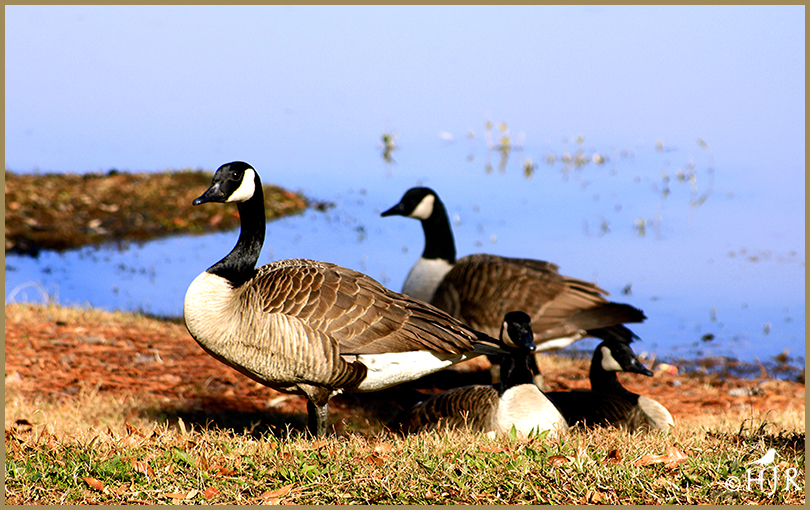
This species is native to North America. It breeds in Canada and the northern United States in a wide range of habitats. The Great Lakes region maintains a very large population of Canada Geese. Canada geese occur year-round in the southern part of their breeding range, including the northern half of the United States’ eastern seaboard and Pacific Coast, and areas in-between. Between California and South Carolina in the southern United States and in northern Mexico, Canada geese are primarily present as migrants from further north during the winter.
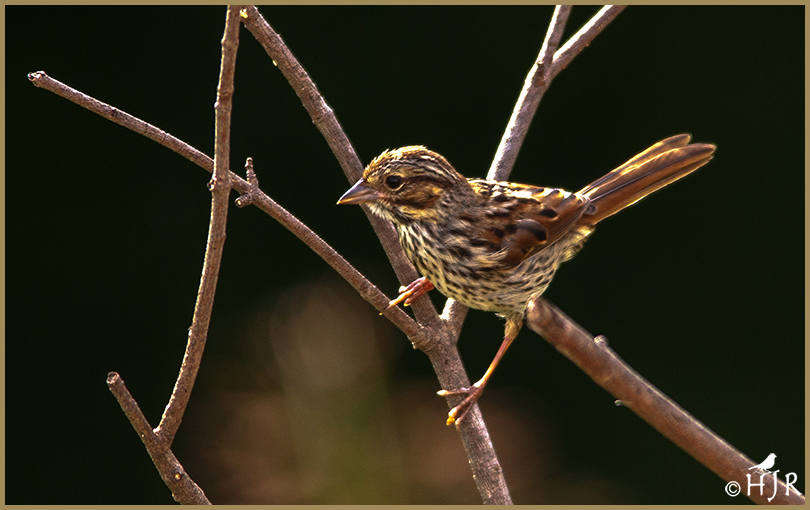
The Lincoln’s Sparrow’s breeding habitat is subalpine and montane zones across Canada, Alaska, and the northeastern and western United States, although they are less common in the eastern parts of their range. They are found mainly in wet thickets, shrubby bogs, and moss-dominated habitats. They prefer to be near dense shrub cover and their nests are well-concealed shallow open cups on the ground under vegetation. At lower elevations, they can also be found in mixed deciduous groves, mixed shrub-willows, and black spruce-tamarack bogs.
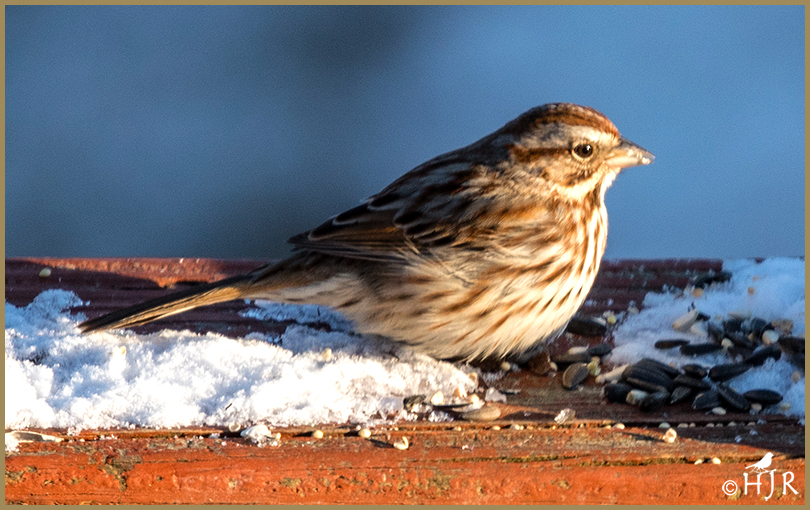
The Song Sparrows forage on the ground, in shrubs or in very shallow water. They mainly eat insects and seeds. Birds in salt marshes may also eat small crustaceans. They nest either in a sheltered location on the ground or in trees or shrubs. Song sparrows with areas of shrub cover in their territory, away from the intertidal coastline, have greater over-winter survival, as well higher reproductive success.
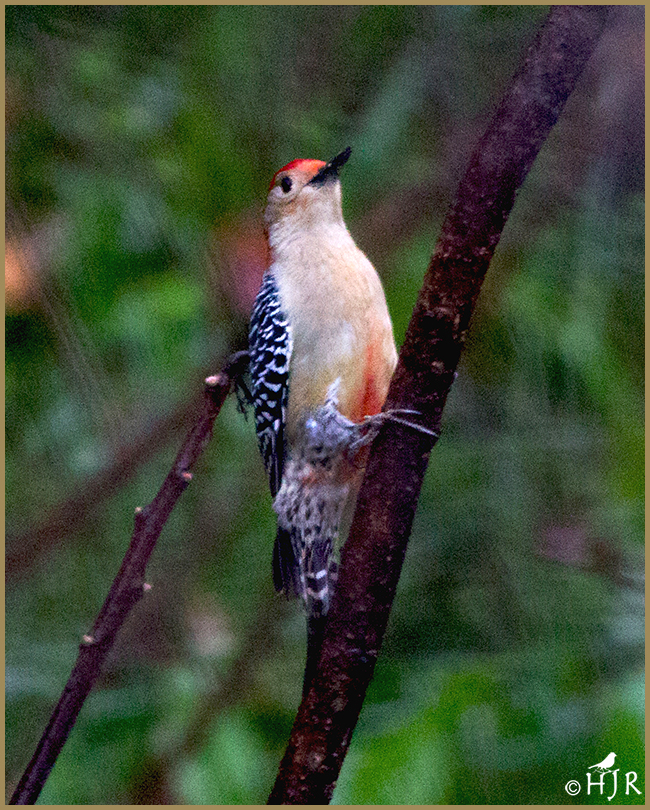
Red-bellied Woodpeckers are noisy birds, and have many varied calls. Calls have been described as sounding like churr-churr-churr or thrraa-thrraa-thrraa with an alternating br-r-r-r-t sound. Males tend to call and drum more frequently than females, but both sexes call. The drum sounds like 6 taps. Often, these woodpeckers “drum” to attract mates. They tap on hollow trees, and even on aluminum roofs, metal guttering and transformer boxes in urban environments, to communicate with potential partners. Babies have a high-pitched begging call of pree-pree-pree. They will continue to give a begging call whenever they see their parents for a while after fledging.
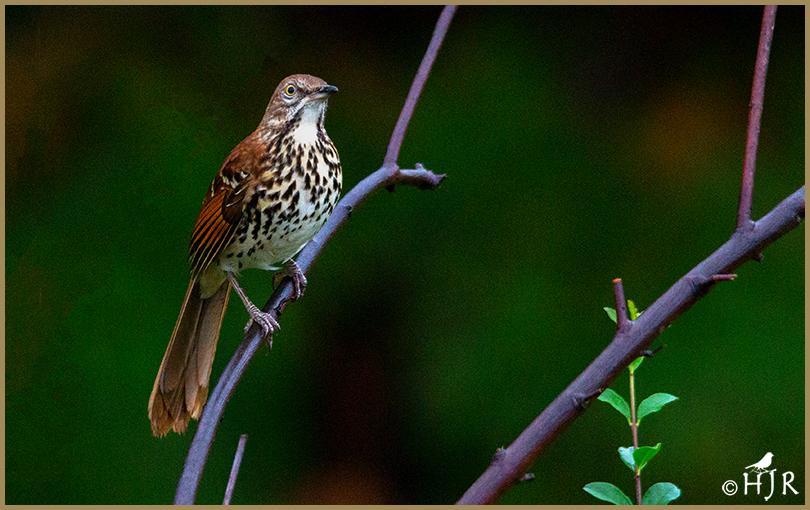
Brown Thrashers are typically monogamous birds, but mate-switching does occur, at times during the same season. Their breeding season varies by region. In the southeastern United States, the breeding months begin in February and March, while May and June see the commencement of breeding in the northern portion of their breeding range. When males enter the breeding grounds, their territory can range from 2 to 10 acres (0.81 to 4.05 ha). Around this time of the year the males are usually at their most active, singing loudly to attract potential mates, and are found on top of perches.The courting ritual involves the exchanging of probable nesting material. Males will sing gentler as they sight a female, and this enacts the female to grab a twig or leaf and present it to the male, with flapping wings and chirping sounds. The males might also present a gift in response and approach the female. Both sexes will take part in nest building once mates find each other, and will mate after the nest is completed.
© HJ Ruiz – Avian101
Share this:

Read Past Reviews

Book # 69
Quote from the Author
“A good chuckle is healthy, it helps you break the monotony of a serious life.” ~ H.J. Ruiz
 H.J. Ruiz - Avian101
You must be logged in to post a comment.