What’s Up? – Molting
Molting in Birds
In birds, molting (mounting) is the periodic replacement of feathers by shedding old feathers while producing new ones. Feathers are dead structures at maturity which are gradually abraded and need to be replaced. Adult birds molt at least once a year, although many molt twice and a few three times each year. It is generally a slow process as birds rarely shed all their feathers at any one time; the bird must retain sufficient feathers to regulate its body temperature and repel moisture. The number and area of feathers that are shed varies. In some molting periods, a bird may renew only the feathers on the head and body, shedding the wing and tail feathers during a later moulting period. Some species of bird become flightless during an annual “wing molt” and must seek a protected habitat with a reliable food supply during that time. While the plumage may appear thin or uneven during the molt, the bird’s general shape is maintained despite the loss of apparently many feathers; bald spots are typically signs of unrelated illnesses, such as gross injuries, parasites, feather pecking (especially in commercial poultry), or (in pet birds) feather plucking
Photo Gallery
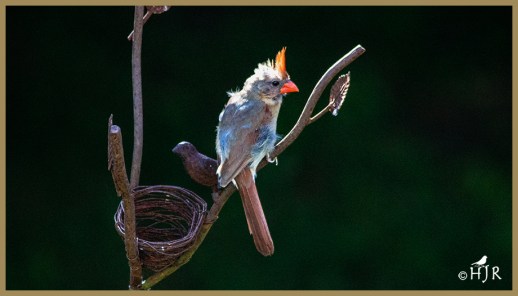
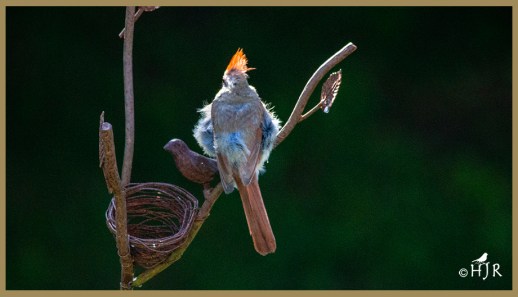
The Northern Cardinal (See pictures) is undergoing the process of molting, the bird is a healthy female, shedding feathers and renewing the plumage without any impediments for flying or feeding.
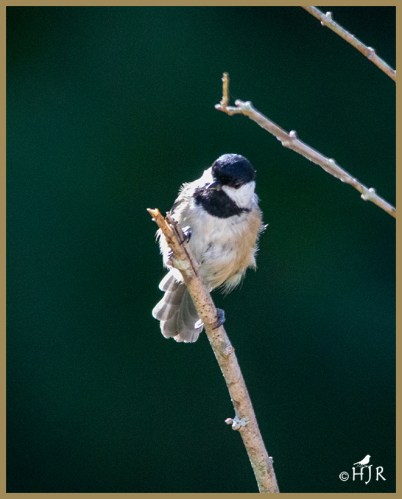
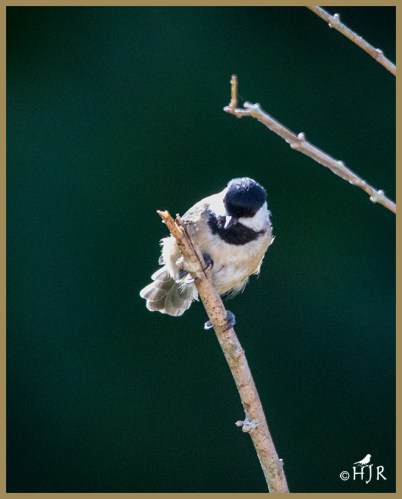
This time we have a Carolina Chickadee already showing signs that molting has started, gradually without any interference to his daily life routines.


 H.J. Ruiz - Avian101
If it were not for your exhaustive dedication to the study of birds, we would not have knowledge of these details that occur in them. That of the molts of plumage is incredible because we only look at the beauty of their colors. A great information. Thanks for sharing. The photos, as always, of great quality.
Thank you M. I appreciate it! 🙂
Wow!
Thanks MG! 🙂
Great info and beautiful photos to go with it, H.J.!! I just noticed your logo. I love it!!
Thank you very much Dorinda. 🙂
You’re very welcome, my friend! 🙂
I’ve never known – are chickadees in the tit family or a different family? Have a look online at pics of Parus Major, our ‘Great Tit’ as we call it, its head feather pattern is very similar to your chickadee.
Our birds are beginning to moult now. I notice with our British ones that they time it to coincide with the end of feeing their young. So the birds (currently blackbirds) that are still feeding offspring haven’t yet begun to moult.
They are both family synonymous Parus Major and Parus Caronlinesis. Thank you for sharing Val. 🙂
Very interesting, loved the photographs.
Thank you so much Susan. 🙂
A sad sight but only a step in the annual progress.
That’s life! Thanks Tom. 🙂
Thanks for an interesting and informative post HJ.
Thank you Ashley! 🙂
You captured a life stage of the birds, HJ!
Thank you Indira! 🙂
Molting brings on more beauty! Great post and photos, HJ, thank you for sharing this important stage!
You’re right Donna, after molting the birds look even more beautiful. Thanks! 🙂
Great post HJ. Always fascinating to learn about these life cycles!
Thank you Chris! This life cycles are important for animals in this case, birds. 🙂