Birds passing by
Many bird species are migrating back to the North as per natural instinct. The season is turning to Spring and soon all vegetation will turn on to producing Chlorophyl ( Leaves grow again and turn green) Then flowers will bloom and reproduction begins.
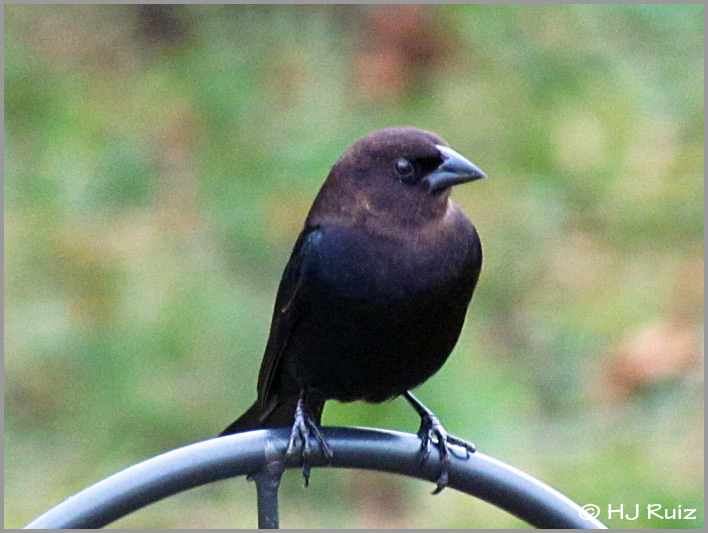
Brown-headed Cowbird
In the case of birds is very similar. All birds will show their best plumage and brilliant colors and will seek their mating partner thus perpetuating the natural cycle of life.
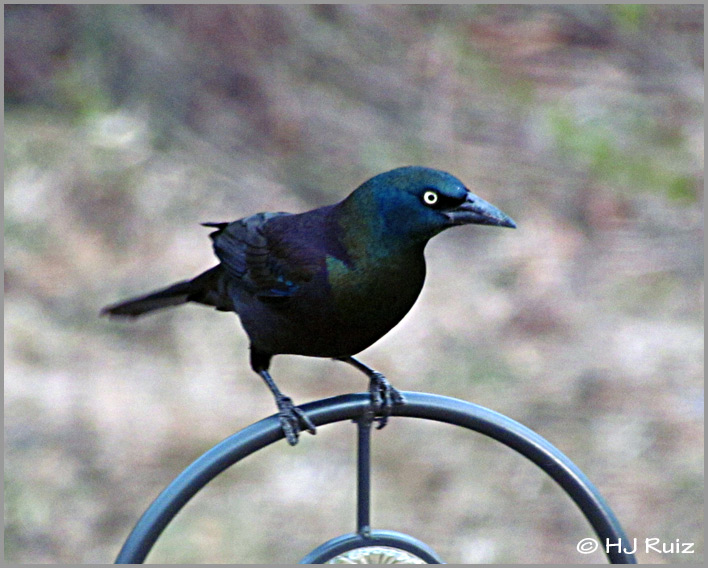
Common Grackle
I imagine that the bird specie that is the most abundant will come back sooner than the others. Such as the Blackbird species such cowbirds, grackles, red-winged blackbirds, bluejays etc.
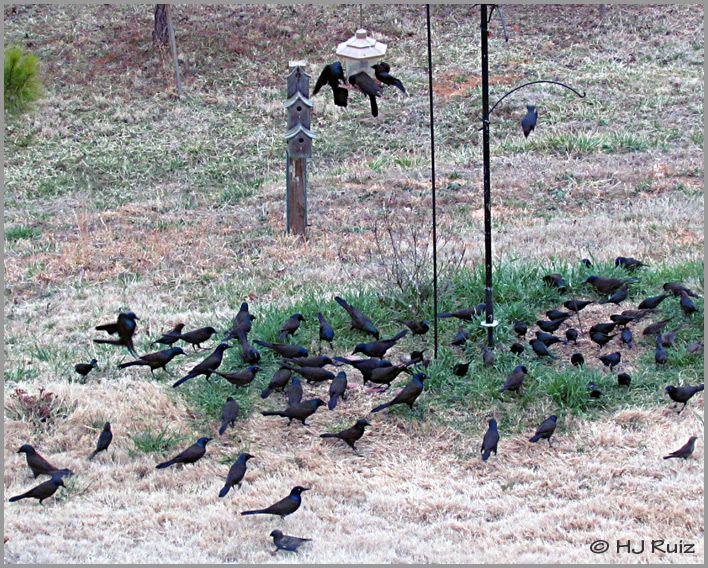
Almost daily I get large flocks of blackbirds visiting my backyard. They do eat all my seeds. Good thing that they are only passing by or they could leave me broke. Seeds are not cheap anymore! 🙂
Yesterday I saw a Merlin that stood for a few minute s on a bird house but the weather conditions were not favorable and the 2 shots I took are blurry. Too bad! 😦
Share this:

News from Princeton University Press
Letter from my friend Jessica:
Dear H.J.,
It’s been a busy couple of weeks at Princeton University Press, what with the publication of a little book called The Crossley ID Guide: Eastern Birds.
But, we do have other birding guides coming out and I am particularly happy to announce that early review copies of HAWKS AT A DISTANCE: Identification of Migrant Raptos, the follow up to Hawks from Every Angle, are now available. If you want to improve your hawk identification skills, there is no better teacher than Jerry Liguori and now with HAWKS AT A DISTANCE he has created the definitive guide to distant hawk identification.
Hawks are particularly difficult to identify precisely because they are frequently seen in flight at great distances even with binoculars and scopes. In HAWKS AT A DISTANCE, Liguori draws on up-to-the-minute information and approaches to help birders identify hawks in different lighting situations and settings. This concise and practical field guide, featuring a foreword by Pete Dunne, is ideal for any aspiring or experienced hawk enthusiast.
David Sibley praises the book saying it, “takes the hawk identification guide to a whole new level. It is hard to imagine the amount of time that went into this book–countless hours on mountaintops and other hawk-watching sites taking the photographs, then selecting and arranging them. The result is simply the best collection of hawk ID photos ever assembled, combined with Liguori’s clear and concise identification tips. This book is a gold mine of information for anyone interested in hawk identification.”
Please let me know if you would like a review copy of HAWKS AT A DISTANCE.
Best,
Jessica
Ps – We have seen amazing reviews for The Crossley ID Guide in recent weeks. There are still review copies available so please let me know if you need one. Thank you!
Pps – People have been asking when they might see The Atlas of Birds by Mike Unwin. Unfortunately, it has been delayed and will now publish in May or June, not April as originally announced. If you would like to reserve a review copy, let me know.
Jessica Pellien
Assistant Publicity Director
ePublicity Media Manager
Princeton University Press
Share this:

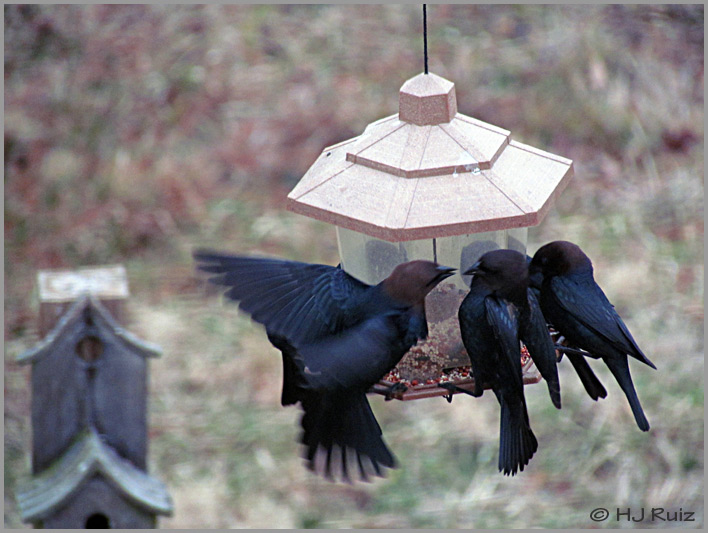
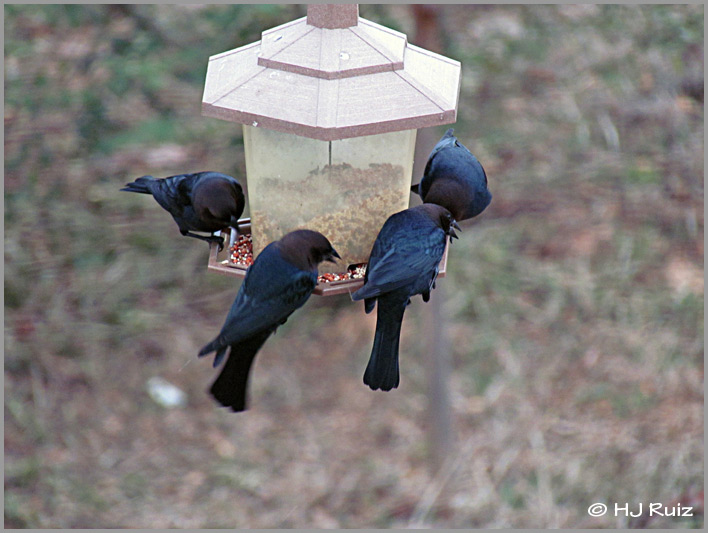
Brown-headed Cowbird
More blackbirds landed in my backyard yesterday! This time the majority of blackbirds were Brown-headed Cowbirds.
These travel in mix flock with Grackles or some times with Red-winged Blackbirds.
The flock was approximately a couple of hundreds birds. Some stayed perched on the tree branches and other landed near the feeders.
Since these birds are smaller size they can eat seeds directly while perched on the feeder so they fight for the spot. The cowbirds are very abundant in Georgia and are no stranger to my feeders. They are constant visitors all through the Spring , Summer and part of the Fall.

Share this:

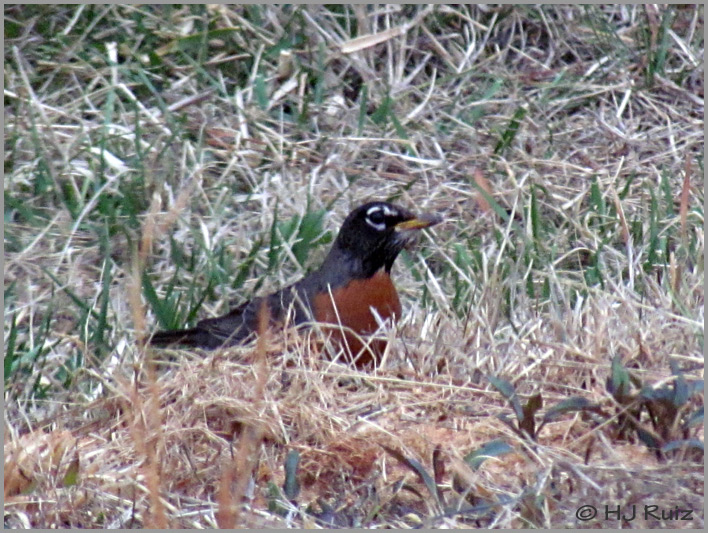
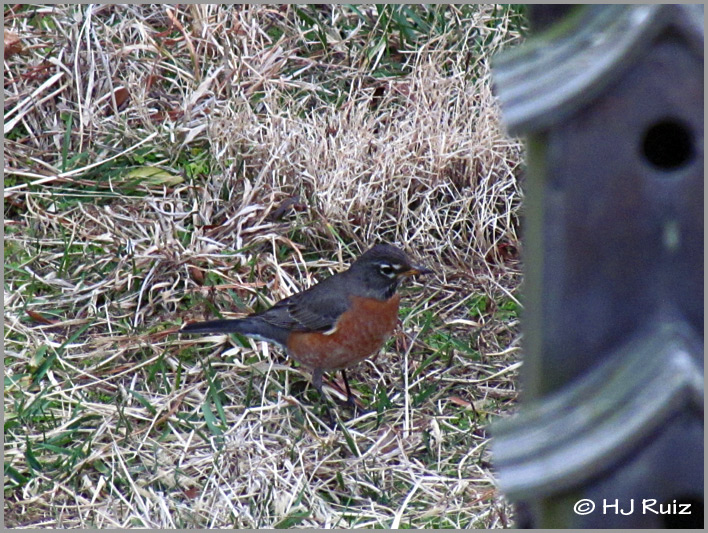
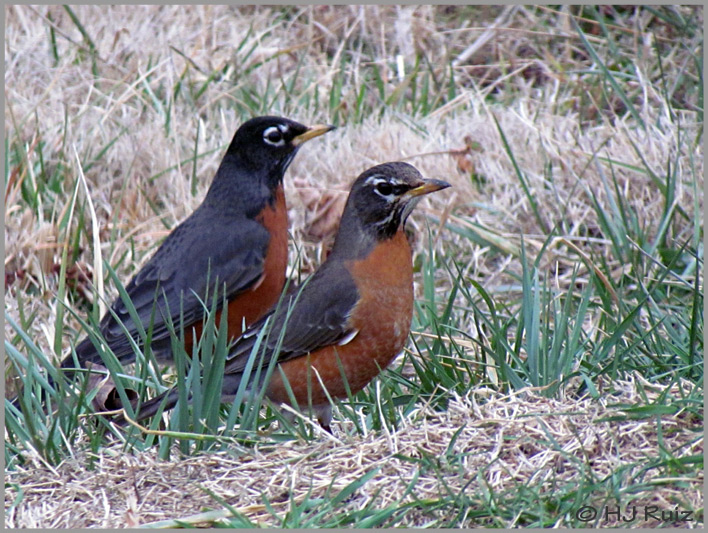
American Robins
Believe or not yesterday I had a small group of American Robins in my backyard, they were pocking the ground close to the creek, they did not eat from the feeders, they had spread around the yard I guess about 40 or 50 individuals. They are good at getting worms out of the ground. I saw the ease of how they give one pocking to the ground and then I see a worm wiggling in their beak.
Also I noticed how fast they can run, it’s hard to keep up with them while looking in the camera’s viewfinder.
I don’t think the Robins are going to stay in this area, they probably will continue flying North. Who knows?
Share this:


Read Past Reviews

Book # 69

Quote from the Author
“A good chuckle is healthy, it helps you break the monotony of a serious life.” ~ H.J. Ruiz


You must be logged in to post a comment.