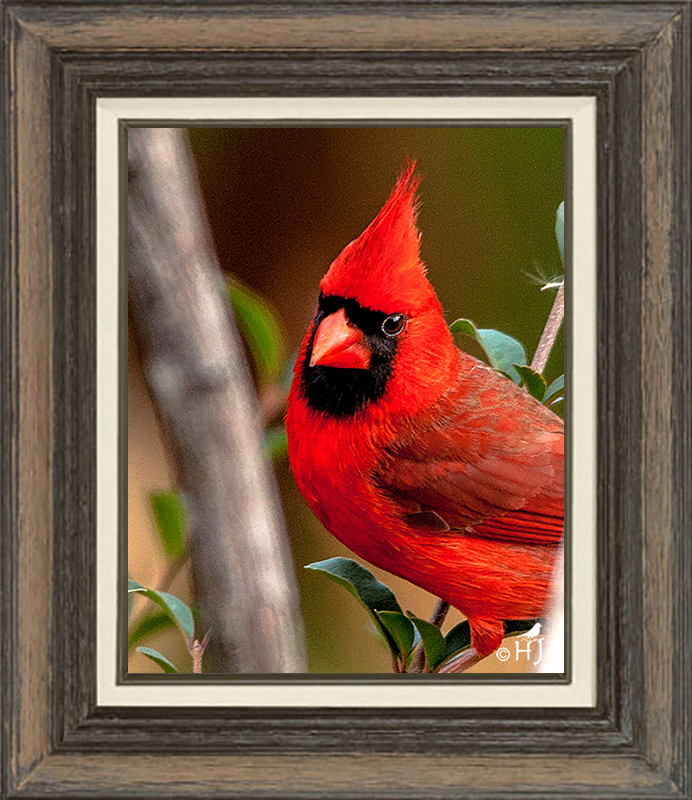
Red Art Gallery – Northern Cardinal # 38
Red Art Gallery
Photo Gallery

© HJ Ruiz – Avian101
Share this:

Birds of the Week # 12
White-crowned Sparrow
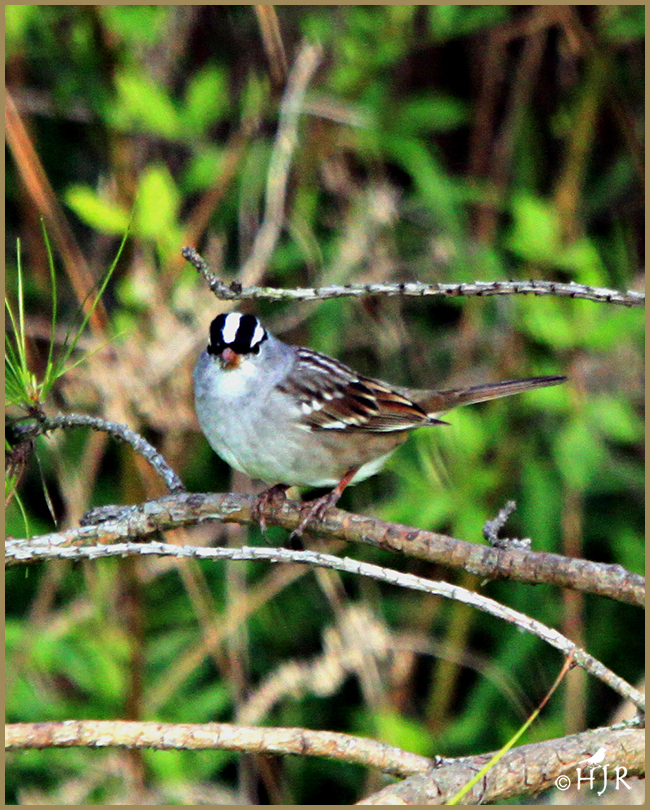
These birds forage on the ground or in low vegetation, but sometimes make short flights to catch flying insects. They mainly eat seeds, other plant parts and insects. In winter, they often forage in flocks. White-crowned Sparrows nest either low in bushes or on the ground under shrubs and lay three to five brown-marked gray or greenish-blue eggs. The white-crowned sparrow is known for its natural alertness mechanism, which allows it to stay awake for up to two weeks during migration. This effect has been studied for possible human applications, such as shift-work drowsiness or truck driving.
Chipping Sparrow

The male Chipping Sparrows start arriving at the breeding grounds from March (in more southern areas, such as Texas) to mid-May (in southern Alberta and northern Ontario). The female arrives one to two weeks later, and the male starts singing soon after to find and court a mate. After pair formation, nesting begins (within about two weeks of the female’s arrival). Overall, the breeding season is from March till about August.
Mourning Dove
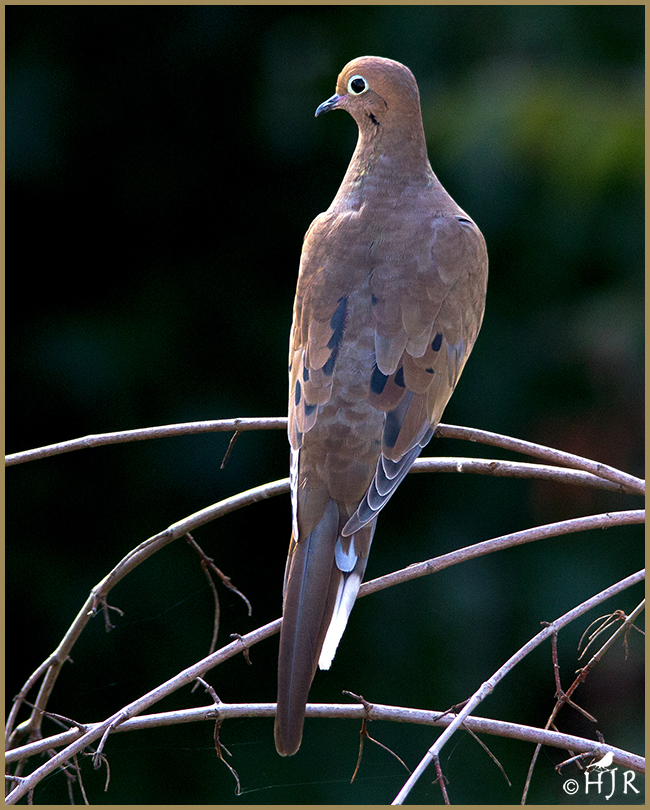
The Mourning Doves’ plumage is generally light gray-brown and lighter and pinkish below. The wings have black spotting, and the outer tail feathers are white, contrasting with the black inners. Below the eye is a distinctive crescent-shaped area of dark feathers. The eyes are dark, with light skin surrounding them. The adult male has bright purple-pink patches on the neck sides, with light pink coloring reaching the breast. The crown of the adult male is a distinctly bluish-grey color. Females are similar in appearance, but with more brown coloring overall and a little smaller than the male. The iridescent feather patches on the neck above the shoulders are nearly absent, but can be quite vivid on males. Juvenile birds have a scaly appearance, and are generally darker.
Field Sparrow
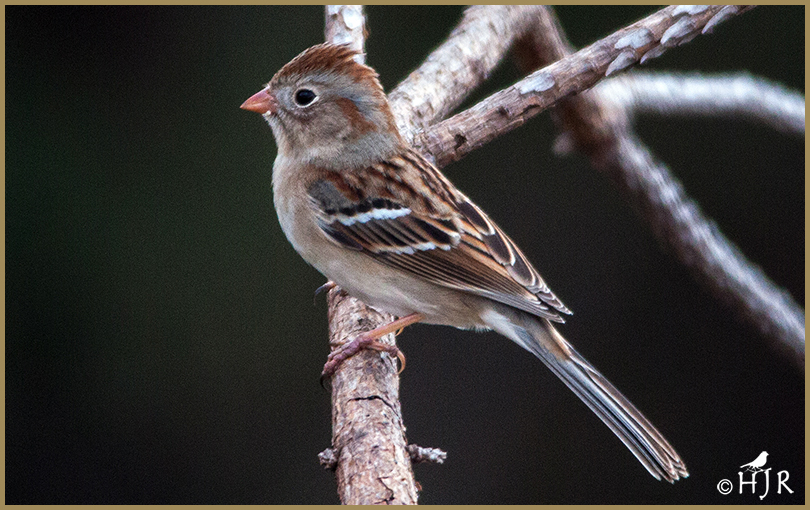
Adult Field Sparrows have brown upperparts, a buffy breast, a white belly, two whitish wing bars and a dark-brown forked tail. They have a grey face, a rusty crown, a white eye ring and a pink bill. They have rusty markings behind the eye. There are grey and rufous colour variants. Males are females have a similar appearance with males being slightly larger than females.
Carolina Chickadee
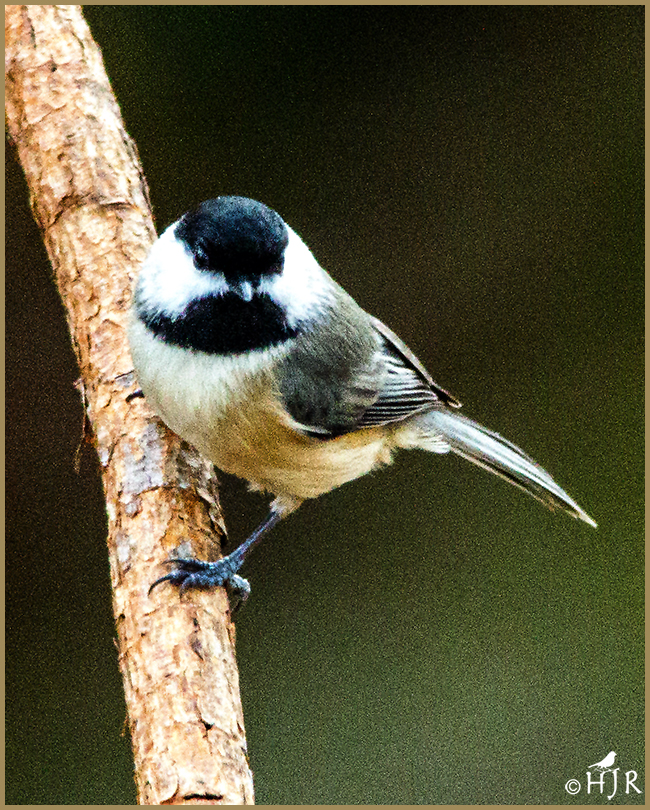
Carolina Chickadees are so similar to black-capped chickadees that they themselves have trouble telling their species apart. Because of this they sometimes mate producing hybrids. The most obvious difference between the three chickadees is that the Carolina chickadee sings four-note song, black-capped sing two-note songs, and the hybrids sing three-note songs.
Palm Warbler
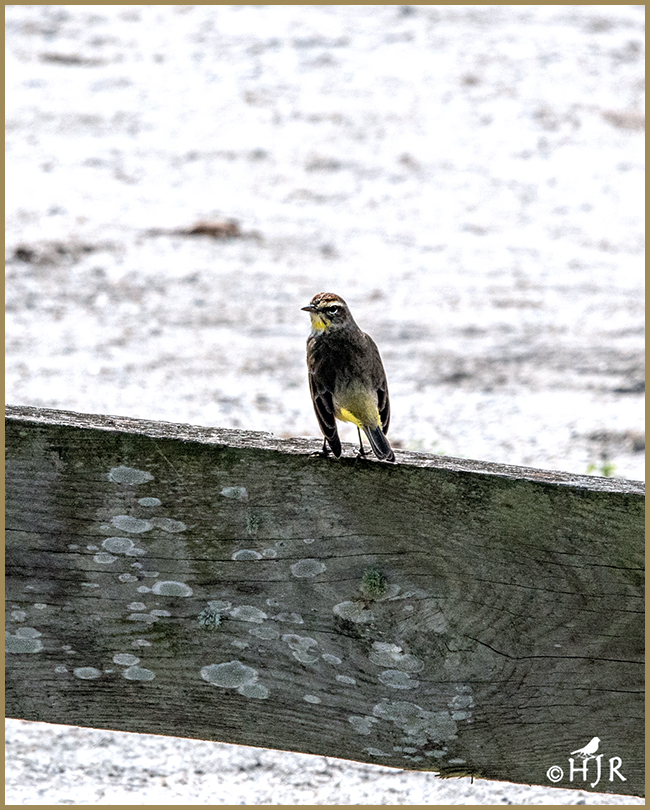
Palm Warblers breed in open coniferous bogs and edge east of the Continental Divide, across Canada and the northeastern United States. These birds migrate to the southeastern United States, the Yucatán Peninsula, islands of the Caribbean, and eastern Nicaragua south to Panama to winter. They are one of the earlier migrants to return to their breeding grounds in the spring, often completing their migration almost two months before most other warblers. Unlike most Setophaga species, the Palm warbler’s winter range includes much of the Atlantic coast of North America, extending as far north as southern Nova Scotia. Every year since 1900 the Palm warbler has been observed during Christmas Bird Count activities in Massachusetts, and consistently since 1958 in Nova Scotia.
© HJ Ruiz – Avian101
Share this:

Special Places # 28
Photo Art by H.J. Ruiz
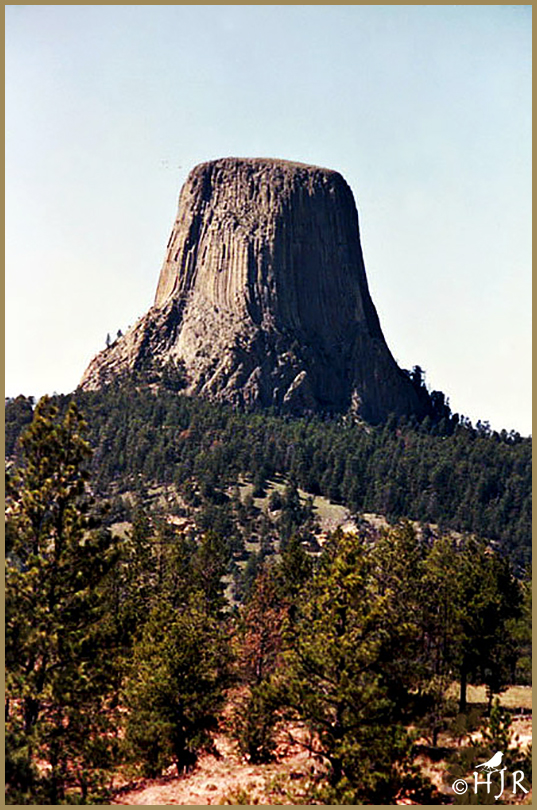
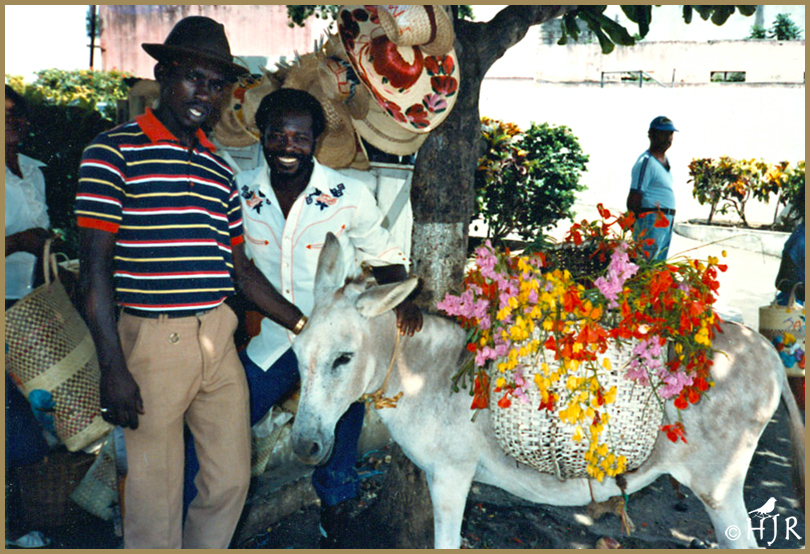
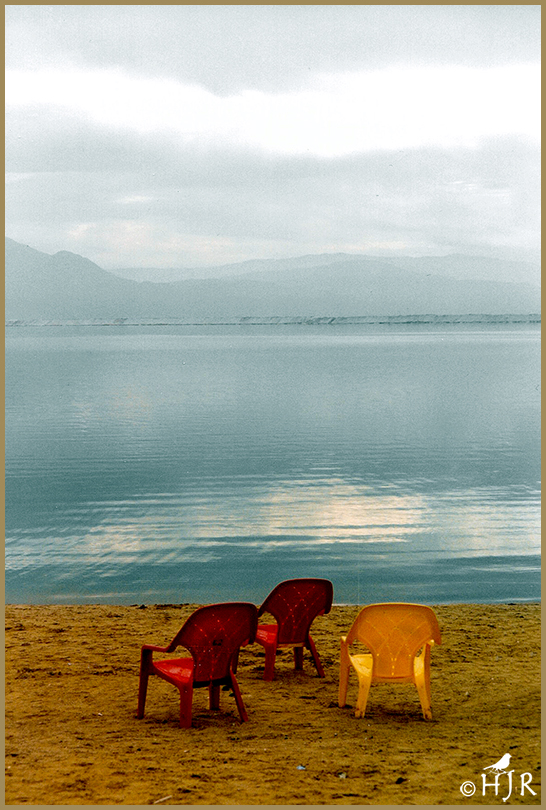
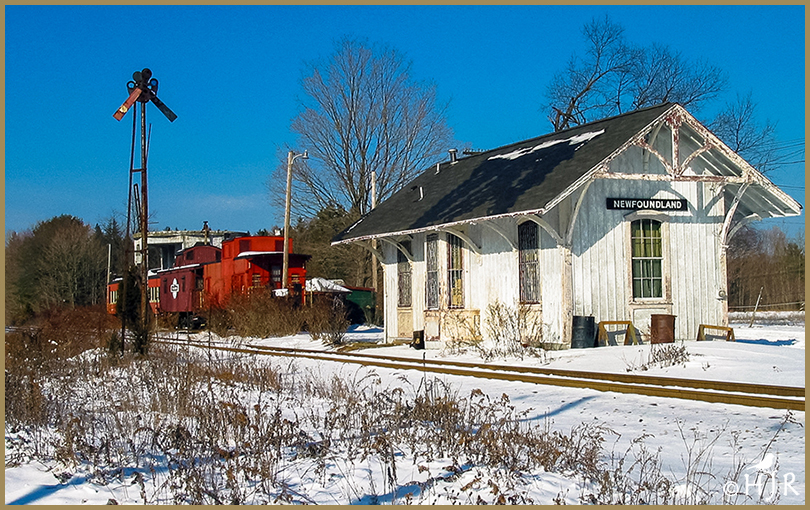
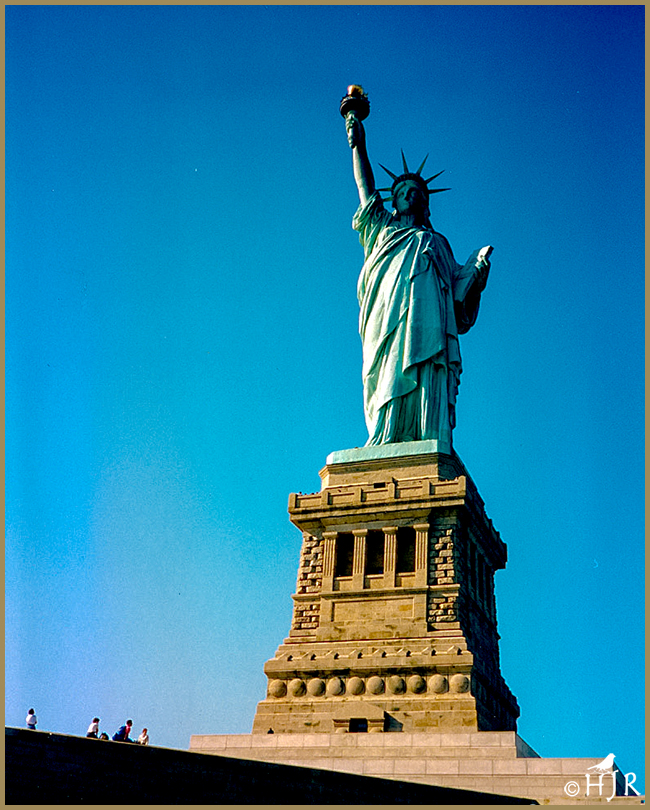
1 – Top Left: Devils Tower is a butte, possibly laccolithic, composed of igneous rock in the Bear Lodge Ranger District of the Black Hills, near Hulett and Sundance in Crook County, northeastern Wyoming, above the Belle Fourche River. It rises 1,267 feet (386 m) above the Belle Fourche River, standing 867 feet (265 m) from summit to base. The summit is 5,112 feet (1,559 m) above sea level.
2 – Top Right: Jamaicans waiting for tourists to shoot pictures with the supplied burro adorned with flowers. Montego Bay, Jamaica.
3 – Bottom Left: Three empty chairs on the beach. Dead Sea, Israel.
4 – Bottom Middle: Winter view of the old Newfoundland Train Station, now preserved as a Museum, New Jersey.
5 – Bottom Right: The Statue of Liberty is a colossal neoclassical sculpture on Liberty Island in New York Harbor within New York City, in the United States. The copper statue, a gift from the people of France to the people of the United States, was designed by French sculptor Frédéric Auguste Bartholdi and its metal framework was built by Gustave Eiffel. The statue was dedicated on October 28, 1886.
© HJ Ruiz – Avian101
Share this:

Red Art Gallery – Northern Cardinal # 37
Red Art Gallery
Photo Gallery
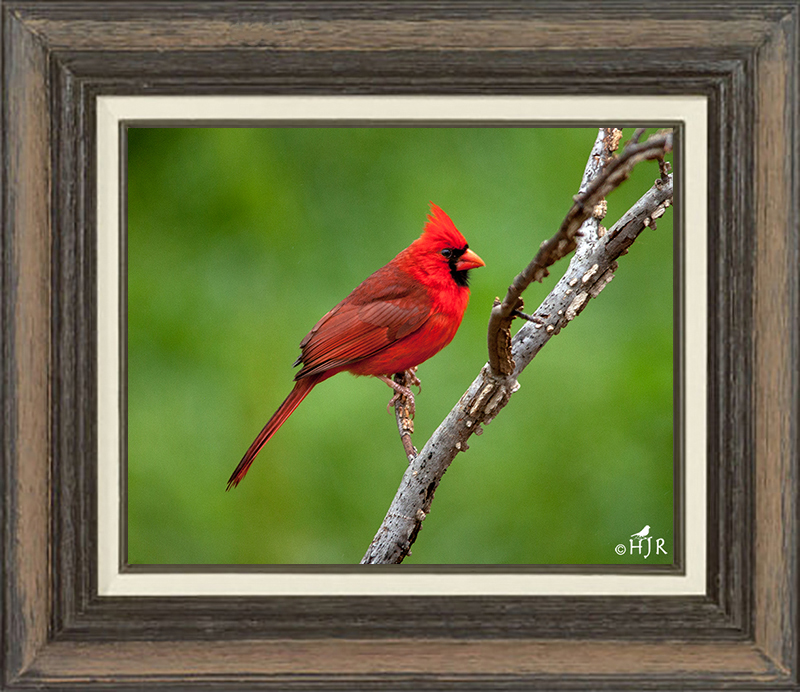

© HJ Ruiz – Avian101
Share this:

Read Past Reviews

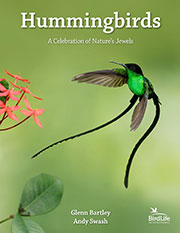
Book # 69
Quote from the Author
“A good chuckle is healthy, it helps you break the monotony of a serious life.” ~ H.J. Ruiz
 H.J. Ruiz - Avian101
You must be logged in to post a comment.