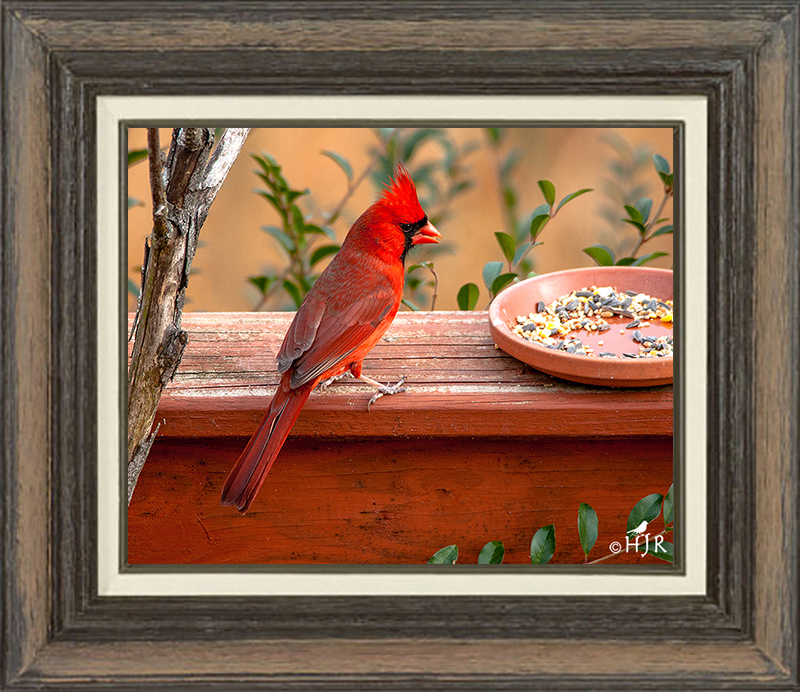
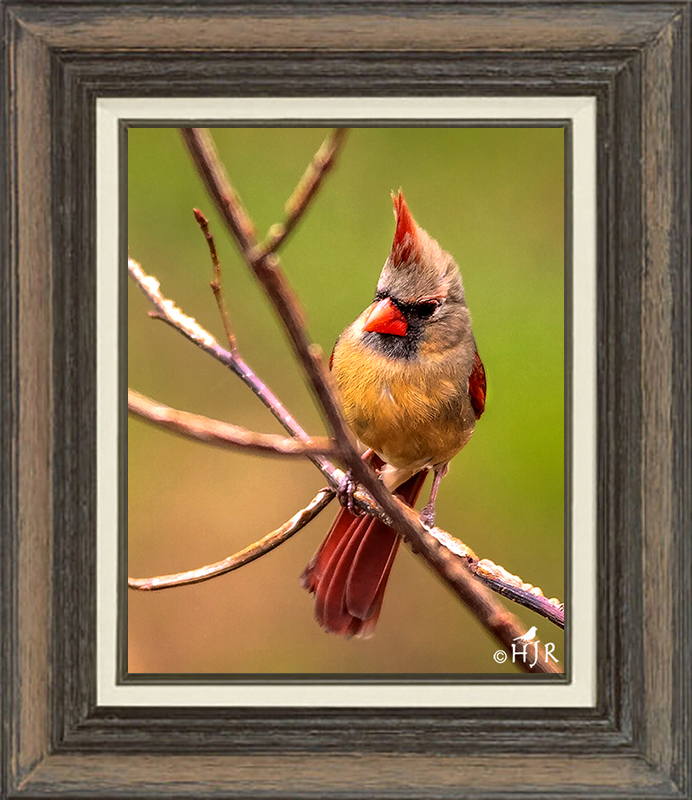
Red Art Gallery – Northern Cardinal # 39
Red Art Gallery
Photo Gallery
© HJ Ruiz – Avian101
Share this:

Birds of the Week # 13
American Goldfinch (Male non breeding)

American Goldfinch (Male, breeding)
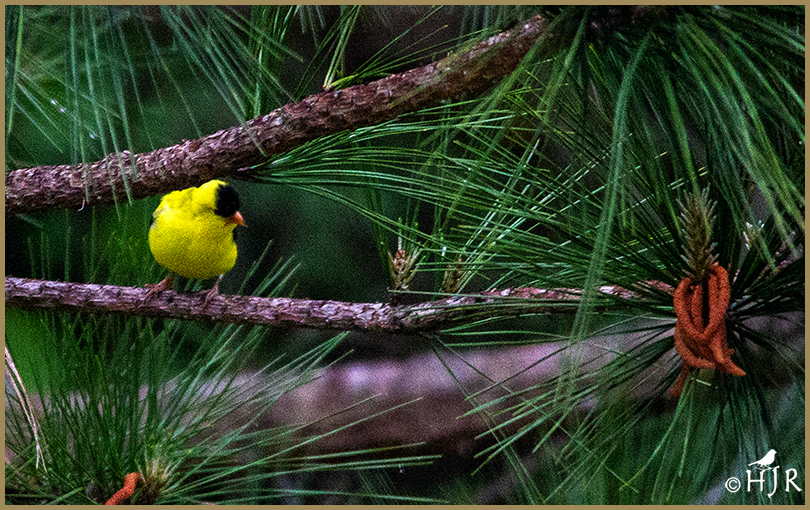
The American Goldfinch flies in a distinctive undulating pattern, creating a wave-shaped path. This normally consists of a series of wing beats to lift the bird, then folding in the wings and gliding in an arc before repeating the pattern. Birds often vocalize during the flapping phase of the pattern and then go silent during the coasting phase. The call made during flight is “per-twee-twee-twee”, or “ti-di-di-di”, punctuated by the silent periods. The American goldfinch communicates with several distinct vocalizations, including one that sounds like “po-ta-to-chip” to the listener. The American goldfinch does not act aggressively toward predators within its territory; its only reaction is alarm calling. Predators include snakes, weasels, squirrels, and blue jays, which may destroy eggs or kill young, and hawks and cats, which pose a threat to both young and adults. The oldest known American goldfinch was 10 years and 5 months old.
Blue Grosbeak (F)
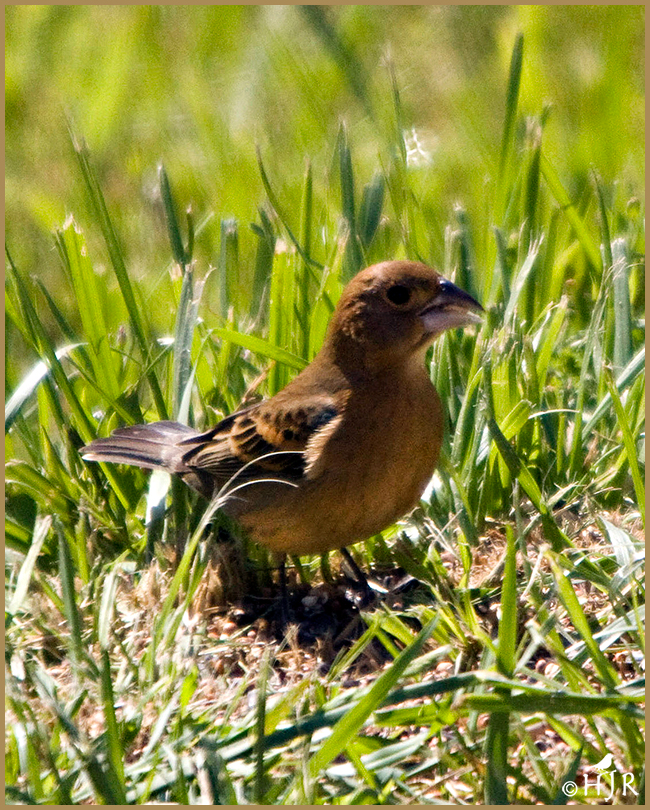
The male Blue Grosbeak is deep blue, with both black and brown on its wings. The female is mostly brown. Both sexes are distinguished by their large, deep bill and double wing bars. These features, as well as the grosbeak’s relatively larger size, distinguish this species from the indigo bunting. Length can range from 14 to 19 cm (5.5 to 7.5 in) and wingspan is from 26 to 29 cm (10 to 11 in). Body mass is typically from 26 to 31.5 g (0.92 to 1.11 oz).
Eastern Bluebird (M)
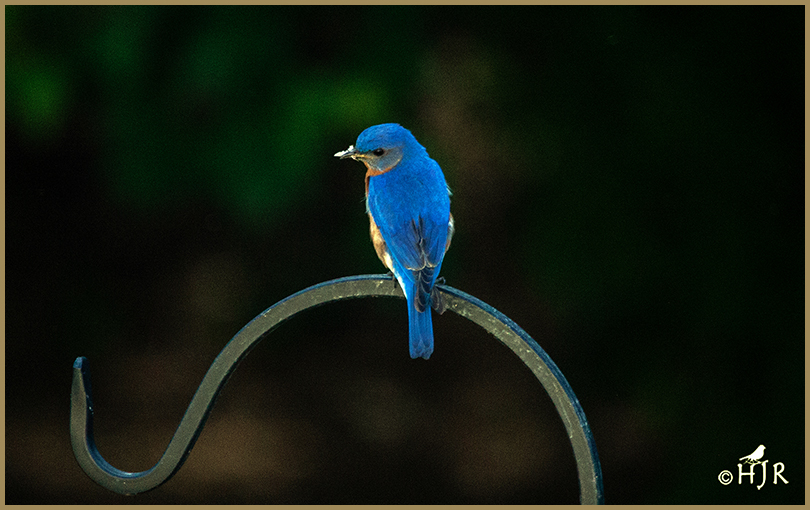
Eastern Bluebirds tend to live in open country around trees, but with little understory and sparse ground cover. Original habitats probably included open, frequently burned pine savannas, beaver ponds, mature but open woods, and forest openings. Today, they are most common along pastures, agricultural fields, suburban parks, backyards, and even golf courses. Populations also occur across eastern North America and south as far as Nicaragua. Birds that live farther north and in the west of the range tend to lay more eggs than eastern and southern birds.
House Finch (Male)
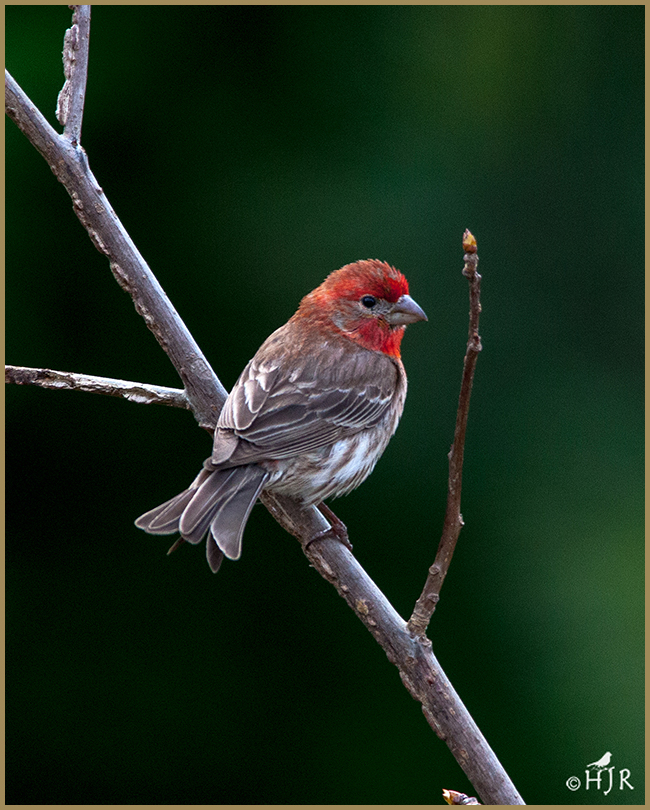
House Finch (M) + Juveniles
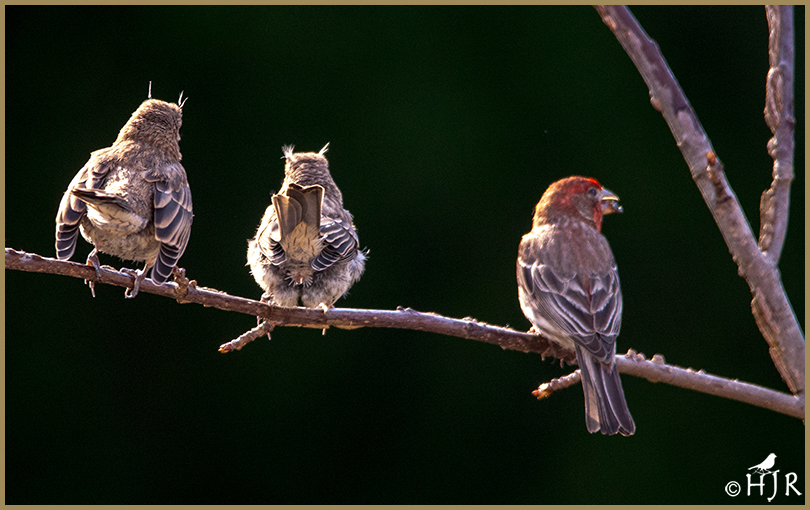
The House Finch are mainly permanent residents throughout their range; some northern and eastern birds migrate south. Their breeding habitat is urban and suburban areas across North America, as well as various semi-open areas in the west from southern Canada to the Mexican state of Oaxaca; the population in central Chiapas may be descended from escaped cagebirds. Analyses of nest records from House Finches in California spanning more than a century found that egg‐laying occurred significantly earlier in warmer springs. Originally only a resident of Mexico and the southwestern United States, they were introduced to eastern North America in the 1940s. The birds were sold illegally in New York City as “Hollywood Finches”, a marketing artifice. To avoid prosecution under the Migratory Bird Treaty Act of 1918, vendors and owners released the birds. They have since become naturalized; in largely unforested land across the eastern U.S., they have displaced the native purple finch and even the non-native house sparrow. In 1870, or before, they were introduced to Hawaii and are now abundant on all its major islands.
© HJ Ruiz – Avian101Amer
Share this:

Book Review # 65
Naturalized Parrots of the World
Distribution, Ecology, and Impacts of the World’s Most Colorful Colonizers
Author:
Stephen Pruitt-Jones
Publisher:
Princeton University Press
ISBN:9780691204413
Publish: Aug 10, 2021
Pages:304
Brief Review:

This book is a compilation of many case studies made of parrots through years of their distribution across the world and the impacts attributed to them.
Author, Associate Professor of Ecology and Evolution at the University of Chicago, Stephen Pruett-Jones with many years of experience studying birds has compiled a series of studies made in different countries of the world. The book is very advanced and charged with pure Science, based in statistics, calculations and reports from certified by other scientists.
The contents are:
- The World parrot trade.
- The distribution of naturalized parrot populations.
- Parrots and people.
- Genetics of invasive parrot populations.
- Naturalized parrots: Conservation and research opportunities.
- The ecological impacts of introduced parrots.
- Decision-making models and management of the Monk Parakeet.
- Management of human-parrot conflicts: The South American experience.
- Are Naturalized parrots priority invasive species?
- Global invasion success of the Rose-ringed Parakeet.
- Monk Parakeets as a globally naturalized species.
- Introduced and naturalized parrots in the contiguos United States.
- Status of naturalized parrots in the Hawaiian Islands.
- Introduced and naturalized parrots in Europe.
- The fate of Multistage Parrot invasions in Spain and Portugal.
- Naturalized parrots in the United Kingdom.
- Introduced and naturalized parrots of South Africa: Colonization and wildlife trade.
- Australia’s urban cavity nesters and introduced parrots patterns, processes and impacts.
- The future for Naturalized parrots.
As you can see, there is plenty of information, not a book to see pretty pictures of parrots but a great reality of a type of birds that it is growing.
Reviewed by:
H.J. Ruiz – July 20th, 2021
Share this:

Special Places # 29
Animals
Photo Gallery
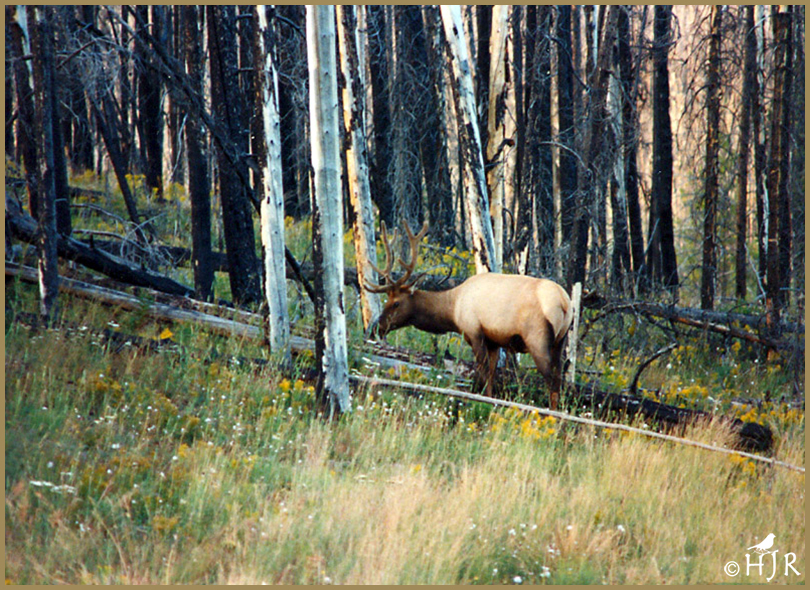


1 – Top Left: View in the woods of Yellowstone National Park. Adult Elk foraging alone, the herd is enjoying the river nearby. Wyoming.
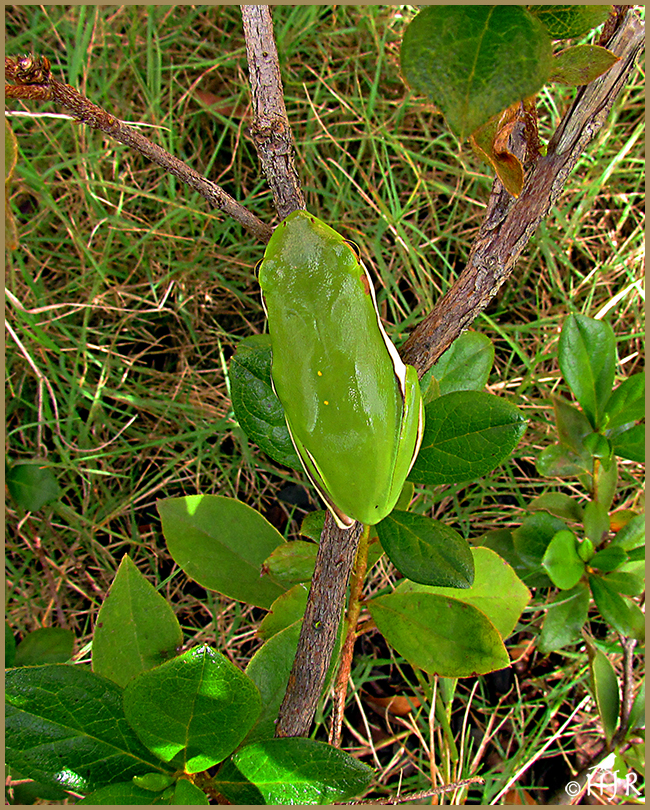
2 – Top Right: Tree Frog blending with the greens leaves in my backyard. Georgia.
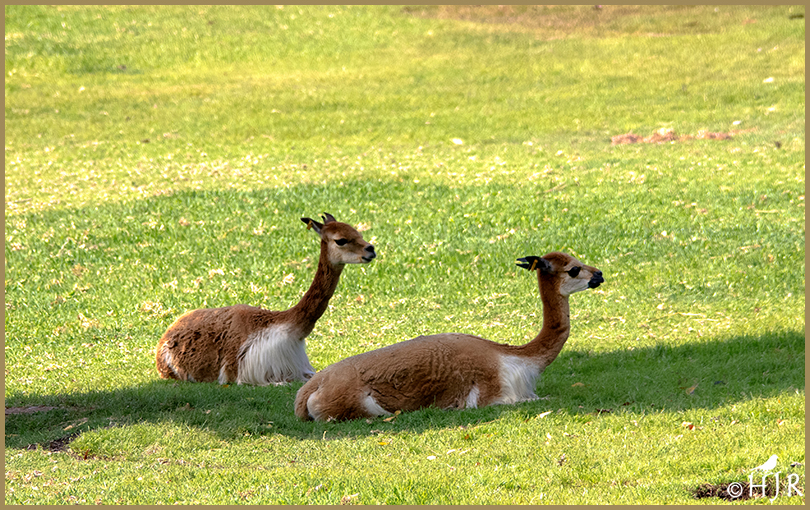
3 – Bottom Left: Two young Vicunas rest under the shade of tree in a warm day. Peru.
4 – Middle Right: Green Anole lizard soaking the sun on a fence bear the beach. Florida.
5 – Bottom Right: Handsome white horse grazing in a horse farm. Upstate New York.
© HJ Ruiz – Avian101
Share this:

Read Past Reviews

Book # 69
Quote from the Author
“A good chuckle is healthy, it helps you break the monotony of a serious life.” ~ H.J. Ruiz
 H.J. Ruiz - Avian101
You must be logged in to post a comment.