Special Places # 31
Flowers
Photo Gallery
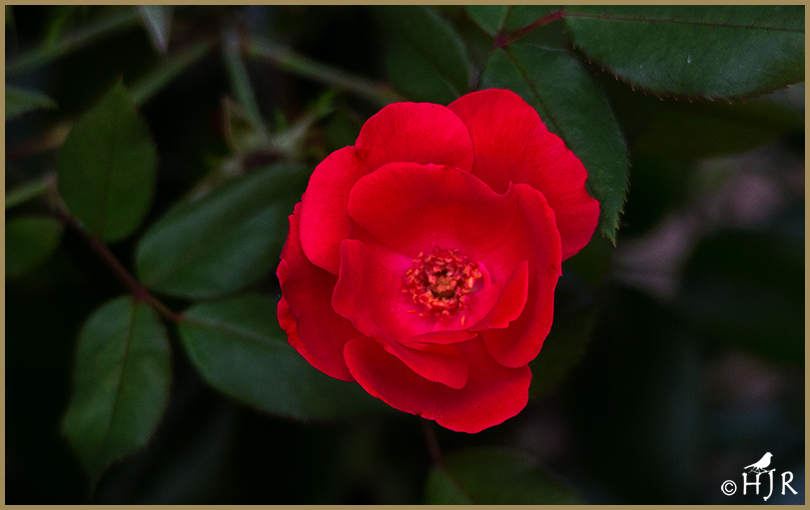


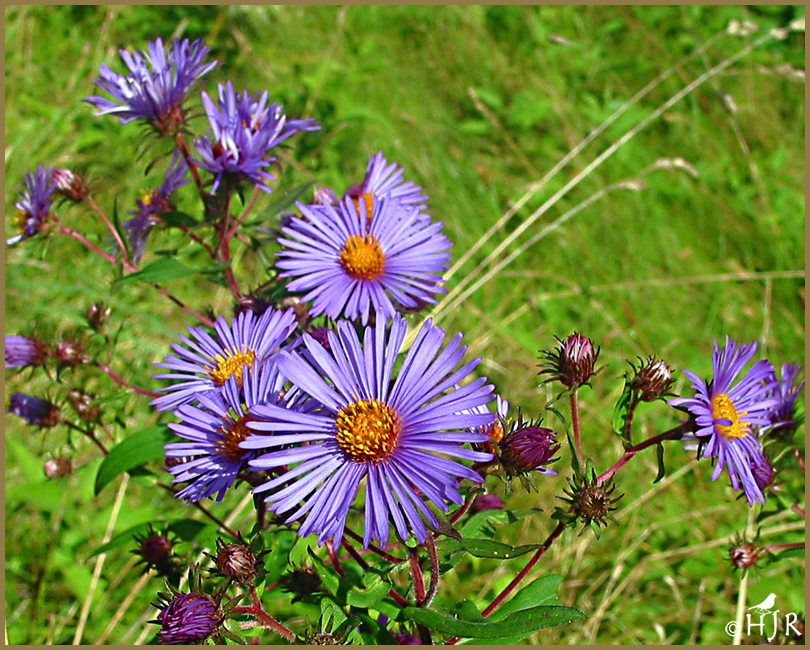
1 – Top Left: Red Rose from my garden at home in Georgia.
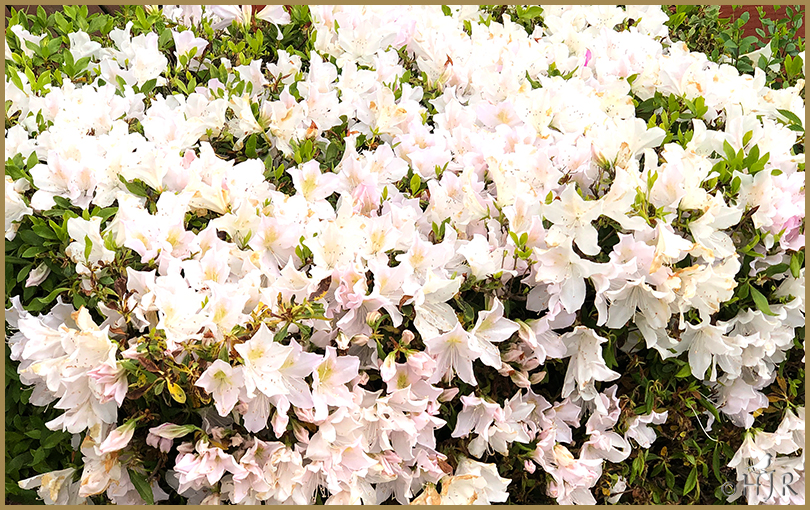
2 – Top Right: White Azaleas from around the deck in my backyard, GA.
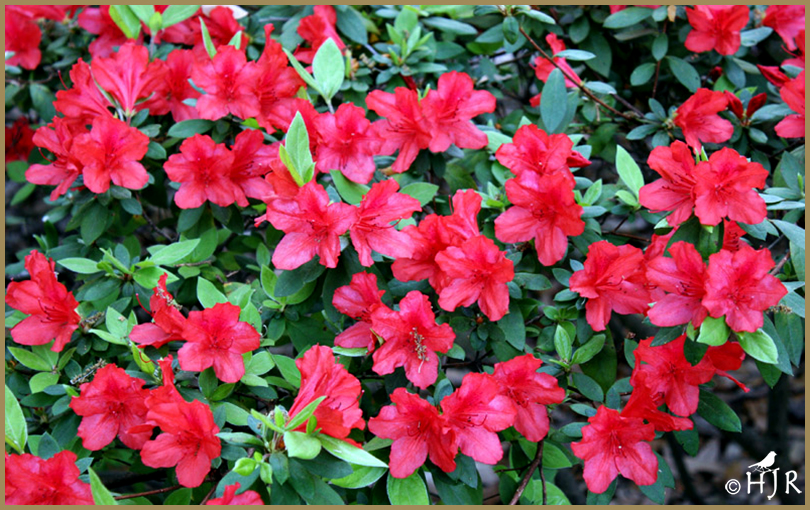
3 – Top Right-Middle: Red Azaleas, around the deck in my backyard, GA.
4 – Bottom Left: Daily Lily, potted in my deck. GA.
5 – Bottom Middle: Purple Iris from my garden at home in GA.
6 – Bottom Right: Asters in property I used to have in upstate New York.
© HJ Ruiz – Avian101
Share this:

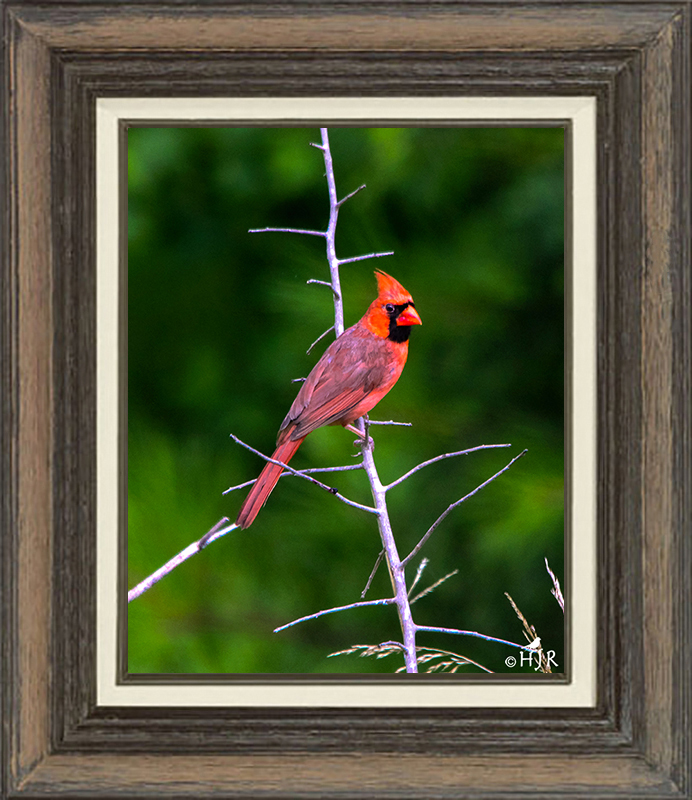
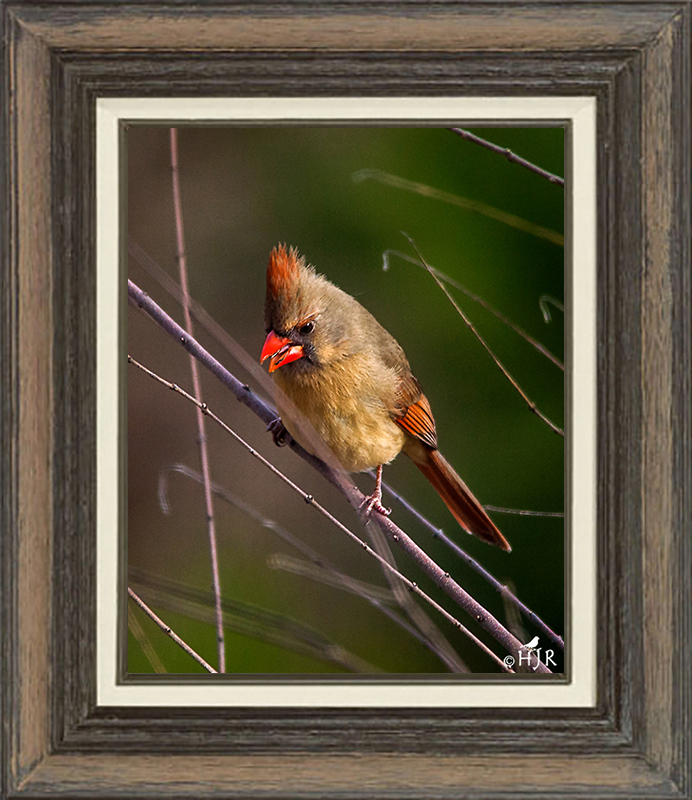
Red Art Gallery – Northern Cardinal # 40
Red Art Gallery
Photo Gallery
© HJ Ruiz – Avian101
Share this:

Birds of the Week # 14
Pine Warbler
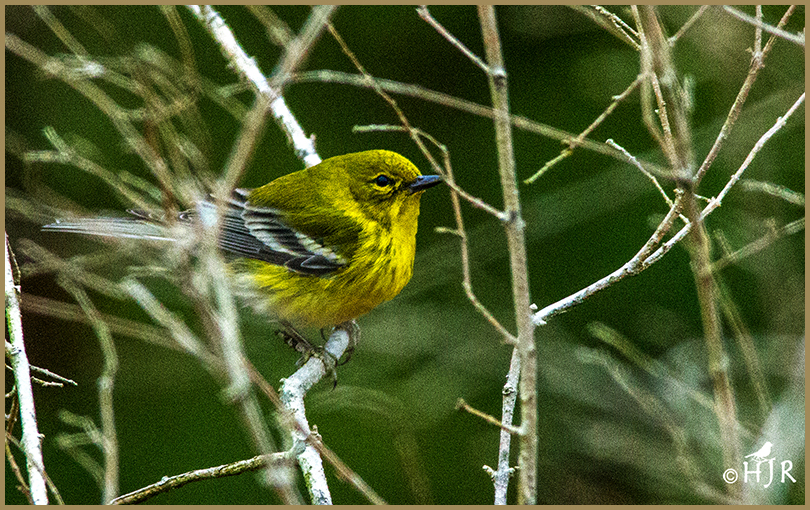
They forage slowly on tree trunks and branches by poking their bill into pine cones. These birds also find food by searching for it on the ground. These birds mainly eat insects, seeds and berries.
Their nests are deep, open cups, which are placed near the end of a tree branch. Pine Warblers prefer to nest in pine trees, hence their names. Three to five blotched white eggs are laid.
Tufted Titmouse
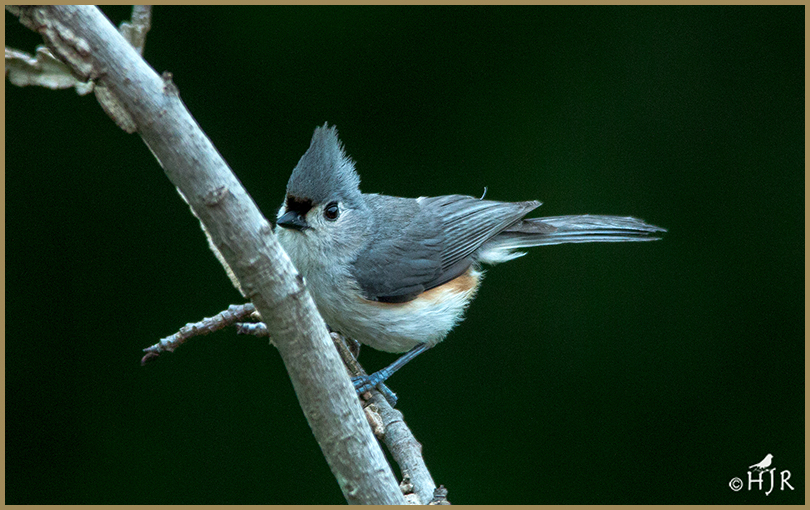
The Tufted Titmouse gathers food from the ground and from tree branches. It eats berries, nuts, insects, small fruit, snails, and seeds. Caterpillars constitute a major part of its diet during the summer. Titmice will stash food for later use. The titmouse can demonstrate curiosity regarding humans, and sometimes will perch on a window ledge and seem to be peering into the house. It may cling to the windows and walls of buildings seeking prey in wasp and hornet nests. It is a regular visitor around bird feeders. Its normal pattern is to scout a feeder from cover, fly in to take a seed, then fly back to cover to eat it
Boat-tailed Grackle (Male)

Boat-tailed Grackle (Female)

Young males are black but lack the adult’s iridescence. Immature females are duller versions of the adult female and have blotches or spots on the breast. The eye color of the Boat-tailed Grackle varies with range. Gulf Coast and inland birds have dark eyes, whereas Atlantic birds have pale eyes.
Red-winged Blackbird (Male)
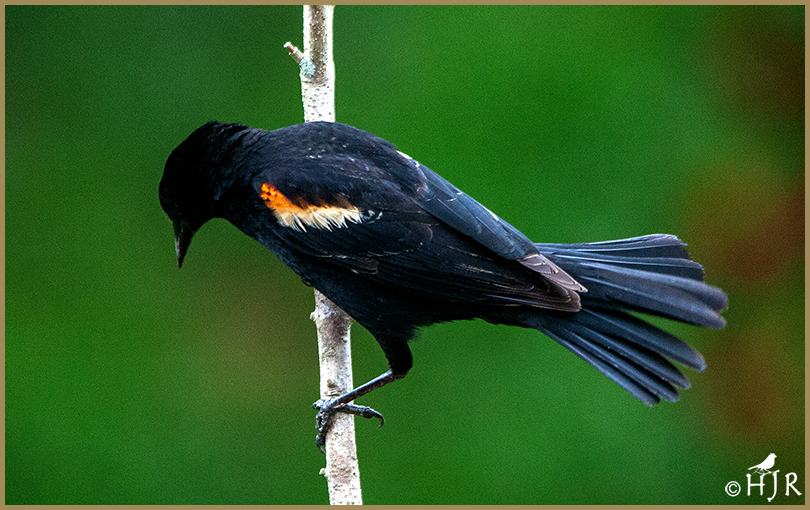
Young birds resemble the female, but are paler below and have buff feather fringes. Both sexes have a sharply pointed bill. The tail is of medium length and is rounded. The eyes, bill, and feet are all black. Unlike most North American passerines which develop their adult plumage in their first year of life so that the one-year-old and the oldest individual are indistinguishable in the breeding season, the Red-winged Blackbird does not. It acquires its adult plumage only after the breeding season of the year following its birth when it is between thirteen and fifteen months of age. Young males go through a transition stage in which the wing spots have an orange coloration before acquiring the most intense tone typical of adults.
Brown-headed Cowbird
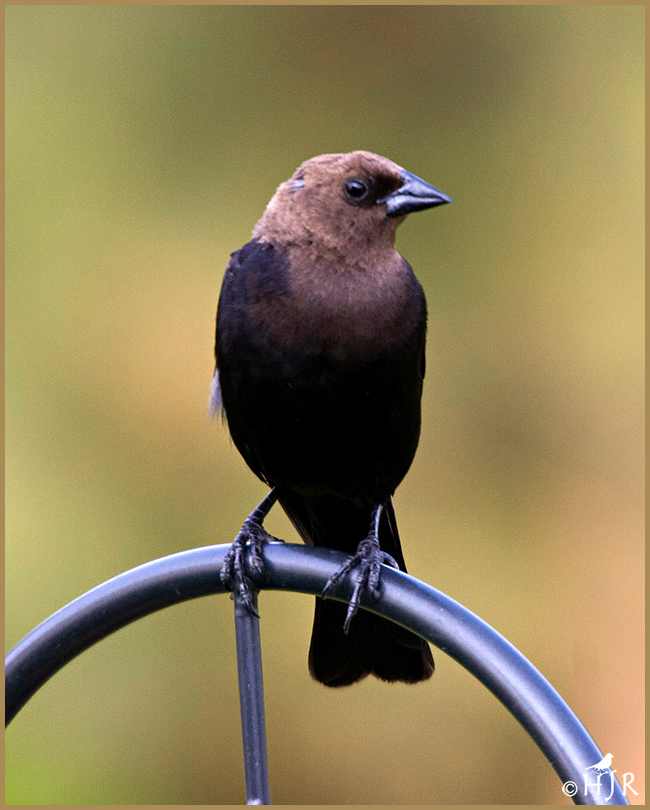
Brown-headed Cowbirds do not raise their own young; instead, they lay their eggs in the nests of other bird species. As a result, young cowbirds are not exposed to species-typical visual and auditory information like other birds. Despite this, they are able to develop species-typical singing, social, and breeding behaviors. Cowbird brains are wired to respond to the vocalizations of other cowbirds, allowing young to find and join flocks of their own species. These vocalizations are consistent across all cowbird populations, and serve as a sort of species-recognition password. If a young cowbird is not exposed to these “password” vocalizations by a certain age, it will mistakenly imprint on the host species.
© HJ Ruiz – Avian101
Share this:

Special Places # 30
Vermont
Vermont is a state in the New England region of the United States. It borders the states of Massachusetts to the south, New Hampshire to the east, and New York to the west, and the Canadian province of Quebec to the north. Vermont is the only state in New England that does not border the Atlantic Ocean. Vermont is the second-least-populated U.S. state and the sixth-smallest by area of the 50 U.S. states with a recorded population of 643,503 according to the 2020 U.S. census. The state capital is Montpelier, the least-populous state capital in the United States. The most-populous city, Burlington, is the least-populous city to be the most-populous city in a state.
For some 12,000 years, indigenous peoples inhabited this area. The historically competitive tribes of the Algonquian-speaking Abenaki and Iroquoian-speaking Mohawk were active in the area at the time of European encounter. During the 17th century, French colonists claimed the territory as part of the Kingdom of France’s colony of New France. After the Kingdom of Great Britain began to settle colonies to the south along the Atlantic coast, the two nations competed in North America in addition to Europe. After being defeated in 1763 in the Seven Years’ War, France ceded its territory east of the Mississippi River to Great Britain.
The geography of the state is marked by the Green Mountains, which run north–south up the middle of the state, separating Lake Champlain and other valley terrain on the west from the Connecticut River valley that defines much of its eastern border. A majority of its terrain is forested with hardwoods and conifers, and a majority of its open land is devoted to agriculture. The state’s climate is characterized by warm, humid summers and cold, snowy winters.
| Area | |
| • Total | 9,616 sq mi (24,923 km2) |
| • Land | 9,250 sq mi (23,957.39 km2) |
| • Water | 382 sq mi (989 km2) 4.1% |
| Dimensions | |
| • Length | 160 mi (260 km) |
| • Width | 80 mi (130 km) |
| Elevation | 1,000 ft (300 m) |
| Highest elevation (Mount Mansfield) | 4,395 ft (1,340 m) |
| Lowest elevation (Lake Champlain) | 95 to 100 ft (29 to 30 m) |
| Population (2020) | |
| • Total | 643,503 |
| Latitude | 42°44′ N to 45°1′ N |
| Longitude | 71°28′ W to 73°26′ W |
Photo Gallery

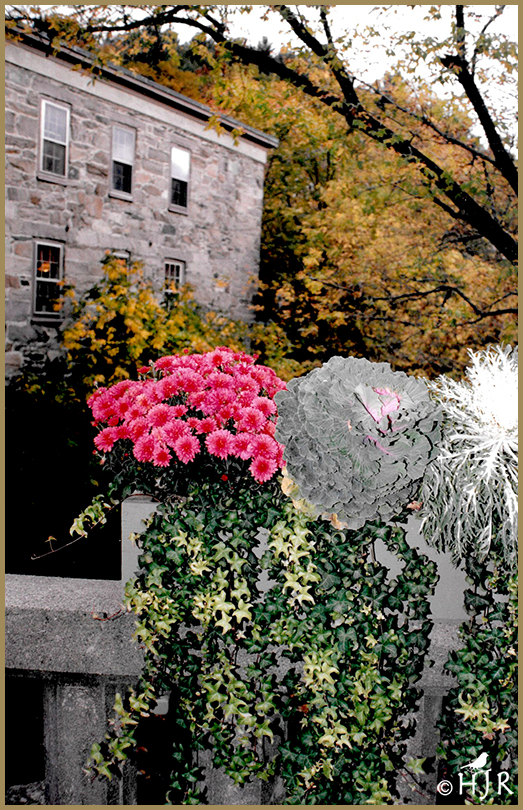
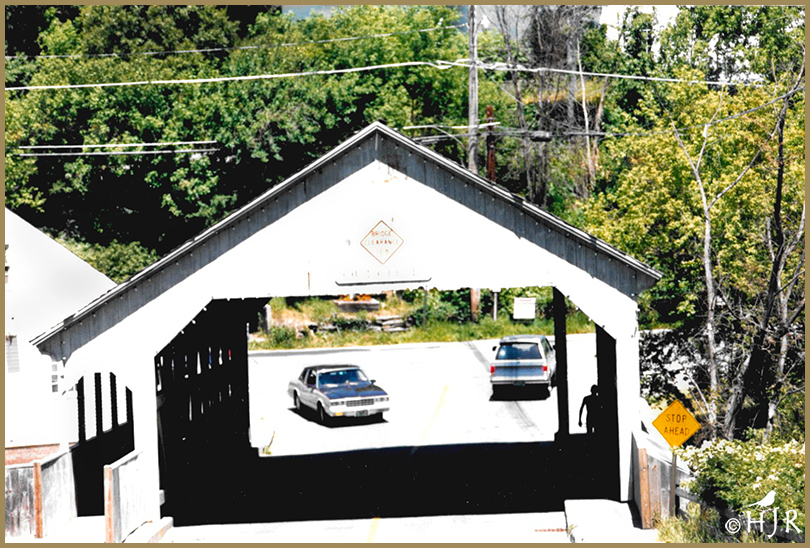
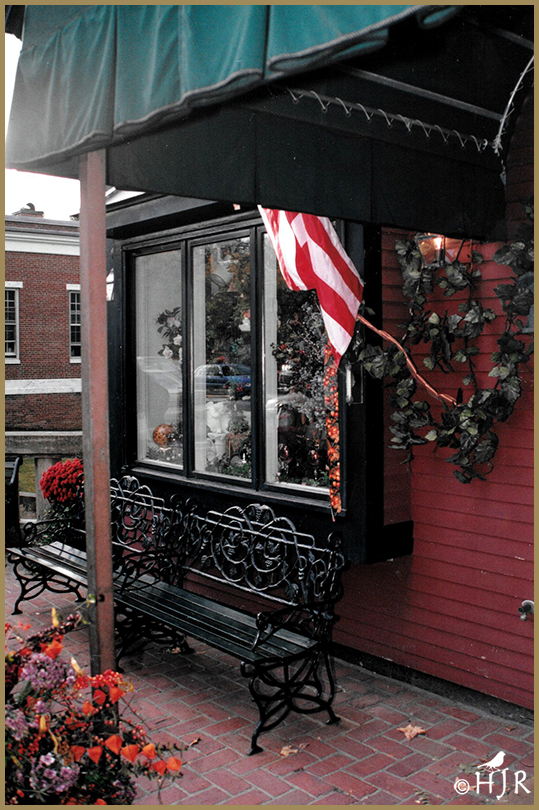


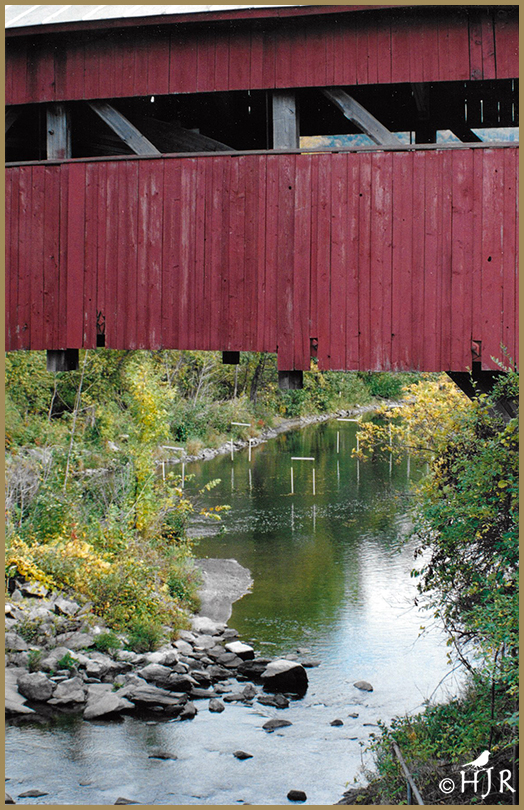

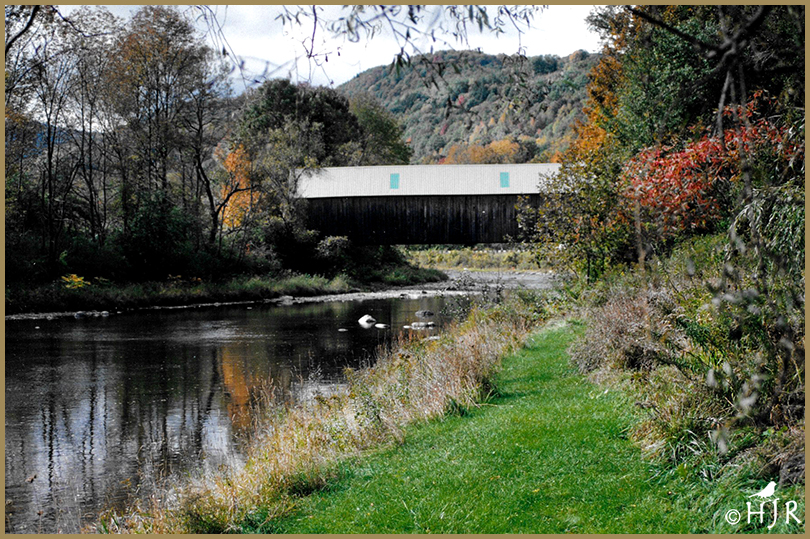
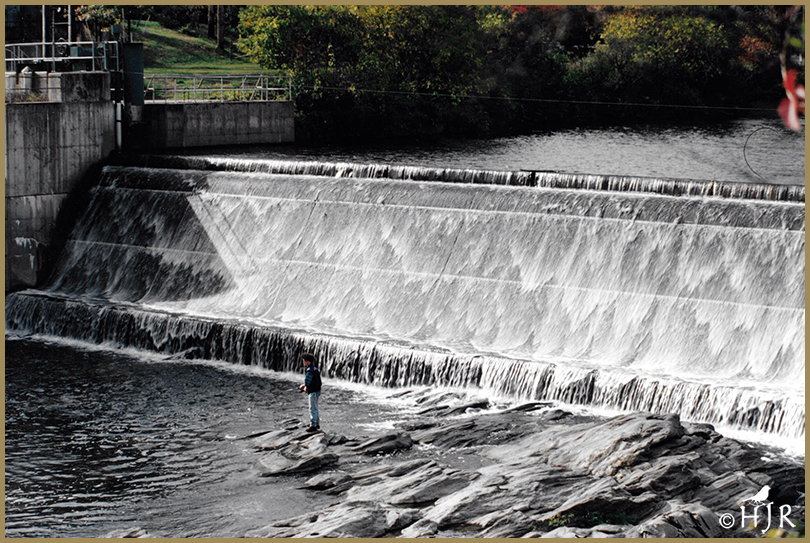
© HJ Ruiz – Avian101
Share this:

Read Past Reviews

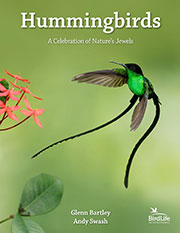
Book # 69
Quote from the Author
“A good chuckle is healthy, it helps you break the monotony of a serious life.” ~ H.J. Ruiz
 H.J. Ruiz - Avian101
You must be logged in to post a comment.