
Birds of the Week # 16
Anhinga

Anhinga species are found all over the world in warm shallow waters. The American anhinga has been subdivided into two subspecies, A. a. anhinga and A. a. leucogaster, based on their location. A. a. anhinga can be found mainly east of the Andes in South America and also the islands of Trinidad and Tobago. A. a. leucogaster can be found in the southern United States, Mexico, Cuba, and Grenada. A fossil species Anhinga walterbolesi has been described from the Late Oligocene to Early Miocene of Australia.
Brown Pelican

The Brown Pelican mainly feeds on fish, but occasionally eats amphibians, crustaceans, and the eggs and nestlings of birds. It nests in colonies in secluded areas, often on islands, vegetated land among sand dunes, thickets of shrubs and trees, and mangroves. Females lay two or three oval, chalky white eggs. Incubation takes 28 to 30 days with both sexes sharing duties. The newly hatched chicks are pink, turning gray or black within 4 to 14 days. About 63 days are needed for chicks to fledge. Six to 9 weeks after hatching, the juveniles leave the nest, and gather into small groups known as pods.
Red-winged Blackbird
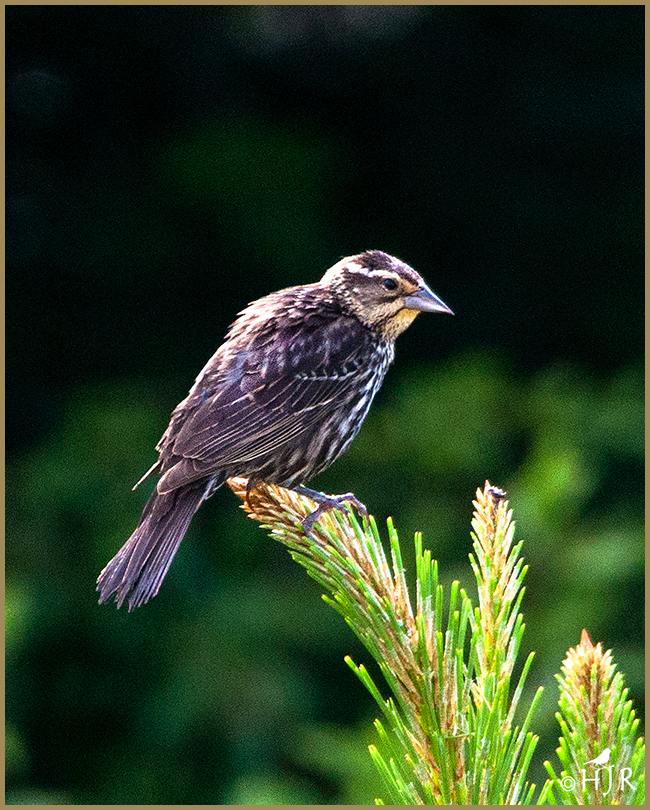
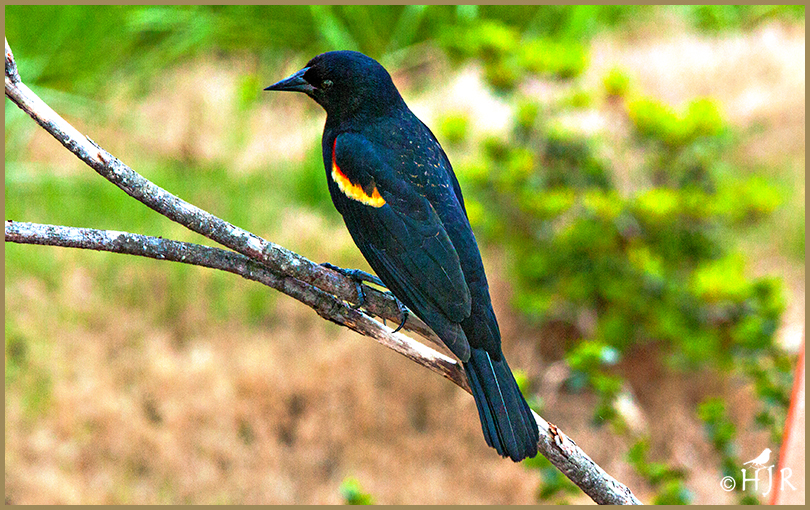
The Red-winged Blackbird (Agelaius phoeniceus) is a passerine bird of the family Icteridae found in most of North America and much of Central America. It breeds from Alaska and Newfoundland south to Florida, the Gulf of Mexico, Mexico, and Guatemala, with isolated populations in western El Salvador, northwestern Honduras, and northwestern Costa Rica. It may winter as far north as Pennsylvania and British Columbia, but northern populations are generally migratory, moving south to Mexico and the southern United States. Claims have been made that it is the most abundant living land bird in North America, as bird-counting censuses of wintering red-winged blackbirds sometimes show that loose flocks can number in excess of a million birds per flock and the full number of breeding pairs across North and Central America may exceed 250 million in peak years. It also ranks among the best-studied wild bird species in the world.
White-throated Sparrow

In winter, the White-throated Sparrow migrates to the southern and eastern United States. They are differential migrants with females migrating farther, increasing the proportion of females at lower latitudes in the Atlantic flyway. Females are smaller so they would not perform as optimally at colder, higher latitudes, and females avoid competition with the dominant males of the winter hierarchies by migrating farther. There is also no benefit for females to be among the first to return after winter, so migrating farther allows the males to return and establish territory a few weeks before their arrival. It stays year round in the Atlantic provinces of Canada. This bird is a rare vagrant to western Europe. Alongside some other species such as the cardinal, dark-eyed junco, song sparrow and chickadees, this species ranks among the most abundant native birds during winter in eastern North America.
Savannah Sparrow

The Savannah Sparrow has a typically sparrow-like dark-streaked brown back, and whitish underparts with brown or blackish breast and flank streaking. It has whitish crown and supercilium stripes, sometimes with some yellow (more often near the beak). The cheeks are brown and the throat white. The flight feathers are blackish-brown with light brown or white border. The eyes are dark. The feet and legs are horn-colored, as is the lower part of the bill, with the upper part being dark grey.
© HJ Ruiz – Avian101
Share this:

Special Places # 32
Panoramic Photos
Photo Gallery






1 – Top Left: Scene shot at Autumn time in the forest somewhere in Georgia.
2 – Top Right: Beginning of Autumn at lake in Jackson, Georgia.
3 – Second Row Left: Houses in front of lake in Franklin, North Carolina, during Autumn time.
4- Second Row Right: View of the sky colors before sunset, over my neighbors’ houses in Georgia.
5- Third Row: Old stone bridge in front of the more modern one in Morris County, New Jersey.
6 – Last Row: Bridge over Alatoona Lake in Red Top Mountain Pk. Georgia.
© HJ Ruiz – Avian101
Share this:

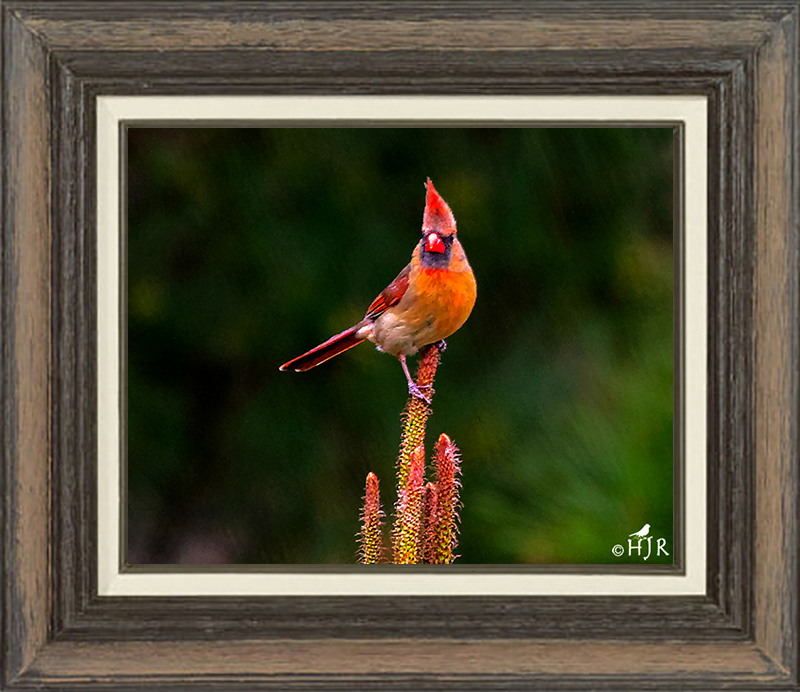
Red Art Gallery – Northern Cardinal # 41
Red Art Gallery
Photo Gallery

© HJ Ruiz – Avian101
Share this:

Birds of the Week # 15
Eastern Towhee (Male)
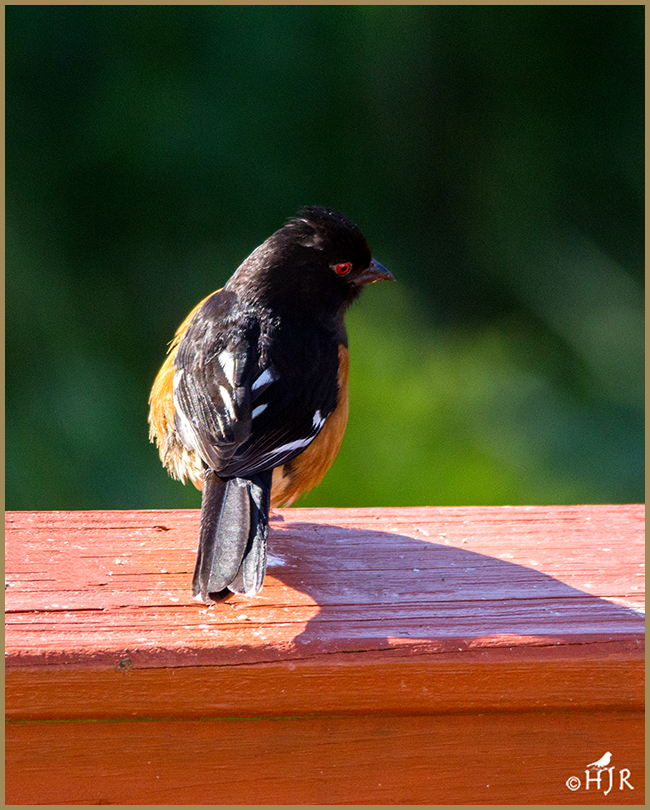
Eastern Towhees typically nest on or near the ground. Several literature reviews note the predominance of eastern towhee nests below 5 feet (1.5 m) In a study of cowbird parasitism on Sanibel Island, all 5 eastern towhee nests located were within 6 feet (1.8 m) of the ground. Nests as high as 18 feet (5.5 m) have been reported in literature reviews. Nests higher off the ground in mixed aspen stands of varying ages in Pennsylvania had significantly (p<0.001) lower nest success. Of 13 unsuccessful eastern towhee nests, 11 were greater than 1-foot (0.30 m) above the ground.
Northern Mockingbird
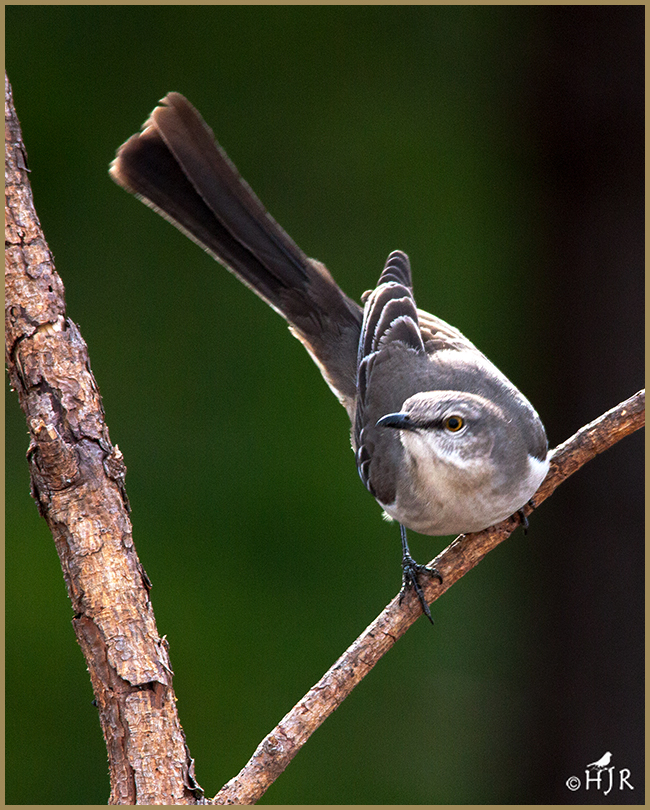
Both Northern Mockingbird, male and female of the species reach sexual maturity after one year of life. The breeding season occurs in the spring and early summer. The males arrive before the beginning of the season to establish their territories. The males use a series of courtship displays to attract the females to their sites. They run around the area either to showcase their territory to the females or to pursue the females. The males also engage in flight to showcase their wings. They sing and call as they perform all of these displays. The species can remain monogamous for many years, but incidents of polygyny and bigamy have been reported to occur during a single bird’s lifetime.
White-throated Sparrow
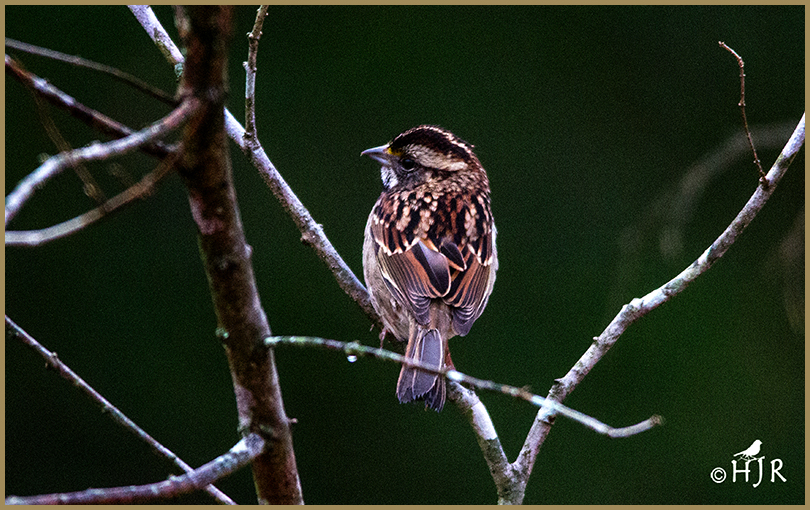
White-throated Sparrows almost always pair with the opposite color morph for breeding. The two color morphs occur in approximately equal numbers. Both male and female white-striped birds are more aggressive than tan-striped birds during the breeding season. The aggression is because of high level of estrogen receptor alpha in white-striped birds. The breast has gray/tan streaks and the streaks continue down the flanks but the belly is generally light gray. The wings are rufous with two distinct white wing bars. Sexes are morphologically similar.
Lincoln’s Sparrow
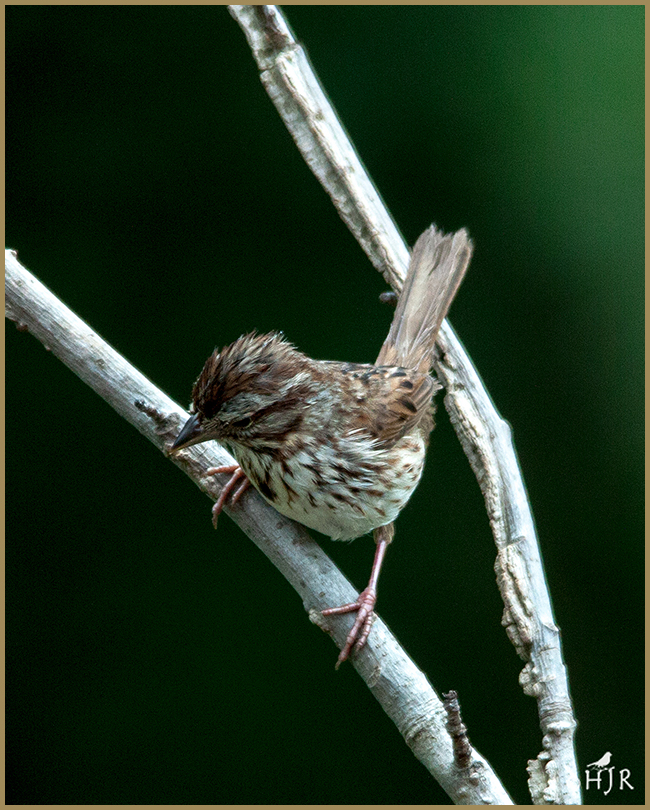
Lincoln’s Sparrows adults have dark-streaked olive-brown upperparts and a light brown breast with fine streaks, a white belly, and a white throat. They have a brown cap with a grey stripe in the middle, olive-brown wings, and a narrow tail. Their face is grey with brown cheeks, a buffy mustache, and a brown line through the eye with a narrow eye ring. Males and females are alike in plumage. They are somewhat similar in appearance to the song sparrow although smaller and trimmer with finer breast streaks.
Osprey
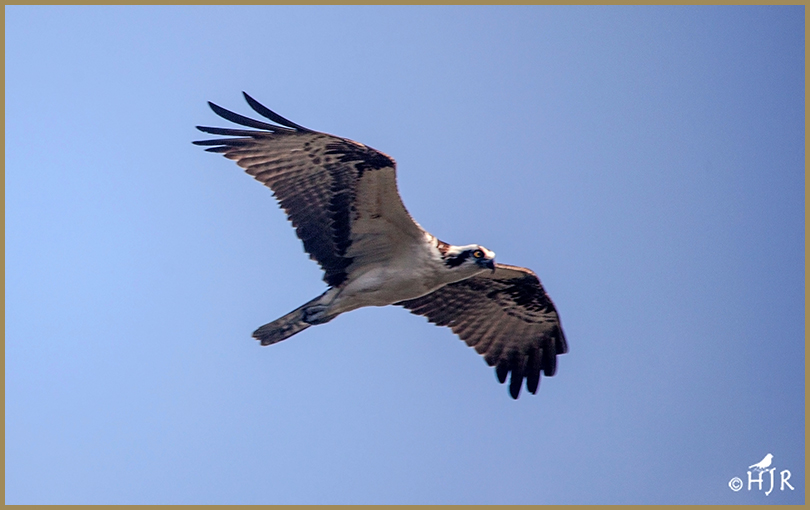
The Osprey is the second most widely distributed raptor species, after the peregrine falcon, and is one of only six land-birds with a cosmopolitan distribution. It is found in temperate and tropical regions of all continents, except Antarctica. In North America it breeds from Alaska and Newfoundland south to the Gulf Coast and Florida, wintering further south from the southern United States through to Argentina. It is found in summer throughout Europe north into Ireland, Scandinavia, Finland and Great Britain though not Iceland, and winters in North Africa. In Australia it is mainly sedentary and found patchily around the coastline, though it is a non-breeding visitor to eastern Victoria and Tasmania.
Common Moorhen
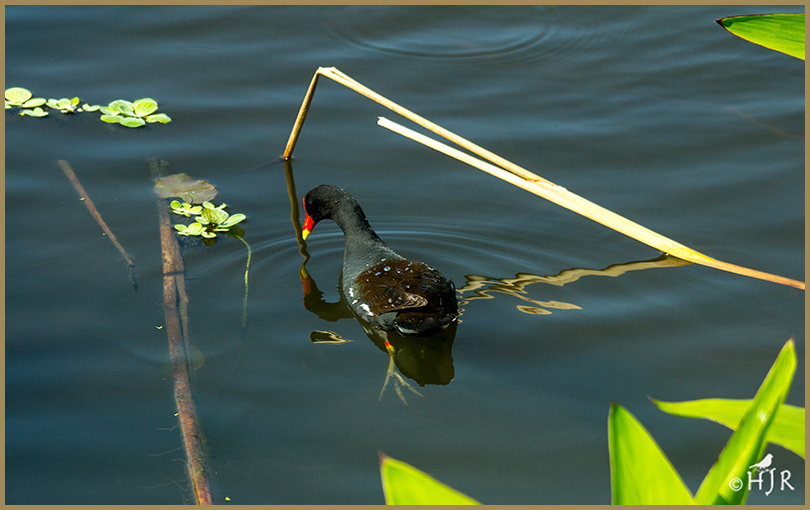
The Common Moorhen will consume a wide variety of vegetable material and small aquatic creatures. They forage beside or in the water, sometimes walking on lilypads or upending in the water to feed. They are often secretive, but can become tame in some areas. Despite loss of habitat in parts of its range, the common moorhen remains plentiful and widespread.
© HJ Ruiz – Avian101
Share this:

Read Past Reviews

Book # 69
Quote from the Author
“A good chuckle is healthy, it helps you break the monotony of a serious life.” ~ H.J. Ruiz
 H.J. Ruiz - Avian101
You must be logged in to post a comment.