Special Places # 35
Capitol Reef National Park
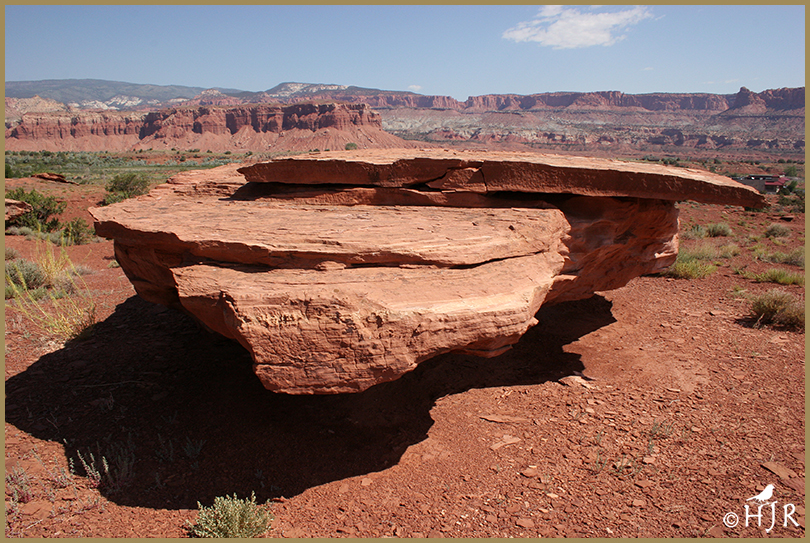
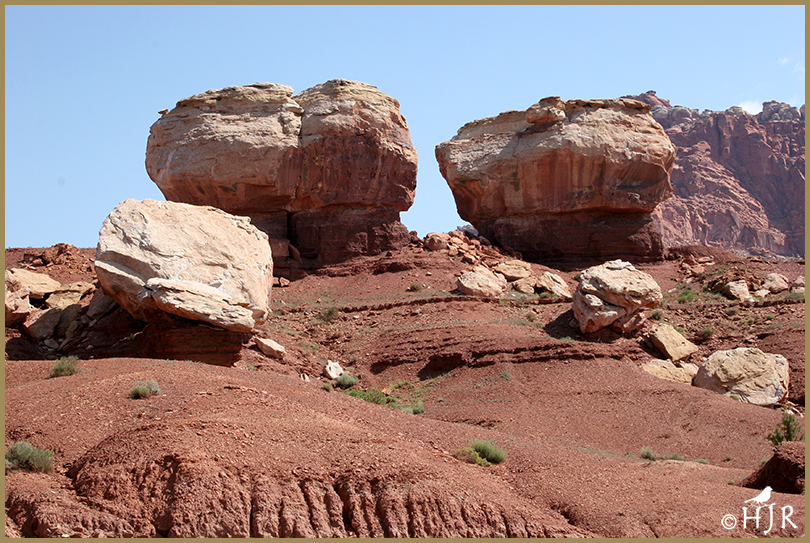
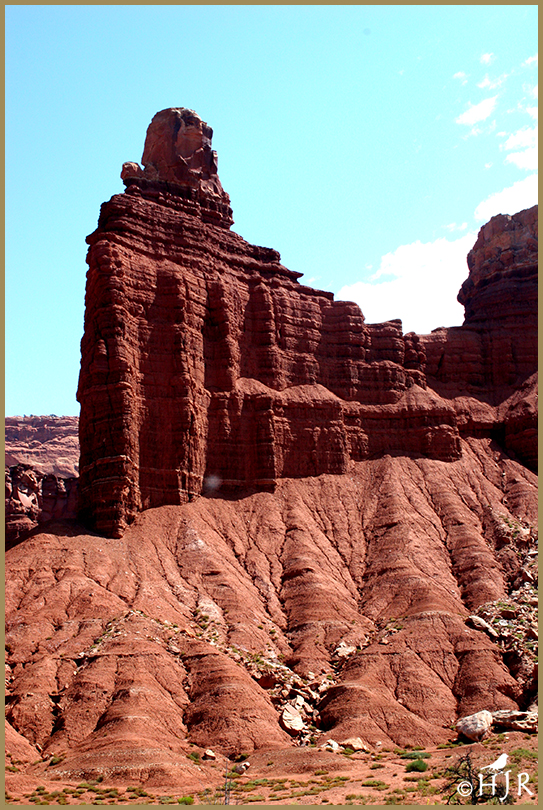
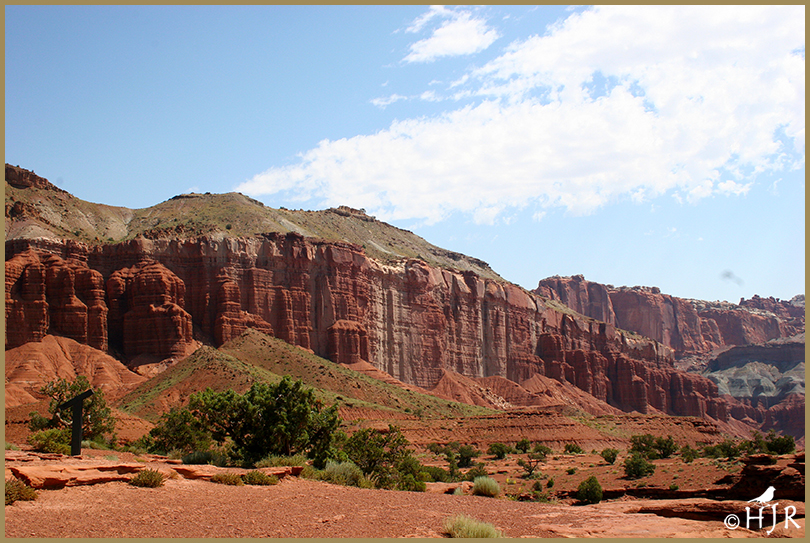
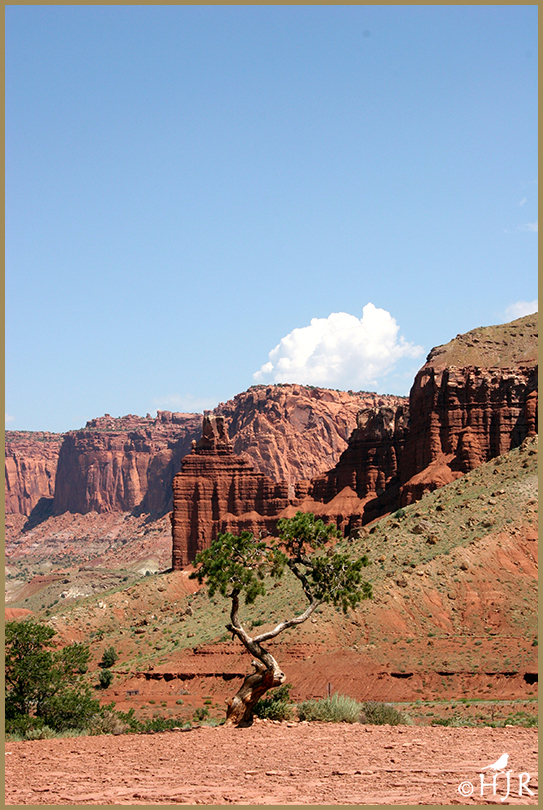
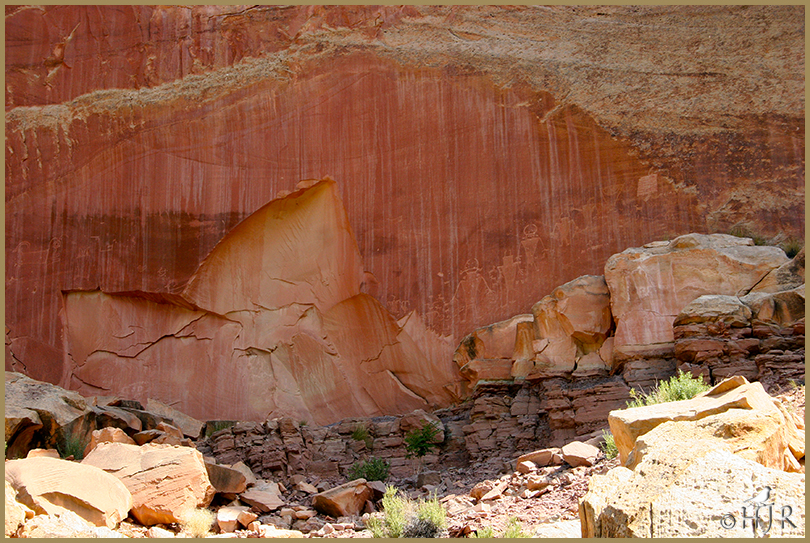
Capitol Reef National Park is an American national park in south-central Utah. The park is approximately 60 miles (97 km) long on its north–south axis and just 6 miles (9.7 km) wide on average. The park was established in 1971 to preserve 241,904 acres (377.98 sq mi; 97,895.08 ha; 978.95 km2) of desert landscape and is open all year, with May through September being the highest visitation months.
Partially in Wayne County, Utah, the area was originally named “Wayne Wonderland” in the 1920s by local boosters Ephraim P. Pectol and Joseph S. Hickman. Capitol Reef National Park was designated a national monument on August 2, 1937, by President Franklin D. Roosevelt to protect the area’s colorful canyons, ridges, buttes, and monoliths; however, it was not until 1950 that the area officially opened to the public. Road access was improved in 1962 with the construction of State Route 24 through the Fremont River Canyon.
The majority of the nearly 100 mi (160 km) long up-thrust formation called the Waterpocket Fold—a rocky spine extending from Thousand Lake Mountain to Lake Powell—is preserved within the park. Capitol Reef is an especially rugged and spectacular segment of the Waterpocket Fold by the Fremont River. The park was named for its whitish Navajo Sandstone cliffs with dome formations—similar to the white domes often placed on capitol buildings—that run from the Fremont River to Pleasant Creek on the Waterpocket Fold. Locally, reef refers to any rocky barrier to land travel, just as ocean reefs are barriers to sea travel.
| Location | Wayne, Garfield, Sevier, and Emery counties, Utah, United States |
| Nearest city | Torrey |
| Coordinates | 38°12′N 111°10′W |
| Area | 241,904 acres (978.95 km2) 670 acres (270 ha) private |
| Established | December 18, 1971 |
| Visitors | 1,227,627 (in 2018) |
| Governing body | National Park Service |
Photo Gallery
© HJ Ruiz – Avian101 – Wikipedia Info.
Share this:

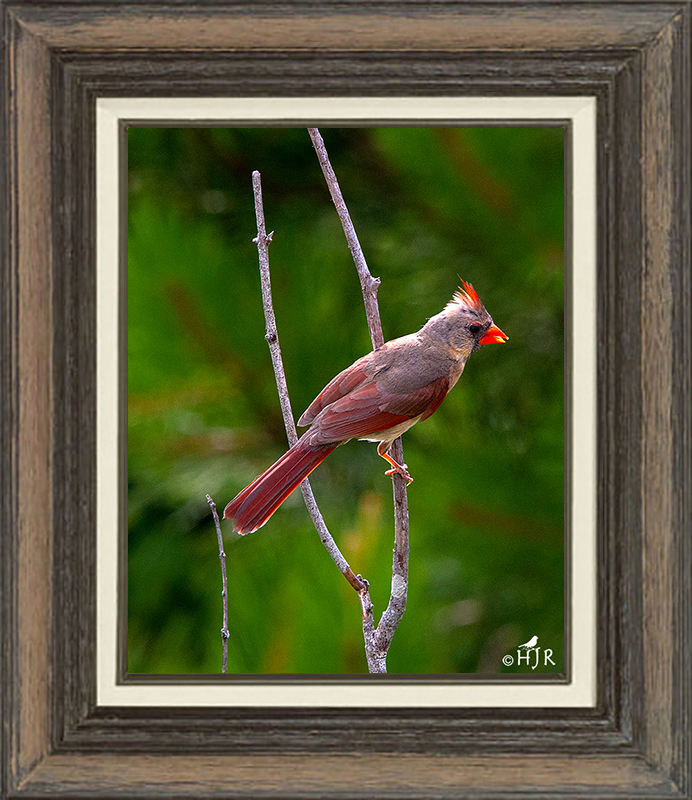
Red Art Gallery – Northern Cardinal # 44
Red Art Gallery
Photo Gallery

© HJ Ruiz – Avian101
Share this:

Birds of the Week # 18
Willet
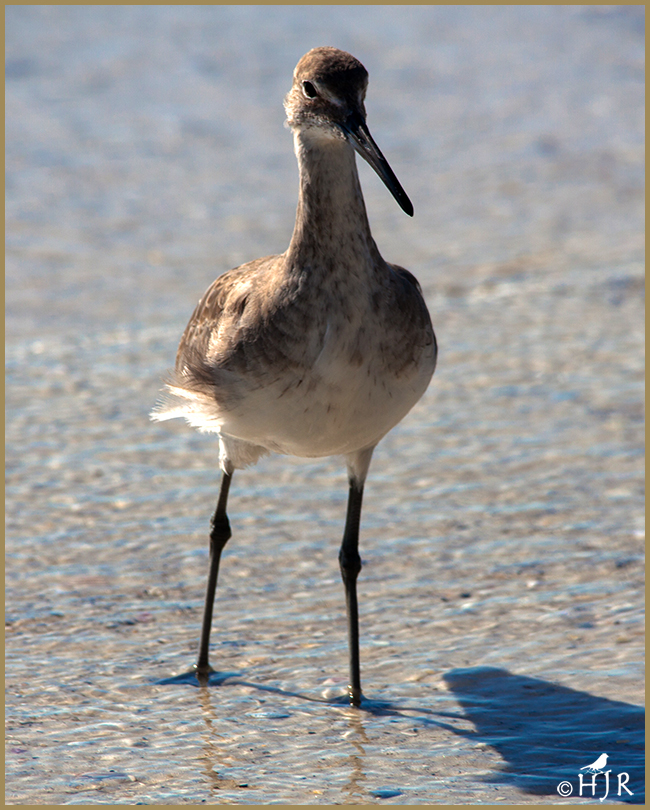
The Willet is an inelegant and heavily built shorebird with a structure similar to that of the common redshank but being larger in size than the greater yellowlegs while resembling a godwit in flight with black primary coverts and primaries contrasting with a broad white band, white secondaries with a white rump and gray tail band. The black underwing coverts may be conspicuous in flight. Willets are identified on the ground by their gray legs and shortish, heavy but straight bill. The plumage is gray above with a white rump, and white below with a distinct white area above the lores and a narrow whitish eye ring giving the bird a spectacled appearance. The underparts are white. In breeding plumage the bird shows brown barring on the upperparts. Non-breeding birds are plainer.
Reddish Egret
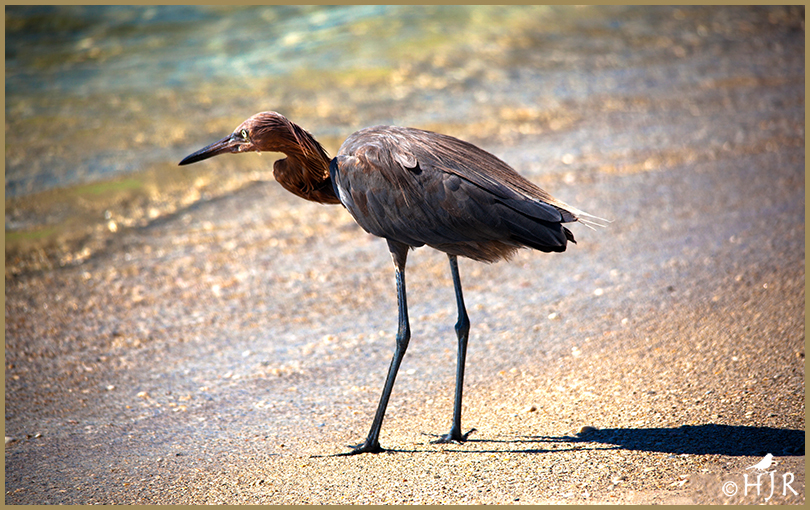
Reddish Egrets’ breeding habitat is tropical swamps. It nests in colonies, often with other herons, usually on platforms of sticks in trees or shrubs. These colonies are usually located on coastal islands. These birds have raucous courtship displays. They generally involve shaking of the head during the greeting ceremony, followed by chases and circle flights. They also involve raising of the neck, back and crest feathers, accompanied by bill clacking, similar to the tricolored heron.
Eastern Kingbird
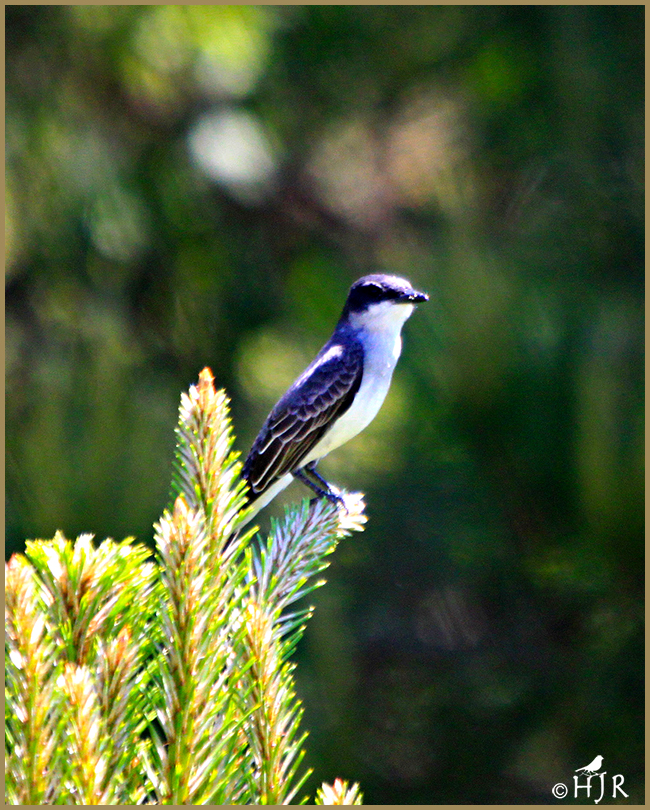
Some Eastern Kingbirds place their nests in the open, while others hide their nests well. Eastern kingbirds in southern British Columbia may nest in open fields, in shrubs over open water, high up in trees, and even in the tops of small stumps. Both male and female participate in nest defense, but females may stay on well-hidden nests longer than females with open nests, who may leave nests earlier to chase away predators. Those pairs nesting in the open may be able to see predators coming earlier and rely on aggressive behavior to protect their young.
Common Grackle
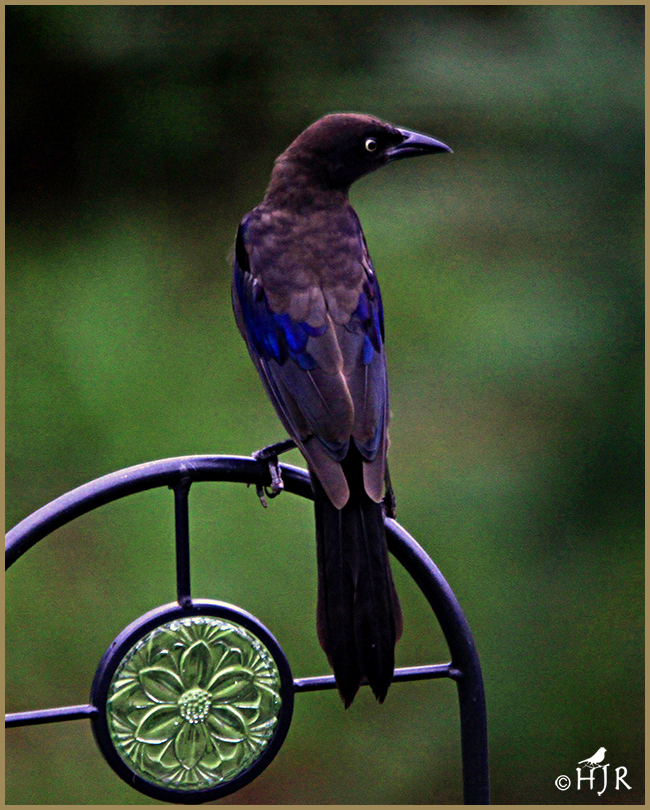
This bird is a permanent resident in much of its range. Northern birds migrate in flocks to the Southeastern United States. The distribution of the Common Grackle is largely explained by annual mean temperature, and the species has expanded its range by greater than three-fold since the last glacial maximum, approximately 22,000 years ago.
Eastern Phoebe
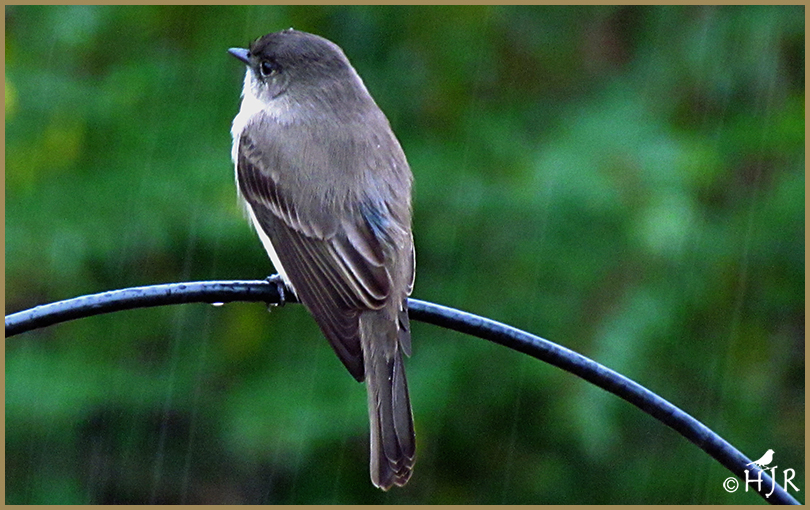
The Eastern Phoebe, this tyrant flycatcher breeds in eastern North America, although its normal range does not include the southeastern coastal United States. The breeding habitat of the eastern phoebe is open woodland, farmland and suburbs, often near water. This phoebe is insectivorous, and often perches conspicuously when seeking food items. It also eats fruits and berries in cooler weather.
Red-winged Blackbird (Male)
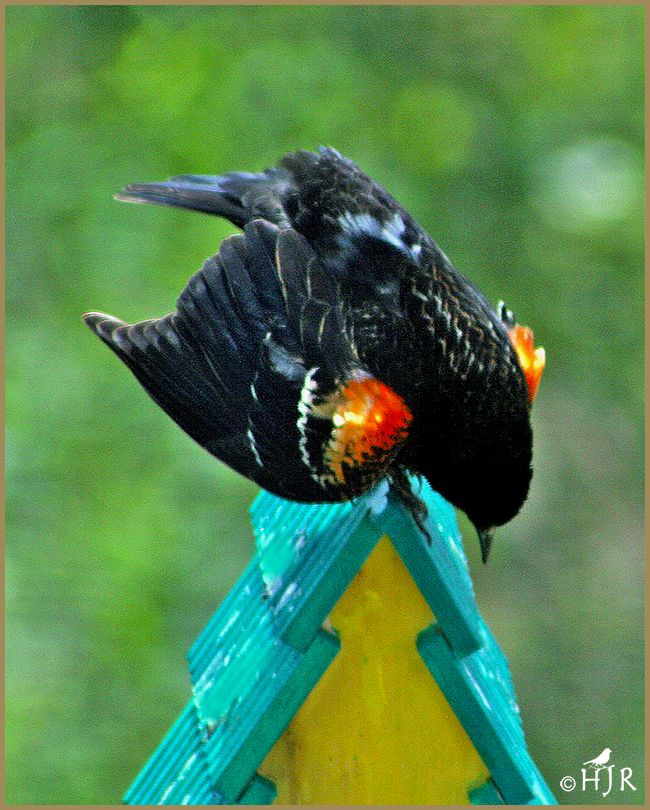
Young Red-winged Blackbirds resemble the female, but are paler below and have buff feather fringes. Both sexes have a sharply pointed bill. The tail is of medium length and is rounded. The eyes, bill, and feet are all black. Unlike most North American passerines which develop their adult plumage in their first year of life so that the one-year-old and the oldest individual are indistinguishable in the breeding season, the red-winged blackbird does not. It acquires its adult plumage only after the breeding season of the year following its birth when it is between thirteen and fifteen months of age. Young males go through a transition stage in which the wing spots have an orange coloration before acquiring the most intense tone typical of adults.
© HJ Ruiz – Avian101
Share this:

Special Places # 34
Photo Art by H.J. Ruiz
Photo Gallery
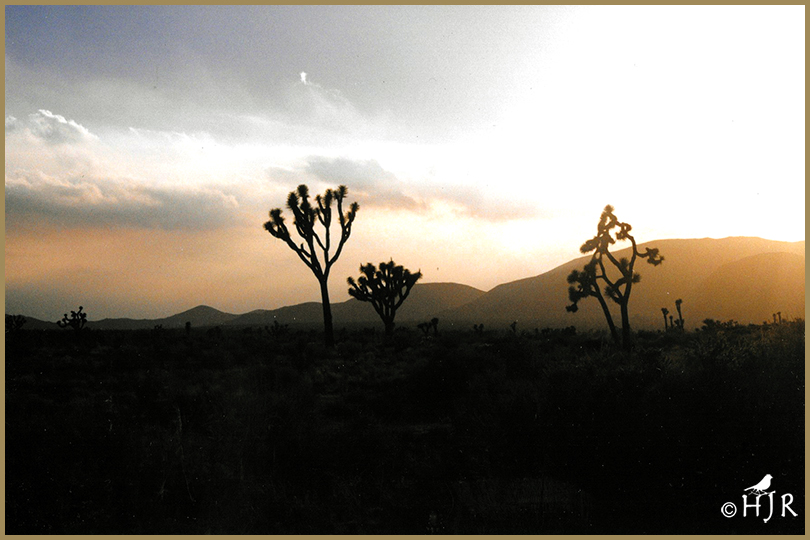


1 – Top Left: View of sunset in the desert of Joshua Tree National Park, California.
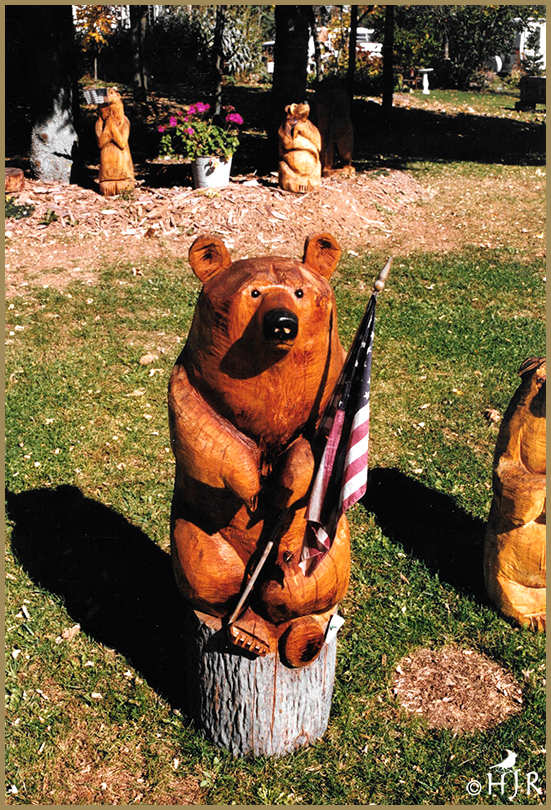
2 – Top Right: A “Patriot Bear”, a wonderful wood carving for sale in upstate New York forest.
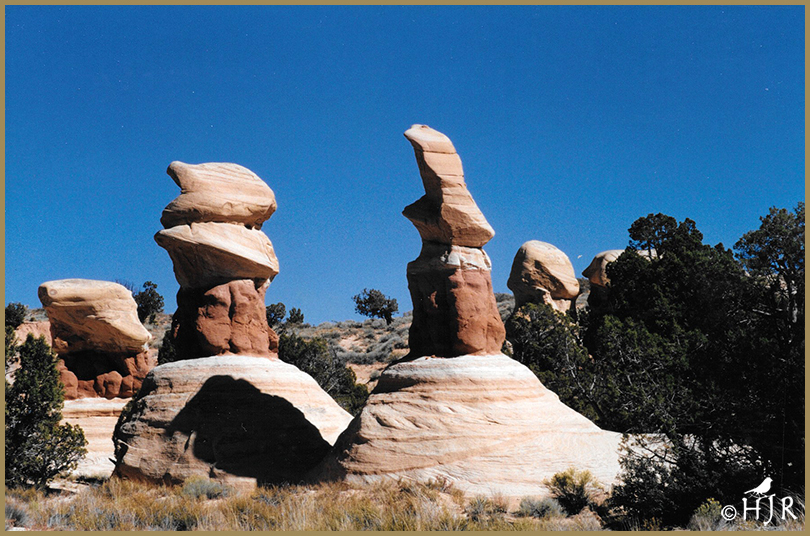
3 – Middle Left: The Devils Garden of the Grand Staircase–Escalante National Monument in south central Utah, United States, is a protected area featuring hoodoos, natural arches and other sandstone formations. The formations in the Devils Garden were created, and continue to be shaped, by various weathering and erosional processes.These natural processes have been shaping sandstone layers formed more than 166 million years ago during the Jurassic period’s Middle epoch.
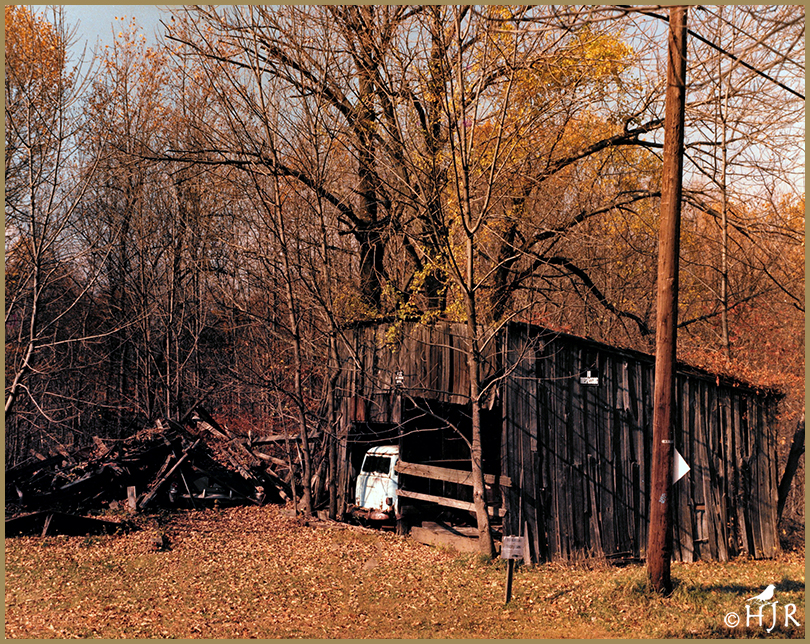
4 – Middle Right – Top Tier: Old vehicle in old garage has become a monument to be conserved as is, in North New Jersey.
5 – Middle Right – Lower Tier: Photo from the window of a jet plane, view of Caribbean Sea on the way to The Bahamas.
6 – Bottom: I named this scene blue toned 4×5 (B&W film) ” A circle of Friends” in Morris County, New Jersey.
© HJ Ruiz – Avian101
Share this:

Read Past Reviews

Book # 69
Quote from the Author
“A good chuckle is healthy, it helps you break the monotony of a serious life.” ~ H.J. Ruiz
 H.J. Ruiz - Avian101
You must be logged in to post a comment.