Special Places # 39
Grand Canyon National Park
The Grand Canyon (Hopi: Öngtupqa, Yavapai: Wi:kaʼi:la, Navajo: Bidááʼ Haʼaztʼiʼ Tsékooh, Spanish: Gran Cañón) is a steep-sided canyon carved by the Colorado River in Arizona, United States. The Grand Canyon is 277 miles (446 km) long, up to 18 miles (29 km) wide and attains a depth of over a mile (6,093 feet or 1,857 meters).
The canyon and adjacent rim are contained within Grand Canyon National Park, the Kaibab National Forest, Grand Canyon–Parashant National Monument, the Hualapai Indian Reservation, the Havasupai Indian Reservation and the Navajo Nation. President Theodore Roosevelt was a major proponent of the preservation of the Grand Canyon area and visited it on numerous occasions to hunt and enjoy the scenery.
Nearly two billion years of Earth’s geological history have been exposed as the Colorado River and its tributaries cut their channels through layer after layer of rock while the Colorado Plateau was uplifted. While some aspects about the history of incision of the canyon are debated by geologists, several recent studies support the hypothesis that the Colorado River established its course through the area about 5 to 6 million years ago. Since that time, the Colorado River has driven the down-cutting of the tributaries and retreat of the cliffs, simultaneously deepening and widening the canyon.
For thousands of years, the area has been continuously inhabited by Native Americans, who built settlements within the canyon and its many caves. The Pueblo people considered the Grand Canyon a holy site, and made pilgrimages to it. The first European known to have viewed the Grand Canyon was García López de Cárdenas from Spain, who arrived in 1540.
| Floor elevation | Approx. 2,600 feet (800 m) |
| Length | 277 miles (446 km) |
| Width | 4 to 18 miles (6.4 to 29.0 km) |
| Age | 5–6 million years |
| Location | Arizona, U.S. |
| Coordinates | : 36°18′N 112°36′W |
| Rivers | Colorado River |
Photo Gallery

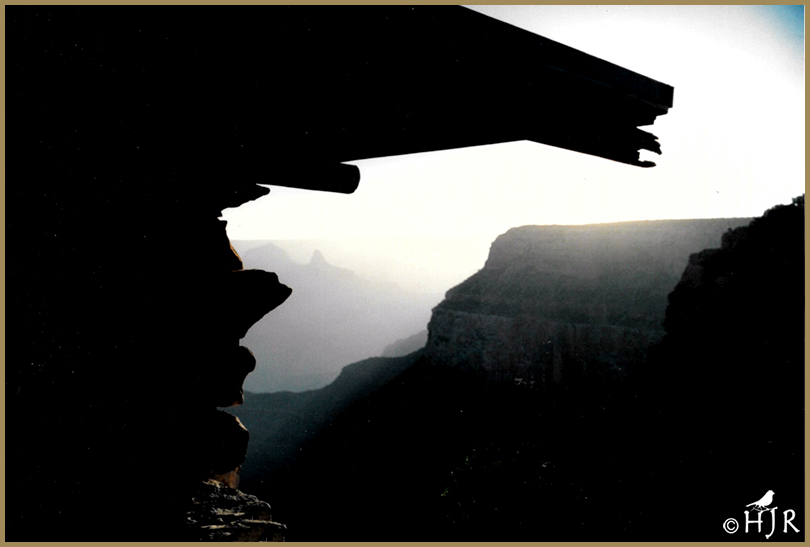
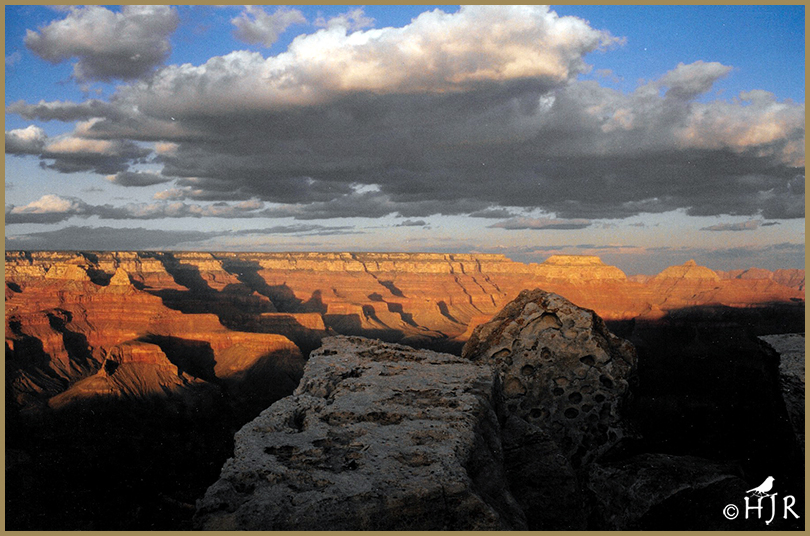
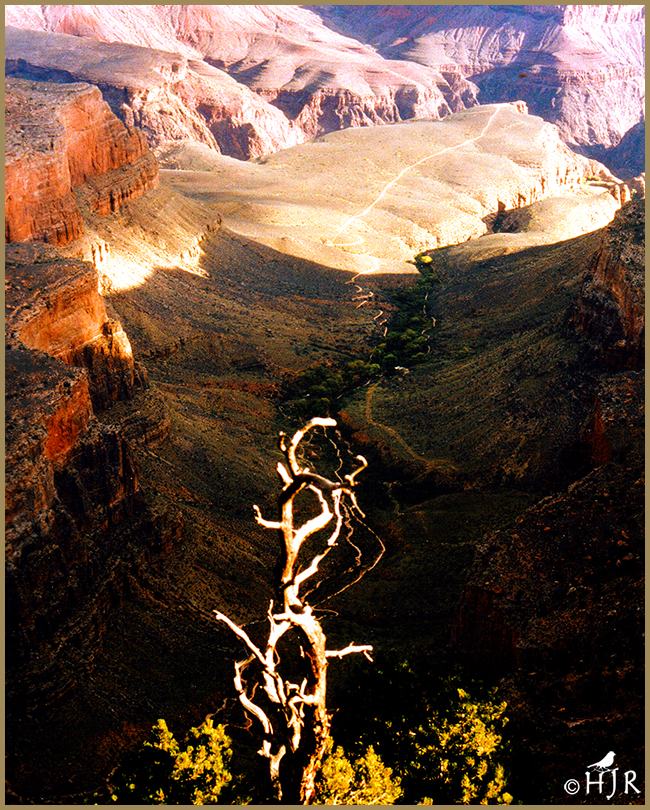
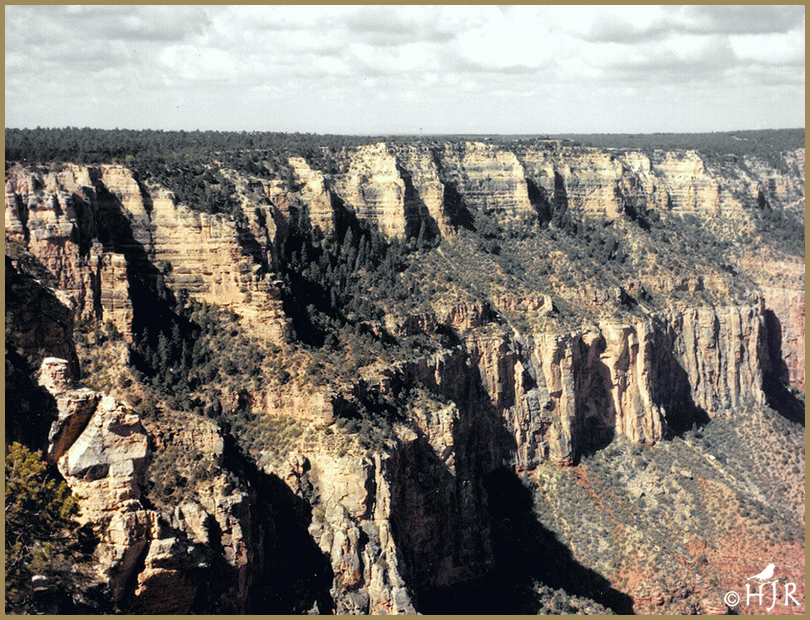

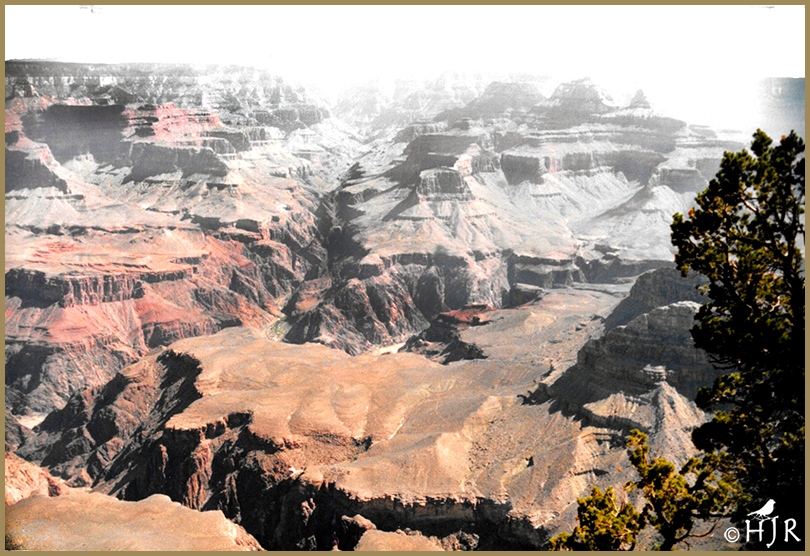
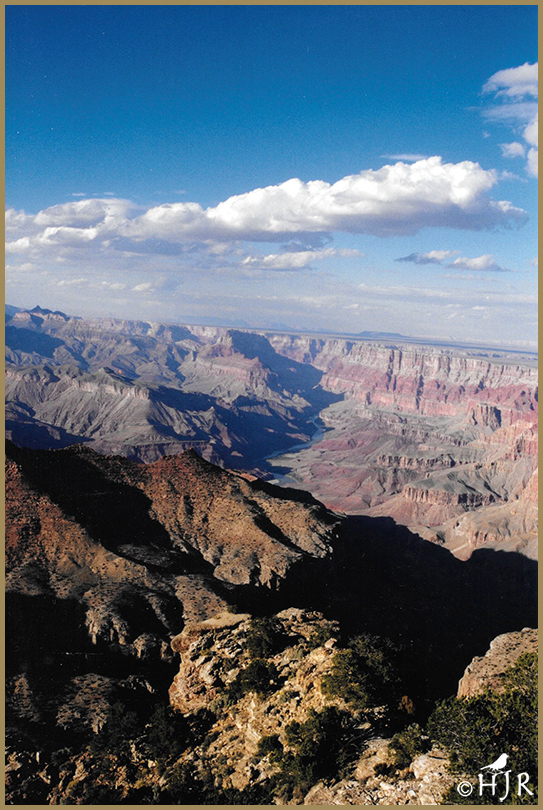

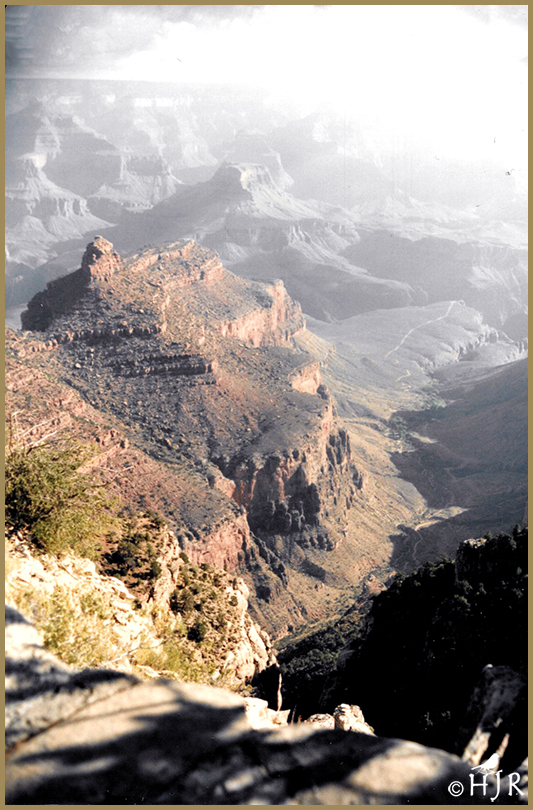


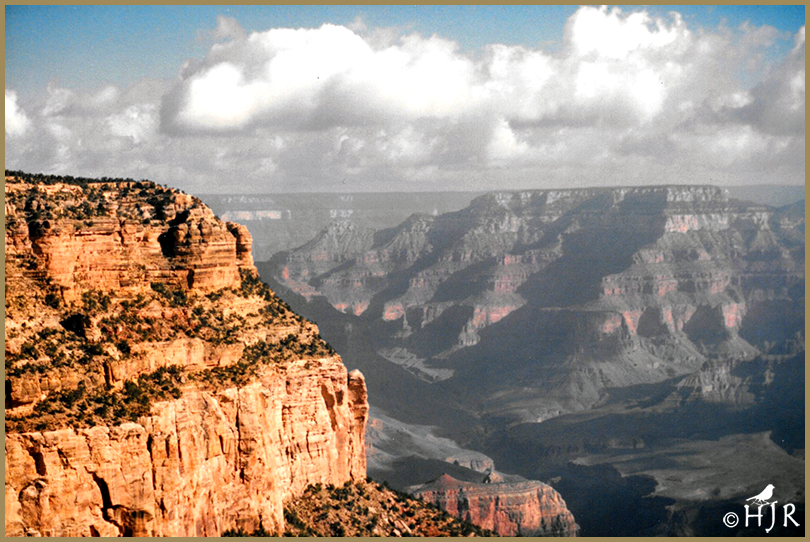
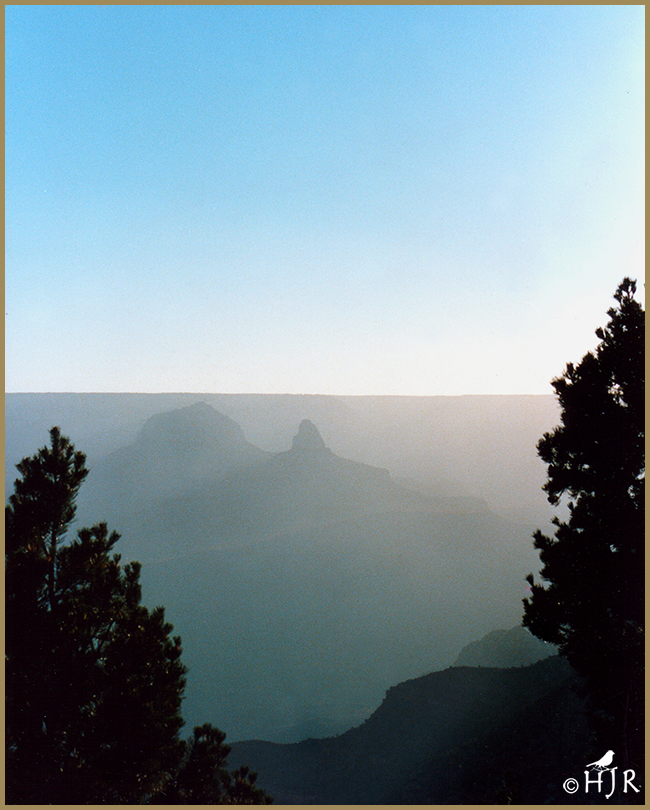
© HJ Ruiz – Avian101 – Wikipedia Info.
Share this:

Red Art Gallery – Northern Cardinal # 48
Red Art Gallery
Photo Gallery
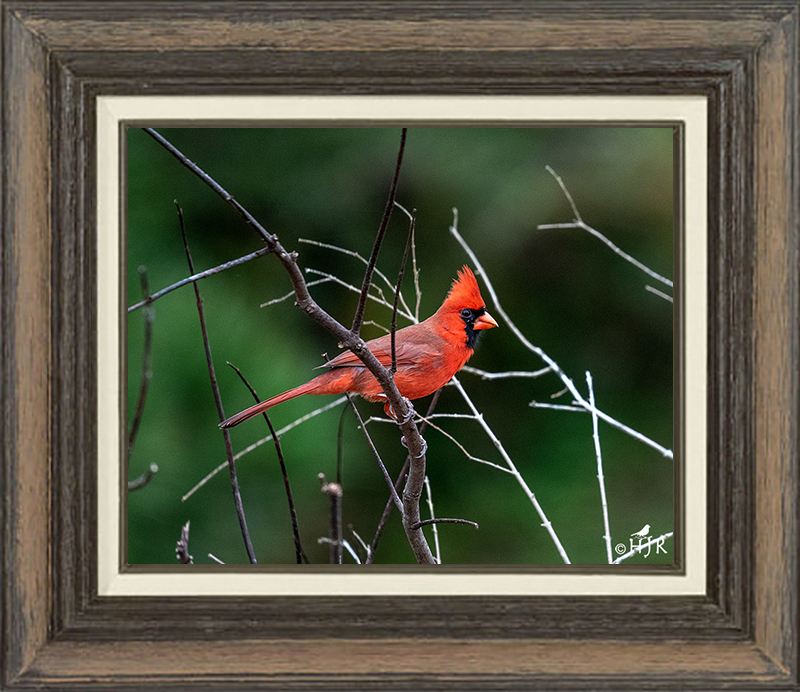
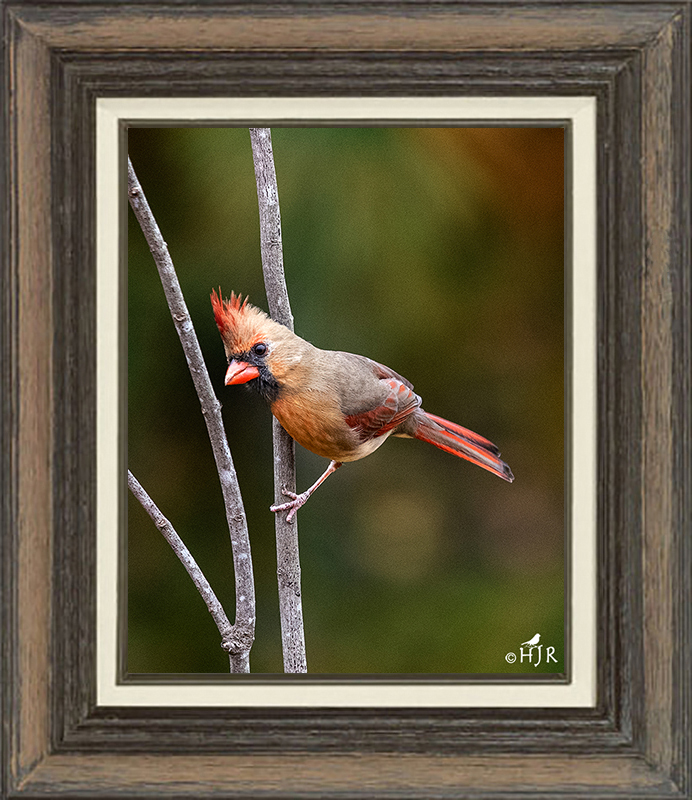
© HJ Ruiz – Avian101
Share this:

Birds of the Week # 22
Muscovy Duck
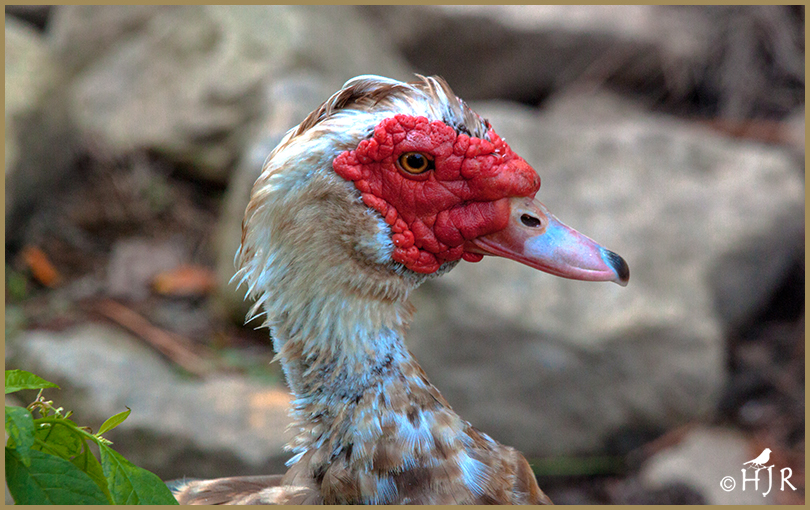
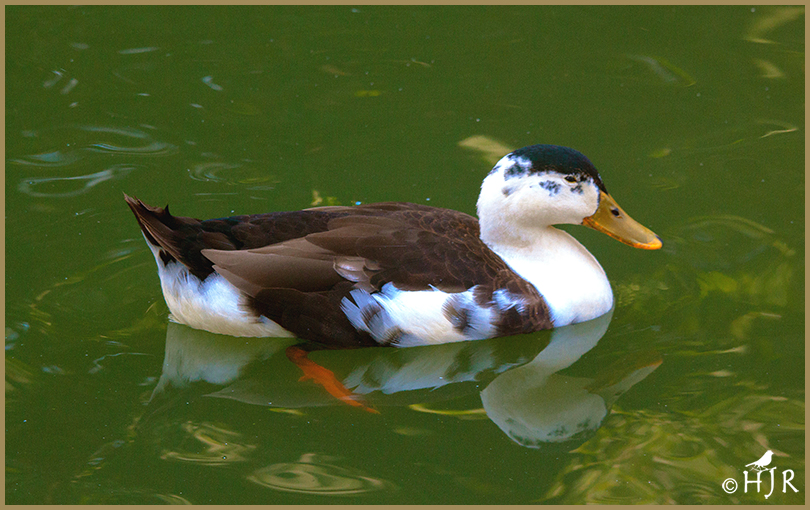
The Muscovy Duck (Cairina moschata) is a large duck native to the Americas. Small wild and feral breeding populations have established themselves in the United States, particularly in Florida, Louisiana, Massachusetts, the Big Island of Hawaii, as well as in many other parts of North America, including southern Canada. Feral Muscovy ducks are found in New Zealand, Australia, and in parts of Europe.
Eastern Bluebird
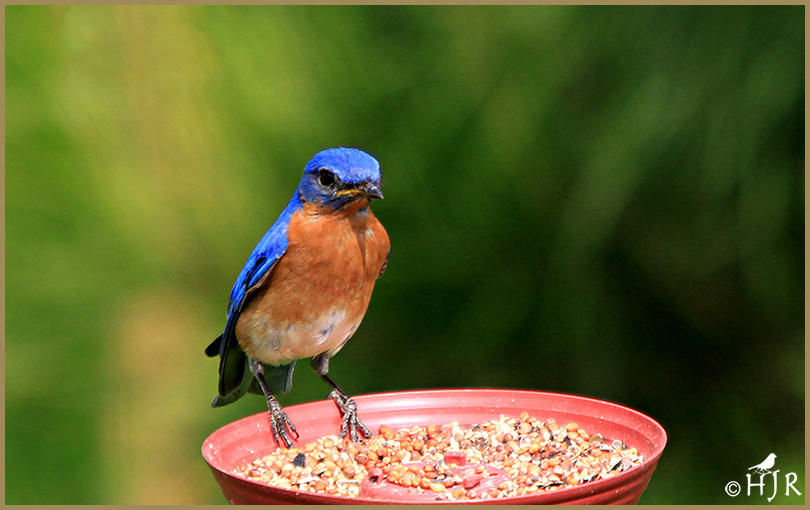
The Eastern Bluebird (Sialia sialis) is a small North American migratory thrush found in open woodlands, farmlands, and orchards. Eastern bluebirds are social, and will sometimes gather in flocks of over a hundred. However, they are territorial during the breeding season and may continue to defend a feeding area throughout the winter.
Blue Grosbeak
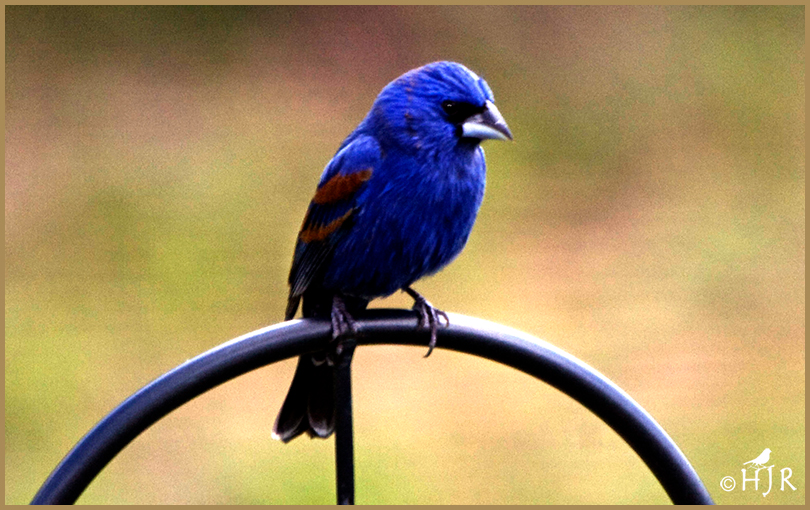
The Blue Grosbeak (Passerina caerulea), is a medium-sized North American passerine bird in the cardinal family Cardinalidae. It is mainly migratory, wintering in Central America and breeding in northern Mexico and the southern United States. This is a migratory bird, with nesting grounds across most of the southern half of the United States and much of northern Mexico, migrating south to Central America and in very small numbers to northern South America; the southernmost record comes from eastern Ecuador.
Song Sparrow
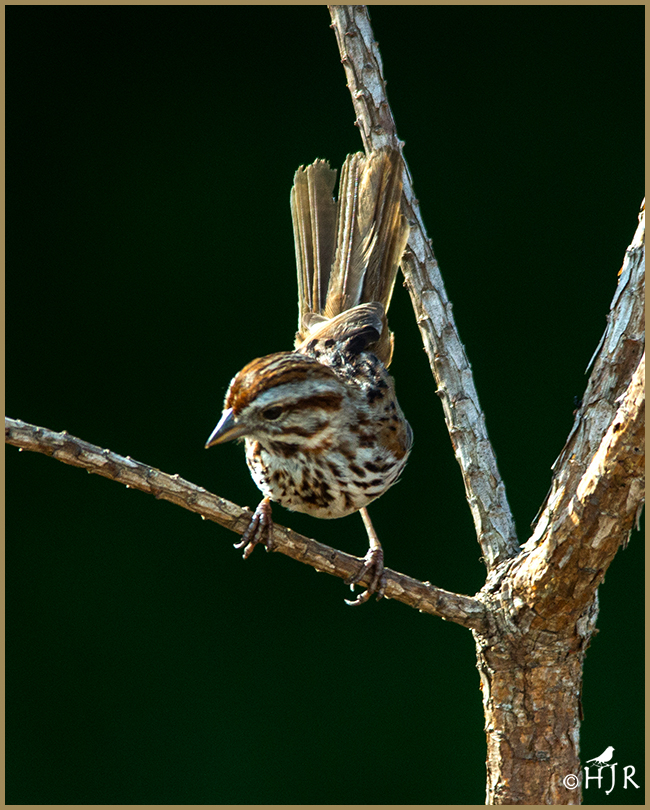
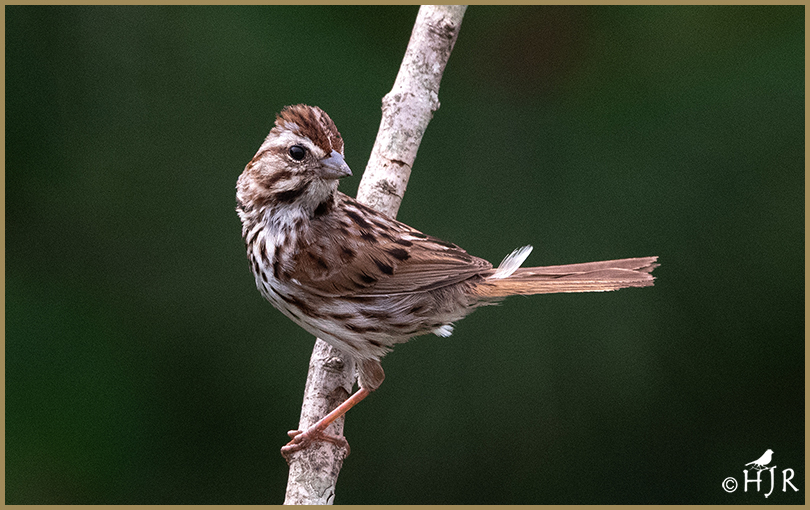
The Song Sparrow (Melospiza melodia) is a medium-sized New World sparrow. Among the native sparrows in North America, it is easily one of the most abundant, variable and adaptable species. Adult song sparrows have brown upperparts with dark streaks on the back and are white underneath with dark streaking and a dark brown spot in the middle of the breast. They have a brown cap and a long brown rounded tail. Their face is gray with a brown streak through each eye.
Savannah Sparrow
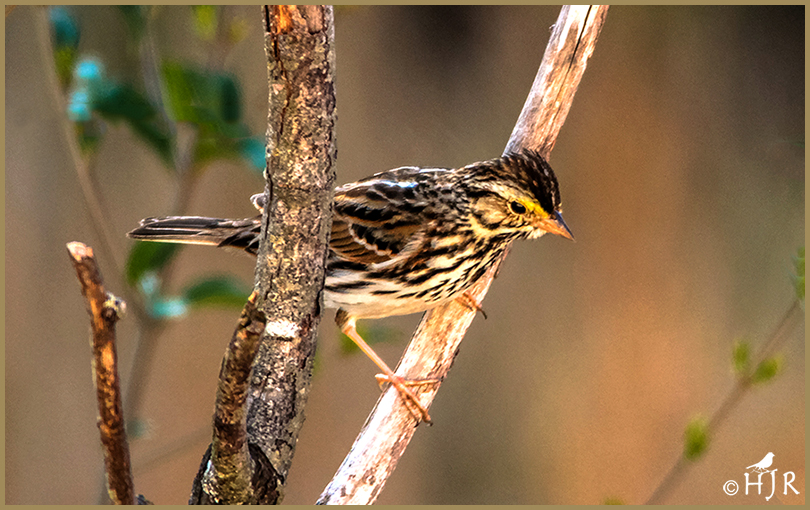
The Savannah Sparrow (Passerculus sandwichensis) is a small New World sparrow. It was the only member of the genus Passerculus and is typically the only widely accepted member. This passerine bird breeds in Alaska, Canada, northern, central and Pacific coastal United States, Mexico and Guatemala. The Pacific and Mexican breeders are resident, but other populations are migratory, wintering from the southern United States across Central America and the Caribbean to northern South America.
Mourning Dove
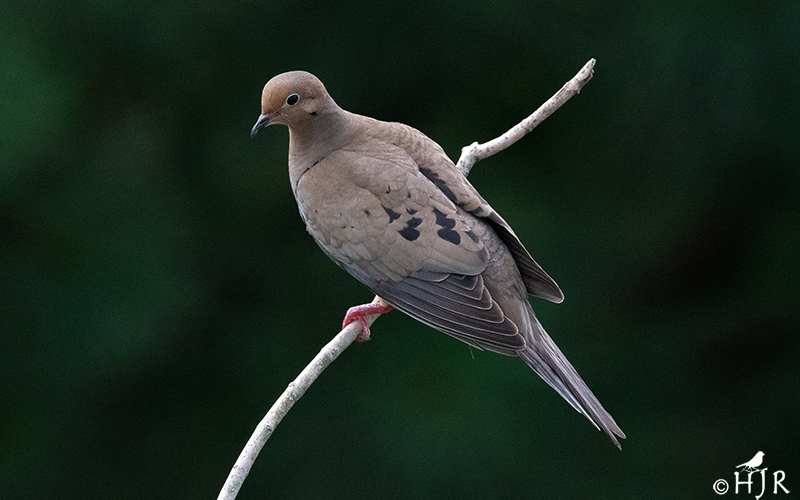
The Mourning Dove (Zenaida macroura) is a member of the dove family, Columbidae. Most mourning doves migrate along flyways over land. On rare occasions, mourning doves have been seen flying over the Gulf of Mexico, but this appears to be exceptional. Mourning doves (Z. m. carolinensis) are native to the North Atlantic archipelago of Bermuda, approximately 1,044 km (649 mi) east-southeast of Cape Hatteras, North Carolina (the nearest landfall); 1,236 km (768 mi) south of Cape Sable Island, Nova Scotia; and 1,538 km (956 mi) due north of the British Virgin Islands, from which they had been migratory, but since the 1950s have become year-round residents.
Tufted Titmouse
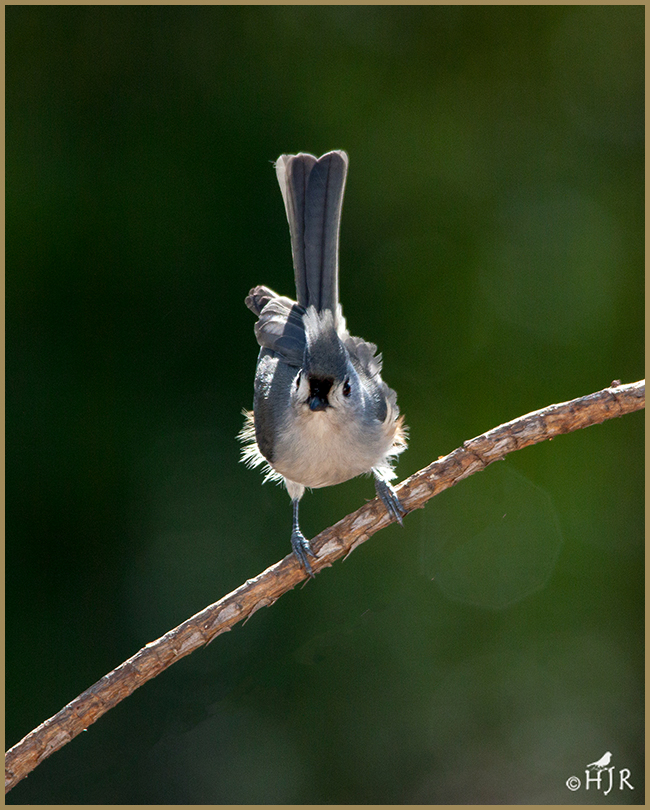
The Tufted Titmouse (Baeolophus bicolor) is a small songbird from North America. Tufted titmice nest in a hole in a tree, either a natural cavity, a human-made nest box, or sometimes an old woodpecker nest. They line the nest with soft materials, sometimes plucking hair from a live animal such as a dog. If they find snake skin sheddings, they may incorporate pieces into their nest. Eggs measure under 1 inch (2.5 centimetres) long and are white or cream-colored with brownish or purplish spots.
© HJ Ruiz – Avian101
Share this:

Special Places # 38
Panoramic Photos
Photo Gallery



1 – Top Left – First Row: “Path into the woods” during Autumn in Paulding County, Georgia.
2 – Top Right – First Row: Vogel Lake up during sunrise in the mountains of Georgia.
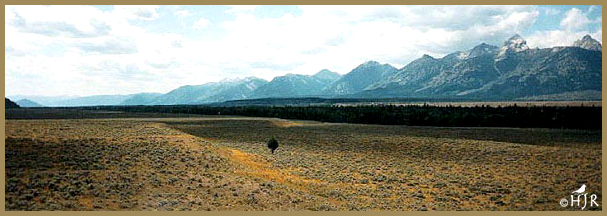
3 – Second Row: View of the Grand Tetons Mountain Range, one of my favorite places in the world. Wyoming.
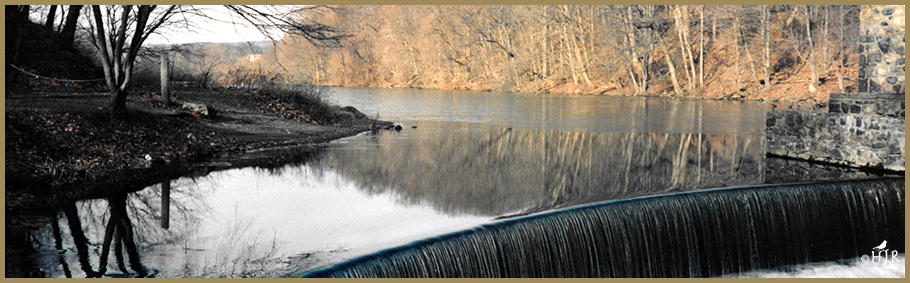
4 – Third Row: Man-made old dam for a Mill in Morris County, New Jersey.
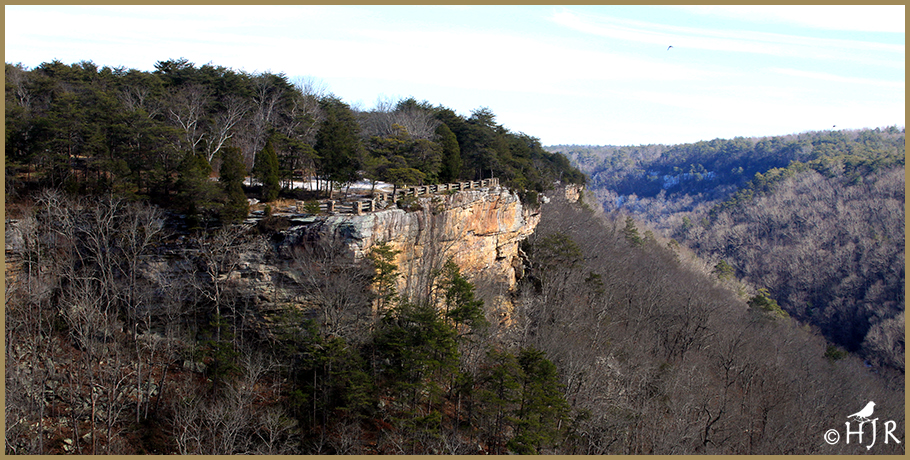
5 – Bottom Left: View across the river bend at Little River canyon in Alabama.
6 – Bottom Right: Serene view of salt marsh in Provincetown, Massachusetts.
© HJ Ruiz – Avian101
Share this:

Read Past Reviews

Book # 69
Quote from the Author
“A good chuckle is healthy, it helps you break the monotony of a serious life.” ~ H.J. Ruiz
 H.J. Ruiz - Avian101
You must be logged in to post a comment.