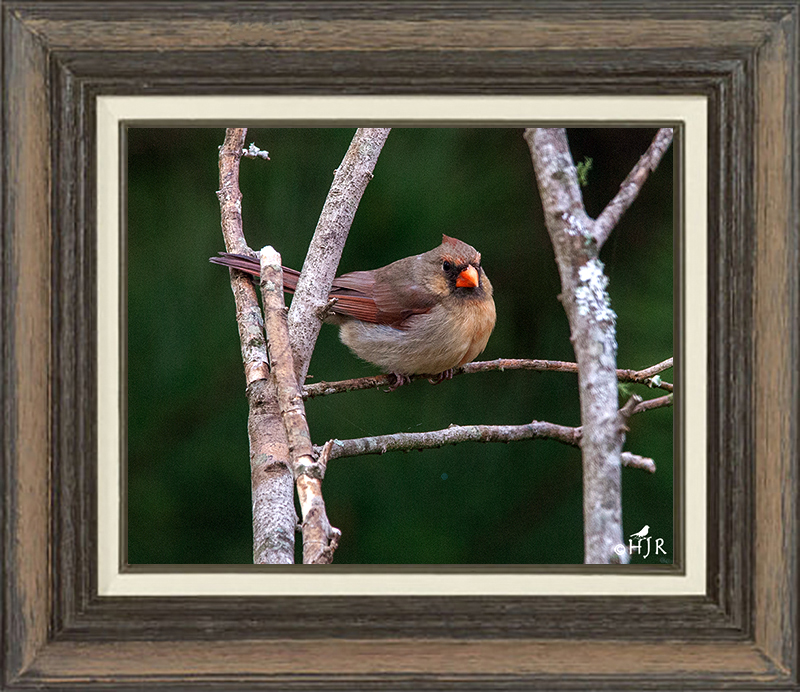
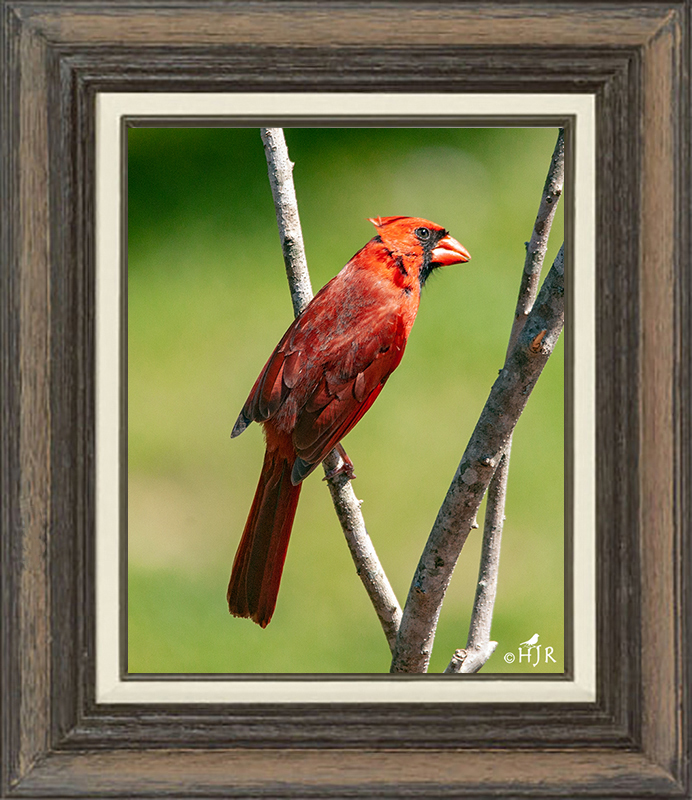
Red Art Gallery – Northern Cardinal # 57
Red Art Gallery
Photo Gallery
© HJ Ruiz – Avian101
Share this:

Birds of the Week # 30
Carolina Chickadee
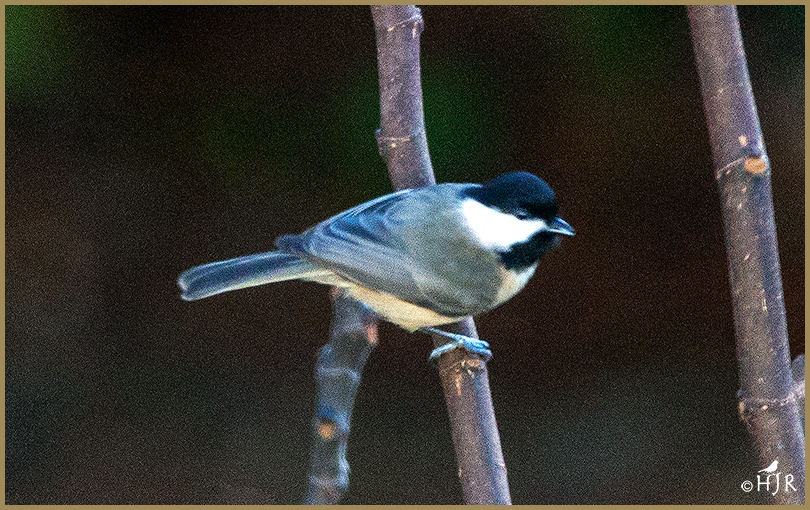


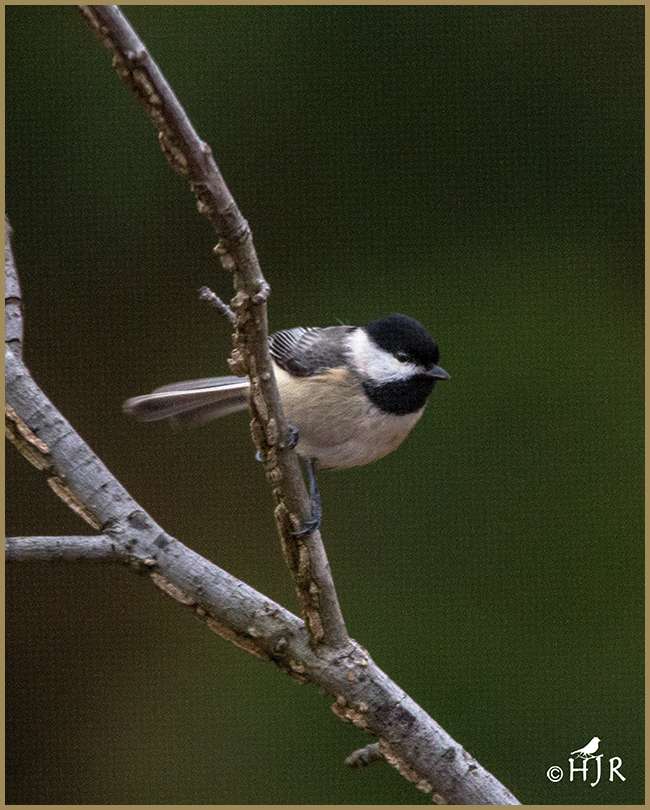
The Carolina Chickadee (Poecile carolinensis) is a small passerine bird in the tit family Paridae. They nest in a hole in a tree; the pair excavates the nest, using a natural cavity or sometimes an old woodpecker nest. They may interbreed with black-capped chickadees where the ranges overlap, which can make identification difficult. The female will build the nest out of moss and strips of bark; she will then line it with hair or plant fibers. Clutches are usually made up of 3–10 eggs with an incubation period of 12–16 days. The nestling period is usually 16–19 days. Carolina chickadees are able to lower their body temperatures to induce an intentional state of hypothermia called torpor. They do this to conserve energy during extremely cold winters. In extremely cold weather conditions they look for cavities where they can hide in and spend up to fifteen hours at a time in torpor; during this time they are awake but unresponsive; they should not be picked up and handled at this time, as the stress of being held may cause their death.
Brown Thrasher
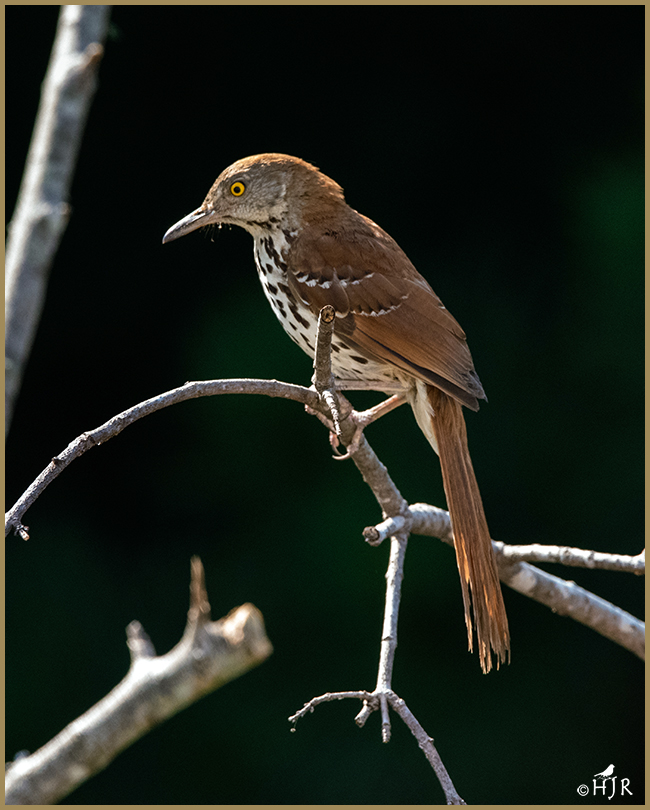
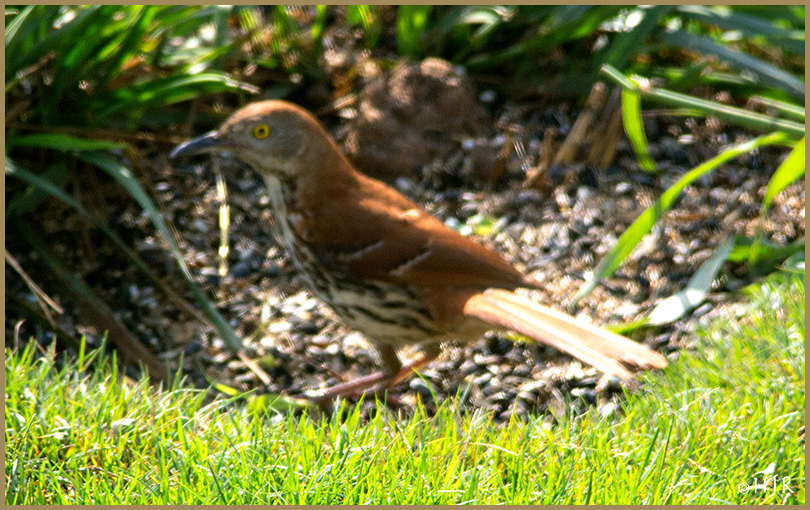


The Brown Thrasher (Toxostoma rufum) is a bird in the family Mimidae, which also includes the New World catbirds and mockingbirds. The similar-looking long-billed thrasher has a significantly smaller range It has a gray head and neck, and has a longer bill than the brown thrasher. The brown thrasher’s appearance is also strikingly similar to the wood thrush, the bird that it is usually mistaken for. However, the wood thrush has dark spots on its under parts rather than the brown thrashers’ streaks, has dark eyes, shorter tail, a shorter, straighter bill (with the head generally more typical of a thrush) and is a smaller bird. The brown thrasher resides in various habitats. It prefers to live in woodland edges, thickets and dense brush, often searching for food in dry leaves on the ground. It can also inhabit areas that are agricultural and near suburban areas, but is less likely to live near housing than other bird species. The brown thrasher often vies for habitat and potential nesting grounds with other birds, which is usually initiated by the males.
© HJ Ruiz – Avian101
Share this:

Special Places # 46
Falls and Cascades
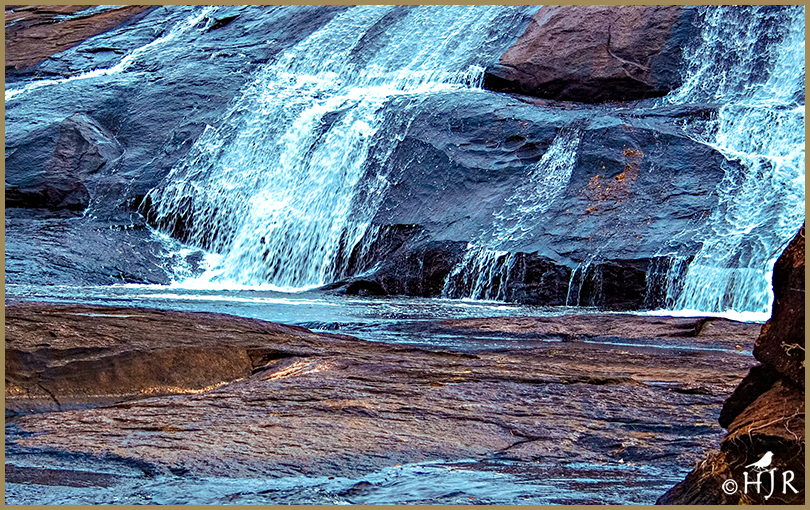
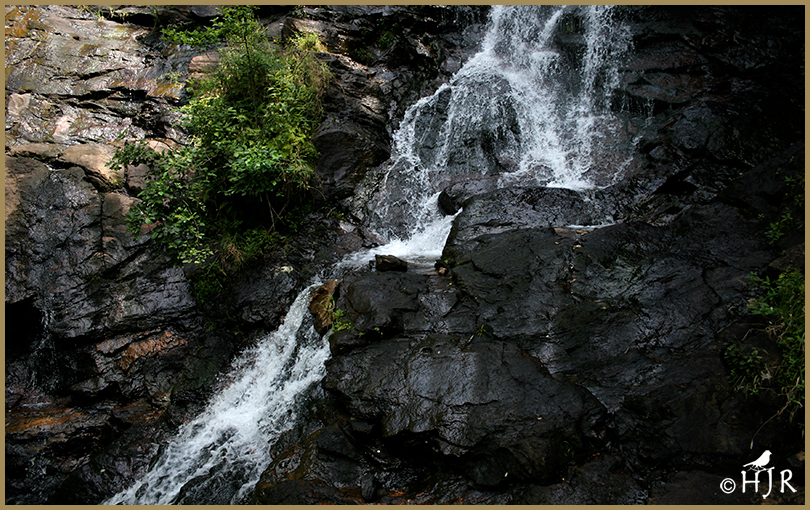
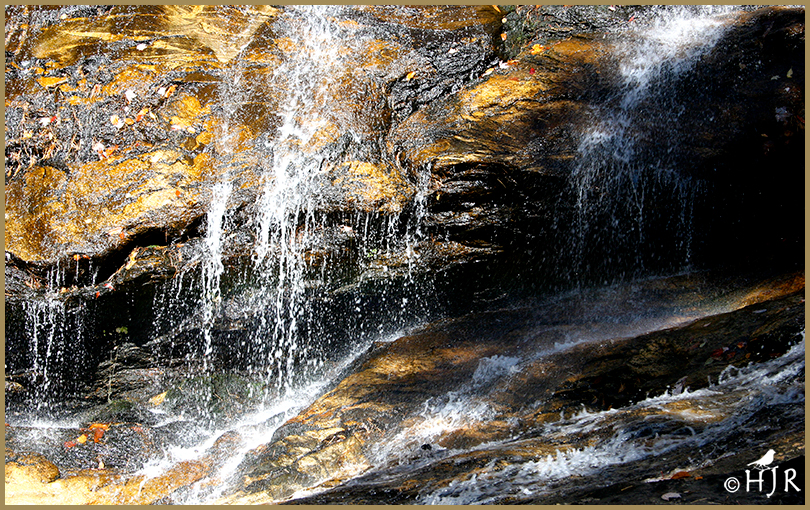
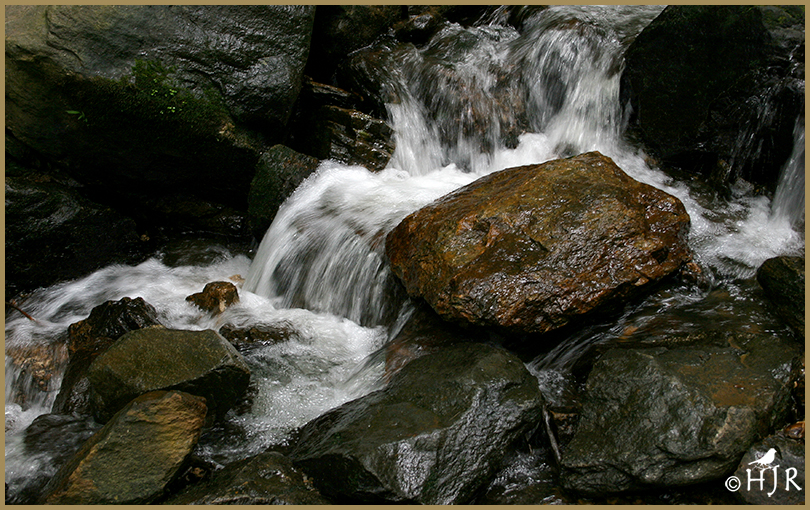
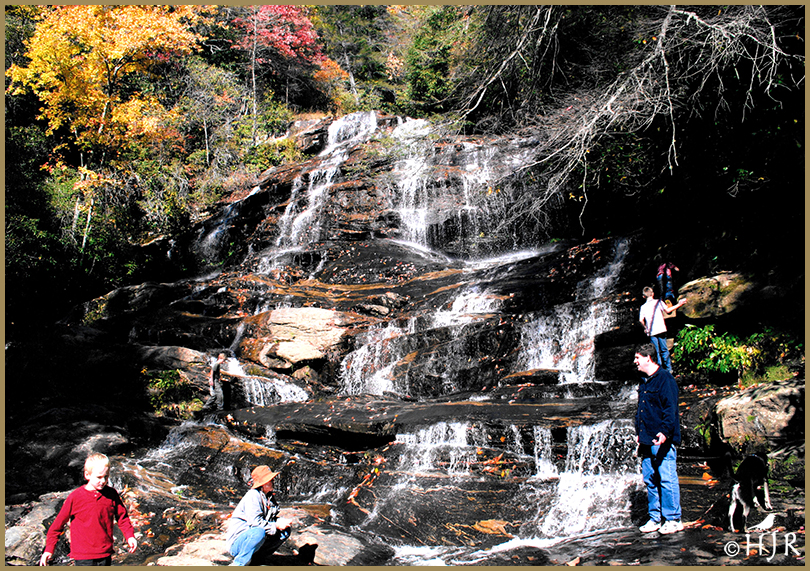
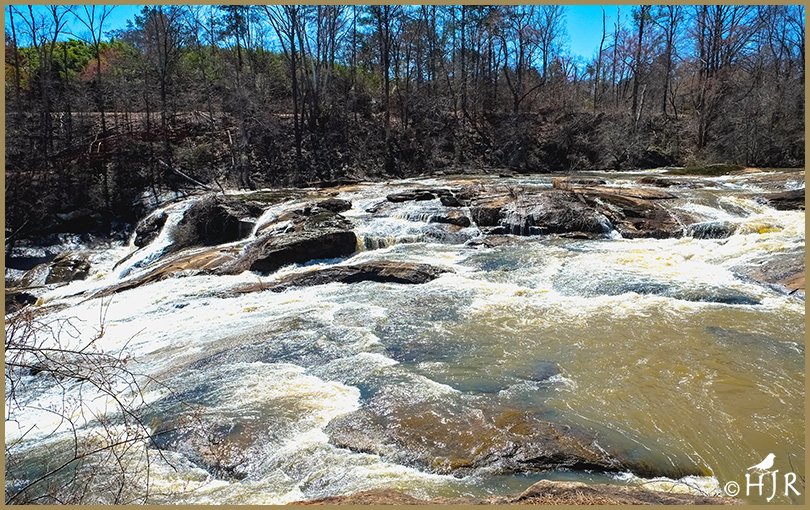
Water in motion, a fascinating sight. All photos were shot in different locations in the Georgia State where I live with my family. I hope that you like this gallery.
© HJ Ruiz – Avian101
Share this:

Red Art Gallery – Northern Cardinal # 56
Red Art Gallery
Photo Gallery


© HJ Ruiz – Avian101
Share this:

Read Past Reviews

Book # 69
Quote from the Author
“A good chuckle is healthy, it helps you break the monotony of a serious life.” ~ H.J. Ruiz
 H.J. Ruiz - Avian101
You must be logged in to post a comment.