
Special Places # 53
Photo Art by H.J. Ruiz
Photo Gallery
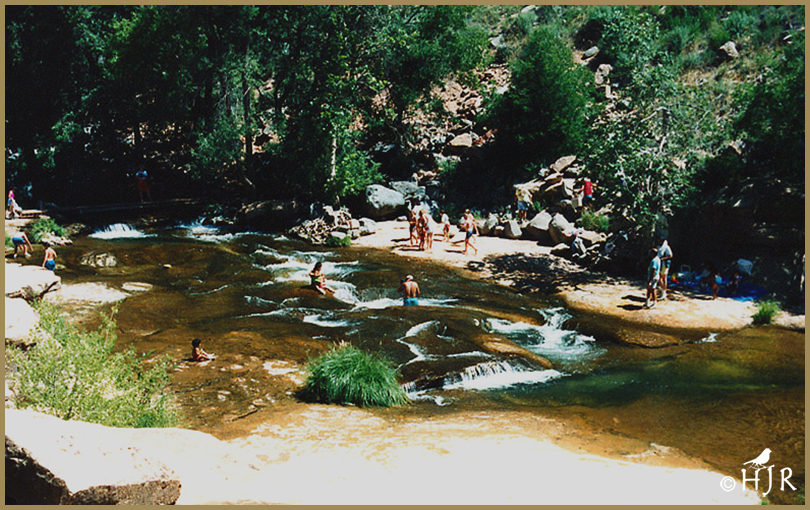
1 – Top Left – First tier: Slide Rock State Park is an Arizona State Park located in Oak Creek Canyon 7 miles north of Sedona, Arizona, United States. It takes its name from a natural water slide formed by the slippery bed of Oak Creek.
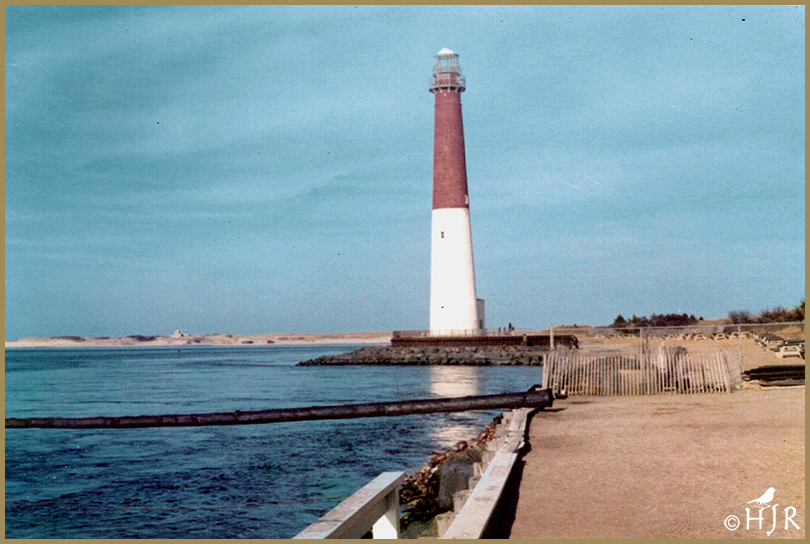
2 – Top Left – Second tier: Long Beach Island, Barnegat Inlet and Island Beach State Park. Trails through one of the state’s last maritime forests, birding site for water fowl, fishing, scheduled nature walks and talks. Site of Barnegat Lighthouse on the northern tip of Long Beach Island, regarded as one of the most crucial ‘change of course’ points for coastal vessels. Vessels bound to and from New York along the New Jersey coastline depended on Barnegat Lighthouse to avoid the shoals extending from the shoreline. The swift currents, shifting sandbars and the offshore shoals challenged the skills of even the most experienced sailor. The park is included as a maritime site on the New Jersey Coastal Heritage Trail
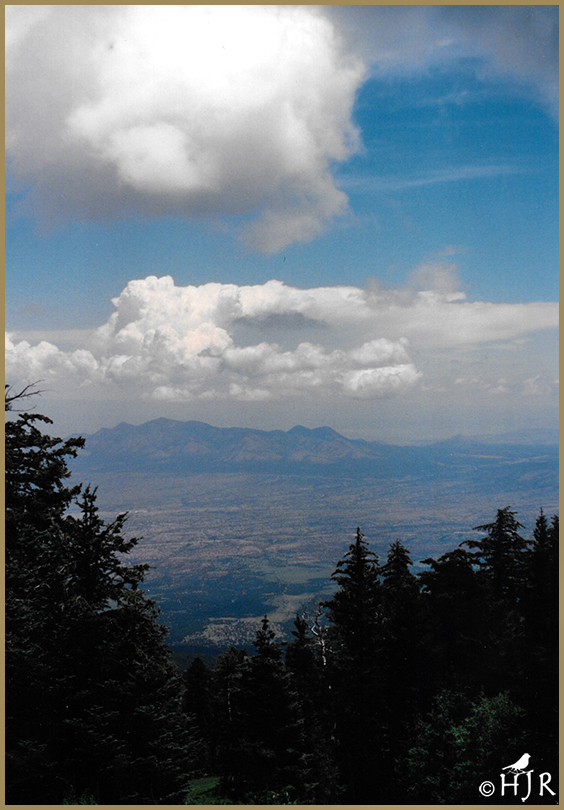
3 – Top Right: View of the city of Albuquerque, New Mexico from top of the Sandia Peak, you can get to there via the Sandia Peak Sky Tram. During winter you can ski on the other side of the peak.
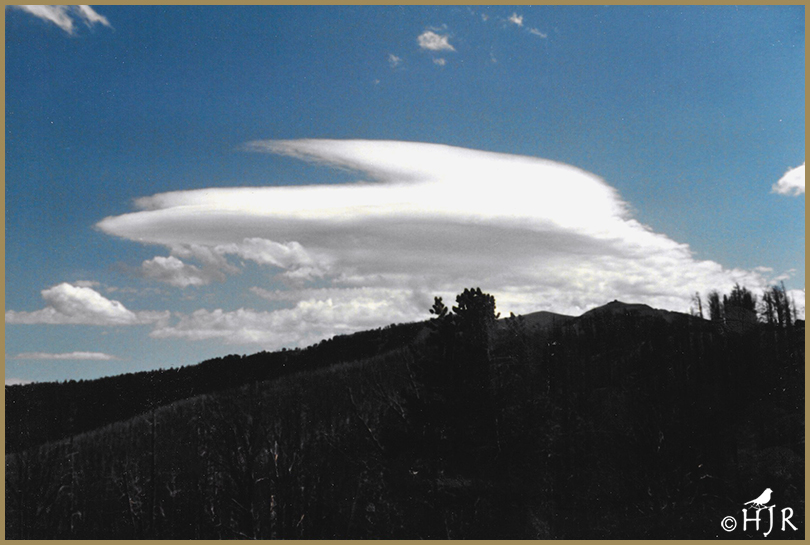
4 – Bottom Left: Lenticular cloud dove the mountains in Wyoming. These are more common in the West of USA.
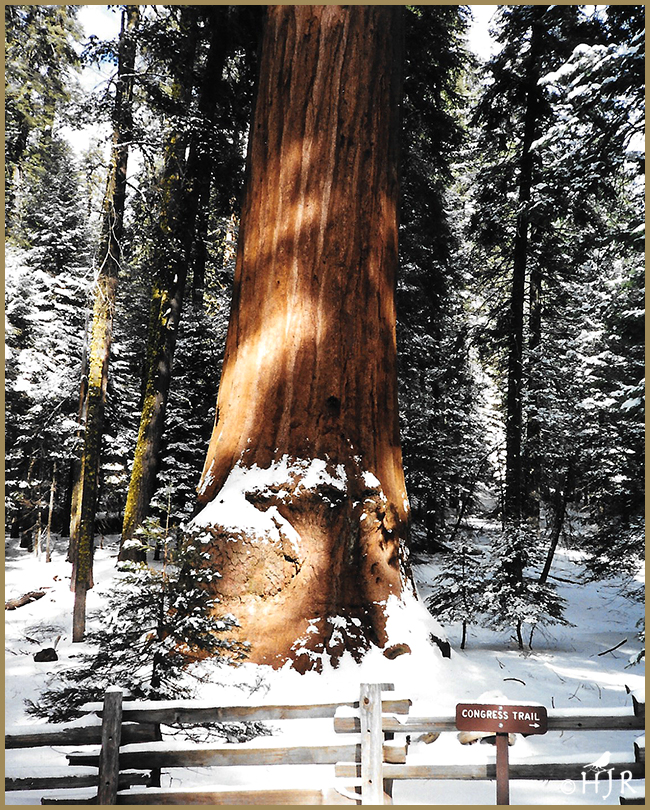
5 – Bottom Right: Scene shot in winter at Sequoia National Park in California. The park is notable for its giant sequoia trees, including the General Sherman tree, the largest tree on Earth by volume. The General Sherman tree grows in the Giant Forest, which contains five of the ten largest trees in the world. The Giant Forest is connected by the Generals Highway to Kings Canyon National Park’s General Grant Grove, home of the General Grant tree among other giant sequoias. The park’s giant sequoia forests are part of 202,430 acres (316 sq mi; 81,921 ha; 819 km2) of old-growth forests shared by Sequoia and Kings Canyon National Parks.
© HJ Ruiz – Avian101 – Wikipedia
Share this:

Red Art Gallery – Northern Cardinal # 63
Red Art Gallery
Photo Gallery

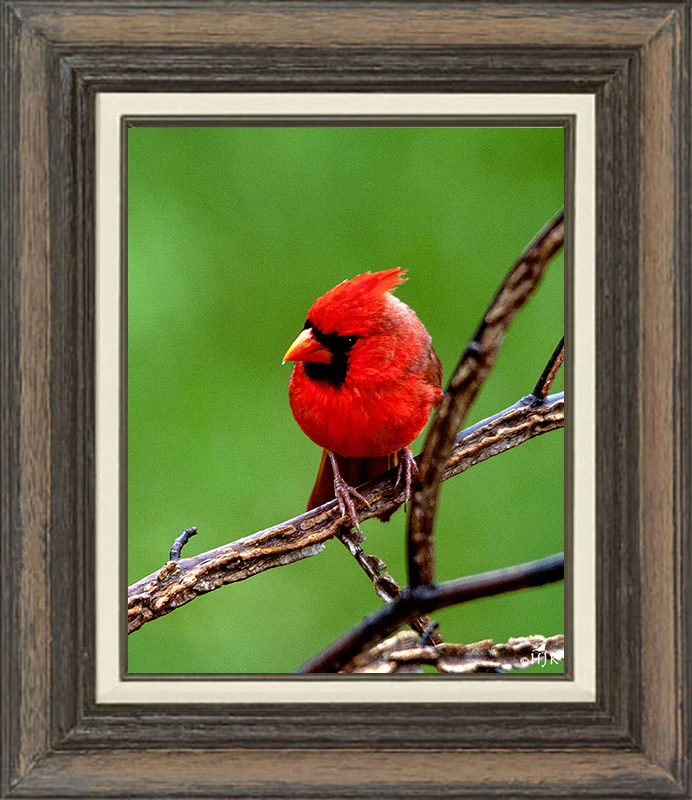
© HJ Ruiz – Avian101
Share this:

Birds of the Week # 36
Pine Warbler


The Pine Warbler (Setophaga pinus) is a small songbird of the New World warbler family. Their breeding habitats are open pine woods in eastern North America. These birds are permanent residents in southern Florida. Some of them, however, migrate to northeastern Mexico and islands in Bermuda and the Caribbean. The first record for South America was a vagrant wintering female seen at Vista Nieve, Colombia, on 20 November 2002; this bird was foraging as part of a mixed-species feeding flock that also included wintering Blackburnian and Tennessee warblers. They forage slowly on tree trunks and branches by poking their bill into pine cones. These birds also find food by searching for it on the ground. These birds mainly eat insects, seeds and berries. Their nests are deep, open cups, which are placed near the end of a tree branch. Pine warblers prefer to nest in pine trees, hence their names. Three to five blotched white eggs are laid.
Downy Woodpecker


The Downy Woodpecker (Dryobates pubescens) is a species of woodpecker, the smallest in North America. Downy woodpeckers are native to forested areas, mainly deciduous, of North America. Their range consists of most of the United States and Canada, except for the deserts of the southwest and the tundra of the north. Mostly permanent residents, northern birds may migrate further south; birds in mountainous areas may move to lower elevations. Downy woodpeckers nest in a tree cavity excavated by the nesting pair in a dead tree or limb. In the winter, they roost in tree cavities. Downy woodpeckers forage on trees, picking the bark surface in summer and digging deeper in winter. They mainly eat insects, but they also feed on seeds and berries. They are a natural predator of the European corn borer, a moth that costs the US agriculture industry more than $1 billion annually in crop losses and population control. In winter, especially, downy woodpeckers can often be found in suburban backyards with mature trees where they feed on suet and shelled peanuts provided by mesh bird-feeders.
© HJ Ruiz – Avian101
Share this:

Special Places # 52
Chicago, USA
Photo Gallery

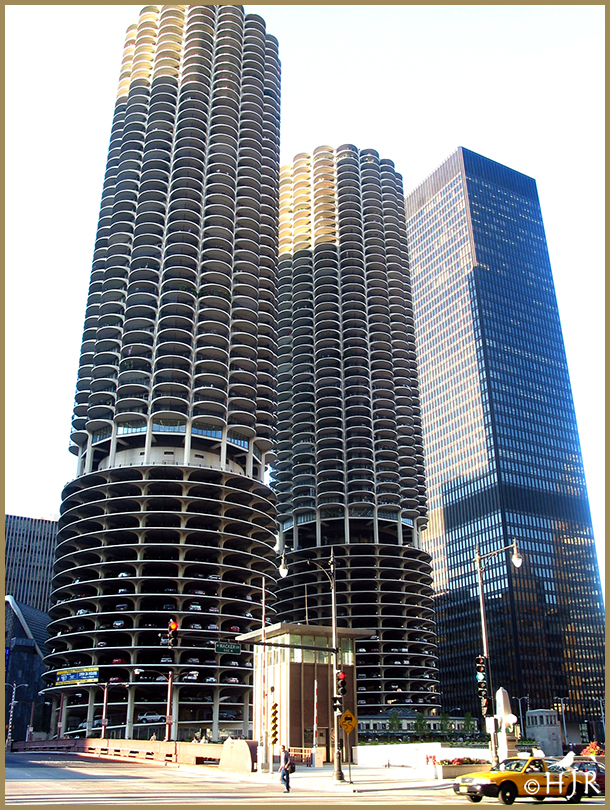

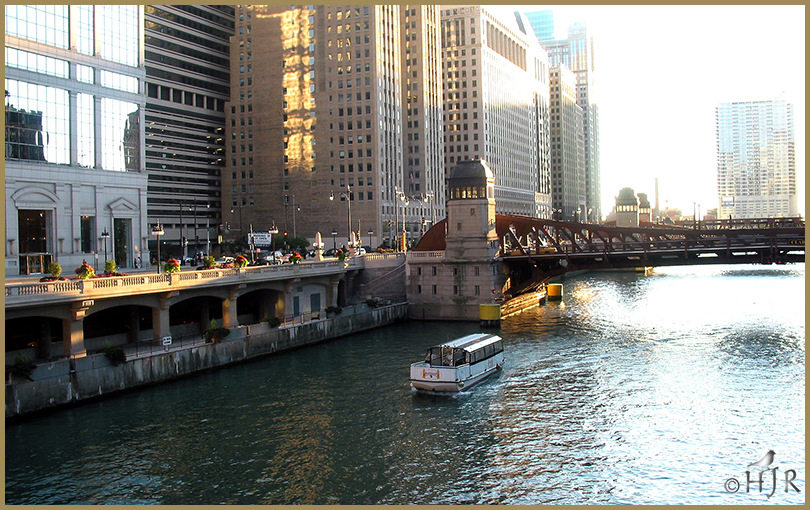
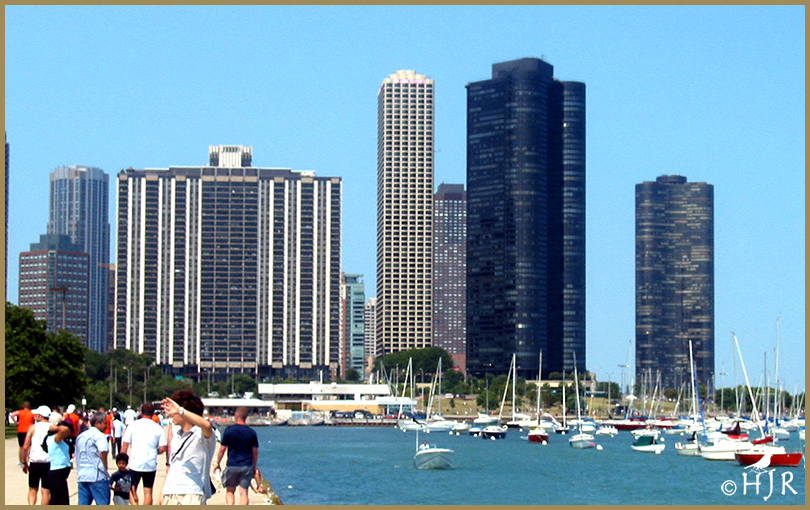
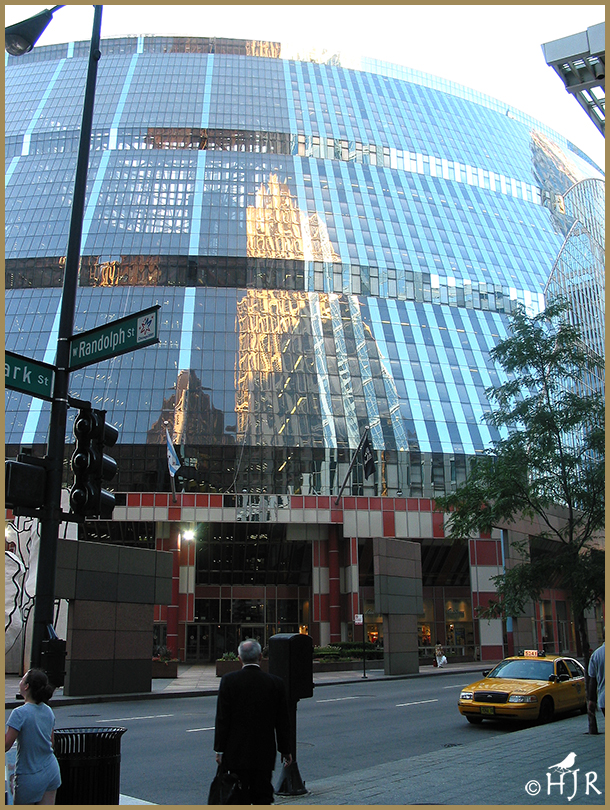
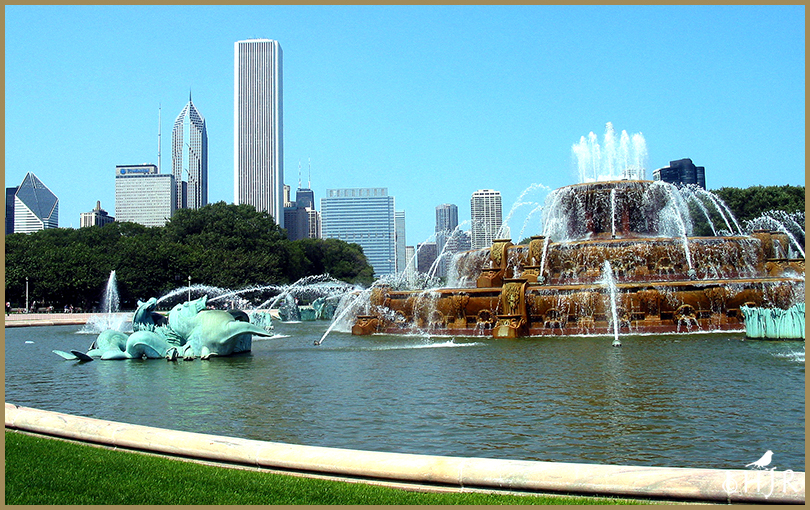
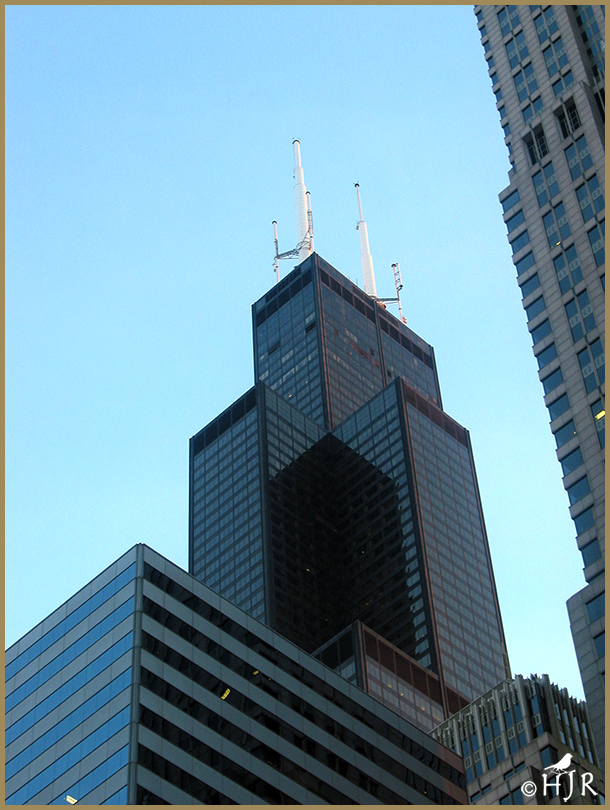
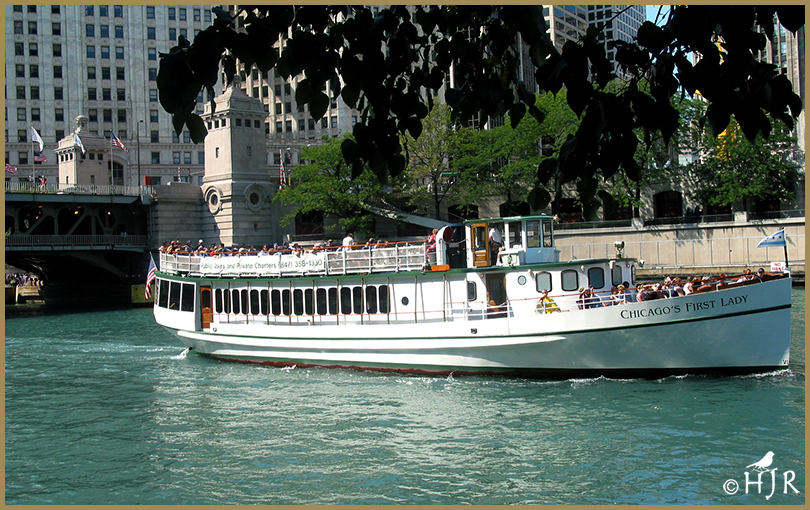

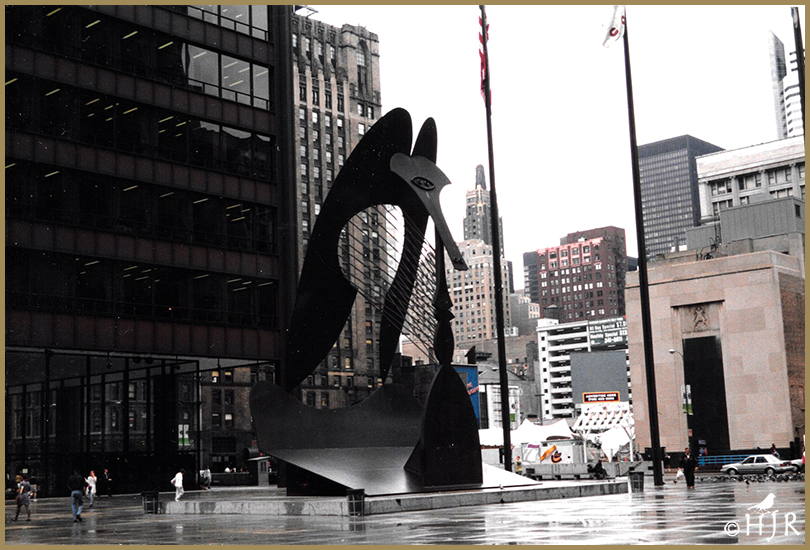
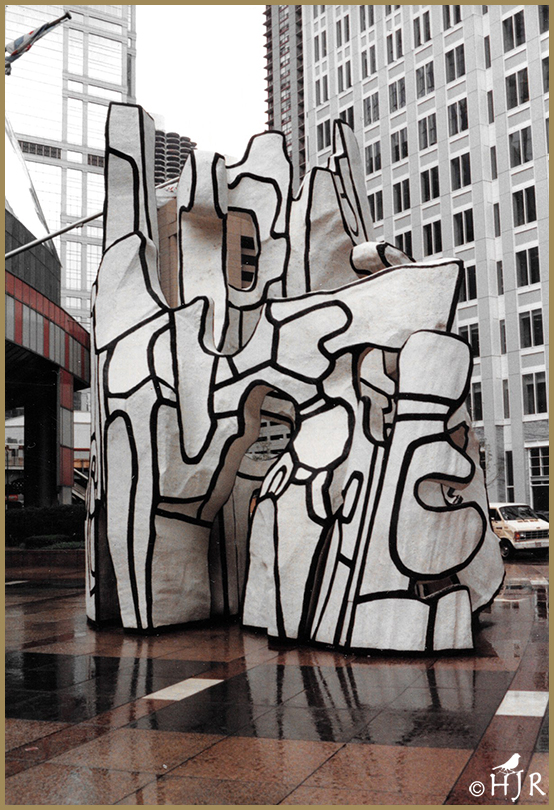

The City of Chicago, is the most populous city in the U.S. state of Illinois, and the third-most populous city in the United States, following New York City and Los Angeles. With a population of 2,746,388 in the 2020 census, it is also the most populous city in the Midwestern United States and the fifth-most populous city in North America. Chicago is the county seat of Cook County, the second-most populous county in the U.S., while a small portion of the city’s O’Hare Airport also extends into DuPage County. Chicago is the principal city of the Chicago metropolitan area, defined as either the U.S. Census Bureau’s metropolitan statistical area (9.6 million people) or the combined statistical area (almost 10 million residents), often called Chicagoland. It is one of the 40 largest urban areas in the world.
I consider this great city a very Special Place because I was sent to study to Illinois Institute of Technology by a company, to sharpen my skills on designing parts for jet plane engines. My father was an Architect and used to give me ideas of how to do some tasks because my artistic inclinations and understanding the needs for new things. I was always trying to advance my opportunities in life. I spent nice time in IIT, and learned a great deal” — H.J.
Located on the shores of freshwater Lake Michigan, Chicago was incorporated as a city in 1837 near a portage between the Great Lakes and the Mississippi River watershed and grew rapidly in the mid-19th century. After the Great Chicago Fire of 1871, which destroyed several square miles and left more than 100,000 homeless, the city rebuilt. The construction boom accelerated population growth throughout the following decades, and by 1900, less than 30 years after the great fire, Chicago was the fifth-largest city in the world. Chicago made noted contributions to urban planning and zoning standards, including new construction styles (including the Chicago School of architecture), the development of the City Beautiful Movement, and the steel-framed skyscraper. Since the 1850s, Chicago has been a world center of higher education and research with several universities. These institutions consistently rank among the top “National Universities” in the United States, as determined by U.S. News & World Report. Highly regarded universities in Chicago and the surrounding area are: the University of Chicago; Northwestern University; Illinois Institute of Technology; Loyola University Chicago; DePaul University; Columbia College Chicago and University of Illinois at Chicago. Other notable schools include: Chicago State University; the School of the Art Institute of Chicago; East–West University; National Louis University; North Park University; Northeastern Illinois University; Robert Morris University Illinois; Roosevelt University; Saint Xavier University; Rush University; and Shimer College.
© HJ Ruiz – Avian101 – Wikipedia
Share this:

Read Past Reviews

Book # 69
Quote from the Author
“A good chuckle is healthy, it helps you break the monotony of a serious life.” ~ H.J. Ruiz
 H.J. Ruiz - Avian101
You must be logged in to post a comment.