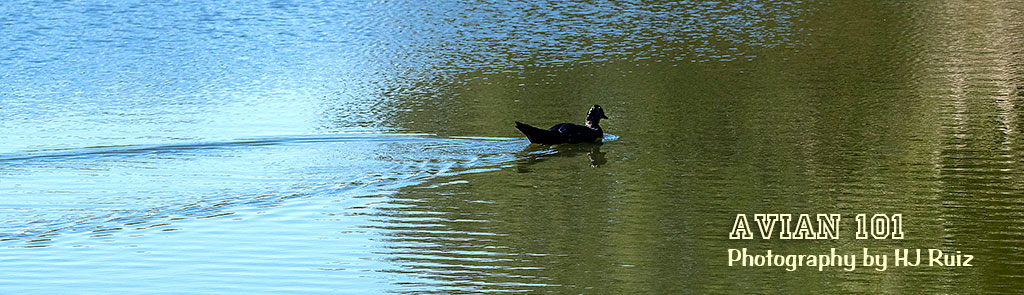
Panoramic View of Birds

— Fledgling House Finch — Click on image to see enlargement —
© HJ Ruiz – Avian101
Share this:

European Starling
This season I’ve been surprised by the continuous visit of the European Starling in my backyard. They’ve been here before but only in counted occasions. Now I can see them almost daily and not only foraging from the ground in grassy areas, pecking on grubs or other bugs but also getting seeds from the feeders… this I’ve never seen before.
E. Starling are well known in all the USA but I’d like to give you a bit of history about these birds in case that you are not familiar with them.
“The European Starling was introduced into North America when the “American Acclimatization Society” for European settlers released some 80-100 birds in Central Park (New York City) in 1890-91. The head of this particular organization, Eugene Scheiffelin, desired to introduce all birds ever mentioned in the works of William Shakespeare.
Note: Since its introduction into North America in 1891, European Starling populations have grown to over 200 million birds and they can now be found coast to coast and in Alaska.”
Their introduction to other Continents was initially a great help for the Agricultural Industry to help rid of a number of pests that was very unfavorable to fruit and vegetables crops. Unfortunately, their prolific reproduction amounted to large flocks that not only would eat the pests but also would eat the crops that farmers tried to save. The E. Starling was deemed as pest themselves.


Text and photographs © HJ Ruiz – Avian101
Share this:

Chick-a-Dee-Dee-Dee
Among the many bird species that commonly visit my backyard are the Carolina Chickadee. These little birds are at most times permanent residents that do not migrate South even in the harsh winter weather.
But, very smartly during winter months usually form flocks with other birds of the same species or similar species such as Titmice, Nuthatches and warblers. Being the birds of a mixed flock they are the species that become leaders more apt to find sources of food and their peculiar call will alert the others where to find it.
These birds are very energetic and active, they feed on insect, grains, some berries and their favorite seem to be the sunflower seeds.
They do not fly in straight line but in undulating manner and at great speed. They are excellent flyers and sometimes hover or climb upside down.
In my backyard you can see them at all times going back an forth with sunflower seeds in their bills going to their abodes and store them or as in many cases fly to some comfortable branch of a tree and hammer the seed open with their short but strong bill.
Next, I’m presenting you a short gallery of how the Carolina Chickadee very skillfully hammer the seed or grain in order to eat it. Then see upon finishing how the bird proceed to wipe his bill by rubbing it against a small twig.


Text and Photographs © HJ Ruiz – Avian101
Share this:

Poems and Pix
Wandering Bird
Not far away from where I stand there is an Oak tree. This tree is always ready with open arms to welcome the visit of a wandering bird.
Is this bird coming back to his original home?
Happy are the moments of reunion. Sweet encounter.
Filled with tender love, bursts of gratitude and natural sentiment.
The musical notes sang by the bird permeate the air with excitement and deep delight. Enchanted experience to dearly remember.
To meet a loved soul can be as sweet as honey made from the aromatic nectar of beautiful flowers.
Why can’t we enjoy the same dream of love and sentiment?
What force in the universe can impede a love so strong that will never cede or cease to exist?
Is there such love, is there such connection of two souls?
Will I ever emulate that bird?
Poem and photographs © HJ Ruiz – Avian101
 Carolina Chickadee
 Northern Mockingbird
 Northern Cardinal (M)
 Brown-headed Cowbird (F)
 Red-winged Blackbird (M)
 Brown-headed Cowbird (M)
Share this:


Read Past Reviews

Book # 69

Quote from the Author
“A good chuckle is healthy, it helps you break the monotony of a serious life.” ~ H.J. Ruiz


You must be logged in to post a comment.