Book Review: “The Passenger Pigeon”
“The Passenger Pigeon” by author Errol Fuller
(Pub. September 29th, 2014 – Princeton University Press)
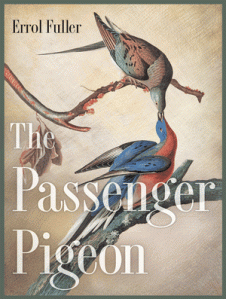
Click image for more information
“Reading about extinction of any species always made me shake my head in disbelieve when happened naturally. However, when I read this book by Errol Fuller about Passenger Pigeon, being once the most abundant bird in America that amounted to almost 4 billion individuals! Got to the point of no return, total extinction caused by human mass extermination. Mr. Fuller describes the pigeon’s origins and habits, their occurrence and general distribution in the North American territory and gives an ample history of these species through chronological eras. This book has plenty of photographs and illustrations throughout.
The most impact to me was reading the chapter: Extinction: The Causes. The beginning of the end for these birds was initiated by the invasion of Europeans and the colonization of North America. From there on Mr. Fuller describes step by step in detail the poignant systematic demise of the Passenger Pigeon. I’m honest to say that this chapter impressed me by the greed and escalation in brutality of people from that era in order to kill more and more pigeons.
At the end of that deplorable frenzy all was left were a handful of birds, which reduced the count later to sadly…one single Passenger Pigeon named Martha!”
Book review by H.J. Ruiz – Avian101 – September 2014
Share this:

Duck Sleuth
Many of you already know that birds molt their feather at least twice a year. In this case I’ll be referring to ducks.
Ducks go through their first molt of the year in early summer. Male ducks molt first. Females molt later, when their ducklings are older. They pick a safe place to stay, usually a large wetland or pond. Molting is a dangerous time for ducks as much as for other birds. They can’t fly while their new wing feathers are growing in. So, molting ducks spend most of their time hiding in tall grass or floating out in deeper waters. During the first part of the molt, their body feathers fall out and the new feathers grow in, and they’re dull brown blending well with the landscape. This is important, because the wing feathers are about to fall out. For the next three to four weeks, ducks will not be able to fly. They must stay out of sight as possible. The feathers grow fast and once it reaches completion will be ready for flying.
The following photo gallery shows different species at different stages of wing feathers molting. It also explains our question from some photographs I shot of duck with feathers sticking up last year. mystery solved!


© HJ Ruiz – Avian101
Share this:

Last Week’s Visitors
Here are pictures of some of my visitors, great part of them have not been present, I believe that they might have started migration to the South. I added three pictures of beautiful flowers because I visited a park and couldn’t help to get shots of them. I hope you like them. Dedicated to all my lady readers!


© HJ Ruiz – Avian101
Share this:

Show and Tail
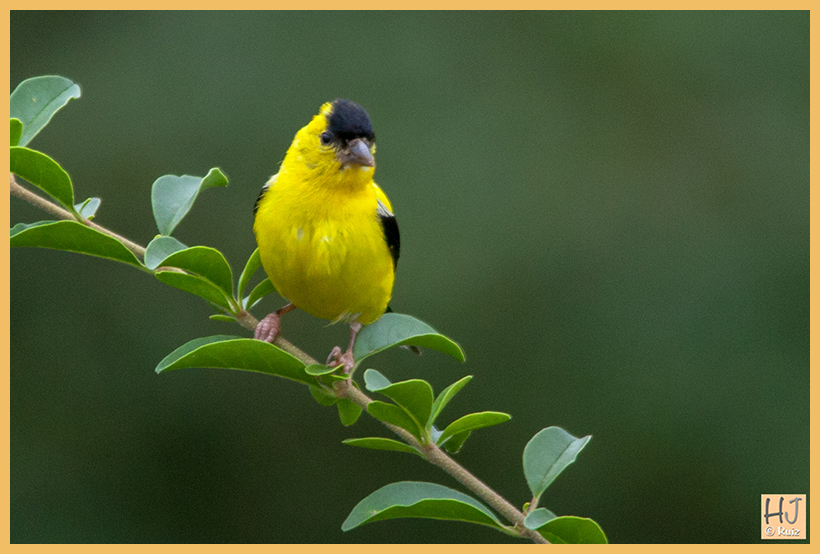
Male American Goldfinch

male and female House Finch
© HJ Ruiz – Avian101
Share this:


Read Past Reviews

Book # 69

Quote from the Author
“A good chuckle is healthy, it helps you break the monotony of a serious life.” ~ H.J. Ruiz


You must be logged in to post a comment.