Gone With the Wind
Last Saturday we awoke to a furiously windy morning, the temperature dropped to the low 30ºF and you could easily hear the loud humming and whistling of the strong wind. Just the days before we had reached the high 70ºs!
Believe me when I say that I didn’t see one bird that day! Since then I hardly see a few birds… and the feeder seeds are lasting longer time.
My guess is that many of these birds got spooked by the wind and sudden drop in temperature and realized that migration is not a bad idea at all they might be gone!
Today is 53º at noon while I write this post, this morning we had our first frost, I went outside to refill feeders and felt the frigid dry air in my nostrils. The weather forecast calls for the low 50ºs for the highest for all days of the week. I think it’s Winter time for us in Georgia!


Text and photographs © HJ Ruiz – Avian101
Share this:

My Local Friend – VI
Another species that I consider my local friend, the House Finch is a typical family bird, I say this because these birds are always in company of their peers. It’s easy to know which birds are the parents and the brood. They always are at close range of each other. I’ve seen these birds for 9 years in my backyard I’m assuming that this winter they’ll stay also. That would please me very much!
Next, more interesting information about these likable birds:
The House Finch (Haemorhous mexicanus) is a bird in the finch family Fringillidae, which is found in North America. This species and the other “American rosefinches” are placed in the genus Haemorhous by the American Ornithologists’ Union but have usually been included in Carpodacus.
This is a moderately-sized finch. Adult birds are 12.5 to 15 cm (4.9 to 5.9 in) and span 20 to 25 cm (7.9 to 9.8 in). Adults have a long, square-tipped brown tail and are a brown or dull-brown color across the back with some shading into deep gray on the wing feathers. Breast and belly feathers may be streaked; the flanks usually are. In most cases, adult males’ heads, necks and shoulders are reddish. This color sometimes extends to the belly and down the back, between the wings. Male coloration varies in intensity with the seasons and is derived from the berries and fruits in its diet. As a result, the colors range from pale straw-yellow through bright orange (both rare) to deep, intense red. Adult females have brown upperparts and streaked underparts.
Their song is a rapid, cheery warble or a variety of chirps.
These birds are mainly permanent residents throughout their range; some northern and eastern birds migrate south. Their breeding habitat is urban and suburban areas in eastern North America as well as various semi-open areas in the west from southern Canada to northern Florida and the Mexican state of Oaxaca; the population in central Chiapas may be descended from escaped cagebirds.
Originally only a resident of Mexico and the southwestern United States, they were introduced to eastern North America in the 1940s. The birds were sold illegally in New York City as “Hollywood Finches”, a marketing artifice. To avoid prosecution under the Migratory Bird Treaty Act of 1918, vendors and owners released the birds. They have become naturalized; in largely unforested land across the Eastern U.S., they have displaced the native purple finch and even the non-native house sparrow. In 1870, or before, they were introduced into Hawaii and are known abundant on all its islands.
There are estimated to be anywhere from 267 million to 1.7 billion individuals across North America.


Share this:

Show and Tail

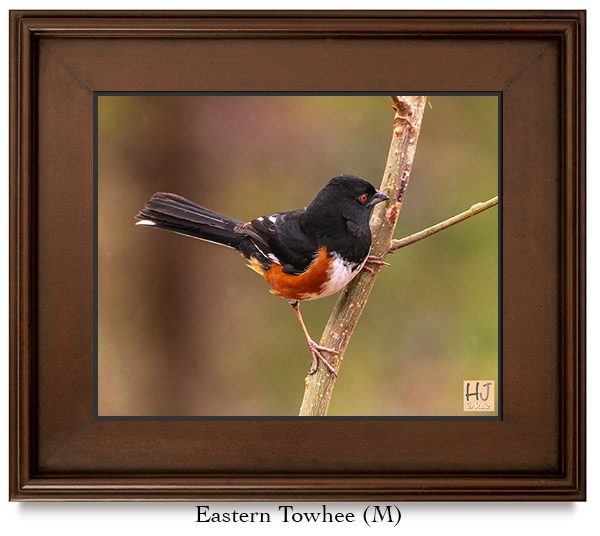
© HJ Ruiz – Avian101
Share this:

Geese – Short Story
1 –
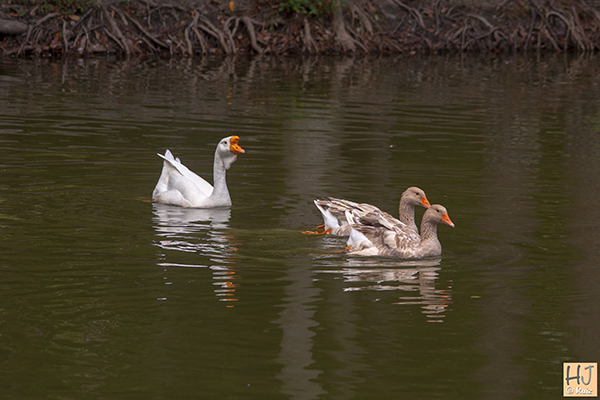
Ansar: Hi girls! How are you?
Later…
2 –
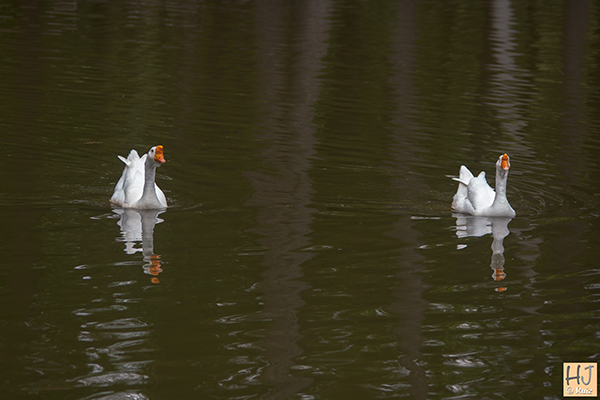
Ansar: Hey Domesticus, I got us a double date with the Goosman girls!
Later…
3 –
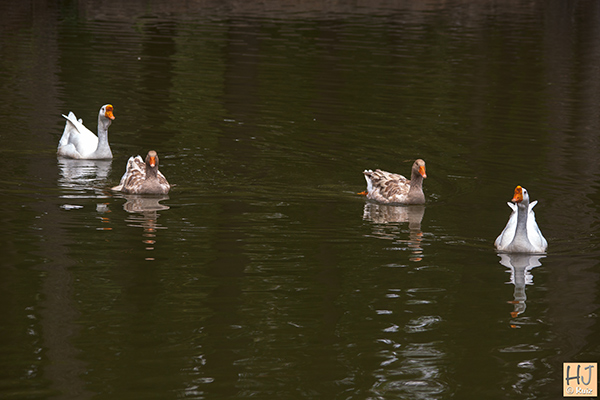
Domesticus: Dinner was fun don’t you think guys?
4 –
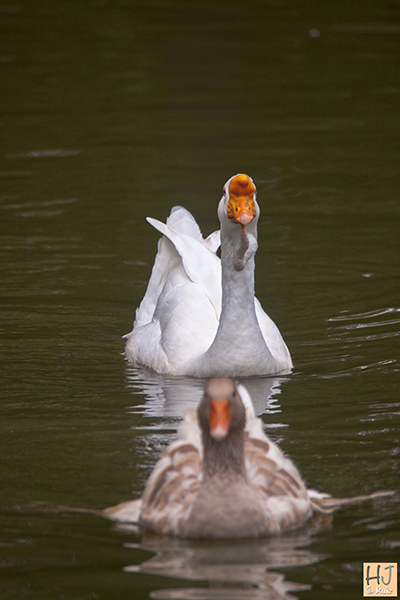
Girl: Come Domesticus! Catch me and I’ll give you something you’ll love! (Wink)
5 –
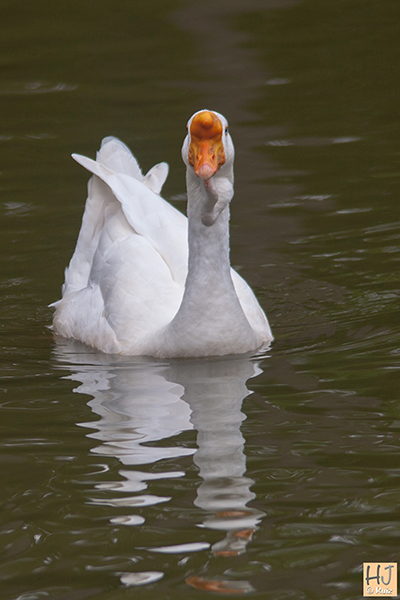
Domesticus: !!!! Eh!
6 –
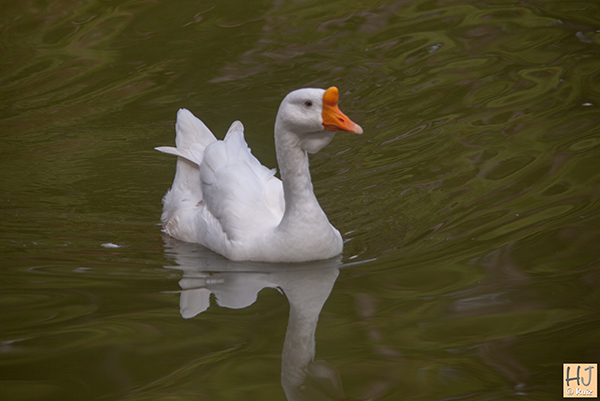
Anser: Oh man! What are you waiting for? GO!
7-
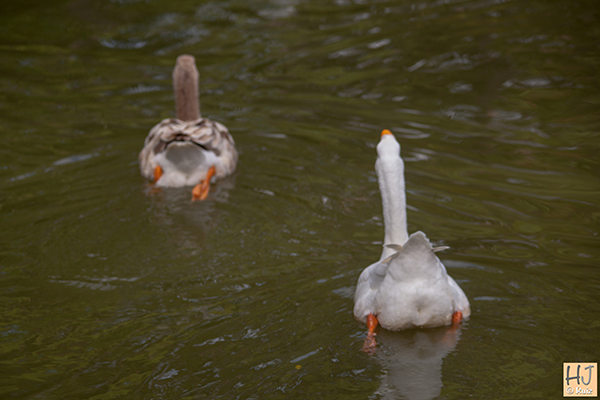
Domesticus: (Puff, Puff)…OMG, is she an Olympic swimmer or what? Puff.
THE END
© HJ Ruiz – Avian101
Share this:

Read Past Reviews

Book # 69
Quote from the Author
“A good chuckle is healthy, it helps you break the monotony of a serious life.” ~ H.J. Ruiz


You must be logged in to post a comment.