Melodic Sparrow
My post features the Song Sparrow today.This sparrow is one of the most abundant as well as adaptable species.They are native sparrows of North America.
I remember the first time I saw this birds; for awhile I thought I was looking at mice moving among plants and rocks, every time I saw movement and just a blur hoping from here to there, scurrying behind flower pots and plants.
Once I caught sight of them in the open, I learned of their preferred and common habits.
Adult song sparrows have brown upper-parts with dark streaks on the back and are white underneath with dark streaking and a dark brown spot in the middle of the breast. They have a brown cap and a long brown rounded tail. Their face is gray with a streak through the eye.
Although they are a habitat generalist, their favorite habitat is brushy areas and marshes, including salt marshes, across most of Canada and the United States. They also thrive in human areas, such as in suburbs, along edges in agricultural areas, and along roadsides. In southern locations, they are permanent residents.
The sparrow species derives it name from its colorful repertoire of songs.
Singing itself consists of a combination of repeated notes, quickly passing isolated notes, and trills. The songs are very crisp, clear, and precise, making them easily distinguishable by human ears.
These birds forage on the ground, in shrubs or in very shallow water. They mainly eat insects and seeds. Birds in salt marshes may also eat small crustaceans. They nest either in a sheltered location on the ground or in trees or shrubs. They have learned and adapted to eat from my feeder saucers and not so much from the ground.
Song sparrows typically learn their songs from a handful of other birds that have neighboring territories.
Photo Gallery


Text and photographs © HJ Ruiz – Avian101
Share this:

Show and Tail
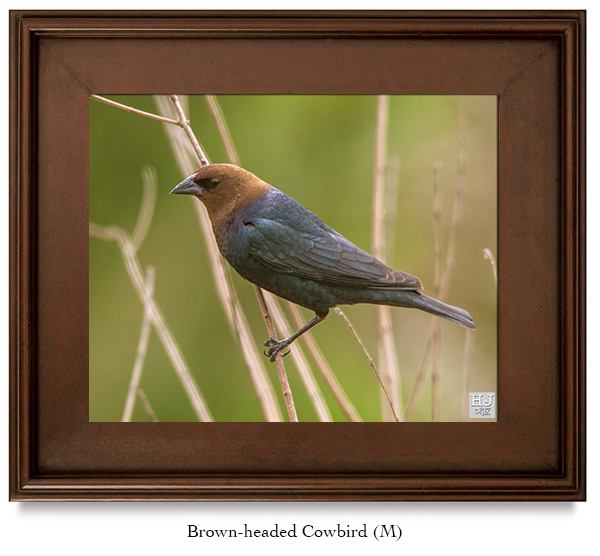
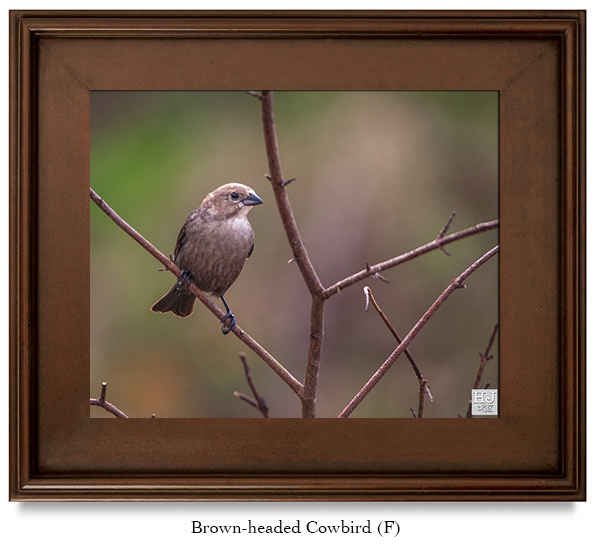
© HJ Ruiz – Avian101
Share this:

Panoramic View of Birds
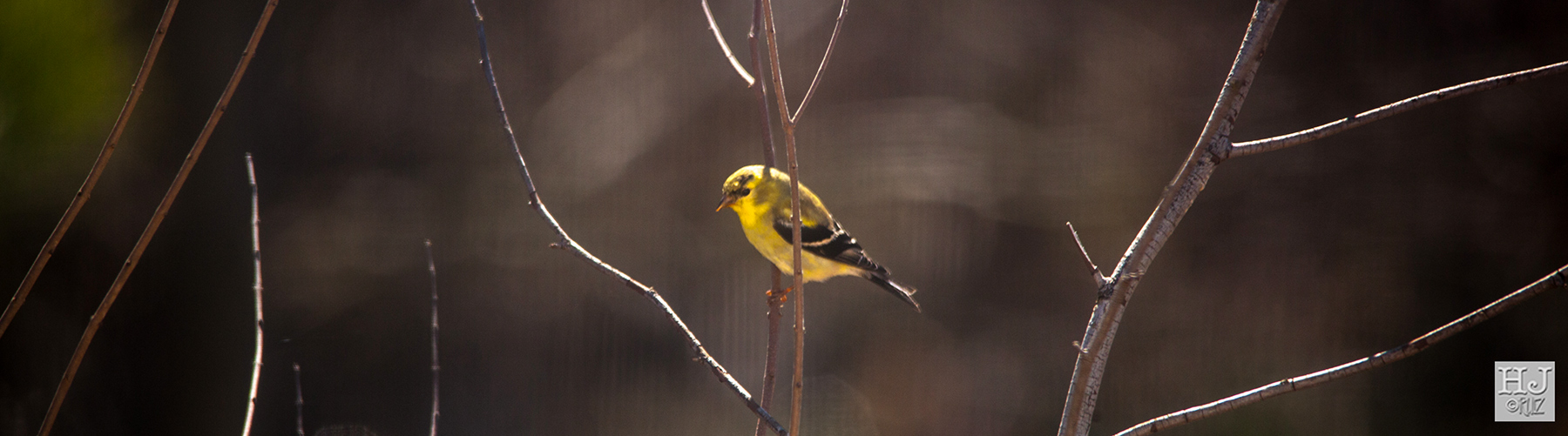
American Goldfinch — Click on image to see enlargement —
© HJ Ruiz – Avian101
Share this:

Memory Lane
March 2010
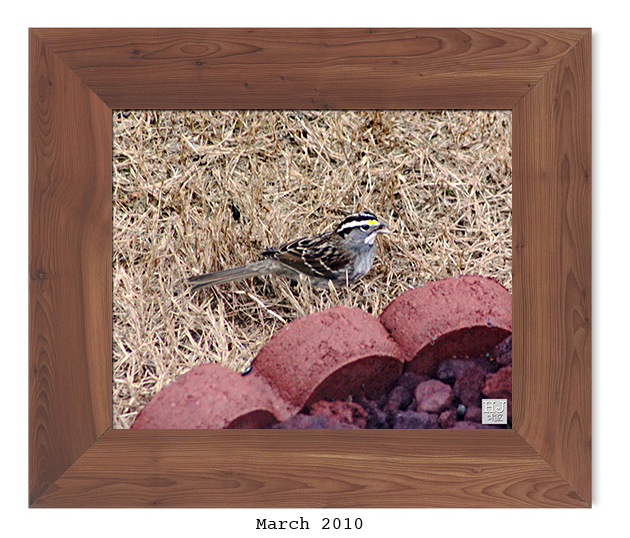
White-throated Sparrow — Mar. 2010
© HJ Ruiz – Avian101
Share this:

Read Past Reviews

Book # 69
Quote from the Author
“A good chuckle is healthy, it helps you break the monotony of a serious life.” ~ H.J. Ruiz


You must be logged in to post a comment.