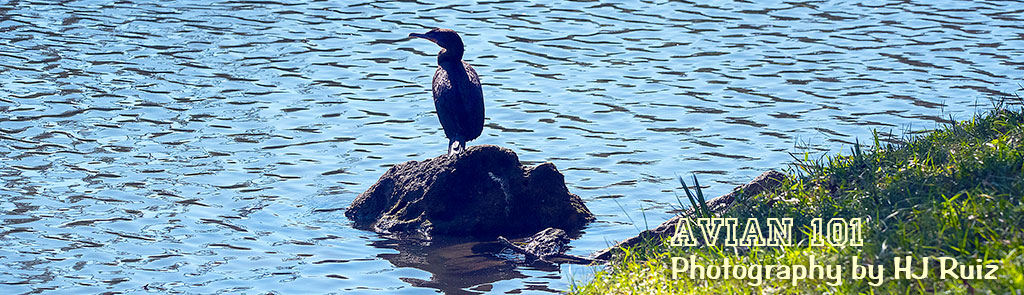
Panoramic View of Birds
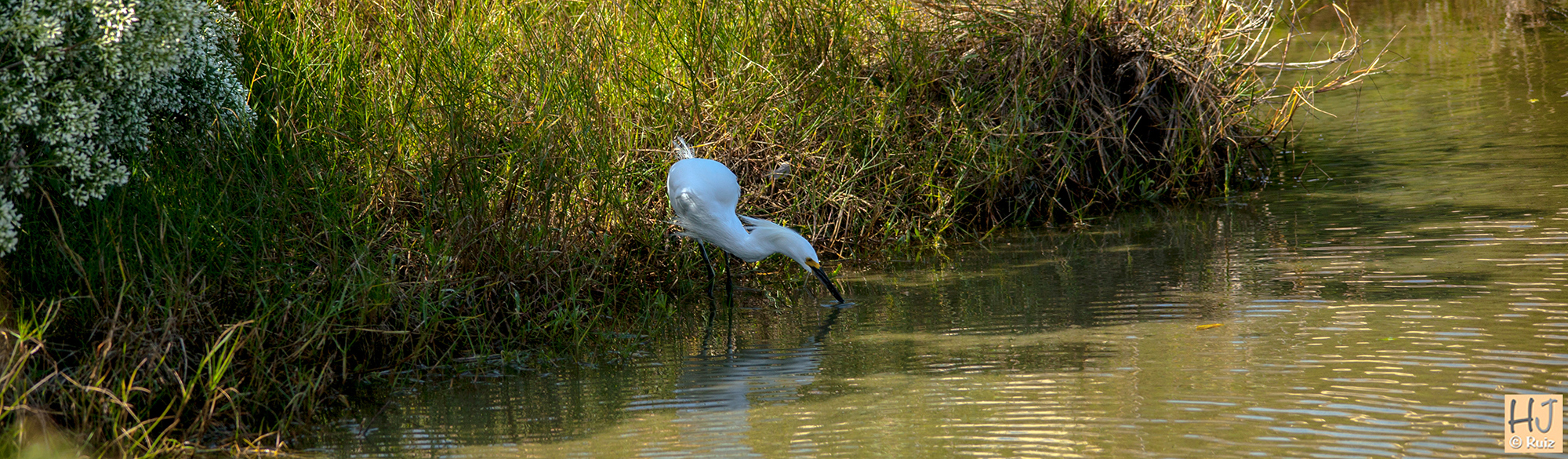
Snowy Egret — Click on image to see enlargement —
© HJ Ruiz – Avian101
Share this:

Memory Lane
February 2010
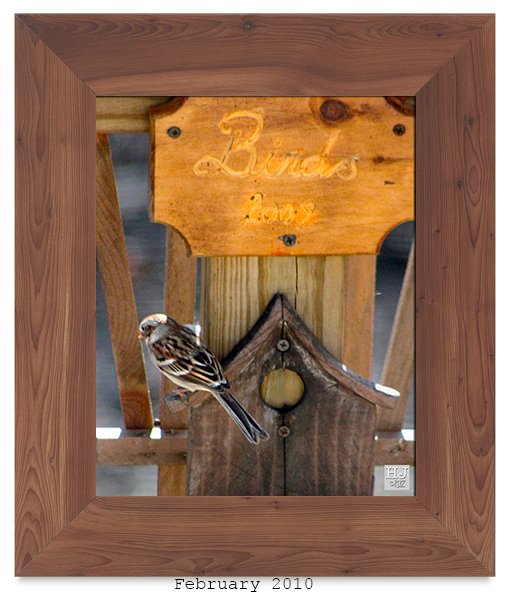
Field Sparrow — Feb.2010
© HJ Ruiz – Avian101
Share this:

Northern Mockingbird
The bird being featured today is non other than the Northern Mockingbird, one of my favorite birds.
This bird is an omnivore. It eats both insects and fruit. It’s often found in open areas and forest edges but forages in grassy land.
The northern mockingbird is a medium-sized mimid that has long legs and tail. Both males and females look alike. Its upper parts are colored gray, while its underparts have a white or whitish-gray color. It has parallel wing bars on the half of the wings connected near the white patch giving it a distinctive appearance in flight. The black central rectrices and typical white lateral rectrices are also noticeable in flight. The iris is usually a light green-yellow or a yellow, but there have been instances of an orange color. The bill is black with a brownish black appearance at the base. The juvenile appearance is marked by its streaks on its back, distinguished spots and streaks on its chest, and a gray or grayish-green iris.
They have adapted very well living in urban or suburban areas. They are territorial birds and very intelligent according to studies. They also are known for imitating calls and song copied from other birds. They possess a great memory and are practically fearless when confronting enemies.
Photo Gallery


Text and photographs © HJ Ruiz – Avian101
Share this:

Common Grackle
Some of the species of birds that visit my backyard come in small flocks or groups. On of them being the Common Grackles.
The male, is larger than the female. Adults have a long, dark bill, pale yellowish eyes and a long tail; its feathers appear black with purple, green or blue iridescence on the head, and primarily bronze sheen in the body plumage. The adult female, beyond being smaller, is usually less iridescent; her tail in particular is shorter, and unlike the males, does not keel (display a longitudinal ridge) in flight and is brown with no purple or blue gloss. The juvenile is brown with dark brown eyes.
They may have a mean or sinister gaze but they are beautiful birds just like others that fly around in the wilderness. They just happen to be a bit too large for the average feeders.
I have fun watching them trying to adapt in the smaller bird’s domain.
Photo Gallery


Text and photographs © HJ Ruiz – Avian101
Share this:

Read Past Reviews

Book # 69
Quote from the Author
“A good chuckle is healthy, it helps you break the monotony of a serious life.” ~ H.J. Ruiz


You must be logged in to post a comment.