
Close Friends
Today is Thursday, day of the week when I’ll be posting “Close Friends”. This post will display a single close up image of a bird. I hope that you will enjoy this post!

SNOWY EGRET
© HJ Ruiz – Avian101
Share this:

Avian Jukebox?
Perhaps you’ve seen or heard a Song Sparrow today, it would not surprise me if you’d say yes, because this sparrow is more likely to be the most abundant in North America where is a native bird.
They have been residents of my backyard from the first day that I moved to my Georgia home. I noticed them just when I had flower pots in my patio and saw something scurrying between the pots, I thought that we had a mice problem until I realized that looking closely it was birds (Song Sparrows) instead! I call them the “mice” of the backyard. Here is more information:
Although they are a habitat generalist, their favorite habitat is brushy areas and marshes, including salt marshes, across most of Canada and the United States. They also thrive in human areas, such as in suburbs, along edges in agricultural areas, and along roadsides. In southern locations, they are permanent residents. Northern birds migrate to the southern United States or Mexico, where there is also a local population resident all year round. The song sparrow is a very rare vagrant to western Europe, with a few recorded in Great Britain and Norway.
These birds forage on the ground, in shrubs or in very shallow water. They mainly eat insects and seeds. Birds in salt marshes may also eat small crustaceans. They nest either in a sheltered location on the ground or in trees or shrubs.
The sparrow species derives it name from its colorful repertoire of songs. Enthusiasts report that one of the songs heard often in suburban locations closely resembles the opening four notes of Ludwig van Beethoven’s Symphony No. 5. The male uses a fairly complex song to declare ownership of its territory and attract females.
Song sparrows typically learn their songs from a handful of other birds that have neighboring territories. They are most likely to learn songs that are shared in common between these neighbors. Ultimately, they will choose a territory close to or replacing the birds that they have learned from. This allows the song sparrows to address their neighbors with songs shared in common with those neighbors. It has been demonstrated that song sparrows are able to distinguish neighbors from strangers on the basis of song, and also that females are able to distinguish (and prefer) their mate’s songs from those of other neighboring birds, and they prefer songs of neighboring birds to those of strangers.
Photo Gallery


Text and photographs © HJ Ruiz – Avian101
Share this:

Look Outside my Window!
It’s hard to skip writing about the Blue Jays now because they are feeling very comfortable in my backyard. Their coming to the feeders and hanging out has become a daily thing. These birds are so good-looking that I can not dismiss them from my reports. They add a bit more color to the neighborhood!
These group of European Starlings that I’ve named the “Jersey Boys” for the simple reason that any time I see them are in a group and their bills wide open to sing their calls. They come and go several times a day and they’re always making sure that everybody pay attention!
My tiny little friends Ruby-throated Hummingbirds show up whenever there’s a break on the weather temperatures or some clouds block the direct sun rays and gets cooler. I’ve seen them drinking nectar late, at dusk, when it cools down but this is dark for me to shoot any good pictures. I love their visits even when they are short.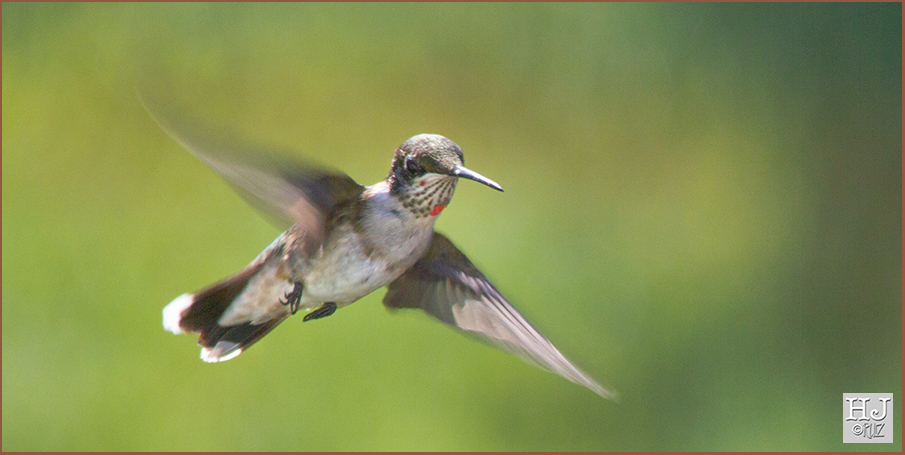
Note: This big fellow came to get some seeds, the first time that I see a Groundhog in my backyard! He looks well fed and healthy!
Text and photographs © HJ Ruiz – Avian101
Share this:

Show and Tail
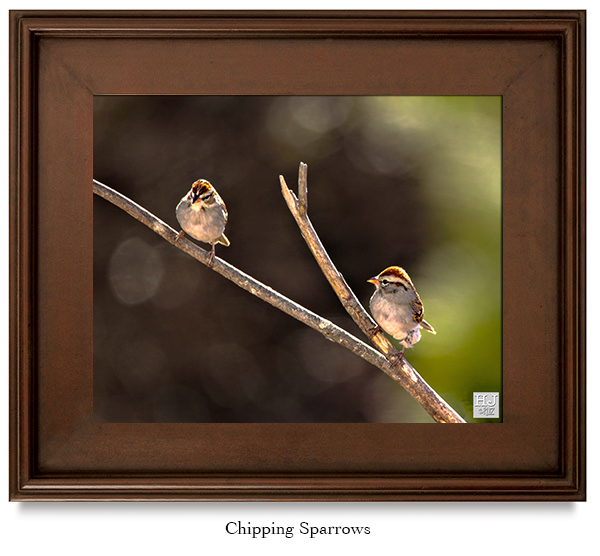
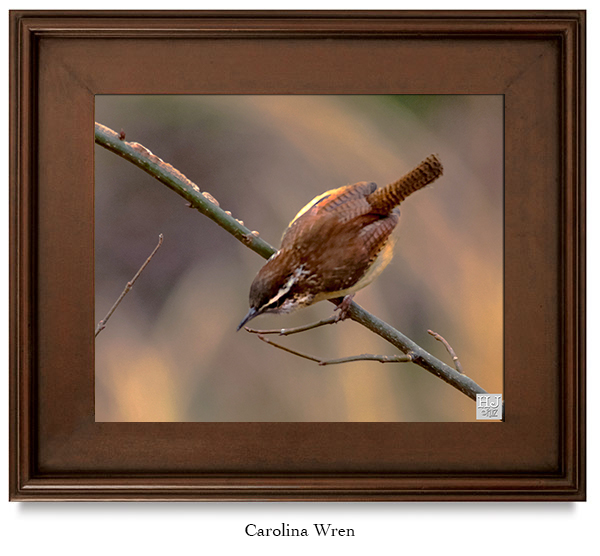
© HJ Ruiz – Avian101
Share this:

Read Past Reviews

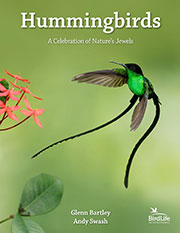
Book # 69
Quote from the Author
“A good chuckle is healthy, it helps you break the monotony of a serious life.” ~ H.J. Ruiz


You must be logged in to post a comment.