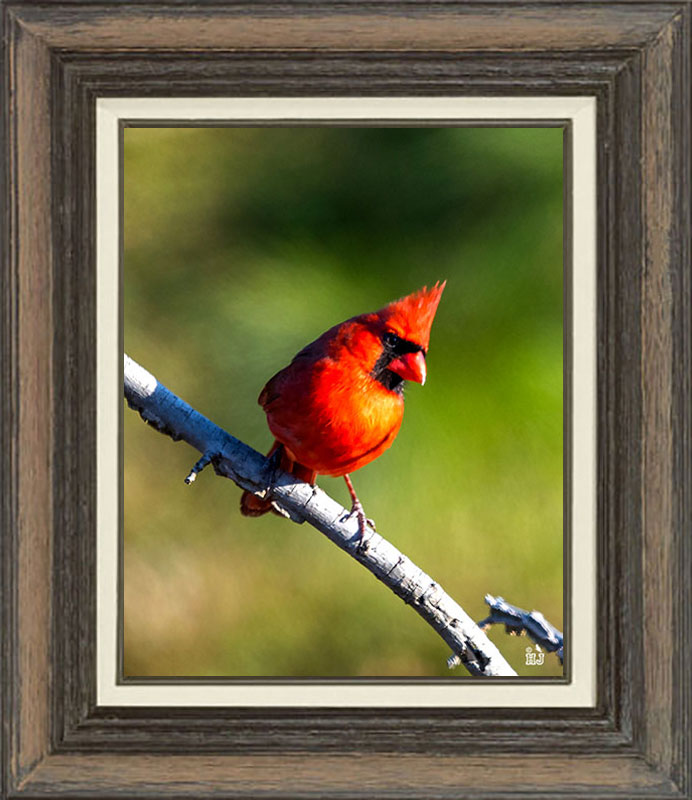
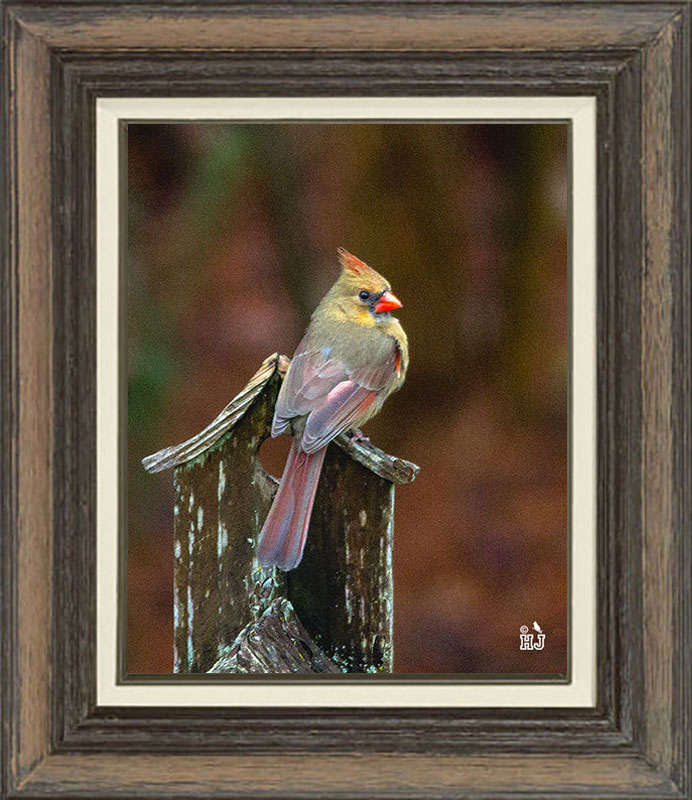
Red Art Gallery – Northern Cardinal # 82
Red Art Gallery
Photo Gallery
© HJ Ruiz – Avian101
Share this:

Bird’s ID -Lifer # 231
Clay-colored Thrush
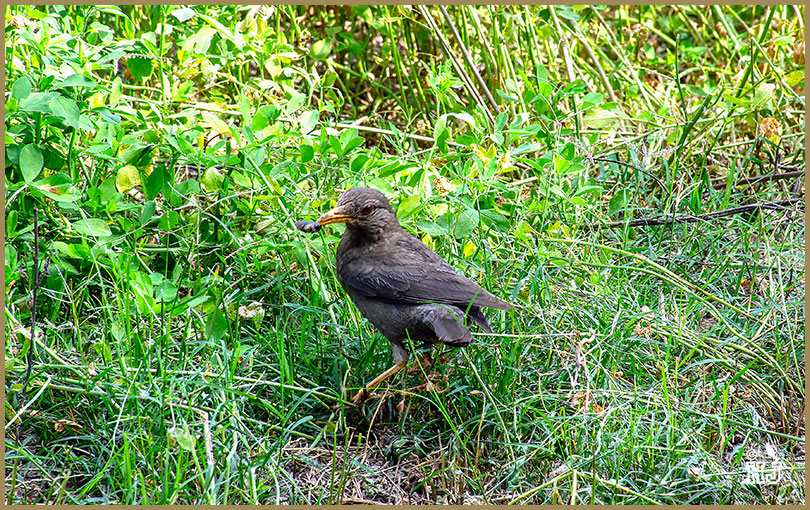
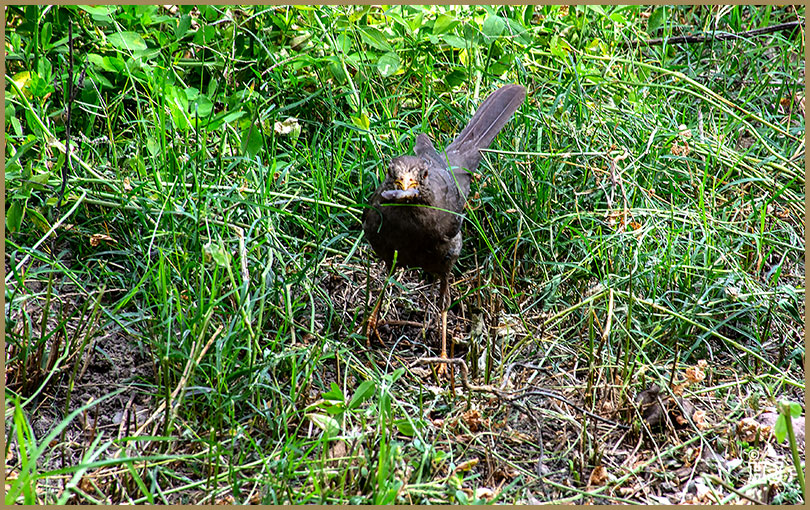
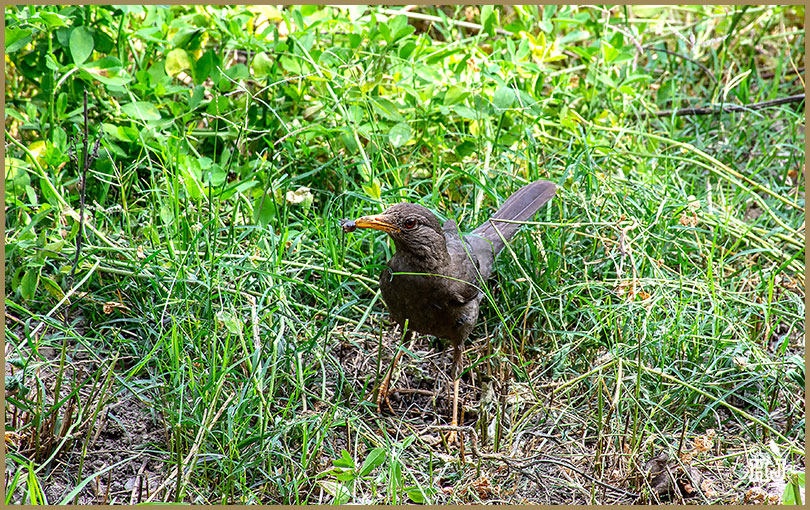
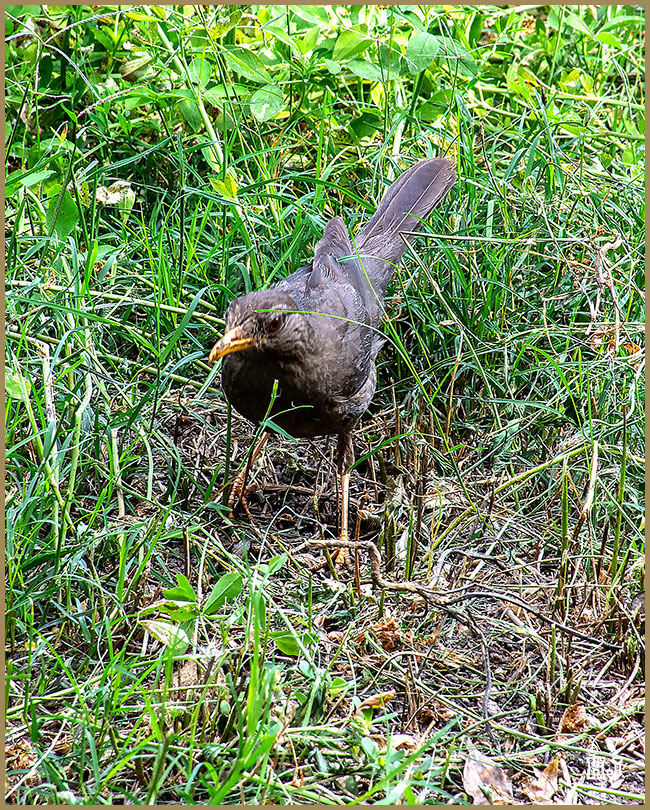
NOTE: It took me three years before I got the ID of this bird. Just by accident I was reading articles about birds when I saw a picture of the bird, and after digging a little more, came to the conclusion that these birds have reached quite far territory that it is known to fly. I found it in Arequipa, which is South of Peru. – H.J.
The Clay-colored Thrush (Turdus grayi) is a common Middle American bird of the thrush family (Turdidae). It is the national bird of Costa Rica, where it is well known as the yigüirro (Spanish: [ʝi’ɣwiro]). Other common names include clay-colored robin. It ranges from South Texas (where it is rapidly expanding its range) to northern Colombia. West and north of the Isthmus of Tehuantepec, it is limited to the Atlantic slope, except for a population around Oaxaca City, Mexico that probably originates from escaped cage birds. In general appearance and habits it resembles other Turdus thrushes such as the American robin. It is about the same length or slightly smaller: 23–27 cm (9.1–10.6 in), and weighs 74–76 g (2.6–2.7 oz) on average. The plumage is brownish, somewhat lighter below than above, lightest on the flanks. Birds from humid regions are darker than those from dry regions. The throat is faintly streaked. Immature birds have faint mottling on the back and underparts. The bill is greenish-yellow with a dark base, the legs are pinkish or flesh-colored, and the irises are reddish—all useful identification points. The clay-colored thrush usually forages for fruit or invertebrates on the ground or near it, singly or in pairs, but flocks may feed high in fruiting trees. It will follow army ants to feed on small prey disturbed by the ant columns. It builds a heavy cup nest of grass, moss, feathers, leaves and mud on a firm support above the ground, which may include human constructions such as windowsills. It lays 2 to 4 pale blue eggs with red-brown and gray markings between March and July and may double-brood.
© HJ Ruiz – Avian101 – Info Wikipedia
Share this:

My Photos of Birds # 6
Photo Album

Passerina cyanea
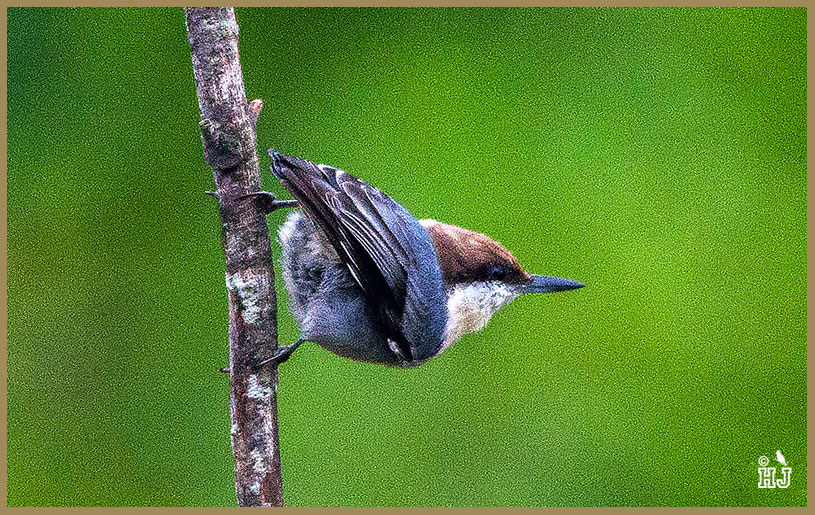
Sitta pusilla
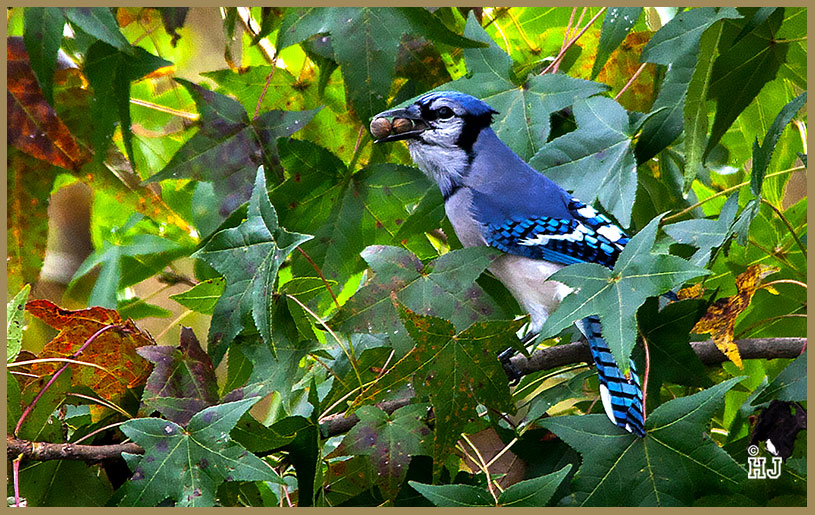
Cianocitta cristata
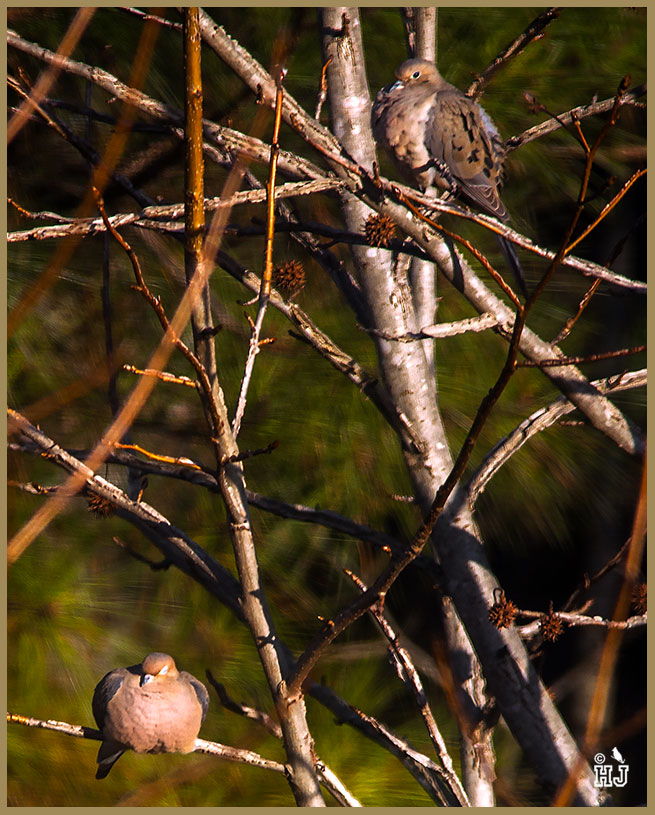
Zenaida macroura
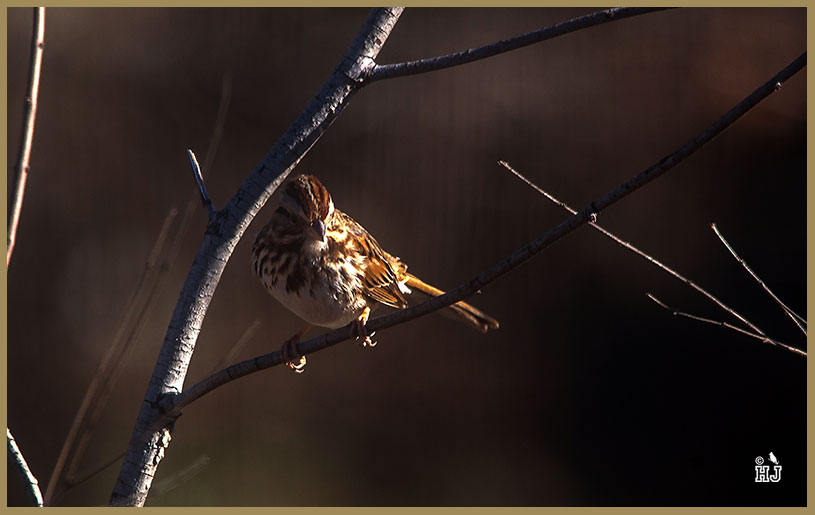
Zonotichia arbicolis
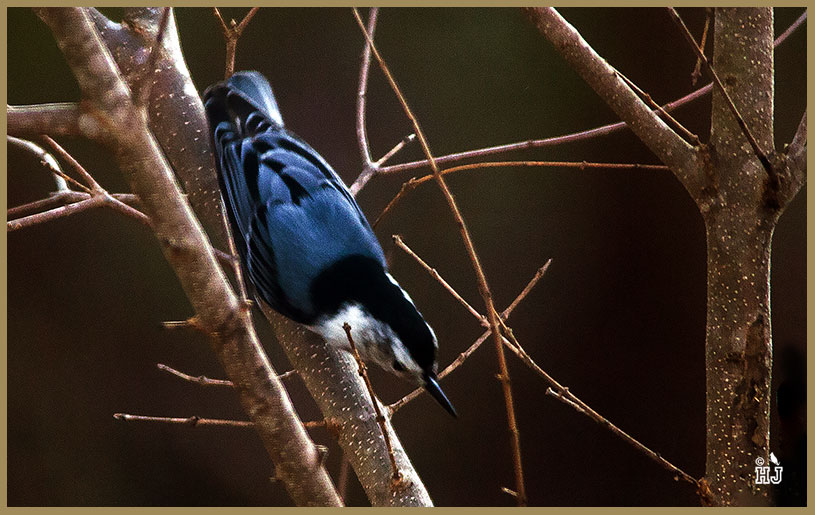
Sitta carolinensis
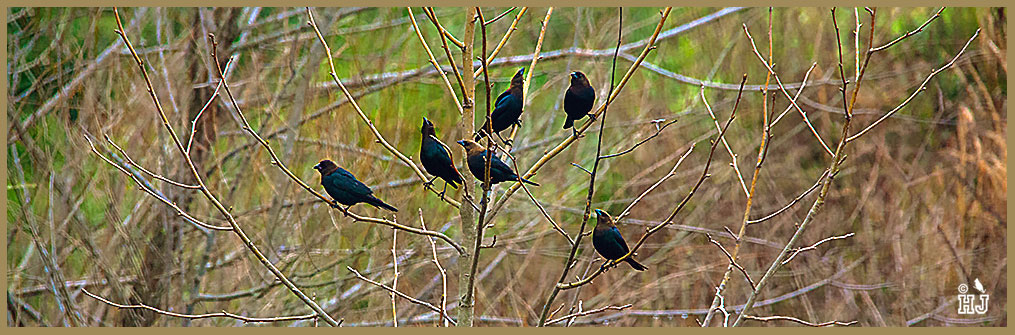
© HJ Ruiz – Avian101
Share this:

Special Places # 71
Photo Art by H.J. Ruiz
Photo Gallery
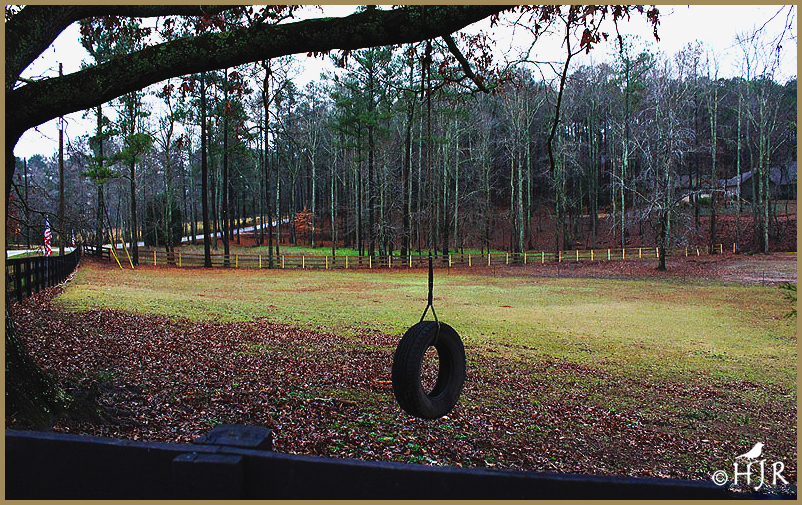




1 – Top Left: Serene scene of a ranch, not far from my home in Georgia.
2 – Top Right – First tier: small fern plant and pine needles, in Vermont.
3 – Top Right – Second tier: Weeping willow and frozen lake, in White Meadow Lake, New Jersey.
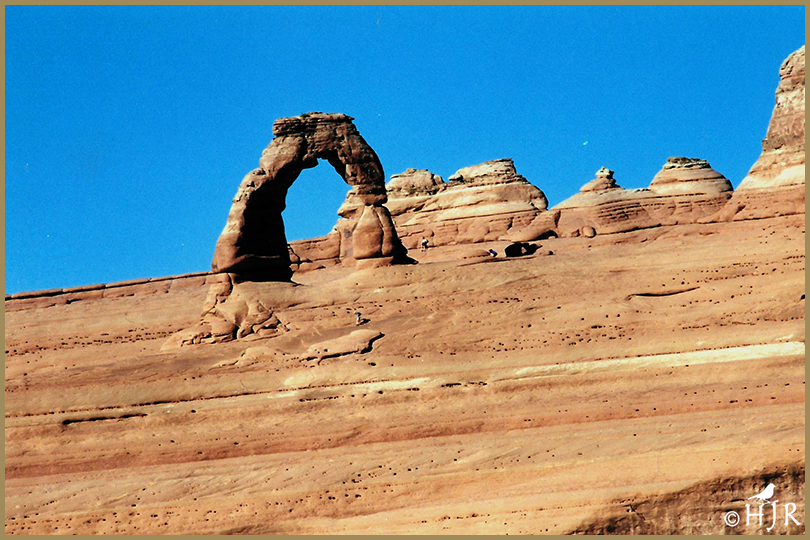
4 – Bottom – First column: “Delicate Arch” at Arches National Park in Utah.
5 – Bottom – Second column: Gorgeous Joshua Tree at Joshua Tree State Park in California.
6 – Bottom – Third column: Romantic sunset at Sarasota Bay in Sarasota, Florida.
© HJ Ruiz – Avian101
Share this:

Read Past Reviews

Book # 69
Quote from the Author
“A good chuckle is healthy, it helps you break the monotony of a serious life.” ~ H.J. Ruiz
 H.J. Ruiz - Avian101
You must be logged in to post a comment.