
V.I.B. Gallery
V.I.B. (VERY IMPORTANT BIRDS) GALLERY
American White Ibis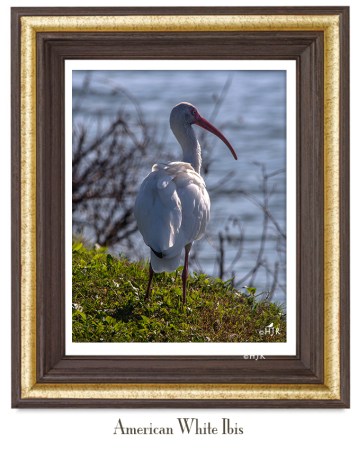
© HJ Ruiz – Avian101
Share this:

Wood Stork – # 210
Scientific classification |
|
| Kingdom: |
Animalia |
Phylum: |
Chordata |
| Class: |
Aves |
| Order: |
Ciconiiformes |
| Family: |
Ciconiidae |
| Genus: |
Mycteria |
| Species: | americana |
Binomial name |
|
|
Mycteria americana Linnaeus, 1758 |
|
The Wood Stork (Mycteria americana) is a large American wading bird in the stork family Ciconiidae.
The adult is a large bird which stands 83 to 115 cm (33–45 in) tall and spans 140 to 180 cm (55–71 in) across the wings. Males typically weigh 2.5 to 3.3 kg (5.5–7.3 lb), with a mean weight of 2.7 kg (6.0 lb); females weigh 2.0 to 2.8 kg (4.4–6.2 lb), with a mean weight of 2.42 kg (5.3 lb). Another mean estimated weight for the species was 2.64 kg (5.8 lb). However, exceptionally large males are sometimes found and these can weigh up to 4.5 kg (9.9 lb). It appears all white on the ground, with blackish-gray legs and pink feet. In flight, the trailing edge of the wings is black.  The head is dark brown with a bald, black face, and the thick down-curved bill is dusky yellow. Juvenile birds are a duller version of the adult, generally browner on the neck, and with a paler bill. The bare head and the long bill, which can measure up to 25.5 cm (10.0 in) in length, render the wood stork distinctive from other large waders in its range
This is a subtropical and tropical species which breeds in much of South America, Central America and the Caribbean. The wood stork is the only stork that presently breeds in North America. In the United States there is a small breeding population in Florida, Georgia, and South Carolina, along with a recently discovered rookery in southeastern North Carolina. After a successful three-decade conservation effort resulting in an increased population in the southeastern United States,
The Wood Stork is listed as my # 210 “lifer”.
Photo Gallery


© HJ Ruiz – Avian101
Share this:

Book Review # 36
The New Neotropical Companion
Author: John Richer
Publisher: Princeton University Press
Review
“I’ve been reading The New Neotropical Companion written by Professor John Kricher (Biology at Wheaton College. It’s a 432 pages rich in knowledge converted to words and photographs.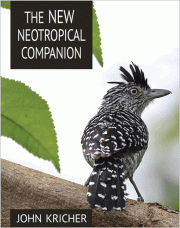
He has made a compilation of important information referent to Ecology and the natural Neotropical areas of the western hemisphere. The book covers the American Tropical areas, as well as the Neotropical areas starting with the Caribbean islands such as the Bahamas, Bermuda the Antilles, including West Indies and Abaco, Jamaica, Puerto Rico, Martinique and Cuba.
Rain Forests, Jungles, Tropical Forests are explained in a comprehensive language. The book also continues to describe with great detail the richness of wildlife of the Tropic areas of the Amazonia in South America. The abundance of wildlife in the Amazonia with so many species animals and plants are the subject of a great deal of information for any reader with interest in Nature, especially when it comes to species of the New World.”
Reviewed by HJ Ruiz – Avian101.wordpress.com – April 17th, 2017
Share this:

Panoramic View of Birds
Limpkin
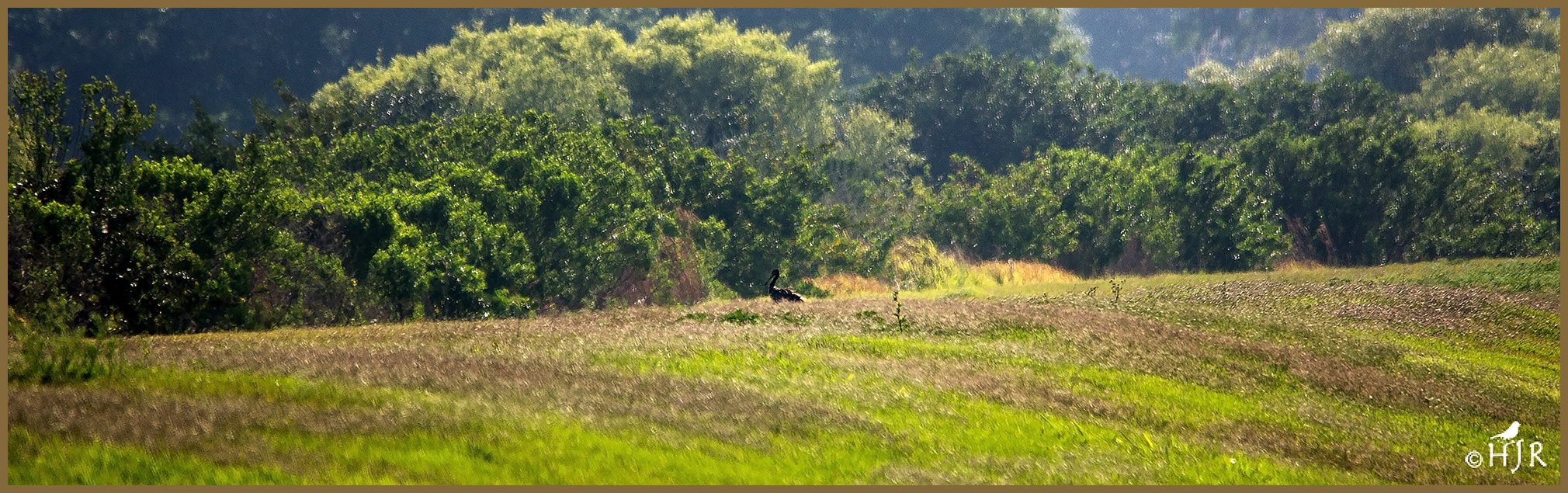
Click image for enlargement
© HJ Ruiz – Avian101
Share this:

Read Past Reviews

Book # 69
Quote from the Author
“A good chuckle is healthy, it helps you break the monotony of a serious life.” ~ H.J. Ruiz


You must be logged in to post a comment.