Red Gallery – Northern Cardinal

Photo Gallery


© HJ Ruiz – Avian101
Share this:

Photography of Birds – Set # 28
Set # 28
Double-crested Cormorant
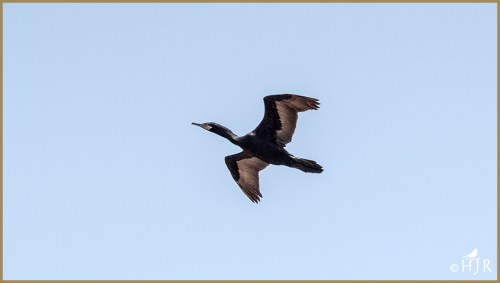
Double-crested Cormorant
The Double-crested Cormorants are excellent flyers, once they get their wings dry. Its feathers, like those of all cormorants, are not waterproof and it must spend time drying them out after spending time in the water.
House Sparrows

House Sparrows
While I was walking through a park in Lima (Peru), I saw this bunch of House Sparrows, sitting under a tree’s shade, it was noon, and the Summer sun was up, the temperature made it feel like being in an oven, hot and very humid too! I felt sorry for the birds!
© HJ Ruiz – Avian101
Share this:

Photography of Birds – Set # 27
Set # 27 – (Local Birds)
-
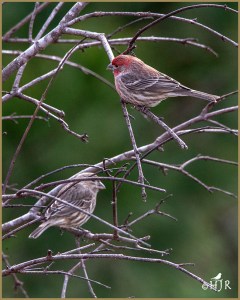
- House Finches
-
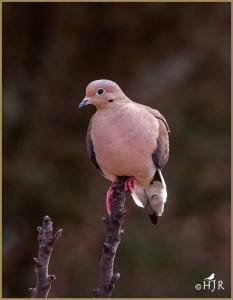
- Mourning Dove
-
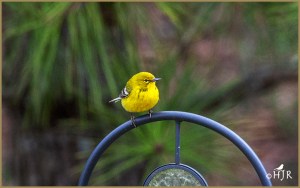
- Pine Warbler (M)
-
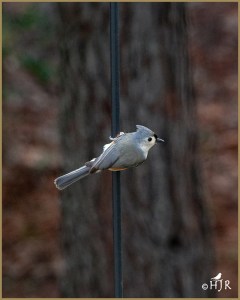
- Tufted Titmouse
Our weather continues to be crazy. We’ve been getting frost in the morning for the past few days, but, later it warms up enough to be comfortable with a long sleeve shirt. The cold morning doesn’t deter birds from coming to the feeders. They are always hungry!
© HJ Ruiz – Avian101
Share this:

Bird’s ID – Gray Gull – # 224
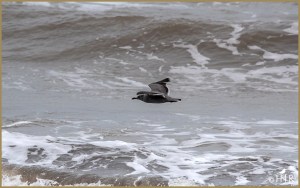
Gray Gull
The Gray Gull, (Leucophaeus modestus) is a medium-sized gull native to South America. Unusual among gulls, it breeds inland in the extremely dry Atacama Desert in northern Chile, although it is present as a non-breeding bird along much of the Pacific coast of South America.
The sexes are similar in grey gulls. Adults grow to a length of about 45 cm (18 in) and weigh some 360 to 400 g (13 to 14 oz). The head is white in summer but brownish-grey in winter. The body and wings are grey with the dorsal surface rather darker than the ventral region. The flight feathers are black and the inner primaries and the secondaries have white tips, visible in flight. The tail has a band of black with a white trailing edge. The legs and beak are black and the iris is brown. The call is similar to that of the laughing gull (Leucophaeus atricilla).
The typical habitat of the grey gull is sandy beaches and mudflats along the western coasts of South America where it probes with its beak in the sediment for invertebrate prey, particularly mole crabs. It also eats fish and ragworms, scavenges for offal and sometimes follows fishing boats.
The Gray Gull is listed as # 224 on my list of “lifers”
Photo Gallery

© HJ Ruiz – Avian101
Share this:

Read Past Reviews

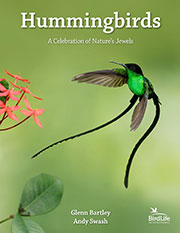
Book # 69
Quote from the Author
“A good chuckle is healthy, it helps you break the monotony of a serious life.” ~ H.J. Ruiz


You must be logged in to post a comment.