Red Gallery – Northern Cardinal

Photo Gallery


© HJ Ruiz – Avian101
Share this:

Photography of Birds – Set # 136
Set # 136
Red-headed Woodpecker
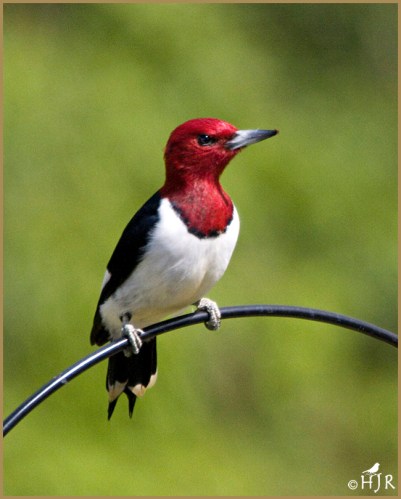
Red-headed Woodpecker
The red-headed woodpecker is rated as least concern on the (IUCN)’s Red List of Endangered species. It was formerly rated as near threatened, having been reclassified from Least Concern in 2004 after it appeared to have experienced a 65.5% decline in population over 40 years; from 1966-2015 there was a greater than 1.5% annual population decline throughout the Mississippi and Ohio River valleys, and in central Florida.
Red-bellied Woodpecker
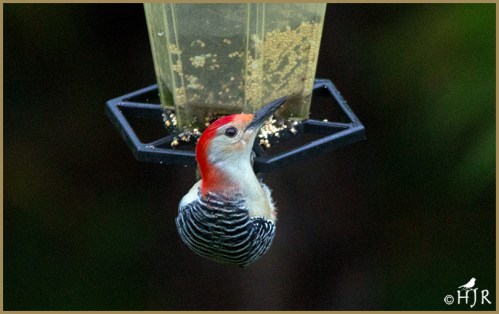
Red-bellied Woodpecker
Woodpeckers depend on dead and drying wood for nesting purposes. The male red-bellied woodpecker takes the initiative in locating a nest hole. He will then seek approval from his female mate by mutual tapping. The red-bellied woodpecker excavates holes in trees for nesting and roosting. By excavating cavities, they play an important role in the forest communities for other species as well. For example, species such as squirrels and bats use these cavities as shelter.The female red-bellied woodpecker accepts the nesting hole by completing the excavation and entering the nest hole.
© HJ Ruiz – Avian101
Share this:

Photography of Birds – Set # 135
Set # 135
Black Skimmers
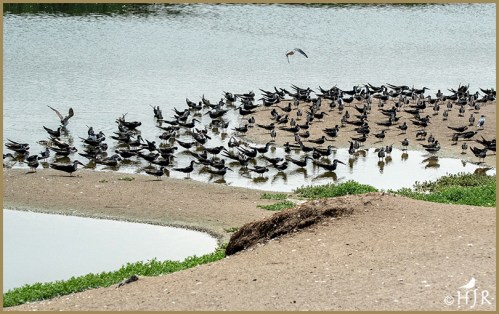
Black Skimmers
The black skimmer breeds in loose groups on sandbanks and sandy beaches in the Americas, the three to seven heavily dark-blotched buff or bluish eggs being incubated by both the male and female. The chicks leave the nest as soon as they hatch and lie inconspicuously in the nest depression or “scrape” where they are shaded from high temperatures by the parents. They may dig their own depressions in the sand at times.
Double-crested Cormorants
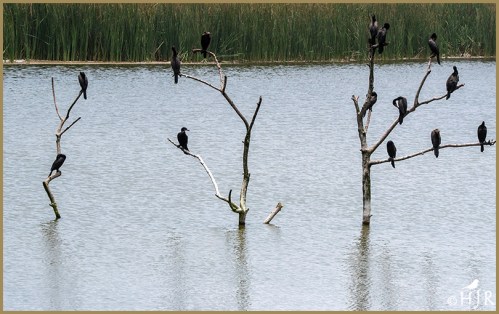
Double-crested Cormorants
This species has dark-colored plumage with bare supra-loreal skin and gular skin that is yellow or orange. An adult in breeding plumage will be mostly black with the back and coverts being a dark grayish towards the center. Nuptial crests, for which the species is named, are either white, black or a mix of the two. These are located just above the eyes with the bare skin on the face of a breeding adult being orange. A non-breeding adult will lack the crests and have more yellowish skin around the face. The bill of the adult is dark-colored.
© HJ Ruiz – Avian101
Share this:

Framed Memories – # 14
Photo Gallery
-
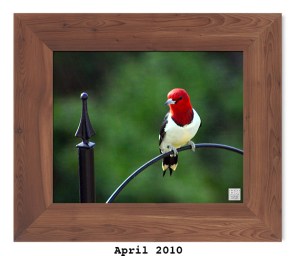
- Red-headed Woodpecker
-
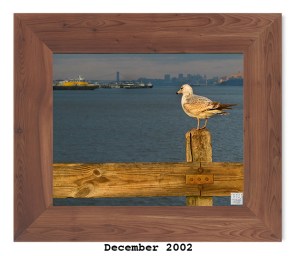
- Ring-billed Gull
© HJ Ruiz – Avian101
Share this:

Read Past Reviews

Book # 69
Quote from the Author
“A good chuckle is healthy, it helps you break the monotony of a serious life.” ~ H.J. Ruiz
 H.J. Ruiz - Avian101
You must be logged in to post a comment.