Framed Memories # 40
Photo Gallery


© HJ Ruiz – Avian101
Share this:

Photography of Birds – Set # 251
Set # 251
American White Ibis
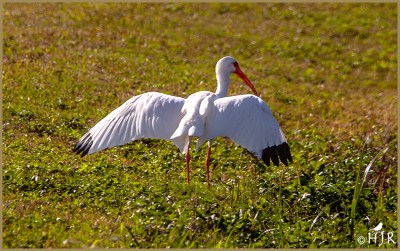
American White Ibis
Like other species of ibis, the American White Ibis flies with neck and legs outstretched, often in long loose lines or V formations—a 1986 field study in North Carolina noted over 80% of adult ibis doing so, while juveniles rapidly took up the practice over the course of the summer. The resulting improvement in aerodynamics may lower energy expenditure. These lines fly in an undulating pattern as they alternately flap and glide. Soaring in a circular pattern is also seen. Heights of 500 to 1,000 m (1,600 to 3,300 ft) may be reached as birds glide over flights of 20 km (12 mi) or more. More commonly, birds fly between 60 and 100 m (200 and 330 ft) above the ground, gliding or flapping at a rate of around 3.3 wingbeats a second.
Little Blue Heron
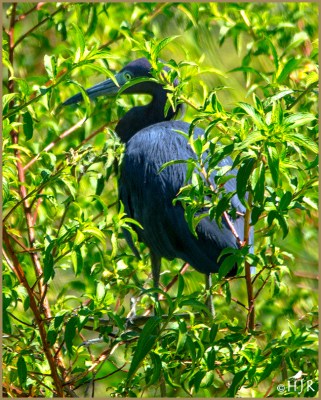
Little Blue Heron
The Little Blue Herons prefer freshwater swamps and lagoons in the South, while on islands in the North they inhabit coastal thickets.They breed in sub-tropical and tropical swamps with mangrove vegetation, wetlands (bogs, fens, peatlands, etc.) and marine intertidal salt marshes.
The little blue heron nests in colonies, often with other herons, usually on platforms of sticks in trees or shrubs. Three to seven light blue eggs are laid. The little blue heron stalks its prey methodically in shallow water, often running as it does so. It eats fish, frogs, crustaceans, small rodents and insects. It eats more insects than the larger herons. Adults usually forage alone, while immatures usually feed in groups.
© HJ Ruiz – Avian101
Share this:

Photography of Birds – Set # 250
Set # 250
Turkey Vulture
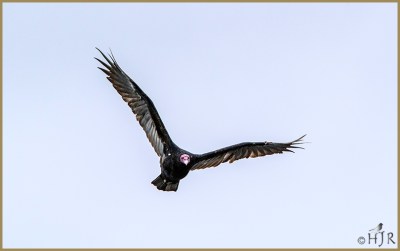
Turkey Vulture
The Turkey Vulture received its common name from the resemblance of the adult’s bald red head and its dark plumage to that of the male wild turkey, while the name “vulture” is derived from the Latin word vulturus, meaning “tearer”, and is a reference to its feeding habits.The word buzzard is used by North Americans to refer to this bird, yet in the Old World that term refers to members of the genus Buteo. The turkey vulture was first formally described by Carl Linnaeus as Vultur aura in his 1758 10th edition of Systema Naturae, and characterised as “V. fuscogriseus, remigibus nigris, rostro albo” (“brown-gray vulture, with black wing flight feathers and a white beak”). It is a member of the family Cathartidae, along with the other six species of New World vultures, and included in the genus Cathartes, along with the greater yellow-headed vulture and the lesser yellow-headed vulture. Like other New World vultures, the turkey vulture has a diploid chromosome number of 80.
Black Vulture
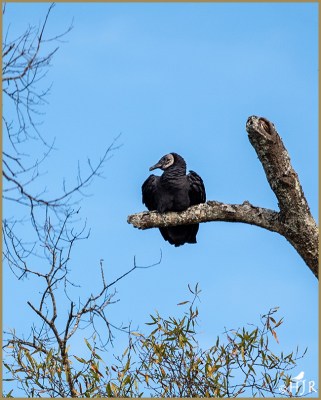
Black Vulture
The Black Vulture is a scavenger and feeds on carrion, but will also eat eggs or kill newborn animals (livestock such as cattle). In areas populated by humans, it also feeds at garbage dumps. It finds its meals either by using its keen eyesight or by following other (New World) vultures, which possess a keen sense of smell. Lacking a syrinx—the vocal organ of birds—its only vocalizations are grunts or low hisses. It lays its eggs in caves or hollow trees or on the bare ground, and generally raises two chicks each year, which it feeds by regurgitation. In the United States, the vulture receives legal protection under the Migratory Bird Treaty Act of 1918. This vulture also appeared in Mayan codices.
© HJ Ruiz – Avian101
Share this:

Special Places # 11
Panoramic Views
Photo Gallery
-
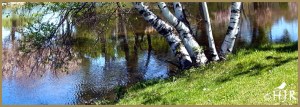
- Reflection – New Jersey
-
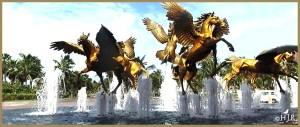
- Pegasus Water Fountain- The Bahamas
-

- Monuments National Park- Utah
-

- Eilat Beach, Red Sea – Israel
© HJ Ruiz – Avian101
Share this:

Read Past Reviews

Book # 69
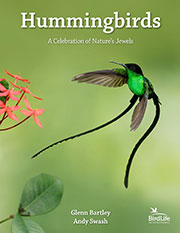
Quote from the Author
“A good chuckle is healthy, it helps you break the monotony of a serious life.” ~ H.J. Ruiz
 H.J. Ruiz - Avian101
You must be logged in to post a comment.