Photography of Birds – Set # 262
Set # 262
Neotropic Cormorant
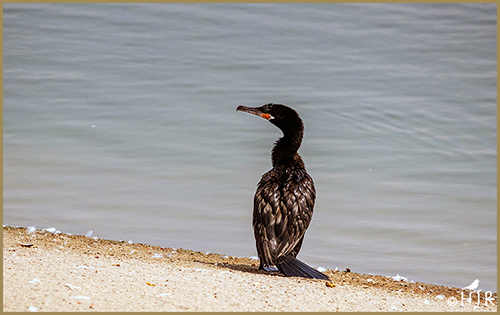
Its diet consists mainly of small fish, but will also eat tadpoles, frogs, and aquatic insects. Information about its prey is sparse, but inland birds seem to feed on small, abundant fish in ponds and sheltered inlets, less than 10 cm (3.9 in) in length, with an individual weight of a gram or two, such as Poecilia species especially the sailfin molly Poecilia latipinna. This cormorant forages for food by diving underwater, propelling itself by its feet. Its dives are brief, between 5 and 15 seconds. It is also known to forage in groups, with several birds beating the water with their wings to drive fish forward into shallows.
Double-crested Cormorant
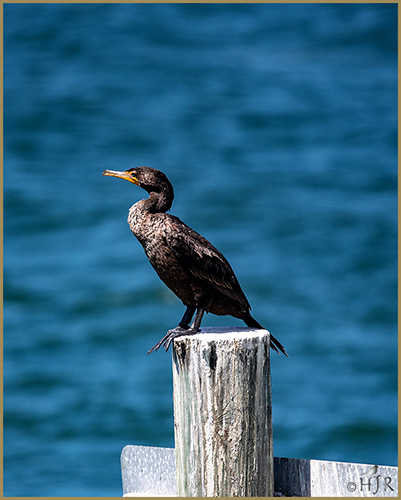
Food can be found in the sea, freshwater lakes, and rivers. Like all cormorants, the double-crested dives to find its prey. It mainly eats fish, but will sometimes also eat amphibians and crustaceans. Fish are caught by diving under water. Smaller fish may be eaten while the bird is still beneath the surface but bigger prey is often brought to the surface before it is eaten. Double-crested cormorants are also considered pests to aquaculturists because of their intense predation on fish ponds which can cause thousands of dollars in losses to farmers. Cormorants regurgitate pellets containing undigested parts of their meals such as bones. These pellets can be dissected by biologists in order to discover what the birds ate.
© HJ Ruiz – Avian101
Share this:

Special Places # 14
Panoramic Photos
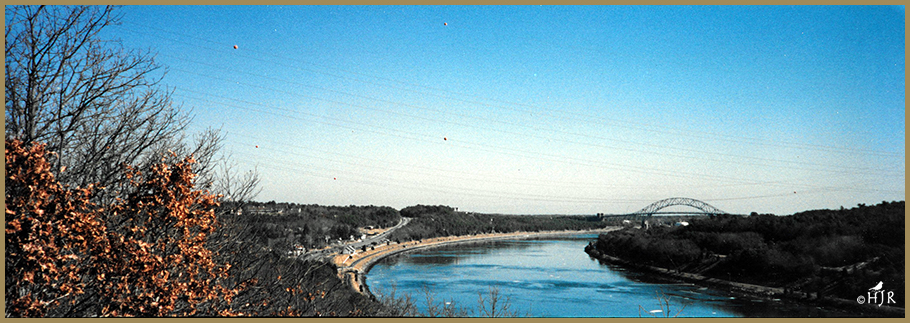



- On the way to Cape Cod, Massachusetts.
- Whitney Point Lake, Upstate New York.
- Scene viewed from Jekyll Island, bridge to Brunswick, Georgia.
- Scene of Tel Aviv beach early morning in Israel.
© HJ Ruiz – Avian101
Share this:

Red Art Gallery – Northern Cardinal # 23
Red Art Gallery
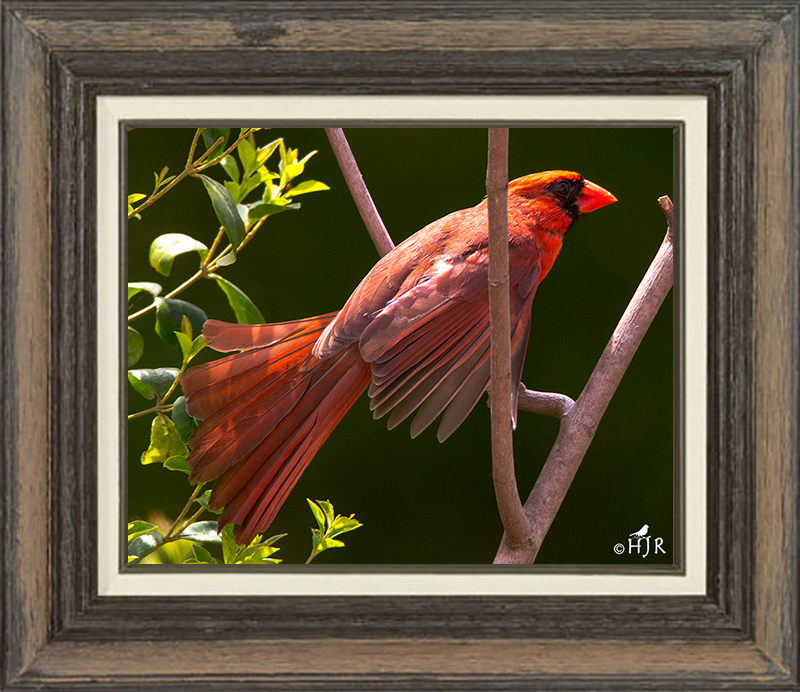
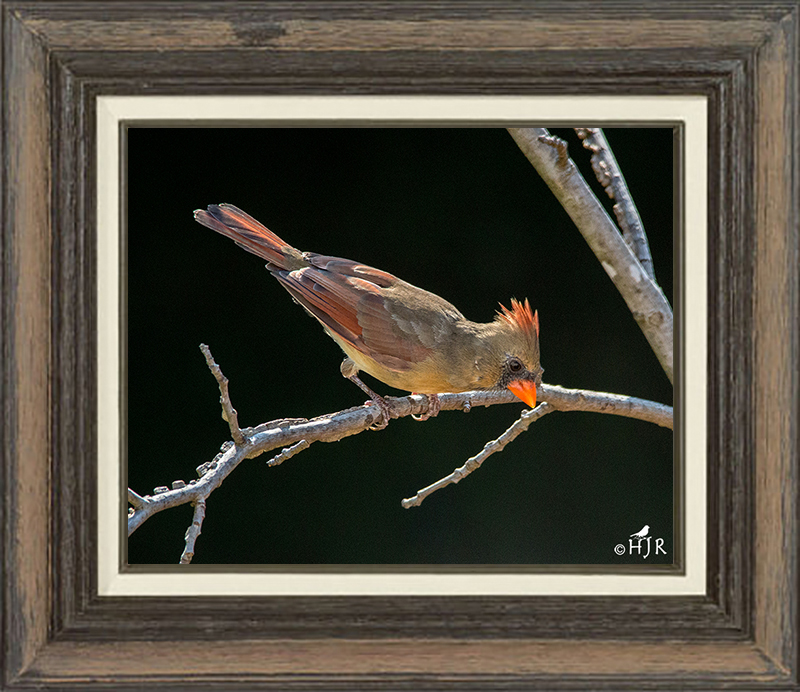
© HJ Ruiz – Avian101
Share this:

Photography of Birds – Set # 261
Brown-headed Nuthatch

The Brown-headed Nuthatch is regularly observed using small chips of bark, small twigs, and pine needles held in its beak as tools to dig for insects. The nuthatch exhibits other curious behaviors such a cooperative groups where groups of 3-5 adults provide care at a single nest. Recent genetic assessments suggest some of the putatively non-breeding adults associated with these groups may actually breed with individuals in neighboring territories. This nuthatch also exhibits a wide range of other social behaviors that include social grooming and male-female duets similar to those observed for the Pygmy Nuthatch.
Carolina Chickadee
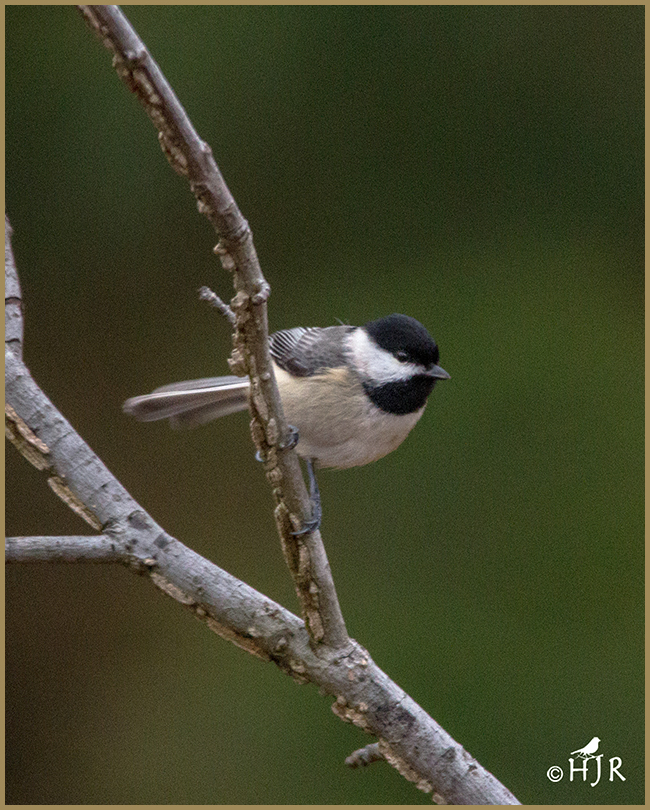
These birds hop along tree branches searching for insects, sometimes hanging upside down or hovering; they may make short flights to catch insects in the air. Insects form a large part of their diet, especially in summer; seeds and berries become important in winter. They sometimes hammer seeds on a tree or shrub to open them; they also will store seeds for later use.
© HJ Ruiz – Avian101
Share this:

Read Past Reviews

Book # 69
Quote from the Author
“A good chuckle is healthy, it helps you break the monotony of a serious life.” ~ H.J. Ruiz
 H.J. Ruiz - Avian101
You must be logged in to post a comment.