Photography of Birds – Set # 238
Set # 238
European Starling
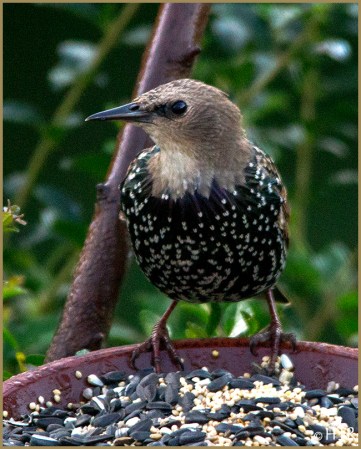
European Starling
Large flocks of European Starlings, typical of this species can be beneficial to agriculture by controlling invertebrate pests; however, starlings can also be pests themselves when they feed on fruit and sprouting crops. Common starlings may also be a nuisance through the noise and mess caused by their large urban roosts. Introduced populations in particular have been subjected to a range of controls, including culling, but these have had limited success, except in preventing the colonisation of Western Australia.
Brown Thrasher

Brown Thrasher


 H.J. Ruiz - Avian101
Your photos are always so lovely.
Thanks a lot, Ritva. 🙂
gorgeous photography (as usual) and thanks for the background info
Thank you very much, Ivette. 🙂
☀️😊
Both are handsome birds! 🙂
They are! Thanks, Donna. 🙂
Beautiful birds, HJ, and interesting info about the thrasher’s diet.
Thanks so much, Jet. 🙂
Lovely captures with always interesting info HJ 🙂
Thank you, Ashley. 🙂
Love the speckled plumage on the Thrasher. Beautiful images HJ.
Thanks so much, Chris. 🙂
The head feathers on your starling are not like any that I have seen on ours.
It’s because the starling is a juvenile, got the lower part adult-plumage first. Thanks, Tom. 🙂
Our juvenile starlings are much browner than that one.
Every time you share a picture of the Thrasher the eyes catch my attention!
😄
It’s always hard to get a close-up photo of these small birds!
Thank you, Edward. 🙂